
Understanding the Ghostly Presence Sensation through Science
Originally Published 2 years ago — by Big Think
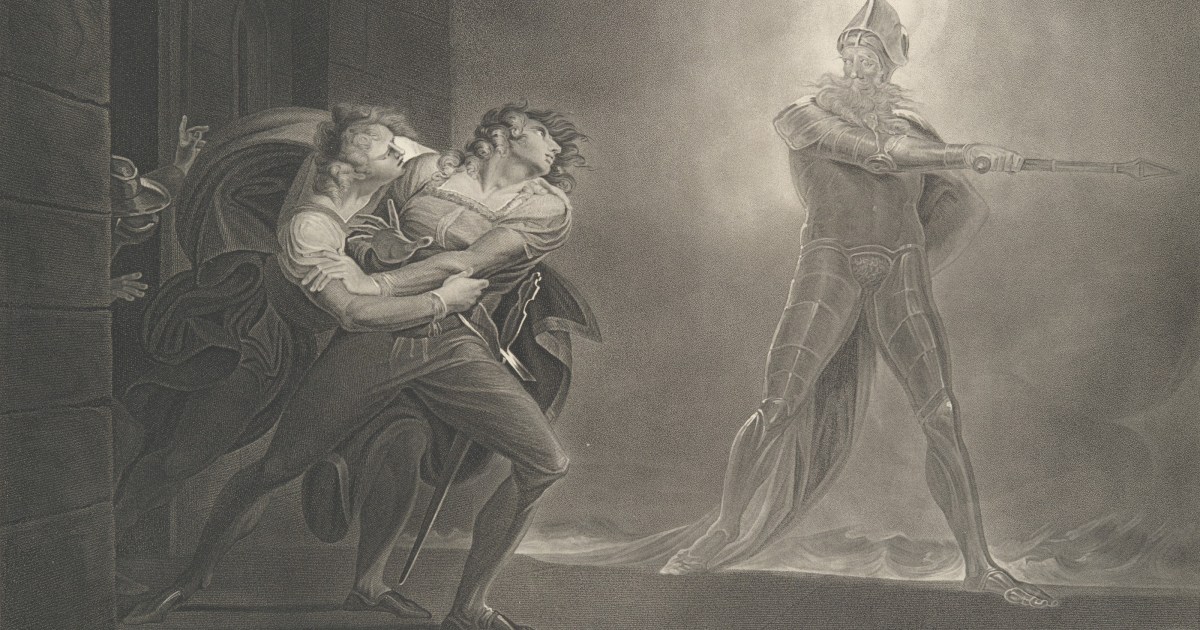
Neurologists have discovered that stimulating the left temporoparietal junction (TPJ) in the brain can produce a strong feeling of a shadow presence, mimicking the movements of the person being stimulated. The TPJ is responsible for processing information on sound, language, body, touch, space, and visual information, and provides a simulation of where we are in space. Disrupting the TPJ's function can cause integration to become disintegration, leading to out-of-body experiences. The rubber hand illusion demonstrates the shakiness of our sense of body ownership, as synchrony of cues from what we see and feel can override everything else we know about where our hand actually is.