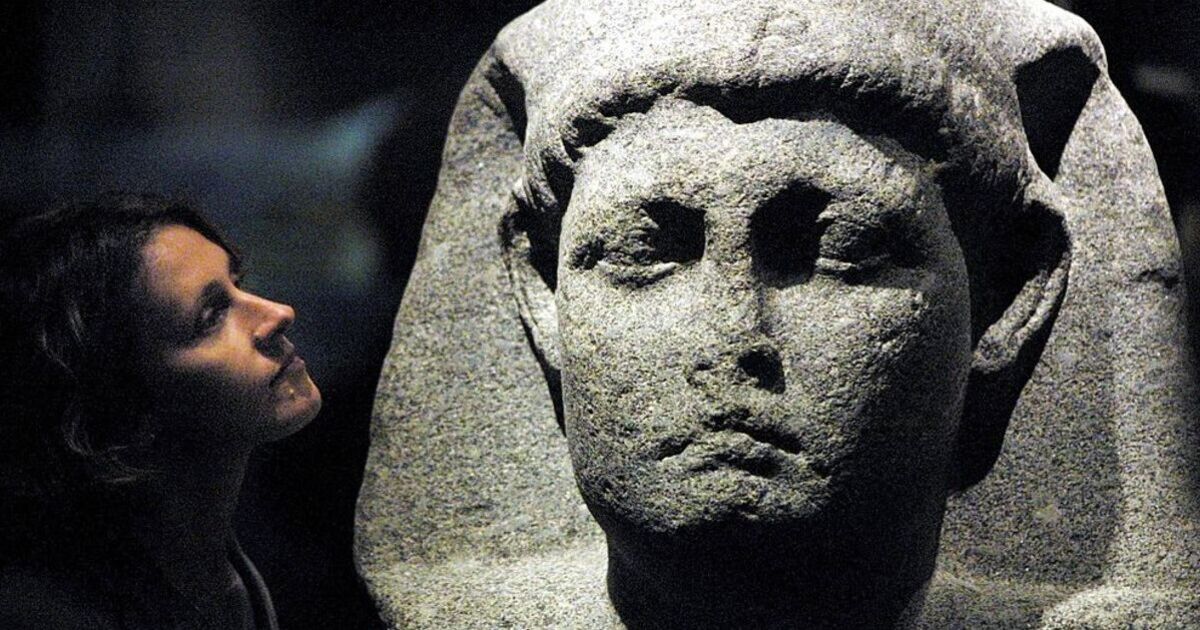
Archaeologist Kathleen Martínez and her team believe they may have found a crucial clue to Cleopatra's tomb at Taposiris Magna, including a sunken port and a tunnel leading to the sea, potentially solving a 2,000-year-old mystery after two decades of search.
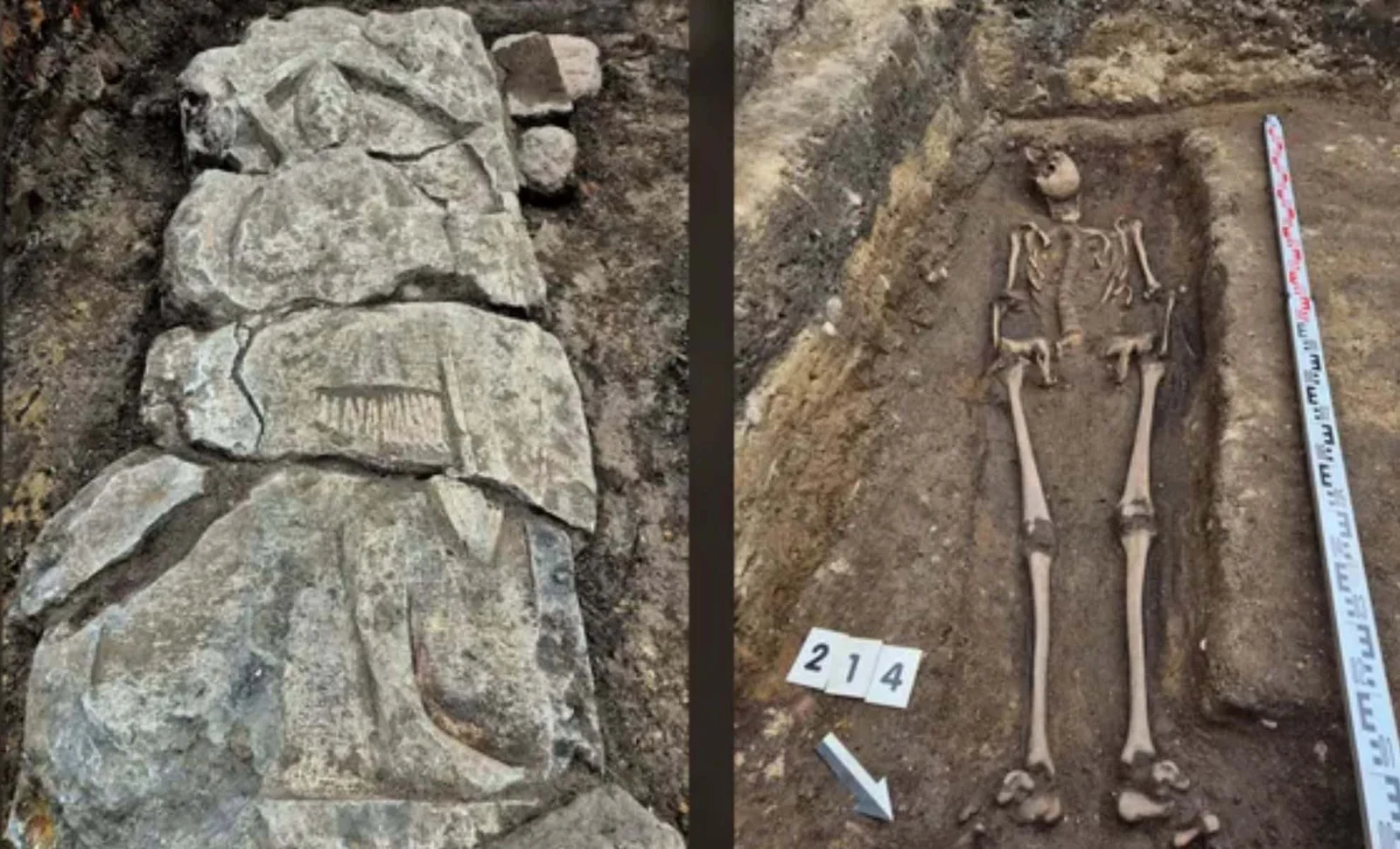
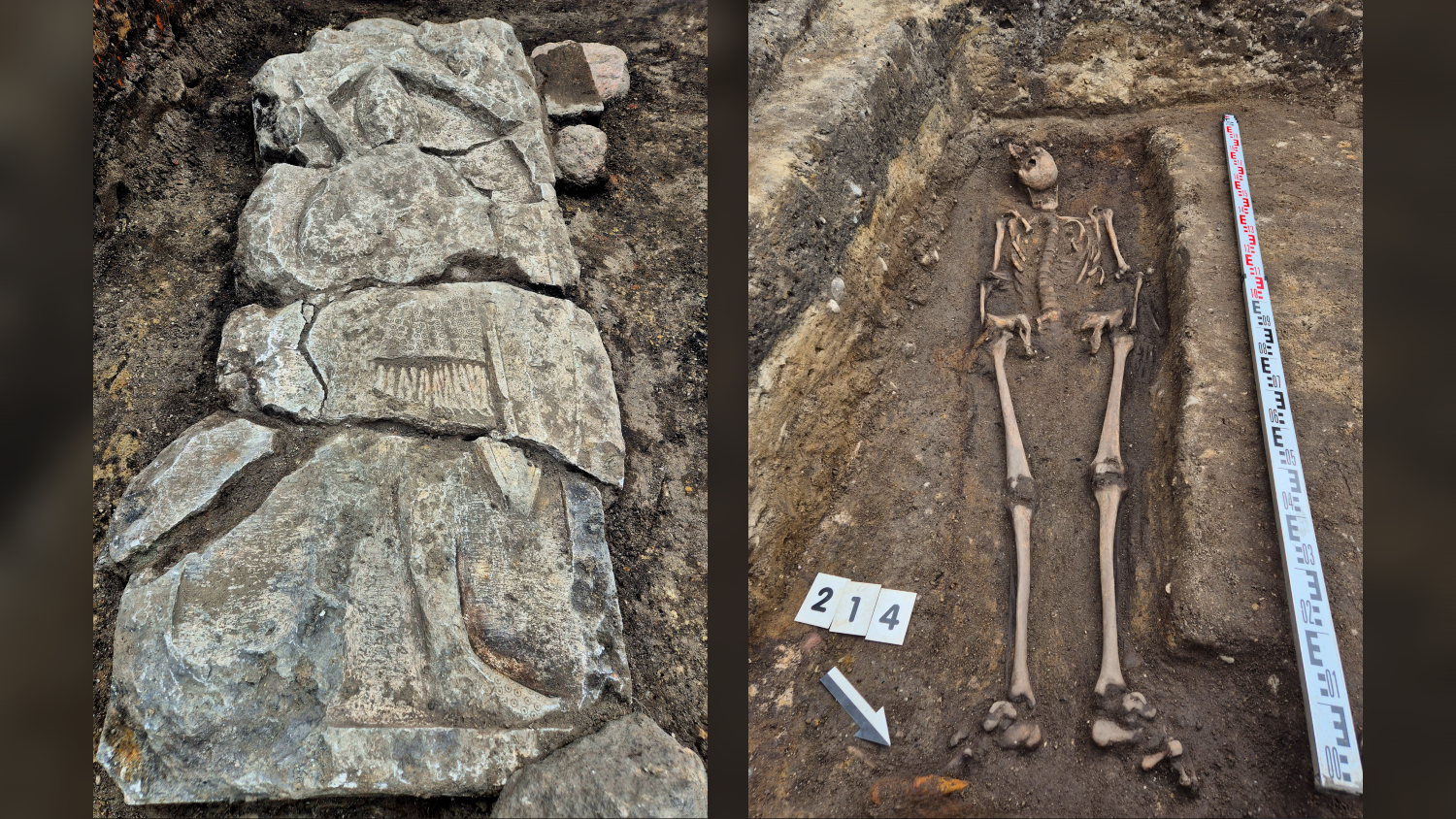
Archaeologists in Gdańsk, Poland, discovered a medieval tomb beneath an ice cream shop, featuring a carved limestone slab of a knight and a well-preserved skeleton, dating back to the late 13th or early 14th century, offering valuable insights into the city's medieval elite and craftsmanship.
Archaeologists in Gdańsk, Poland, discovered a 13th-century knight's tomb beneath an ice cream shop, featuring a rare carved limestone slab depicting the knight in armor, providing insights into the medieval elite of the city.
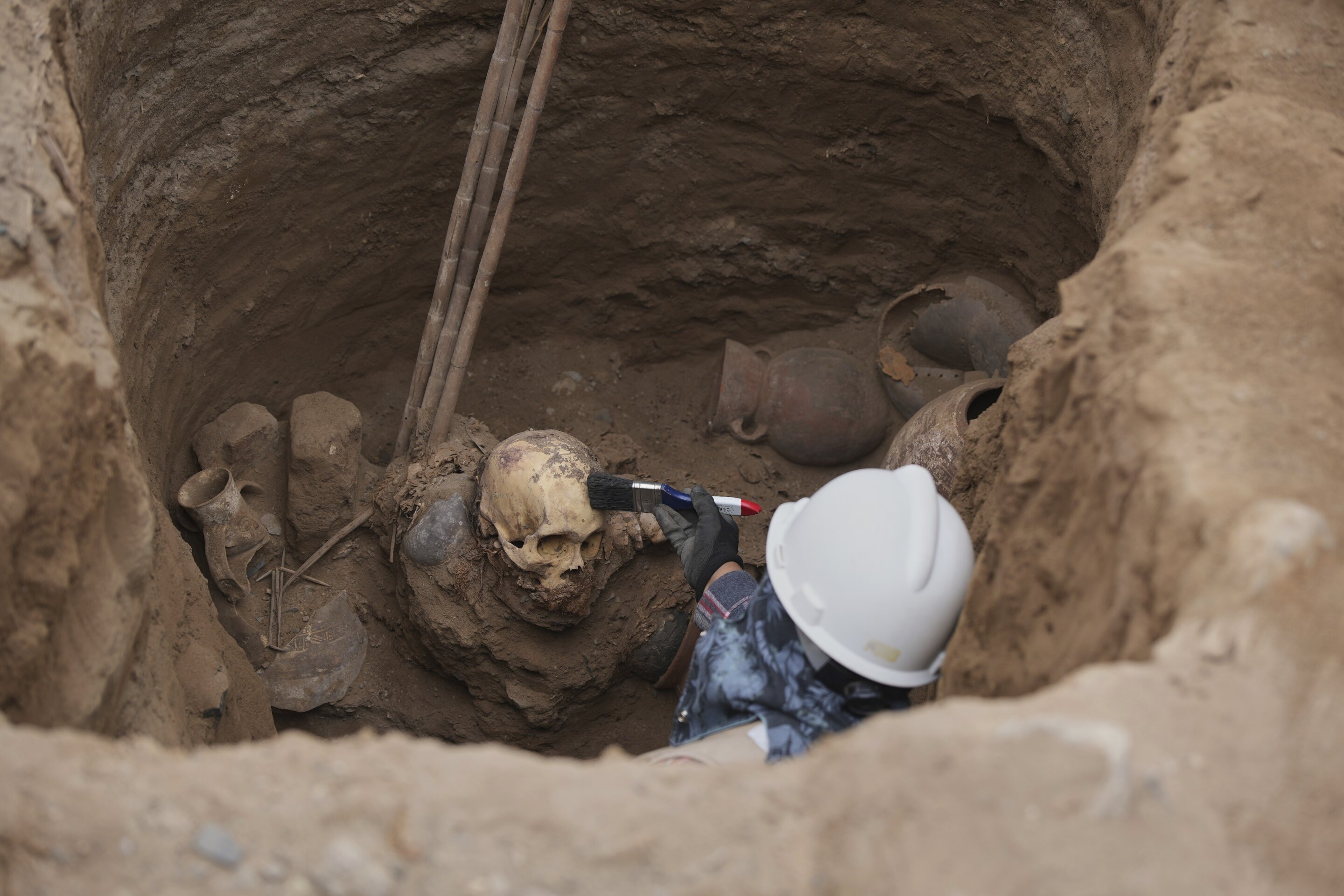
Utility workers in Lima, Peru, uncovered two pre-Incan tombs during gas line expansion, one containing 1,000-year-old remains linked to the Chancay culture, highlighting Lima's rich archaeological history and frequent discoveries during civil projects.
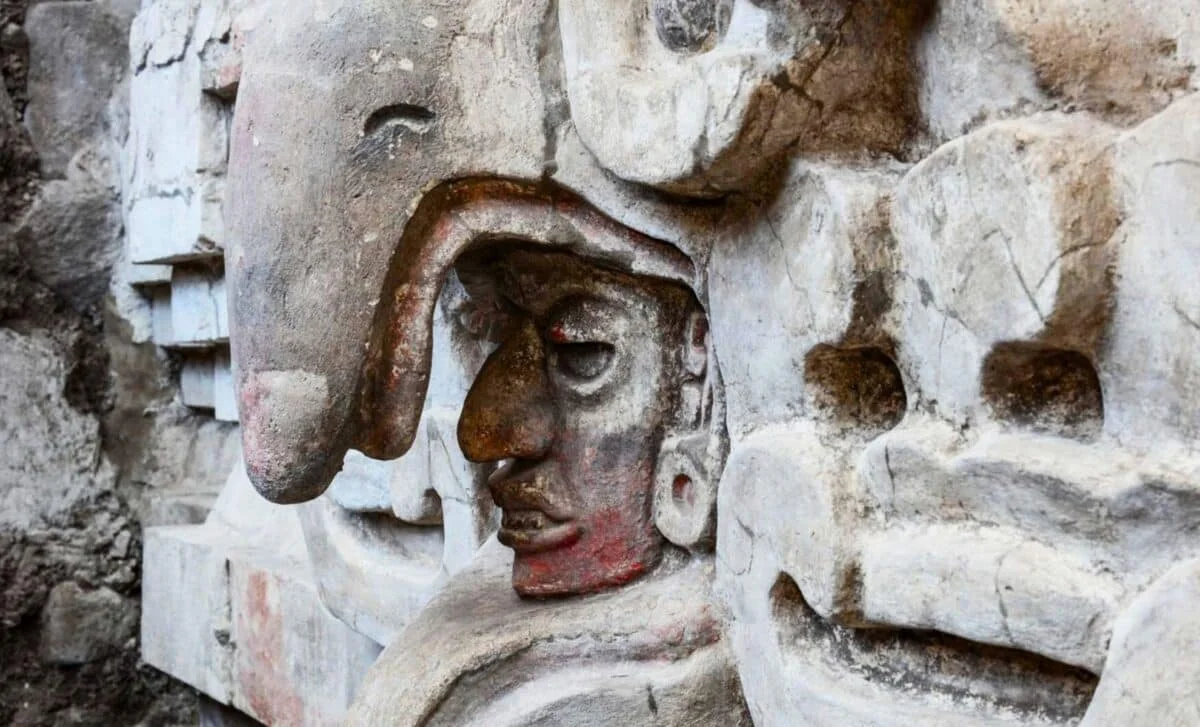
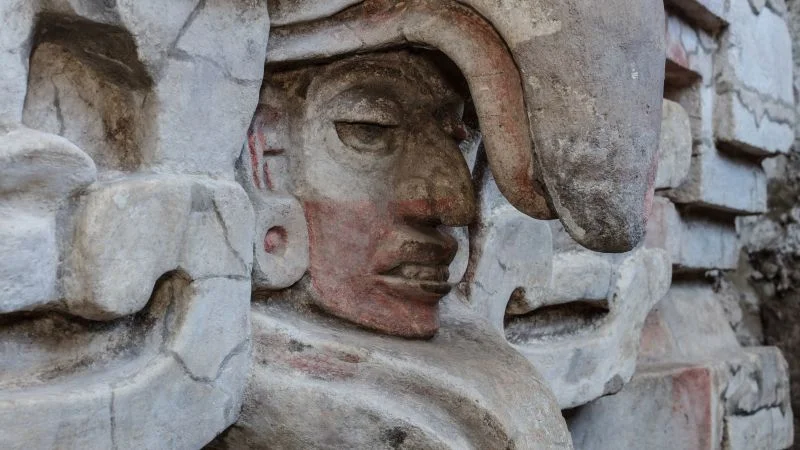
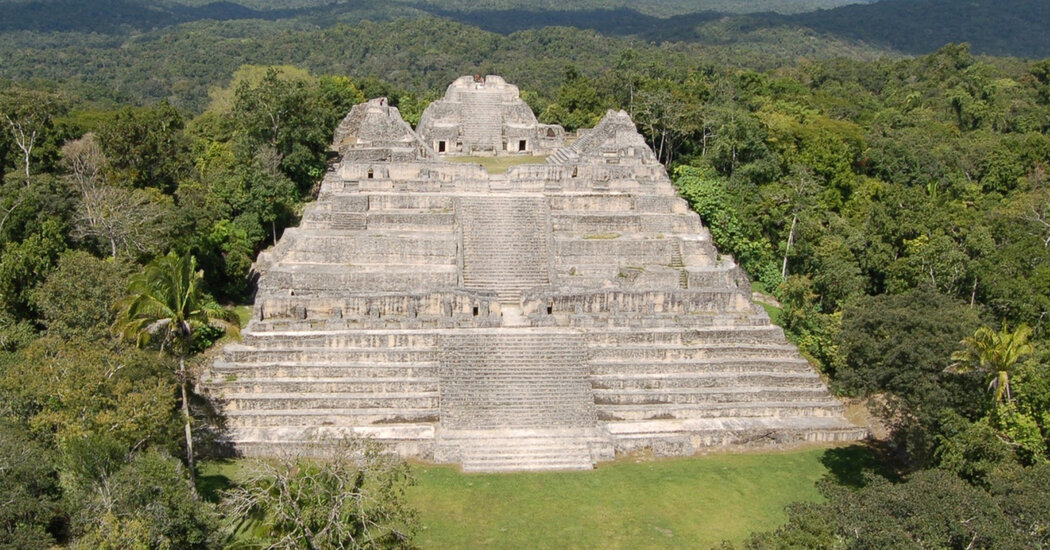
Archaeologists in Belize have discovered the 1,700-year-old tomb of Maya ruler Te K’ab Chak at Caracol, containing a rare jadeite mosaic death mask, jade jewelry, and artifacts indicating early and complex interactions with central Mexico, shedding new light on ancient Mesoamerican diplomacy and society.
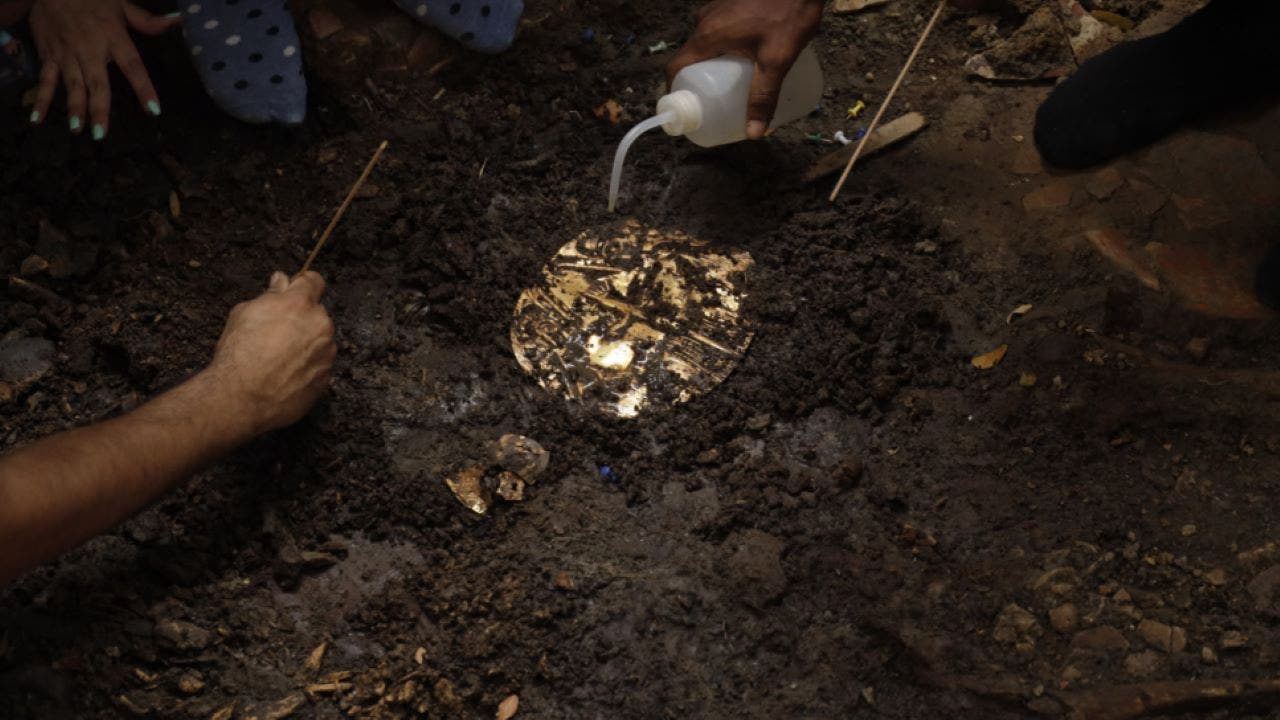
Panamanian archaeologists uncovered a 1,200-year-old tomb in the Coclé Province filled with golden treasures and victims of human sacrifice, including circular gold plates, gold belts, and various jewelry items. The tomb, dedicated to a chief who died in his 30s, also contained the bodies of other individuals believed to have accompanied him to the afterlife. This discovery is significant due to its unique multiple and simultaneous burials, shedding light on ancient Panamanian burial practices.
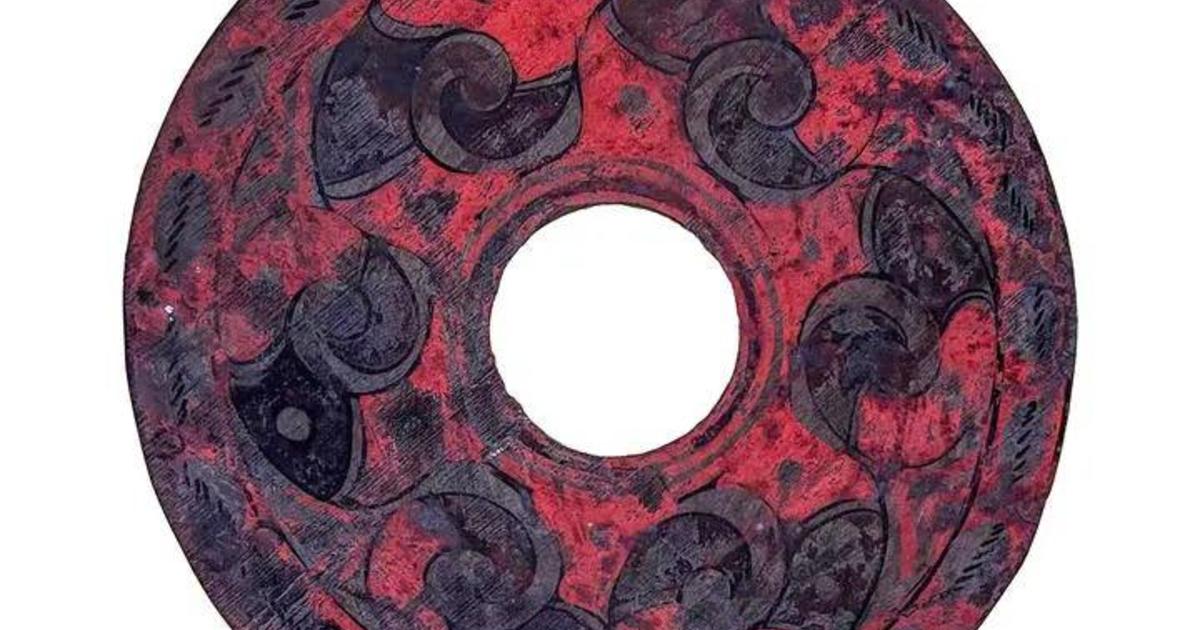
A well-preserved tomb dating back over 2,000 years has been unearthed in China, containing more than 600 relics. The tomb, known as "Guankou Western Han Dynasty Tomb No. 1," is the most significant discovery in the area, dating back to 193 B.C. during the Han Dynasty. The artifacts found in the tomb, including lacquerware, woodware, bambooware, pottery, bronzeware, and textiles, suggest that the tomb owner was a high-ranking official.
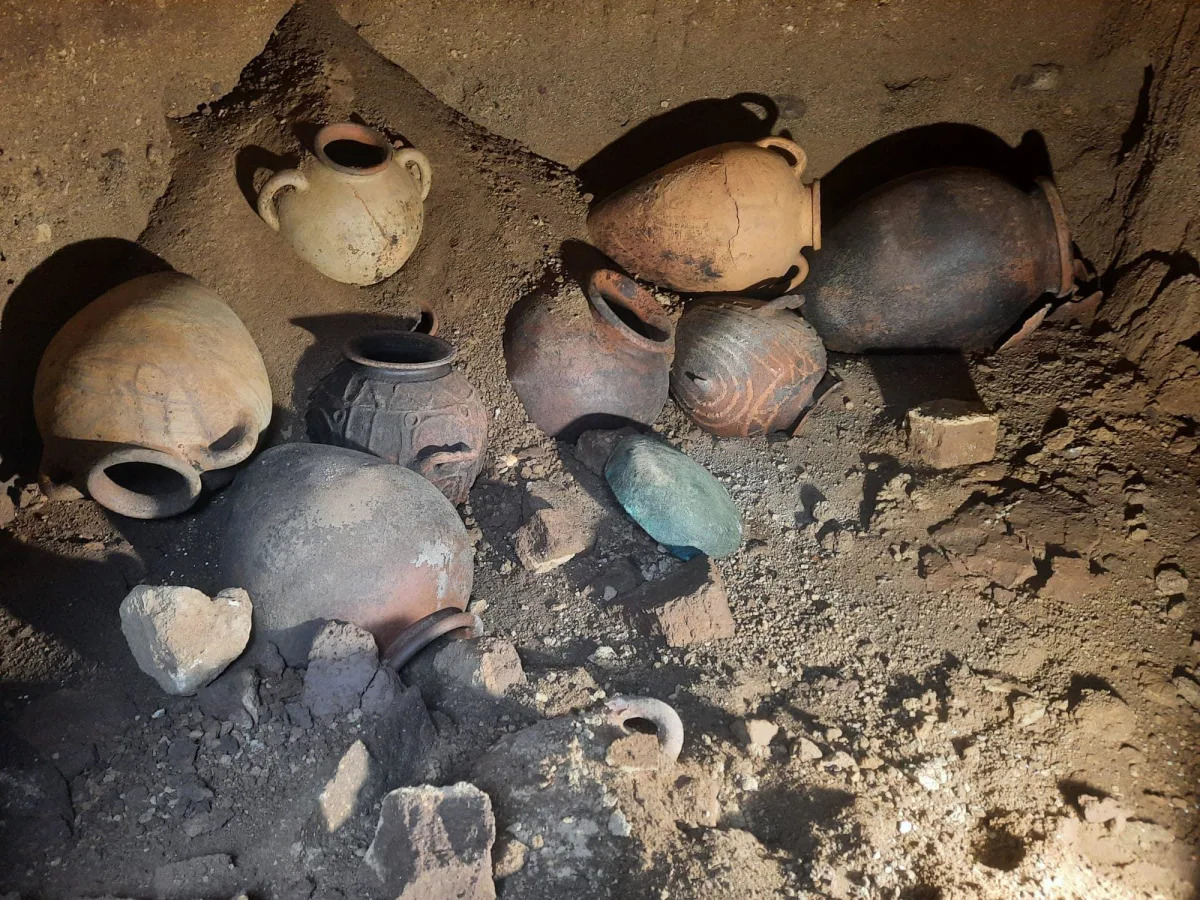
Archaeologists in central Italy have opened a 2,600-year-old Etruscan tomb in the municipality of Montalto di Castro, revealing a collection of well-preserved ancient treasures. The tomb, found at the Vulci archaeological site, contained pottery, amphorae filled with Greek wine, utensils, cups, iron objects, ceramics, decorative accessories, and a bronze cauldron. The discovery suggests that the family buried in the tomb was likely wealthy. The complex structure of the burial site is also of significance to archaeologists and historians.
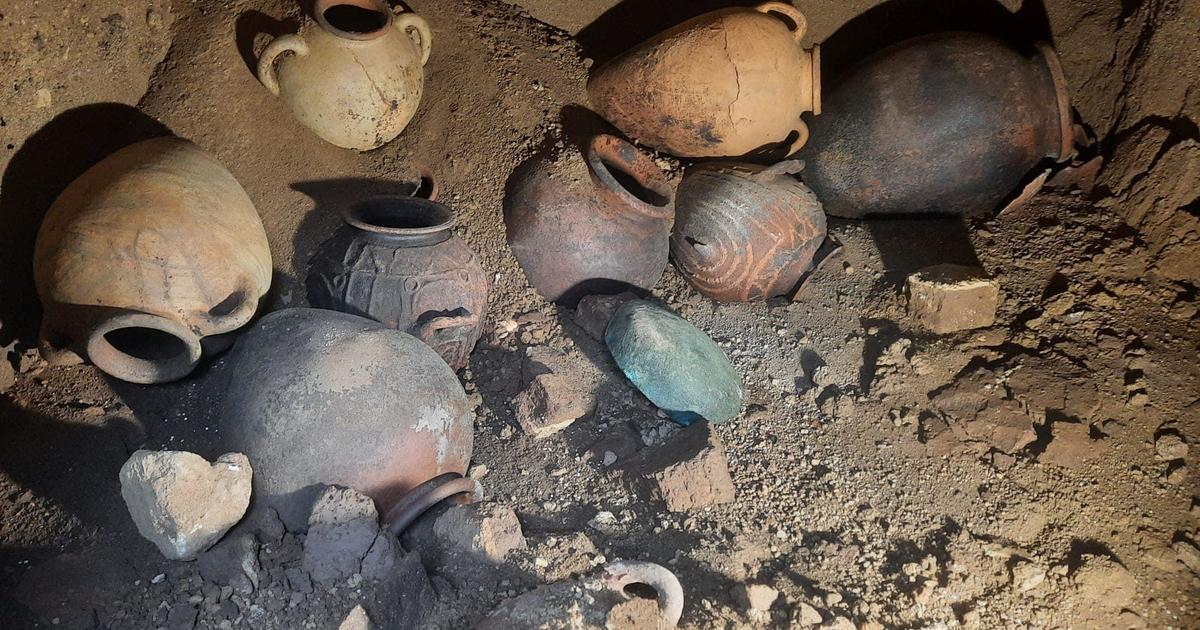
Italian archaeologists have opened a 2,600-year-old tomb in Montalto di Castro, Italy, belonging to a wealthy Etruscan family. The tomb, found remarkably intact, contained a collection of pottery, amphorae filled with wine from Greece, utensils, cups, iron objects, ceramics, decorative accessories, and a bronze cauldron. The discovery provides insights into the wealth and burial practices of the Etruscans, who dominated Italy until the Roman Empire's expansion in the 4th century B.C. The tomb's complex structure and layout also intrigue archaeologists and historians.
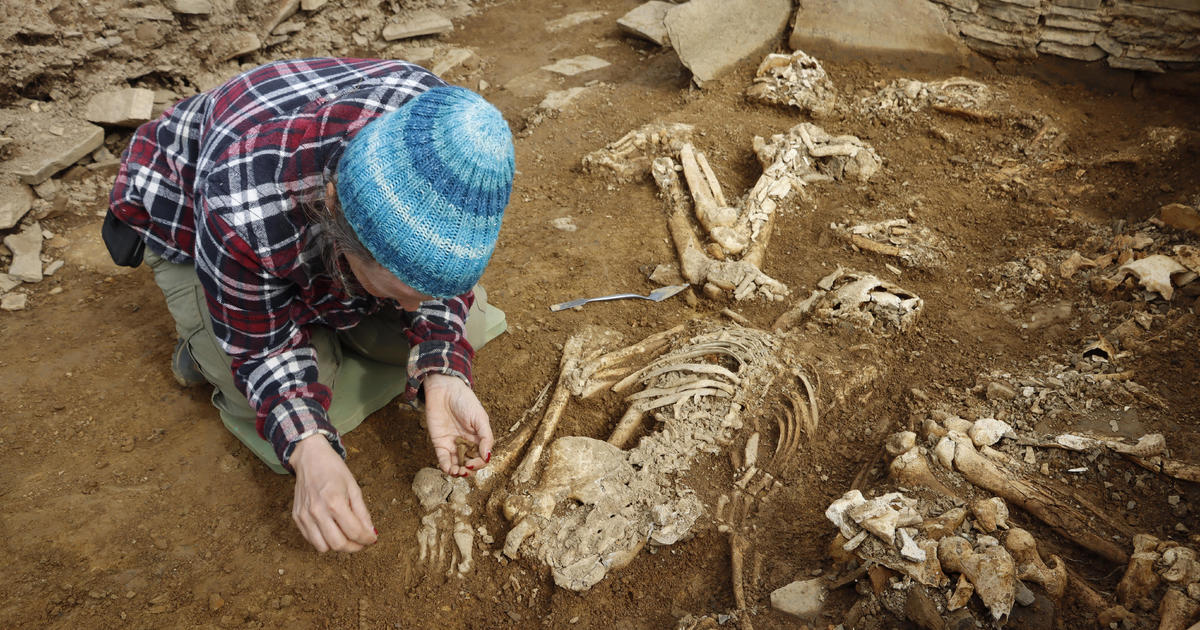
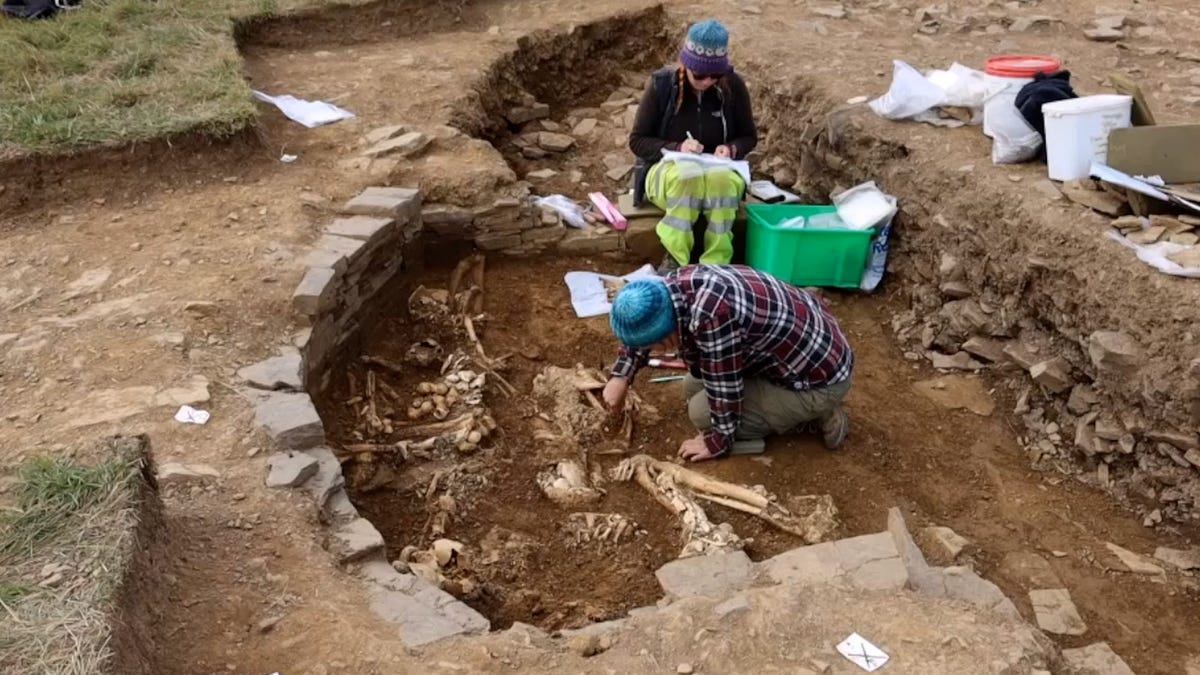
Archaeologists have discovered an "incredibly rare" 5,000-year-old tomb on one of the Scottish Orkney Islands. The Neolithic-era tomb, considered a pinnacle of engineering in northern Britain, was largely destroyed in the 19th century. Only 12 such tombs have been found in Orkney. The excavation revealed a large stone chamber surrounded by six smaller rooms, where 14 articulated skeletons of men, women, and children were found, along with other human remains and artifacts. The tomb's preservation is remarkable given that much of its stone was used for building material.
Archaeologists have discovered at least 14 sets of human remains inside a 5,000-year-old tomb on the Orkney Islands in Scotland. The rare findings, dating back to the Neolithic period, include skeletons of men, women, and children, with two found in an embracing position. The tomb, measuring nearly 50 feet in diameter, features a stone structure accessed through a 20-foot-long passage. Researchers plan to use DNA analysis to determine if the individuals buried were related or connected to other Orkney tombs used over generations.
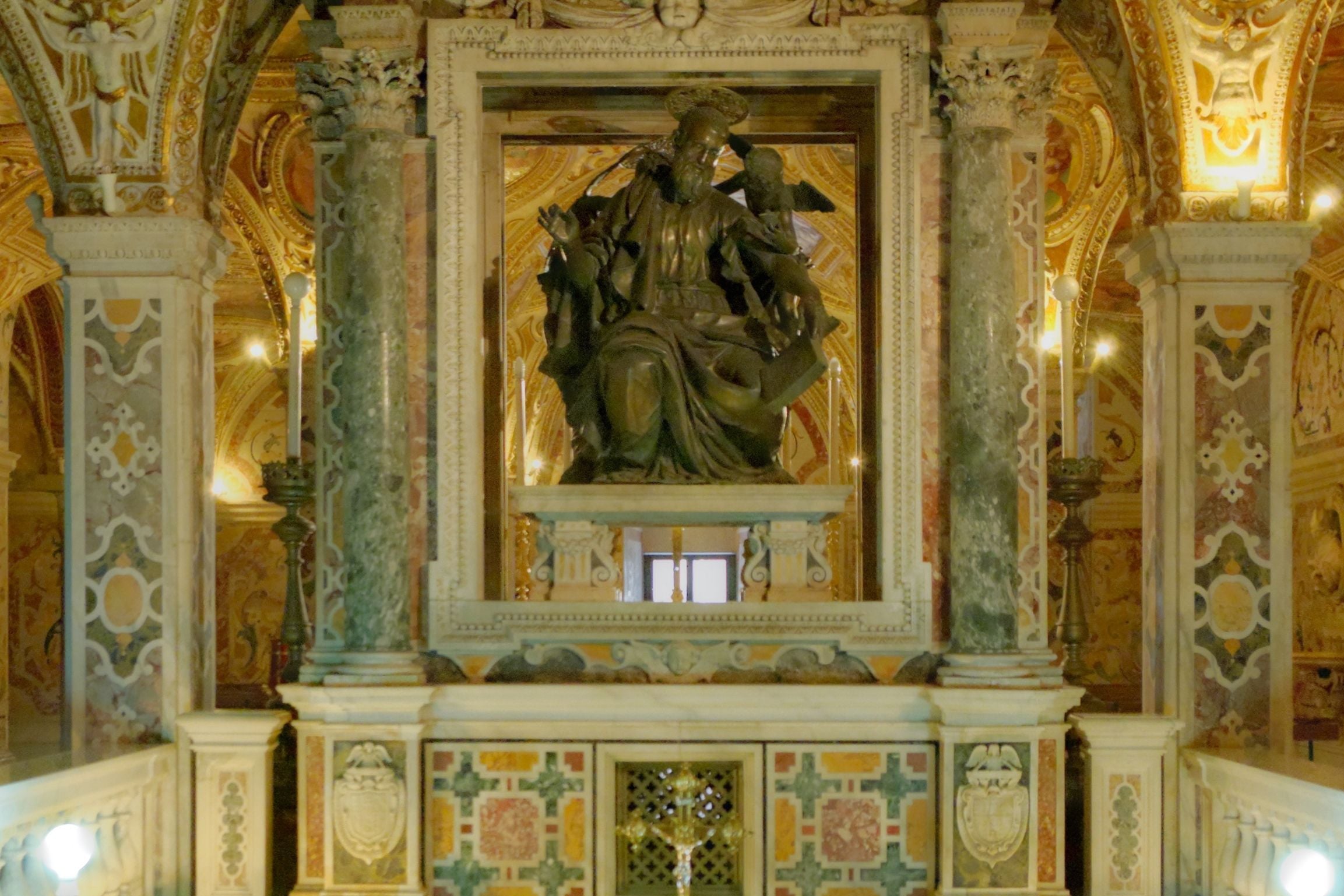
On the feast day of St. Matthew, little is known about his life, despite his crucial role as the author of one of the four Gospels. Matthew, a tax collector, gave up his materialistic life to follow Jesus. While his subsequent career is unclear, ancient sources suggest he evangelized in Asia for at least 15 years. St. Matthew's body is believed to be in the crypt beneath the cathedral of Salerno, Italy, where a bronze statue of him by Michelangelo Naccherino sits above the altar. Legend has it that St. Matthew's intercession protected the city of Salerno from a pirate attack in 1544. Eastern Catholics and Orthodox churches celebrate St. Matthew on Nov. 16.
Archaeologists in Peru have discovered a 3,000-year-old tomb believed to belong to an elite religious leader known as the "Priest of Pacopampa." The tomb, located in the highland archaeological zone of Pacopampa, contained the priest's remains along with decorated ceramic bowls and seals indicating ancient ritual body paint. The large size and peculiar positioning of the tomb, as well as the presence of a bone shaped into a tupu, suggest that the priest held a significant leadership role. The discovery is older than previously found tombs in the area and sheds light on ancient rituals and practices in Peru.
Archaeologists in northern Peru have discovered a 3,000-year-old tomb believed to honor an elite religious leader. Named the "Priest of Pacopampa," the tomb was covered with layers of ash and decorated with ceramic bowls. Seals found on the tomb indicated the use of ancient ritual body paint for nobility. The tomb contained a bone shaped into a tupu, typically used by women, suggesting a unique association. The discovery is part of the ongoing Pacopampa Archaeological Project, with the tomb estimated to be five centuries older than previous finds in the area.
Archaeologists in northern Peru have discovered a 3,000-year-old tomb believed to honor an elite religious leader. Named the "Priest of Pacopampa," the tomb was covered with layers of ash and black earth and decorated with ceramic bowls. Two seals found on the tomb indicated the use of ancient ritual body paint for nobility. The tomb also contained a bone shaped into a tupu, typically used by women, suggesting the individual buried was a leader. This discovery is estimated to be five centuries older than previous tombs found in the area.