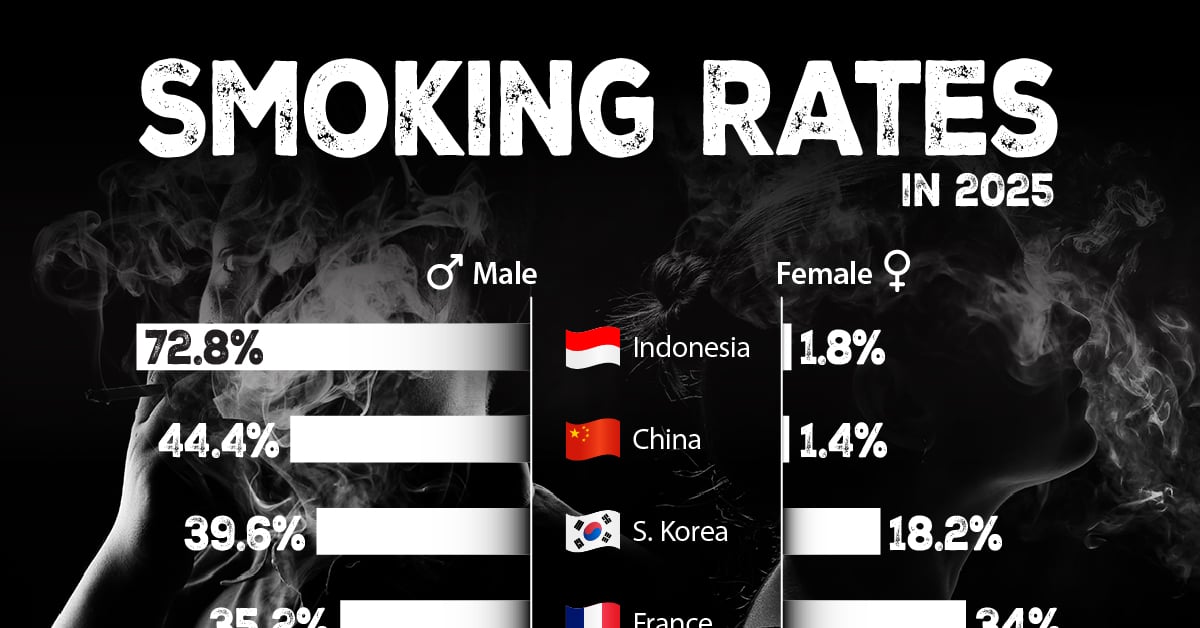
In 2025, smoking rates vary significantly across countries and genders, with Indonesia showing the highest male smoking rate at 72.8% and female smoking at just 1.8%, while France exhibits near gender parity. Overall, tobacco use remains a major public health concern worldwide, causing over 8 million premature deaths annually.
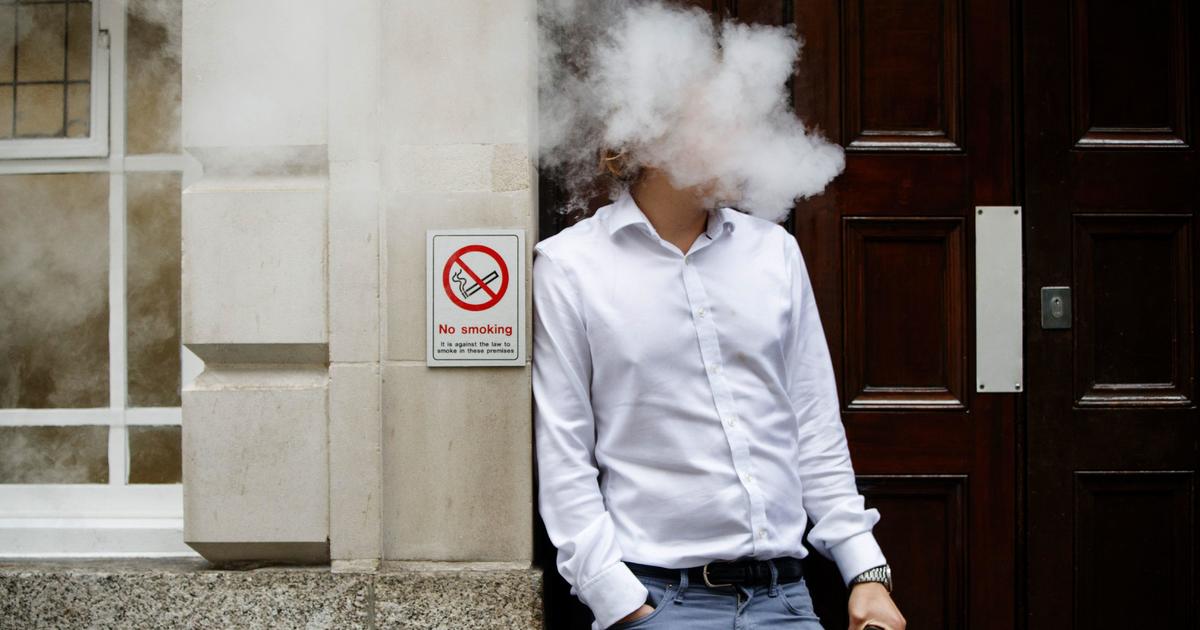
Quitting smoking is challenging due to the highly addictive nature of nicotine, which creates both psychological and physiological dependence. Expert-recommended tips for quitting include a combination of pharmaceutical intervention and psychotherapy, making a plan, avoiding e-cigarettes, and seeking support. While relapse is common, persistence and utilizing proven tools can increase the likelihood of successfully quitting smoking.
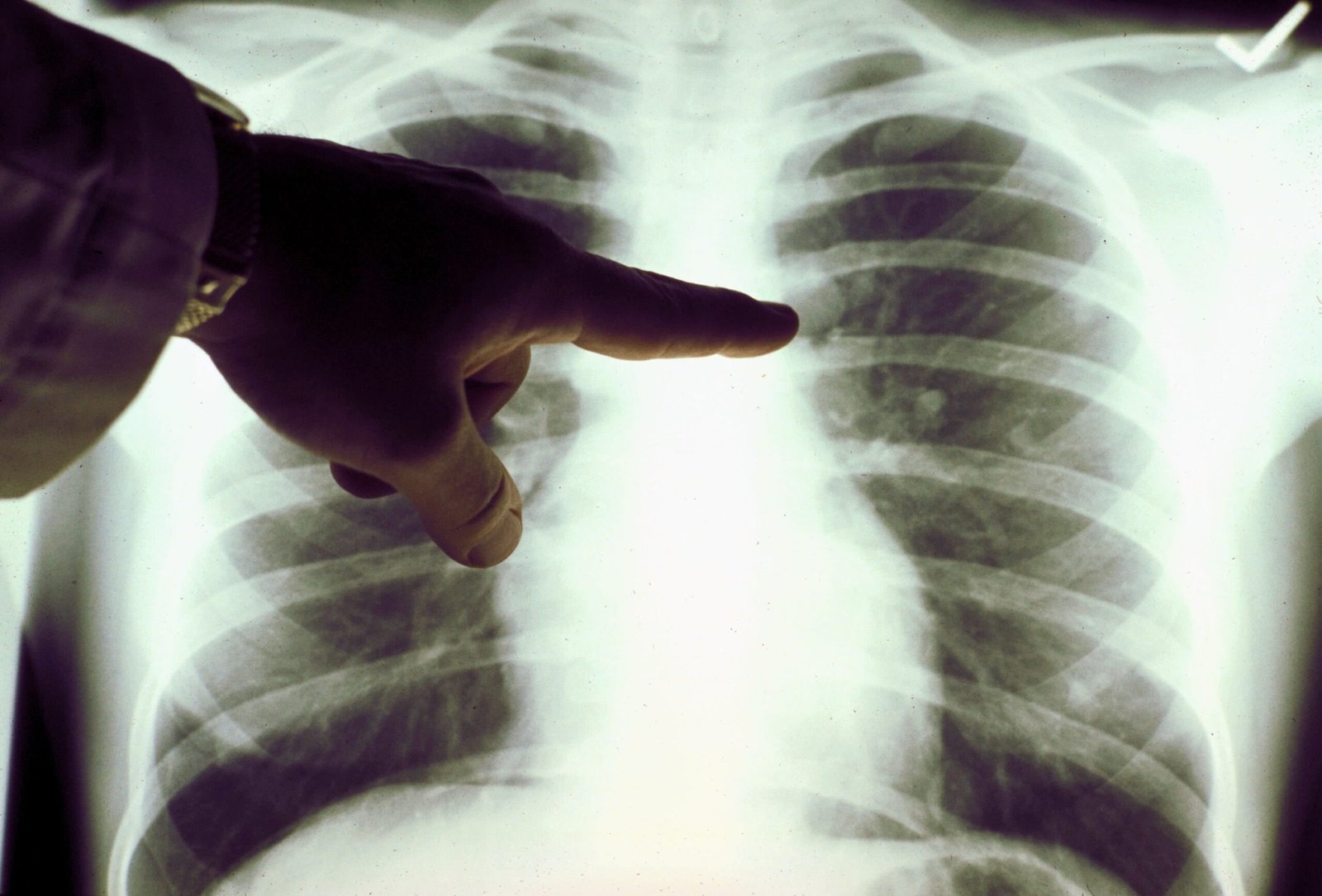
The World Health Organization's recent report reveals that lung cancer remains the most prevalent cancer globally, with 2.5 million new cases in 2022, constituting 12.4% of the total 20 million new cases reported. The persistence of tobacco use, particularly in Asia, is identified as a major contributing factor. The report also discloses that 9.7 million individuals succumbed to cancer in 2022, with lung cancer leading the rankings, followed by female breast cancer and colorectal cancer. The data encompassing 185 countries and 36 cancers reveals that ten cancer types collectively account for around two-thirds of new cases and deaths globally in 2022. Additionally, cancer cases are projected to surge to over 35 million by 2050, marking a 77 percent increase from the estimated 20 million cases in 2022, attributed to population aging, shifts in exposure to risk factors, and environmental factors such as air pollution.
The World Health Organization's report on global tobacco use shows a decrease in rates, but not as much as hoped, with about 1.25 billion tobacco users aged 15 and older in 2022. Known tobacco control methods have been effective, but not all countries are implementing them to the fullest extent. While some countries have seen significant drops in tobacco use, others, including the United States, still have relatively high rates. Concerns also arise regarding adolescent girls using tobacco at higher rates in certain regions. The report does not include full data on e-cigarettes, but the tobacco industry's focus on alternative nicotine products is noted, with the WHO attributing the continued lure of cigarettes to industry manipulation of health policies.
The World Health Organization reported a steady decline in adult tobacco users globally, with 150 countries successfully reducing tobacco use between 2000 and 2030. However, the WHO warned that despite the decline in smoking rates, tobacco-related deaths are expected to remain high, with the tobacco industry working to reverse the trend. The report highlighted the industry's efforts to manipulate health policies and target adolescents, urging countries to strengthen control policies and fight tobacco industry interference.
Efforts to reduce smoking in England have stalled as the pandemic has driven young people, particularly those aged 18 to 24, to take up the habit and caused quitters to relapse. The proportion of tobacco users remained at around 15% between April 2020 and August 2022, ending a previous decline. The University College London study, involving 102,000 people, attributes this trend to pandemic-related stress, upheaval, and social isolation. The findings pose a significant challenge to England's goal of becoming smoke-free by 2030.
According to the 2023 National Youth Tobacco Survey, 10% of middle and high school students in the United States reported current tobacco product use, with e-cigarettes remaining the most commonly used tobacco product among youths. However, there was a decline in current e-cigarette use among high school students from 14.1% to 10.0% between 2022 and 2023. Among students who currently use e-cigarettes, 25.2% use them daily, and 89.4% use flavored e-cigarettes. Sustained efforts in implementing evidence-based tobacco control strategies and effective youth interventions are crucial in reducing youth tobacco product use.
France is planning to ban disposable electronic cigarettes as part of a national program to combat tobacco use, according to French Prime Minister Elisabeth Borne. Borne emphasized the importance of addressing the public health issue, citing the 75,000 deaths caused by tobacco use in France each year. She also highlighted the addictive habits that can develop among young people through the use of disposable e-cigarettes. However, the government does not intend to raise taxes on tobacco next year.
A new report by Truth Initiative has identified 12 states in the South and Midwest, dubbed "Tobacco Nation," where smoking prevalence is 50% higher than the rest of the US. These states are home to 28% of smokers in the country, despite only comprising 21% of the population. The report attributes the higher smoking rates to weaker local policies on tobacco prevention and cessation, influenced by the tobacco industry and lack of political will. Additionally, residents in these states tend to smoke significantly more than in other states. The report highlights the need for stronger actions to address these disparities and improve public health.
A new report by Truth Initiative has identified 12 states in the South and Midwest, dubbed "Tobacco Nation," where smoking rates are 50% higher than the rest of the US. These states are home to 28% of smokers in the country, despite only representing 21% of the population. The report attributes the higher smoking prevalence to weaker local policies on tobacco prevention and cessation, influenced by the tobacco industry and lack of political will. Additionally, residents in these states tend to smoke significantly more than in other states. The report highlights the need for stronger actions to address these disparities and improve public health.
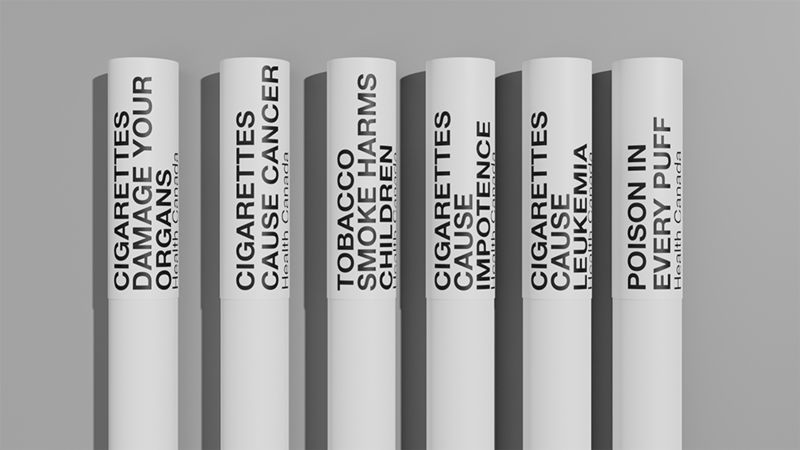
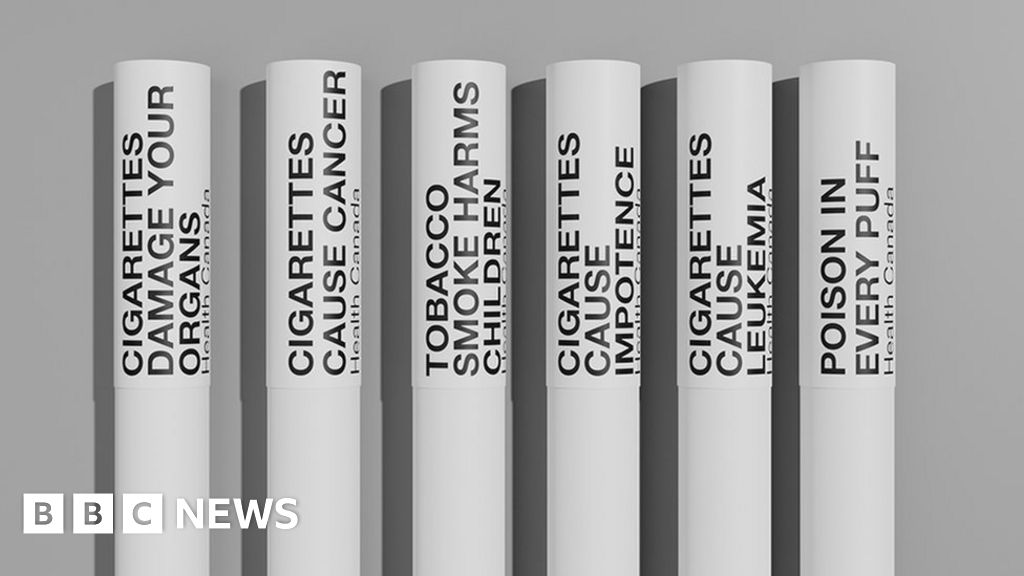
Canada will become the first country in the world to require warning labels on individual cigarettes, with the regulations taking effect on August 1. The warnings, in English and French, will include messages such as "poison in every puff" and "tobacco smoke harms children." The move is aimed at reducing tobacco use below 5% by 2035 and strengthening health-related graphic images displayed on packages of tobacco. Tobacco advertising, promotion, and sponsorship are already banned in Canada, and warnings on cigarette packs have existed since 1972.
Canada will become the first country in the world to require health warnings to be printed directly on every individual cigarette. The new regulation is part of the country's goal to drop its nationwide tobacco use to less than 5% by 2035. The labels on individual cigarettes will make it "virtually impossible" for smokers to avoid warnings, health officials said. The new rules go into effect August 1, but will be implemented in phases.
Health Canada has announced that every cigarette in Canada will soon carry a health warning, making it the first country in the world to do so. The new packaging will feature a warning on each cigarette with phrases like "Cigarettes cause cancer" and "Poison in every puff". The regulation will come into effect on 1 August, and it is part of an effort to reduce tobacco use in Canada to less than 5% by 2035. The move was applauded by the Canadian Cancer Society, Canada's Heart and Stroke Foundation and the Canadian Lung Association, who said they hope the measures will deter people, especially youth, from taking up smoking.