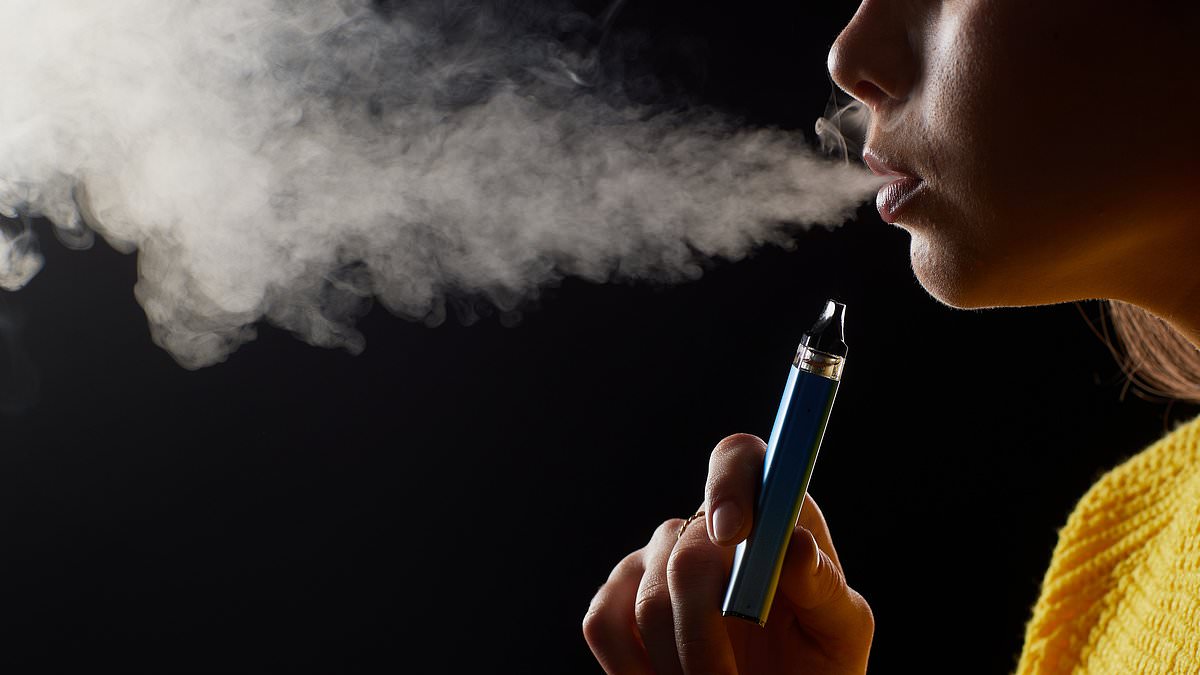
Recent studies and analyses have shown that vaping is linked to severe health risks, including damage to blood vessels and lung scarring. While e-cigarettes may contain fewer harmful chemicals than traditional cigarettes, they still pose significant health risks, such as oxidative stress, inflammation, and potential long-term effects on the heart and lungs. Both vaping and smoking have immediate and long-term effects on the body, including impacts on blood vessels, circulation, and respiratory function, raising concerns about the overall health implications of these nicotine delivery methods.

British American Tobacco, the owner of Camel and American Spirit cigarettes, has taken an impairment charge of $31.5 billion, mainly due to the decline in the number of people smoking. The company is in the process of shifting its business away from traditional cigarettes to "smoke-free" products and aims to generate half of its revenue from non-combustibles by 2035. The CDC survey shows a continued decrease in cigarette smoking in the US, while electronic cigarette use has risen. British American Tobacco plans to invest in its "new products" business, including vaporizers. Shares of the company fell by 8.6% following the announcement.
A new international study led by researchers from the University of Michigan suggests that ultra-processed foods, high in refined carbohydrates and added fats, may be as addictive as cigarettes. The study analyzed 281 studies from 36 countries and found that ultra-processed foods meet the criteria for addiction, including causing compulsive use, mood-altering effects on the brain, reinforcing behavior, and triggering intense urges and cravings. The researchers estimate that 1 in 7 adults and 1 in 8 children may be addicted to ultra-processed foods. The findings highlight the need to identify which foods are potentially addictive and explore strategies to improve global health. However, not all experts agree with the findings, with some expressing skepticism about the addictive nature of food.
UK Prime Minister Rishi Sunak has proposed a progressive ban on cigarettes, starting with raising the minimum age for purchasing cigarettes and gradually increasing it each year. The aim is to prevent young people from taking up smoking, as the majority of smokers start before the age of 20. The policy would not criminalize smoking and would only apply to citizens living in England. Currently, the minimum age to purchase cigarettes in the UK is 18.
UK Prime Minister Rishi Sunak has proposed gradually raising the legal age to buy cigarettes in England by one year each year until it becomes illegal for the entire population, with the aim of phasing out smoking among young people. The changes would prevent children who turn 14 this year and younger from ever legally purchasing cigarettes in England. The government clarified that smoking itself won't be criminalized, and the phased changes won't affect those who are currently of legal age. The move is part of an effort to reduce smoking-related deaths and diseases, with health experts welcoming the plan. Additionally, measures to restrict the availability of vapes to children will also be introduced.
Americans consider marijuana to be significantly less dangerous than cigarettes, alcohol, and opioids, and they say cannabis is less addictive than each of those substances, as well as technology, according to a new poll. The survey, released by the American Psychiatric Association (APA) and Morning Consult last week, looked at public opinion on the dangers and addictiveness of six different substances, plus technology. Additionally, 71 percent of Americans say they’d know how to help someone in their life who’s struggling with addiction.
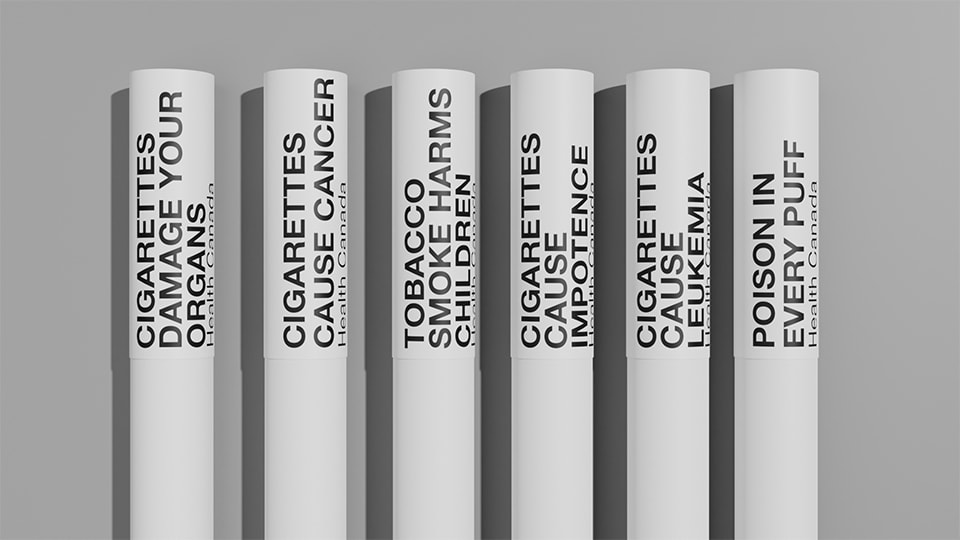
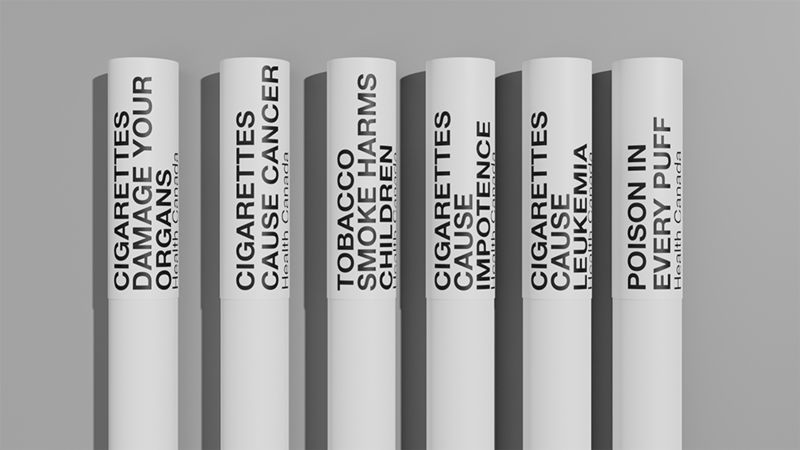
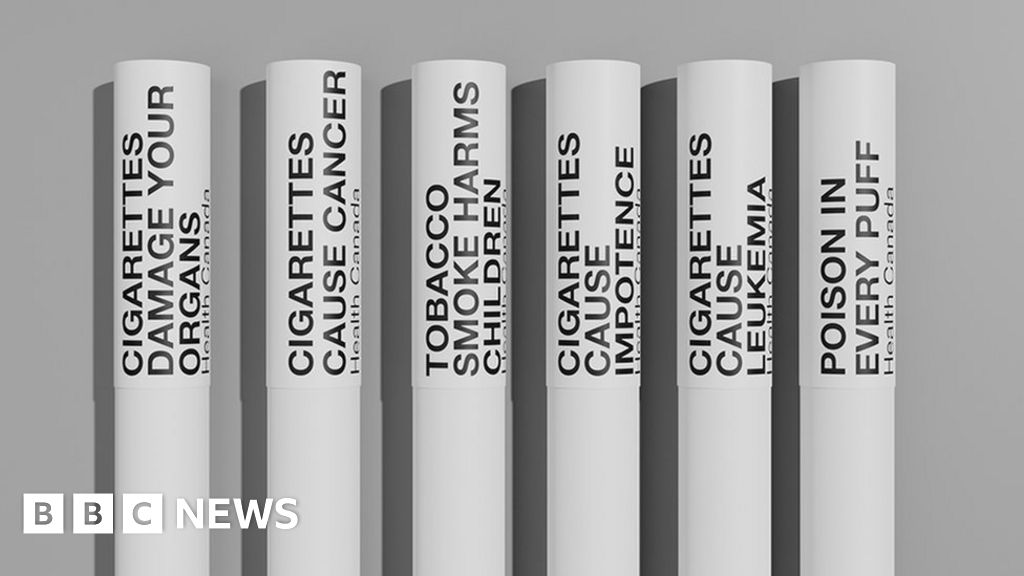
Canada will become the first country in the world to require manufacturers to print warnings directly on individual cigarettes. Beginning next year, cigarettes sold in Canada will bear one of six messages in English and French. Health Canada estimates that 13 percent of the population smokes tobacco, down from 22.5 percent in 2001. The ministry aims to decrease usage to less than 5 percent by 2035.
Canada will become the first country in the world to require warning labels on individual cigarettes, with the regulations taking effect on August 1. The warnings, in English and French, will include messages such as "poison in every puff" and "tobacco smoke harms children." The move is aimed at reducing tobacco use below 5% by 2035 and strengthening health-related graphic images displayed on packages of tobacco. Tobacco advertising, promotion, and sponsorship are already banned in Canada, and warnings on cigarette packs have existed since 1972.
Canada will become the first country in the world to require health warnings to be printed directly on every individual cigarette. The new regulation is part of the country's goal to drop its nationwide tobacco use to less than 5% by 2035. The labels on individual cigarettes will make it "virtually impossible" for smokers to avoid warnings, health officials said. The new rules go into effect August 1, but will be implemented in phases.
Health Canada has announced that every cigarette in Canada will soon carry a health warning, making it the first country in the world to do so. The new packaging will feature a warning on each cigarette with phrases like "Cigarettes cause cancer" and "Poison in every puff". The regulation will come into effect on 1 August, and it is part of an effort to reduce tobacco use in Canada to less than 5% by 2035. The move was applauded by the Canadian Cancer Society, Canada's Heart and Stroke Foundation and the Canadian Lung Association, who said they hope the measures will deter people, especially youth, from taking up smoking.
The Centers for Disease Control and Prevention (CDC) has reported that the rate of cigarette use among US adults has dropped to a new low, with just about one in nine adults identifying as smokers. However, the use of electronic cigarettes (e-cigs) is climbing, with 6% of surveyed US adults reporting using them in 2022. Among youth, vaping is even more popular. About 14% of high schoolers (and more than 3% of middle schoolers) reported using e-cigs in 2022. Smoking has long been a leading cause of preventable death in the United States, and while it is good for population health that people seem to be reaching for cigarettes less and less, the growing prevalence of e-cigs remains a concern among health experts.