Tag

Tick Borne Illnesses

All articles tagged with #tick borne illnesses

health3 months ago

Rising Tick Threats and Lyme Disease Risks Amid Endemic Levels

Health officials in Ohio County, West Virginia, warn of endemic levels of Lyme disease, driven by rising global temperatures that expand tick habitats and prolong their activity, increasing human infection risk. The surge highlights how climate change is reshaping disease patterns, emphasizing the importance of early detection, prevention measures, and ongoing research for vaccines and diagnostics.

health3 months ago

Health Officials Warn of Rising Tick-Borne Disease Threats in the US

Ontario County in the US faces a public health emergency due to a rapid increase in tick-borne illnesses like Lyme disease, with 296 cases reported in 2025, driven by warmer weather and increased deer populations. Local officials are implementing awareness campaigns and deer management plans to combat the spread and protect vulnerable populations, especially children and the elderly.

health5 months ago

Rising Tick Encounters and the Growing Need for Prevention

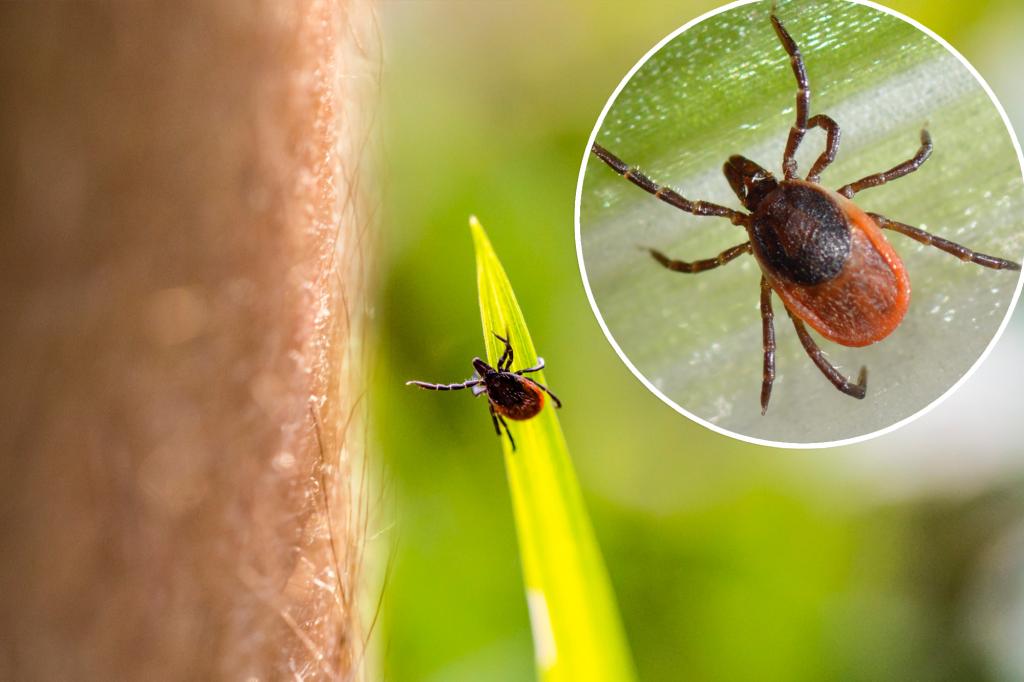
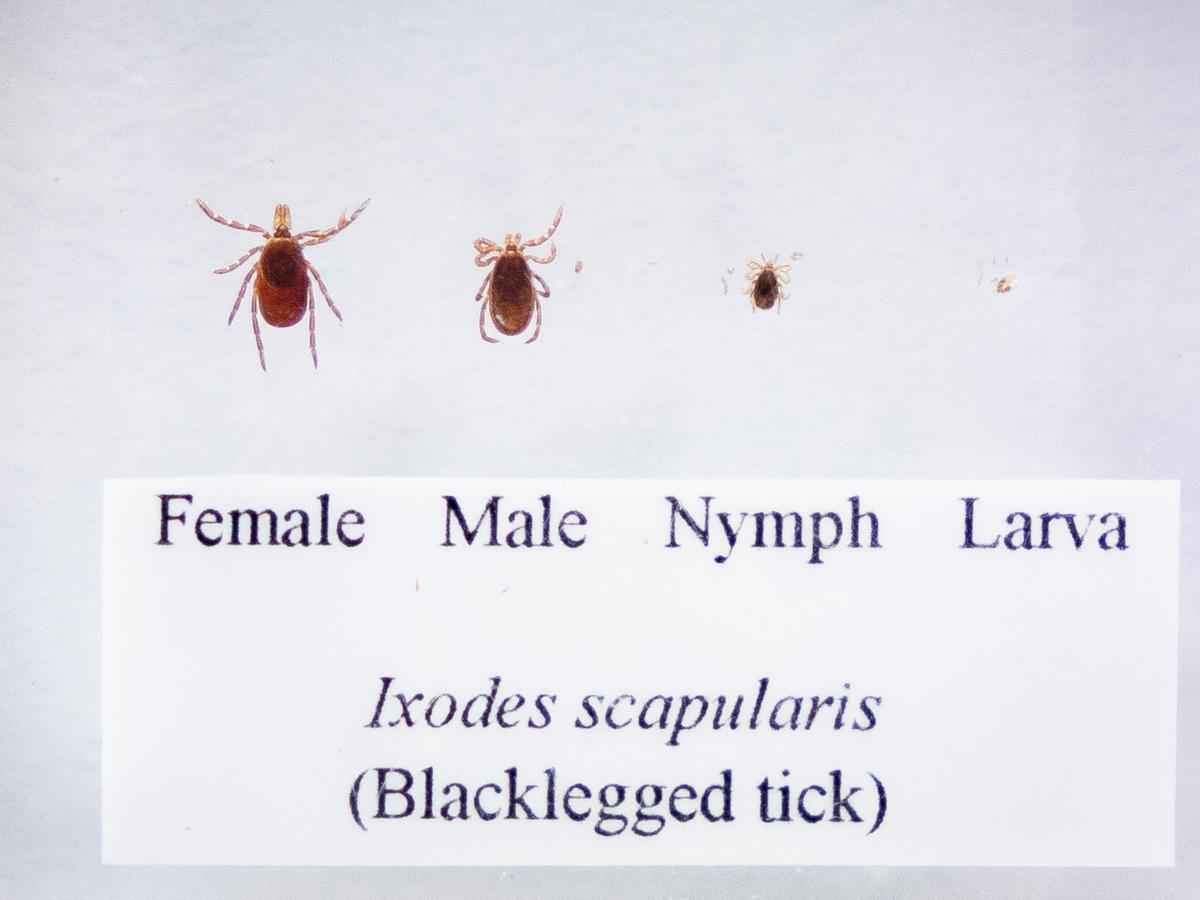
The article discusses the risks associated with ticks, especially Lyme disease, emphasizing that while tick populations are increasing and they can carry serious illnesses, the actual risk varies by location and proper precautions can significantly reduce the danger. It highlights the importance of identifying ticks, understanding their behavior, and taking preventive measures based on regional risk levels.

health6 months ago

Vermont Faces Rising Tick Populations, Health Officials Warn

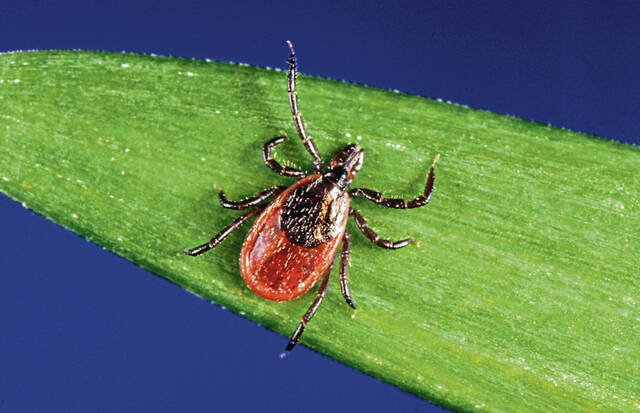
Rising tick populations in Vermont, driven by invasive plants, development, and climate change, have increased the risk of tick-borne diseases like Lyme disease, prompting health officials to recommend precautions such as protective clothing and prompt tick removal. The blacklegged tick is most common and carries Lyme disease in over half of analyzed ticks, with other illnesses also present. Vermont's surveillance programs are crucial for monitoring these risks, though funding issues have temporarily paused some efforts.

health1 year ago

Top States for Tick-Borne Illnesses Revealed

New research reveals New York, Pennsylvania, and Texas as the worst states for tick-borne illnesses, with New York reporting nearly 16,800 Lyme disease cases in 2022. Experts emphasize the importance of tick prevention and immediate removal if bitten, as ticks can transmit multiple diseases, including Lyme disease and the Powassan virus. Regular checks, especially in areas like the backyard, and preventive measures for pets are recommended to reduce the risk of tick bites.

health1 year ago

"Breakthrough: New Vaccines Offer Hope for Ending Lyme Disease"

Two new vaccines for Lyme disease, including VLA15 developed by Pfizer and Valneva in Phase 3 human trials, and a mouse-targeting vaccine by US Biologic, show promising results in combating the tick-borne illness. With Lyme disease cases on the rise, these developments offer hope for preventing and treating the debilitating condition, which affects hundreds of thousands of Americans each year. Additionally, research has identified a protein in human sweat that inhibits the growth of the bacterium causing Lyme disease, potentially offering further avenues for prevention and treatment.

health2 years ago

Rising Lyme Disease Cases in Pennsylvania Linked to Forest Development

Pennsylvania leads the nation in Lyme disease cases, with the continued development of forested areas increasing the risk of tick bites. Forest fragmentation due to residential and commercial development reduces available hosts for ticks, making them more likely to bite humans. The state's forest land has decreased, with the western and eastern parts experiencing the most loss and accounting for over half of the state's Lyme disease cases. As tick season lengthens due to warmer temperatures, residents are more vulnerable to contracting Lyme disease and other tick-borne illnesses. Experts urge elected leaders to consider the risks of forest fragmentation before approving development projects and recommend designating separate areas for pollinators and recreation to mitigate interactions. State Senator Michele Brooks has proposed enhanced tick surveillance and expanded medical coverage for Lyme disease treatment.

health2 years ago

PA Forest Fragmentation Linked to Increase in Lyme Disease Cases

Pennsylvania leads the nation in Lyme disease cases, and the fragmentation of forests due to development increases the risk of tick bites. Forests provide a habitat for black-legged ticks, the primary species that transmits Lyme disease, and when forests are fragmented, ticks have fewer available hosts and are more likely to bite humans. The loss of forest land due to residential and commercial development has contributed to the increase in Lyme disease cases. As tick season gets longer due to warmer temperatures, residents statewide are more vulnerable to contracting Lyme disease and other tick-borne illnesses. Experts urge elected leaders to consider the environmental risks of forest fragmentation before approving development projects.

environment2 years ago

Tick Infestation Spreading in Ohio, Posing Bloodthirsty Threat: Study

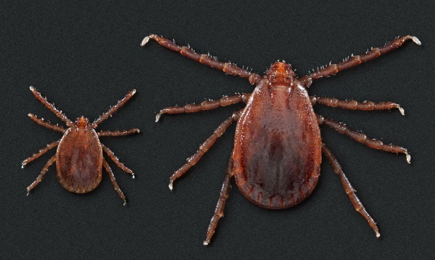
The invasive Asian longhorned tick has been rapidly spreading across Ohio, with the first established population of this species in the state. These ticks have caused the death of three cattle due to severe blood loss. While they currently pose no significant threat to human health, they prefer large livestock and wildlife. Tick-borne illnesses, including Anaplasma phagocytophilum and bovine theileriosis, have been identified in these ticks. The ticks reproduce asexually, leading to exponential population growth. Scientists from The Ohio State University are conducting research to monitor and manage these pests, but they anticipate long-term management challenges.

environment2 years ago

Tick Infestation Spreading Rapidly in Ohio, Posing Bloodthirsty Threat

The invasive Asian longhorned tick has been rapidly spreading across Ohio, with the first established population of this species in the state. These ticks have caused the death of three cattle due to severe blood loss. While they currently pose no significant threat to human health, they prefer large livestock and wildlife. Tick-borne illnesses, including Anaplasma phagocytophilum and bovine theileriosis, have been identified in these ticks. The ticks reproduce asexually, leading to exponential population growth, making them a long-term management problem. Scientists from Ohio State University are conducting research to monitor and manage these pests.