Rising Lyme Disease Cases in Pennsylvania Linked to Forest Development
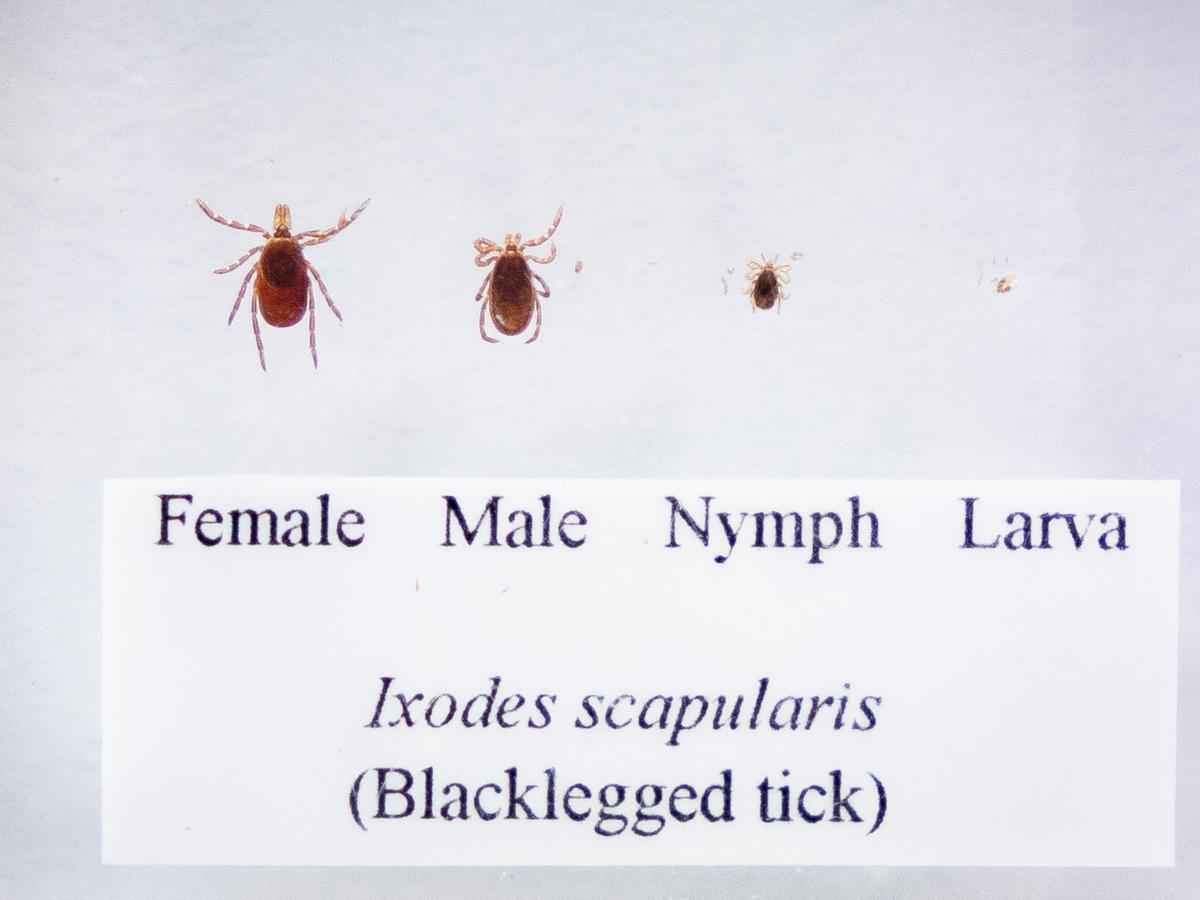
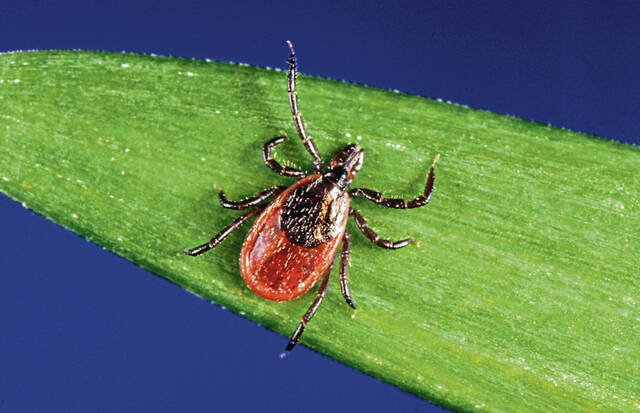
Pennsylvania leads the nation in Lyme disease cases, with the continued development of forested areas increasing the risk of tick bites. Forest fragmentation due to residential and commercial development reduces available hosts for ticks, making them more likely to bite humans. The state's forest land has decreased, with the western and eastern parts experiencing the most loss and accounting for over half of the state's Lyme disease cases. As tick season lengthens due to warmer temperatures, residents are more vulnerable to contracting Lyme disease and other tick-borne illnesses. Experts urge elected leaders to consider the risks of forest fragmentation before approving development projects and recommend designating separate areas for pollinators and recreation to mitigate interactions. State Senator Michele Brooks has proposed enhanced tick surveillance and expanded medical coverage for Lyme disease treatment.