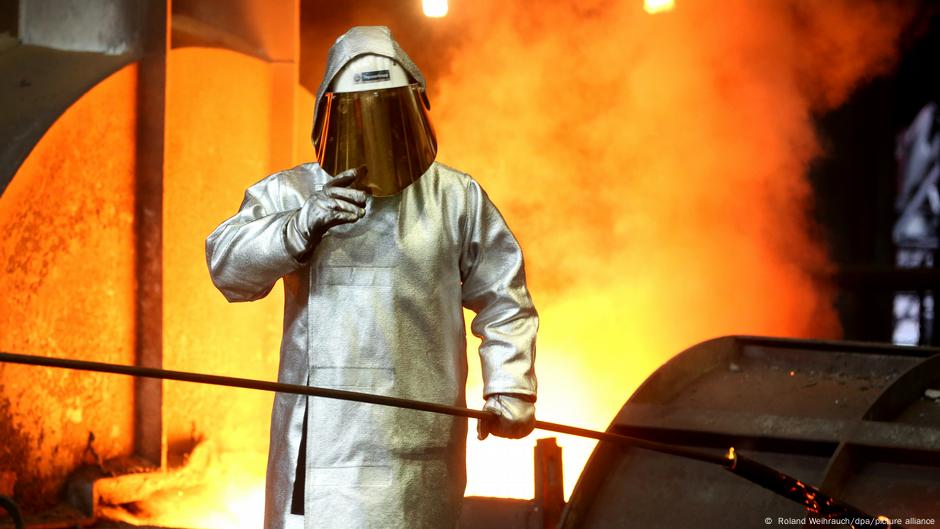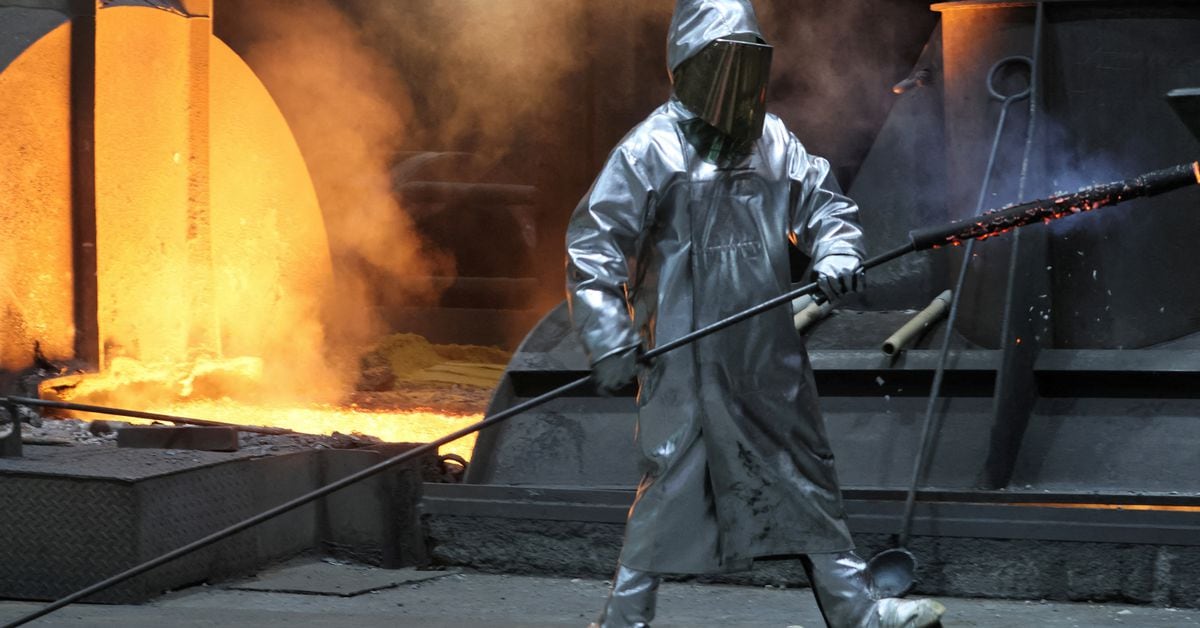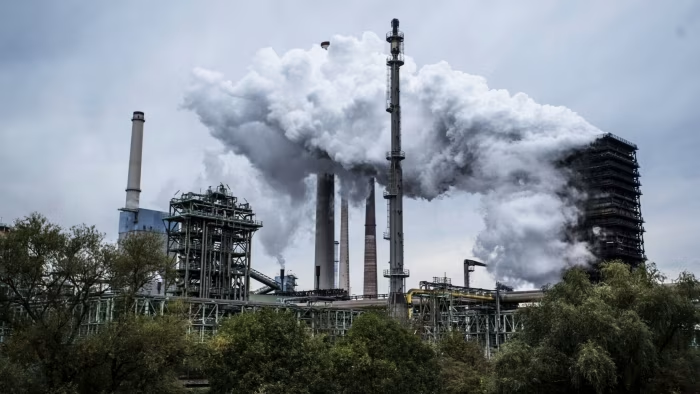
Thyssenkrupp plans to cut 40% of its steel workforce, affecting 5,000 jobs by 2030, due to oversupply in Europe and increased Chinese imports. The company will also close a processing site and reduce production capacity by up to 25%. This move highlights challenges in Germany's industrial sector, exacerbated by declining European car sales and rising Chinese steel exports. Thyssenkrupp's restructuring aims to enhance competitiveness and includes plans for greener steel production, amid ongoing negotiations with EP Corporate Group to increase its stake in the company.
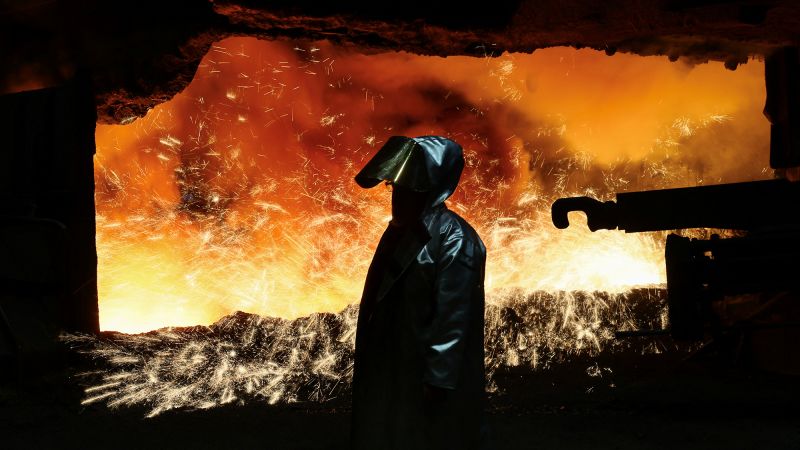
Thyssenkrupp Steel plans to cut 11,000 jobs by 2030, about 40% of its workforce, to improve competitiveness amid global overcapacity and cheap imports, particularly from Asia. This move reflects broader challenges in Germany's industrial sector, including high energy costs and competition from Chinese rivals. The German economy, already shrinking, faces significant transformation needs, with calls for substantial investment in infrastructure and green technologies.
ThyssenKrupp Steel Europe plans to cut 11,000 jobs over six years, reducing its workforce from 27,000 to 16,000, due to increased competition from cheap imports, particularly from Asia. The company aims to enhance productivity and operational efficiency by reducing production capacity and outsourcing jobs. Despite efforts to avoid layoffs, the plan has been criticized by trade union IG Metall as a "catastrophe" for employees. Additionally, ThyssenKrupp intends to spin off its steel division into an independent company, a move opposed by labor leaders.
Thyssenkrupp's shares rose by 7.5% after the company reported a narrowed net loss and a significant impairment charge of 1 billion euros on its Steel Europe division. The firm posted adjusted earnings before interest and taxes of 151 million euros in the fourth quarter, surpassing expectations. Thyssenkrupp is restructuring its steel division and considering selling its Marine Systems business amid ongoing economic challenges in Germany.
Thyssenkrupp has launched the long-awaited IPO of its hydrogen division Nucera, targeting proceeds of up to €600m ($647m) via the sale of new shares. The IPO, which was delayed by weak market conditions after the Ukraine war, is expected to be completed before the summer break. Nucera builds electrolysers to produce green hydrogen, a field in which it competes with Nel, ITM Power, McPhy Energy and Plug Power. The move comes less than two weeks after Thyssenkrupp's new CEO Miguel Lopez took over from Martina Merz, underlining his commitment to steer the German industrial icon into calmer waters and raise its languishing share price.
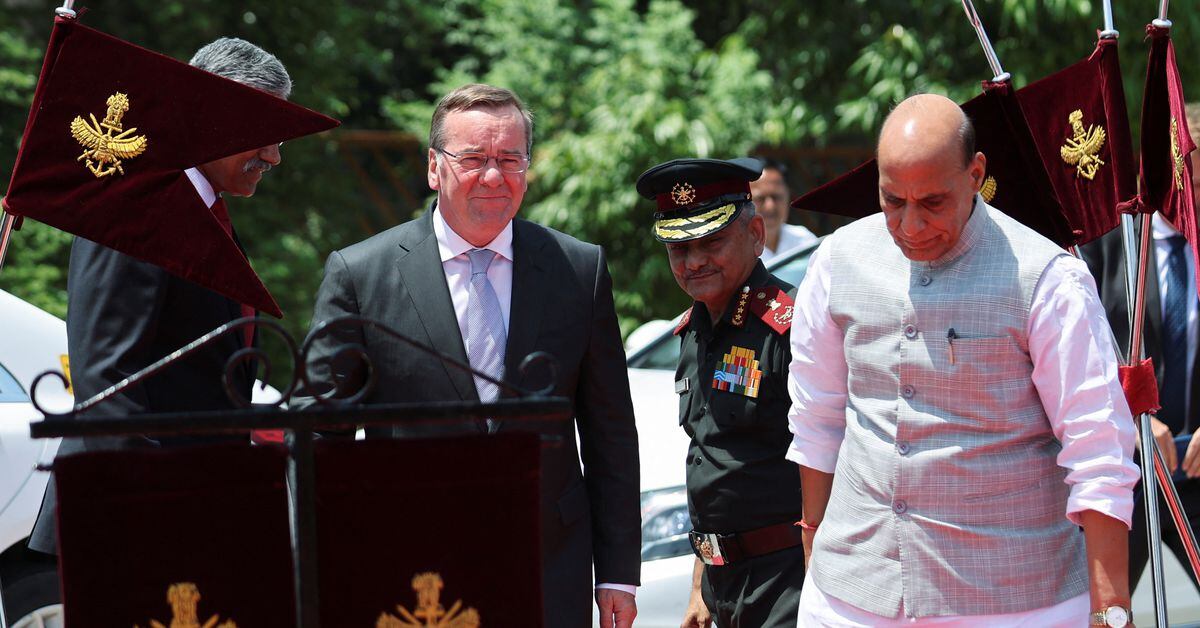
Thyssenkrupp's marine arm is expected to bid for a project to supply six submarines for the Indian Navy, as Germany and India aim to boost their defense manufacturing and counter China's growing presence in the Indian Ocean. The deal is expected to be signed with India's Mazagon Dock Shipbuilders on Wednesday, with the value of the agreement expected to be about 7 billion euros. India approved a budget of $6.8 billion for its navy in March, which has 16 conventional submarines, 11 of them more than two decades old, along with two indigenous nuclear-powered submarines.
Germany plans to provide around €2bn ($2.1bn) to help fund Thyssenkrupp's green steel plant in Duisburg, one of the company's key turnaround projects. The funding commitment includes €700m from the German state of North Rhine-Westphalia. Thyssenkrupp depends on external funds to pay for decarbonising steelmaking, which is one of the most polluting industrial production techniques. The company plans to commission a direct reduction iron plant for the climate-friendly production of 2.5 million tonnes of steel annually, with a production start scheduled for 2026.