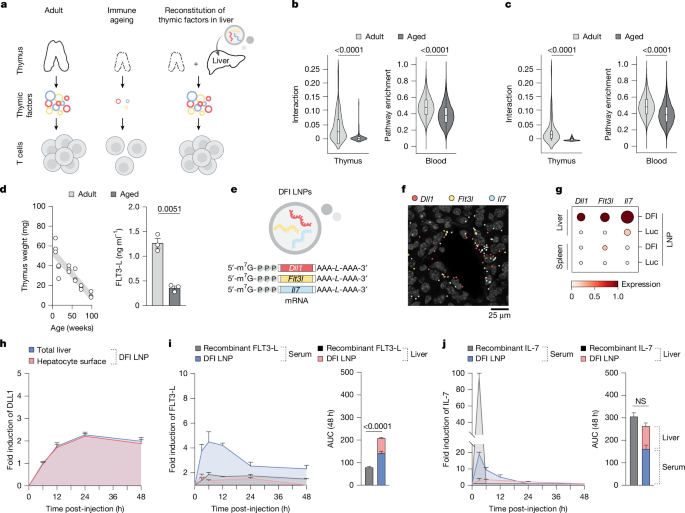
The study presents a novel approach to counteract immune decline in aging by using mRNA delivered to the liver to produce key immune factors (DLL1, FLT3-L, IL-7), which rejuvenates T cell production, enhances vaccine responses, and improves tumor immunotherapy efficacy in aged mice, without adverse effects or autoimmunity.
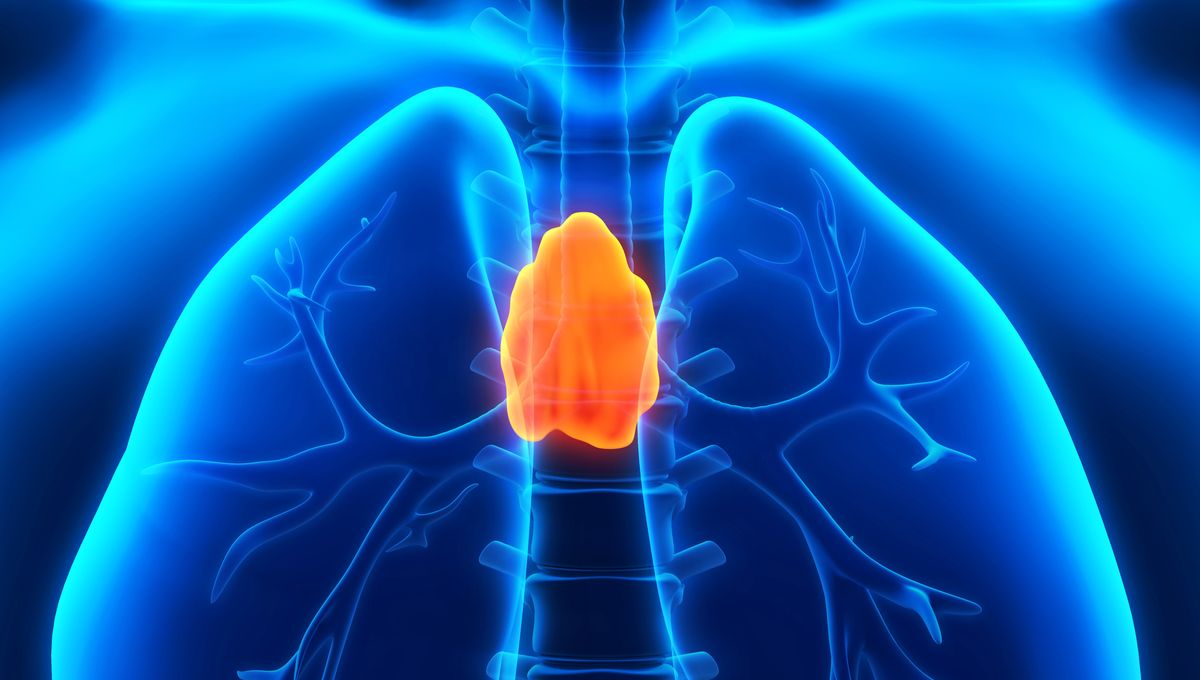
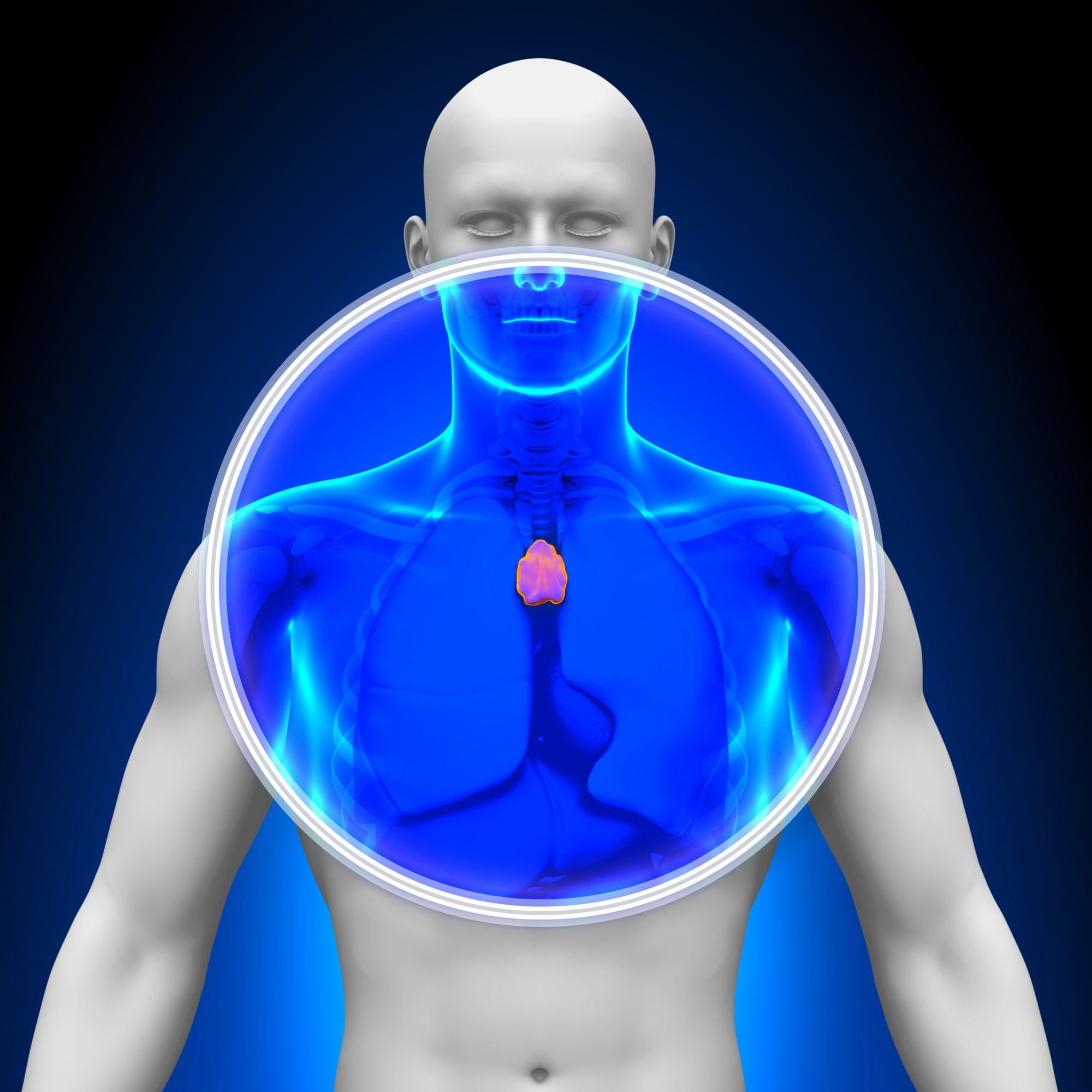
A study suggests that the thymus gland, often considered 'useless' in adulthood, may play a crucial role in fighting cancer and maintaining health. Researchers found that individuals who had their thymus removed faced a higher risk of death and cancer, with the cancer being more aggressive. The study, published in The New England Journal of Medicine, indicates that the thymus contributes to T-cell production in adults, which is vital for a healthy immune system. The findings suggest that preserving the thymus should be prioritized in medical procedures.
Researchers have discovered the presence of Microfold cells, or M cells, in the thymus, a vital organ for immune system development. M cells are typically found in the intestines and play a key role in the body's immune response. The thymic M cells resemble their intestinal counterparts and provide valuable insights into the complex interactions and functions of the thymus. This unexpected discovery sheds light on the organ's role in shaping the immune response and may have implications for understanding immune system development in other parts of the body.
The thymus, an organ previously believed to be non-functional in adults, may actually play a crucial role in our health and cancer prevention as we age, according to recent research. A study found that adults who had undergone thymectomy (removal of the thymus) had a significantly higher risk of dying and developing cancer compared to those who hadn't. The thymus is involved in developing the immune system and producing immune T cells. The findings suggest that the thymus remains functionally important in adulthood and that the consequences of thymectomy should be carefully considered.
New research led by Harvard has revealed the crucial role of the thymus organ in maintaining immune health and preventing cancer in adults. The study found that individuals who had their thymus removed had a significantly higher risk of death from various causes, including a twofold increase in cancer risk. The thymus, previously considered expendable in adults, is now recognized as essential for immune health as we age, particularly in warding off cancer. The study highlights the importance of the thymus in protecting against the development of cancer and maintaining overall health.
A study led by Massachusetts General Hospital reveals that the thymus, previously thought to be nonfunctional in adults, plays a critical role in adult health by preventing cancer and possibly autoimmune disease. The research found that adults who had their thymus removed during surgery had a significantly higher risk of death and developing cancer compared to those who did not undergo thymectomy. The study also showed that thymectomy patients had lower production of new T cells and higher levels of pro-inflammatory molecules in their blood. The findings suggest that the consequences of thymus removal should be carefully considered in medical procedures.