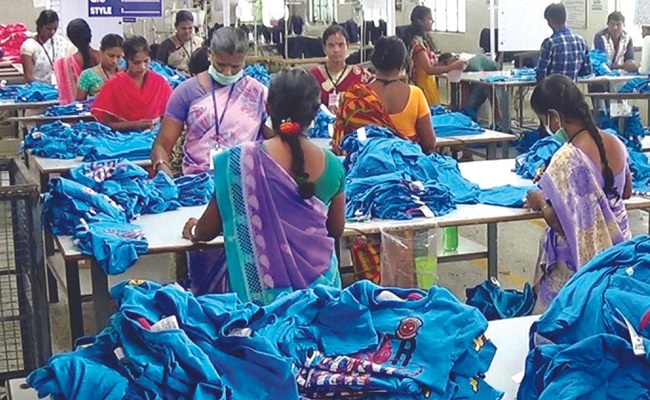
India is experiencing significant economic damage due to the US's 50% tariffs, with exports in textiles and seafood sharply declining, leading to factory closures and job losses, despite government claims of resilience and ongoing trade negotiations.
Prato, Italy's major textile hub, is embroiled in a violent conflict between Chinese mafia groups, turning the city into a battleground and prompting legal authorities to seek additional support to combat organized crime.
The threat of a 50% U.S. tariff on Lesotho's textiles led to factory shutdowns and job losses, severely impacting the country's economy and workers, despite the final tariff being reduced to 15%, illustrating the damaging effects of trade threats on vulnerable nations.
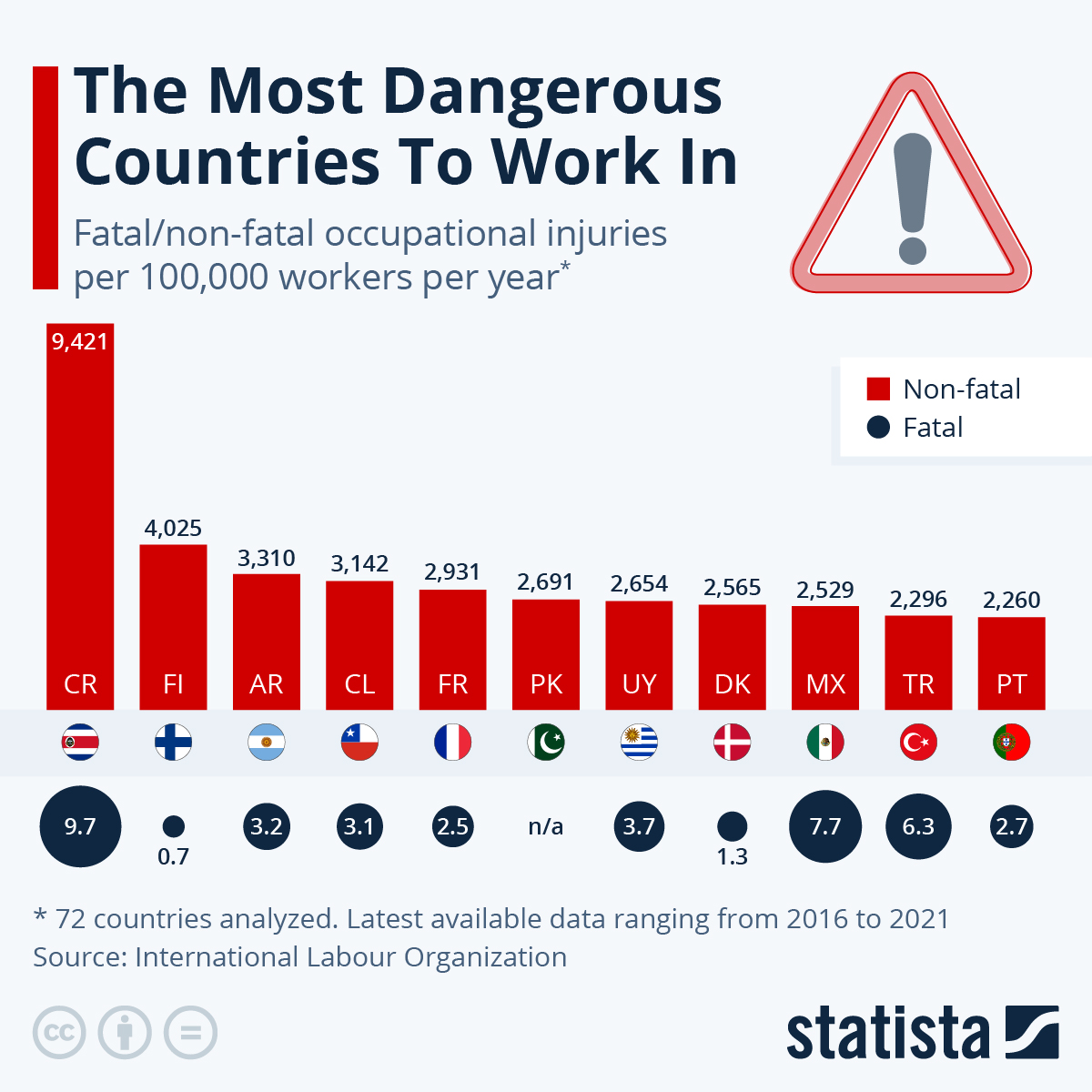
According to data from the International Labor Organization (ILO), Costa Rica has the highest number of work-related injuries with 9,421 non-fatal as well as 9.7 fatal occupational injuries per 100,000 workers in 2016. Nations known for their textile industries like Pakistan and Portugal also make the top list of the countries with the most occupational injuries per 100,00 workers. The focus on industry and manufacturing might be responsible for the high number of fatal occupational injuries.
Researchers at Chalmers University of Technology in Sweden have developed a new biobased material, a form of powder based on cellulose nanocrystals to purify water from pollutants, including textile dyes. The cellulose powder filter absorbs the pollutants, and sunlight entering the treatment system causes them to break down quickly and efficiently. The method will be tested in India, where large amounts of dyes are released into lakes, rivers, and streams every year. The researchers see good opportunities to further increase the degree of purification and use cellulose nanocrystals for the treatment of other water pollutants than dyes.
Researchers at Chalmers University of Technology have developed a new biobased material, a form of powder based on cellulose nanocrystals to purify water from pollutants, including textile dyes. The cellulose powder filter absorbs the pollutants, and the sunlight entering the treatment system causes them to break down quickly and efficiently. Laboratory tests have shown that at least 80 percent of the dye pollutants are removed with the new method and material, and the researchers see good opportunities to further increase the degree of purification. The method will be tested in India, where textile industry wastewater is a widespread problem.