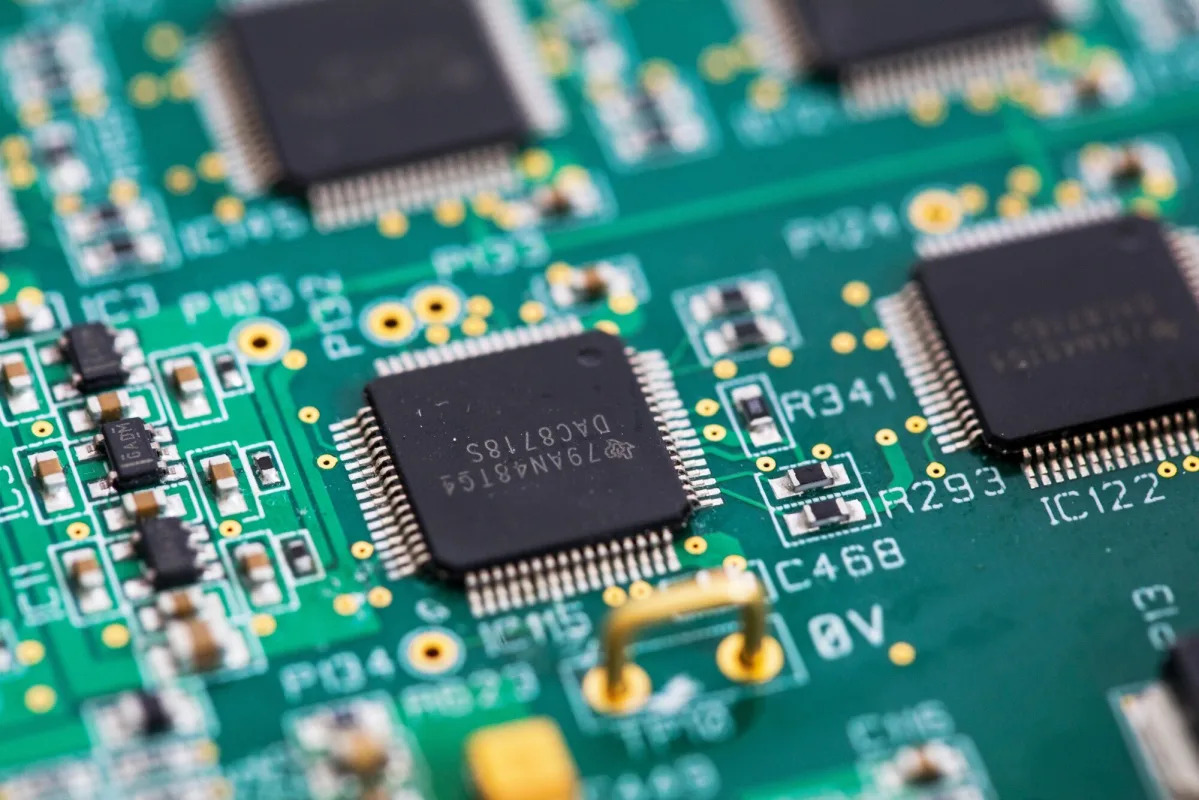
Texas Instruments, a manufacturer of analog chips crucial for AI infrastructure, has underperformed in recent years but is poised to benefit from the AI boom, especially in data centers and automotive industries, making it a potential undervalued investment opportunity.
The article highlights three undervalued dividend stocks—United Parcel Service, Freeport-McMoRan, and Texas Instruments—that present attractive opportunities for passive income investors, despite recent market volatility and sector-specific challenges, due to their strong yields, long-term growth potential, and strategic positioning in their industries.
Texas Instruments' stock dropped over 10% after its Q3 revenue outlook fell below Wall Street estimates, despite strong Q2 results and growth driven by automotive and industrial markets. The company reported better-than-expected Q2 revenue and earnings but guided Q3 revenue slightly below consensus, leading to a significant stock decline.
Texas Instruments' stock (TXN) dropped 12% following the release of disappointing financial guidance, signaling concerns among investors about the company's future performance.
Texas Instruments' strong Q2 results were partly due to tariff pull-ins, but the company issued a cautious Q3 outlook affected by macroeconomic conditions and tariffs, leading to a decline in early market trading.
Texas Instruments beat Q2 earnings but issued a weaker outlook, causing its stock to fall over 7% in after-hours trading despite a recent positive growth trend and a strong Q1 report, reflecting cautious investor sentiment in the semiconductor sector.
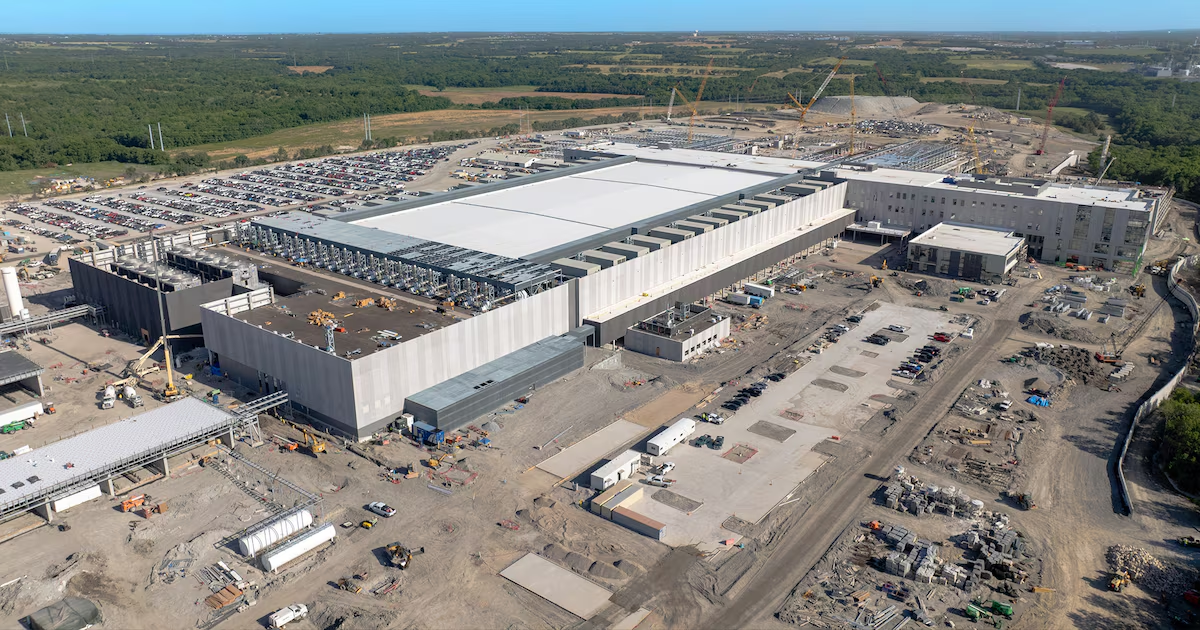
Texas Instruments announced a historic $60 billion investment in US semiconductor manufacturing, including building or expanding seven facilities in Texas and Utah, creating 60,000 jobs, as part of a broader effort encouraged by the US government to boost domestic chip production amidst geopolitical and economic pressures.
Texas Instruments announced plans to invest over $60 billion in U.S. manufacturing, including building or expanding seven chip facilities in Texas and Utah, creating 60,000 jobs, and marking the largest investment in foundational semiconductor manufacturing in U.S. history, as part of a broader industry push to reshore chip production amid political and economic pressures.
Texas Instruments plans to invest over $60 billion in U.S. semiconductor plants, including new factories in Sherman, as part of its strategy to boost domestic manufacturing and competitiveness against Chinese rivals, supported by government grants and incentives under the Chips and Science Act.
Hedge fund Elliott Management has taken a $2.5 billion stake in Texas Instruments, urging the company to adopt a more flexible capital expenditure strategy to improve free cash flow. Elliott's letter suggests that Texas Instruments' current rigid capex plan has significantly reduced free cash flow and negatively impacted shareholder returns. The hedge fund proposes a "dynamic capacity-management strategy" to better align with market demand and enhance financial performance. Texas Instruments is reviewing the letter and remains focused on decisions that benefit all shareholders.
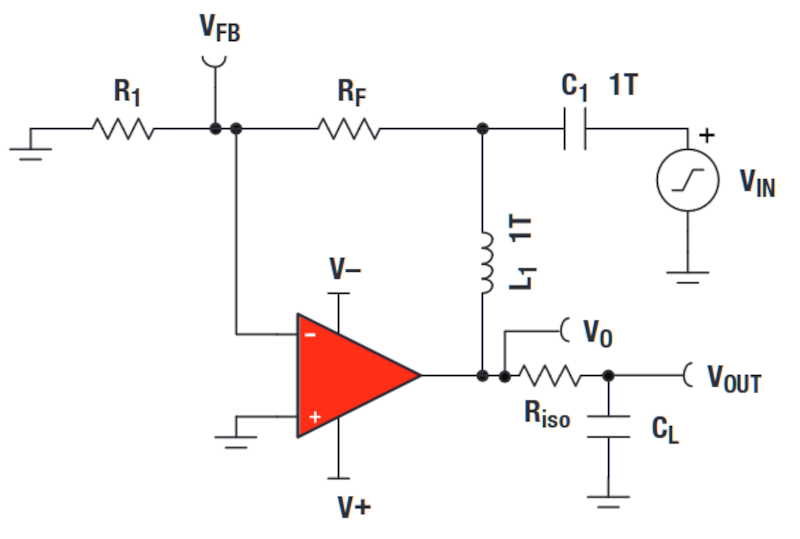
Texas Instruments has released the fifth edition of the "Analog Engineer’s Pocket Reference," a nearly 200-page book covering various topics such as unit conversion, color codes, amplifier noise calculations, and more. Despite the need to create a TI account to download, the book offers valuable information that is not solely TI-specific and is available in a convenient PDF format. It includes obscure data and resources of general interest, making it a useful tool for analog engineers.
The Nasdaq 100 index, known for its tech-heavy composition, includes undervalued stocks such as PayPal Holdings (PYPL), The Trade Desk (TTD), and Texas Instruments (TXN). Despite strong financial results, PayPal's weak forward guidance led to a stock price drop, while The Trade Desk's revenue guidance fell short of expectations. Texas Instruments faces challenges in the semiconductor market but offers a low valuation and a strong dividend yield.
Texas Instruments Inc. shares dropped after the chipmaker issued a disappointing quarterly forecast, reflecting a continued decline in demand for industrial and automotive electronic components. The company's first-quarter sales are projected to be lower than analyst estimates, signaling a prolonged slump in key sectors. While Texas Instruments is the largest maker of analog semiconductors, it faces challenges in profitability due to its ambitious plan to upgrade factories. Despite the downturn, the company remains committed to its long-term strategy and is confident about semiconductor content growth in auto and industrial sectors.
CNBC's Jim Cramer provided his insights on several stocks during his Lightning Round segment. He recommended buying Merck, stating that the company is performing well. Cramer suggested holding onto Texas Instruments, but cautioned that the company's industrial sector is struggling. He also advised buying Vertiv and Algonquin Power & Utilities, while expressing disappointment in Corning's recent quarter.
Jim Cramer highlights the top 10 things to watch in the stock market on Wednesday. Microsoft's quarterly earnings release impresses with strong performance across divisions, potentially taking market share from Alphabet. Alphabet's underwhelming quarter raises concerns about its cloud business and lackluster analysis of its NFL Sunday Ticket. Texas Instruments' post-earnings discussion reveals contempt for analysts and disappointing performance in the industrial business. Visa's stock decline despite positive metrics raises questions. Snap receives an embarrassing amount of attention despite being a finished company. Geopolitical risks mount as the US draws lines in the sand with Iran and China. The fate of Nvidia chips meant for China may benefit AMD and Intel. Gold's potential breakout could benefit Barrick. Otis Worldwide reports strong numbers driven by record margins and Chinese service business. The Federal Reserve's efforts to combat inflation show signs of success with falling used car sales and spiking housing cancellations.