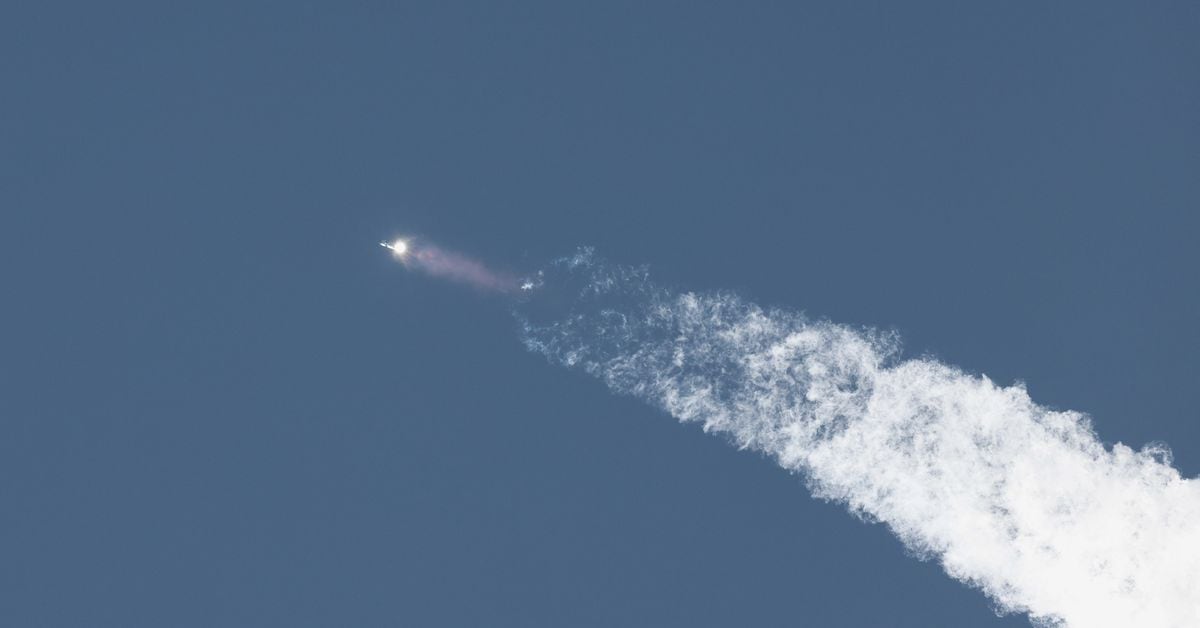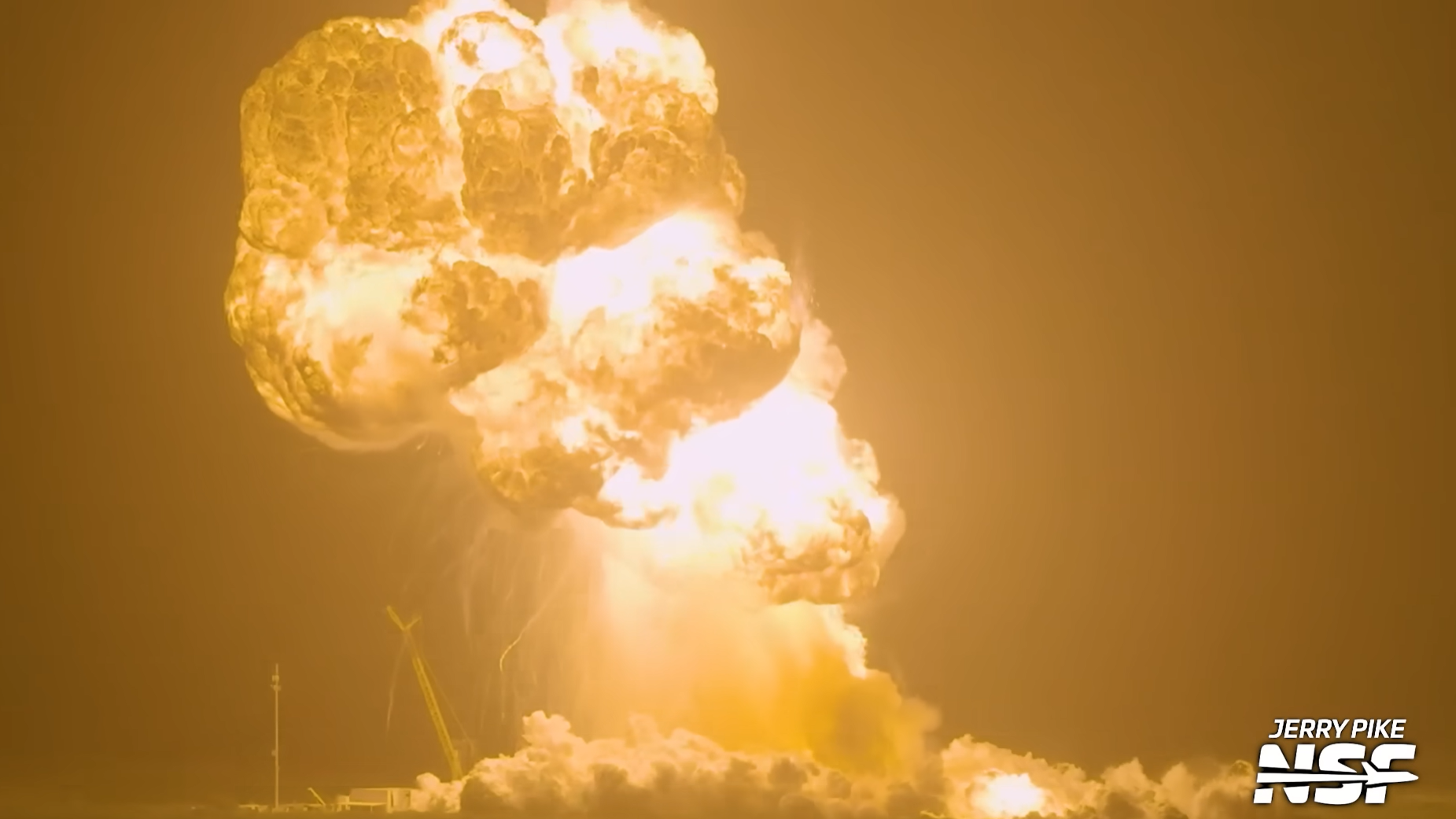
SpaceX's Starship exploded during a routine test at its Texas launch site, marking another setback in its development. The incident was caused by a major anomaly, but no injuries occurred, and investigations are ongoing. Despite these failures, SpaceX continues to pursue ambitious plans for the rocket, including lunar and Mars missions, supported by significant NASA contracts.
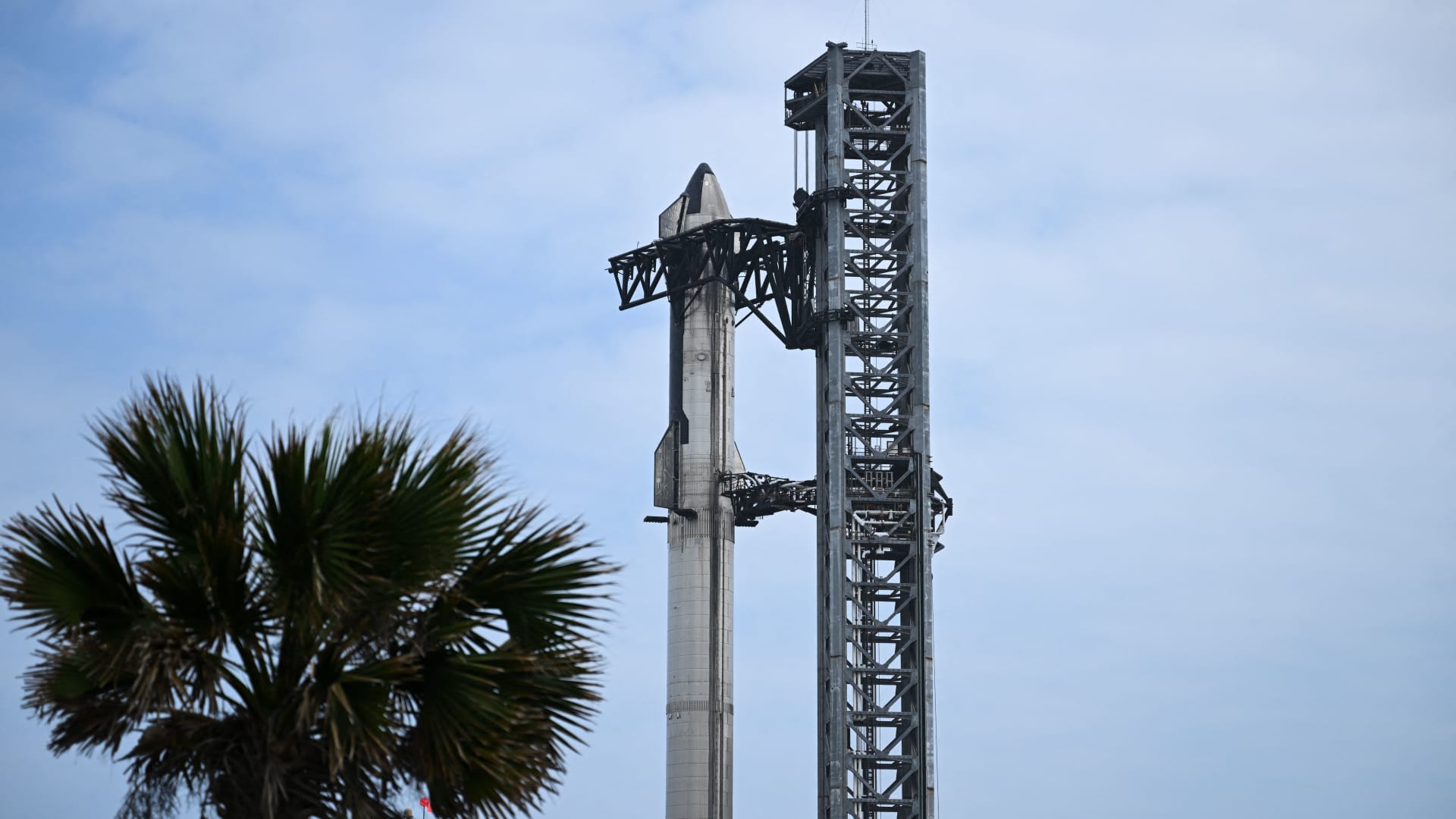
A SpaceX Starship rocket exploded during a routine test at the Texas Starbase, with no injuries reported. The incident raises concerns about the rocket's reliability, which is crucial for upcoming NASA Artemis missions and Musk's Mars colonization plans. An investigation is underway to determine the cause of the failure.
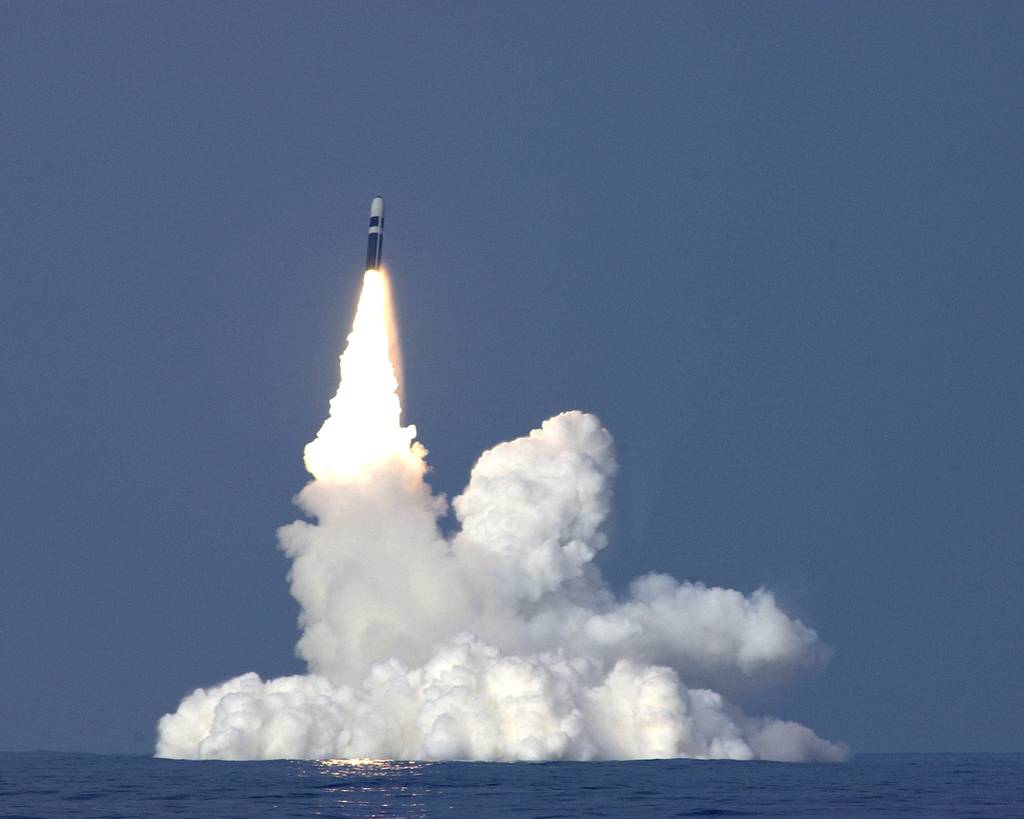
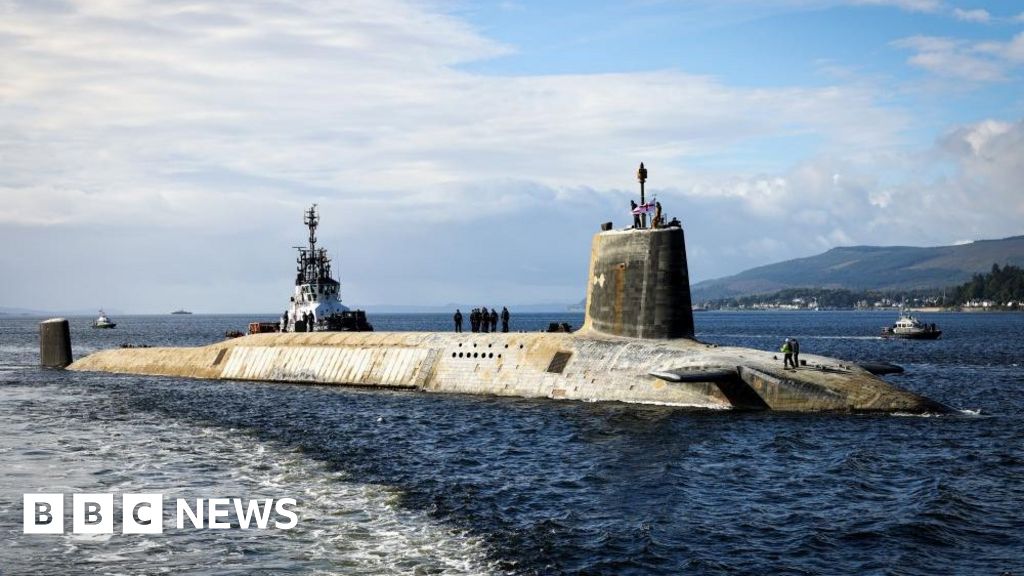
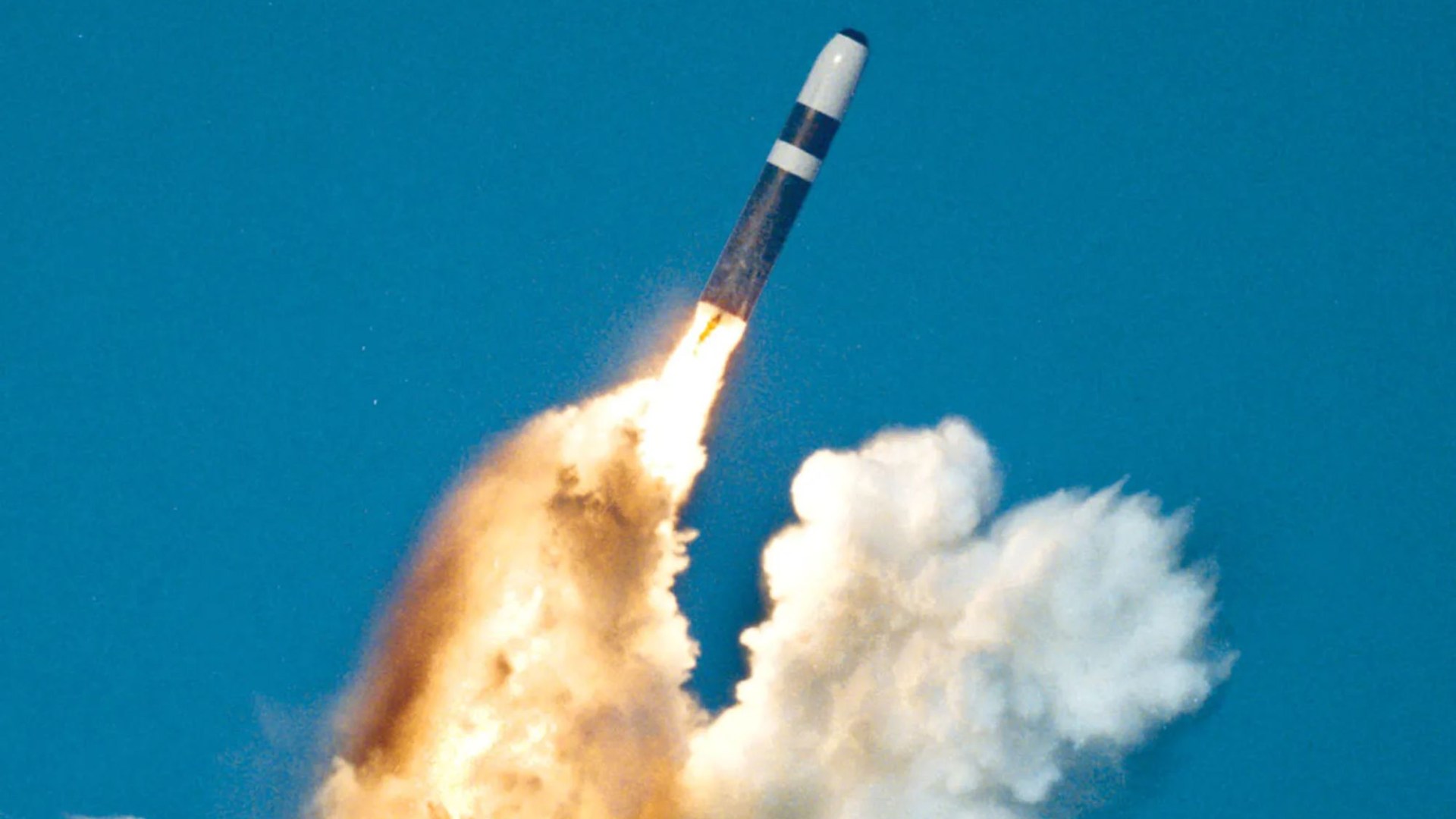
A test-firing of a Trident II D5 nuclear missile from the British submarine HMS Vanguard failed last month, with Defense Secretary Grant Shapps and other top officials on board. This marks the second Trident test failure for the Royal Navy, with the previous incident occurring in 2016. Despite the misfire, Shapps assured lawmakers that there are no implications for the reliability of the wider Trident missile systems and stockpiles, and that the UK's deterrent remains effective. The US Navy, which also operates the Trident D5, has not experienced similar issues.
The test firing of a Trident missile from a Royal Navy submarine has failed for the second time in a row, with the latest test from HMS Vanguard witnessing the missile's booster rockets failing and landing in the sea close to the launch site. The UK Ministry of Defence insists that the nuclear deterrent remains safe, secure, and effective, but the failure is highly embarrassing for both the UK and the US manufacturer of the Trident missile. The Labour Party has called for assurances over the effectiveness of the nuclear deterrent, while the Campaign for Nuclear Disarmament described it as an expensive failure following a reported £500m refit.
A Trident missile misfired and crashed into the ocean near the British nuclear submarine HMS Vanguard during a test off Florida, marking the second failed launch since 2016. Despite the setback, officials maintain confidence in the UK's nuclear deterrent, emphasizing that the misfire was "event specific" and does not impact the reliability of the wider Trident missile systems. The Ministry of Defence has launched an investigation into the incident, while Labour has expressed concern and called for a statement in Parliament from the Defence Secretary.
SpaceX's Starship spacecraft, designed for lunar missions, experienced a test failure shortly after liftoff, marking its second unsuccessful attempt. The rocket's Super Heavy first stage booster exploded over the Gulf of Mexico, while the core Starship stage lost contact with mission control. The U.S. Federal Aviation Administration confirmed the mishap and will oversee an investigation into the failure. Despite setbacks, SpaceX's risk-tolerant culture and commitment to rapid testing and improvement remain intact. The company's next steps will depend on the FAA's review and the extent of the technical failures. NASA, SpaceX's primary customer, is relying on the success of Starship for its Artemis program, which aims to land humans on the moon.
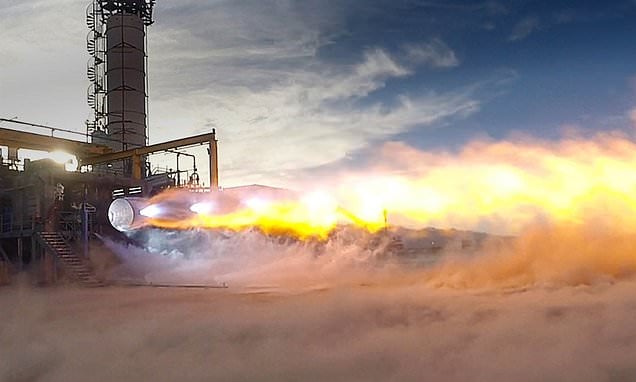
Blue Origin, the private space company owned by Jeff Bezos, suffered a setback when one of its BE-4 rocket engines exploded during a routine test, causing severe damage to the test stand infrastructure. The explosion occurred just 10 seconds into the test and comes less than a year after Blue Origin's New Shepard rocket failed in mid-air. The incident, which was confirmed by Blue Origin, could further delay the launch of United Launch Alliance's Vulcan rocket, for which the BE-4 engines were intended. No personnel were injured in the explosion.