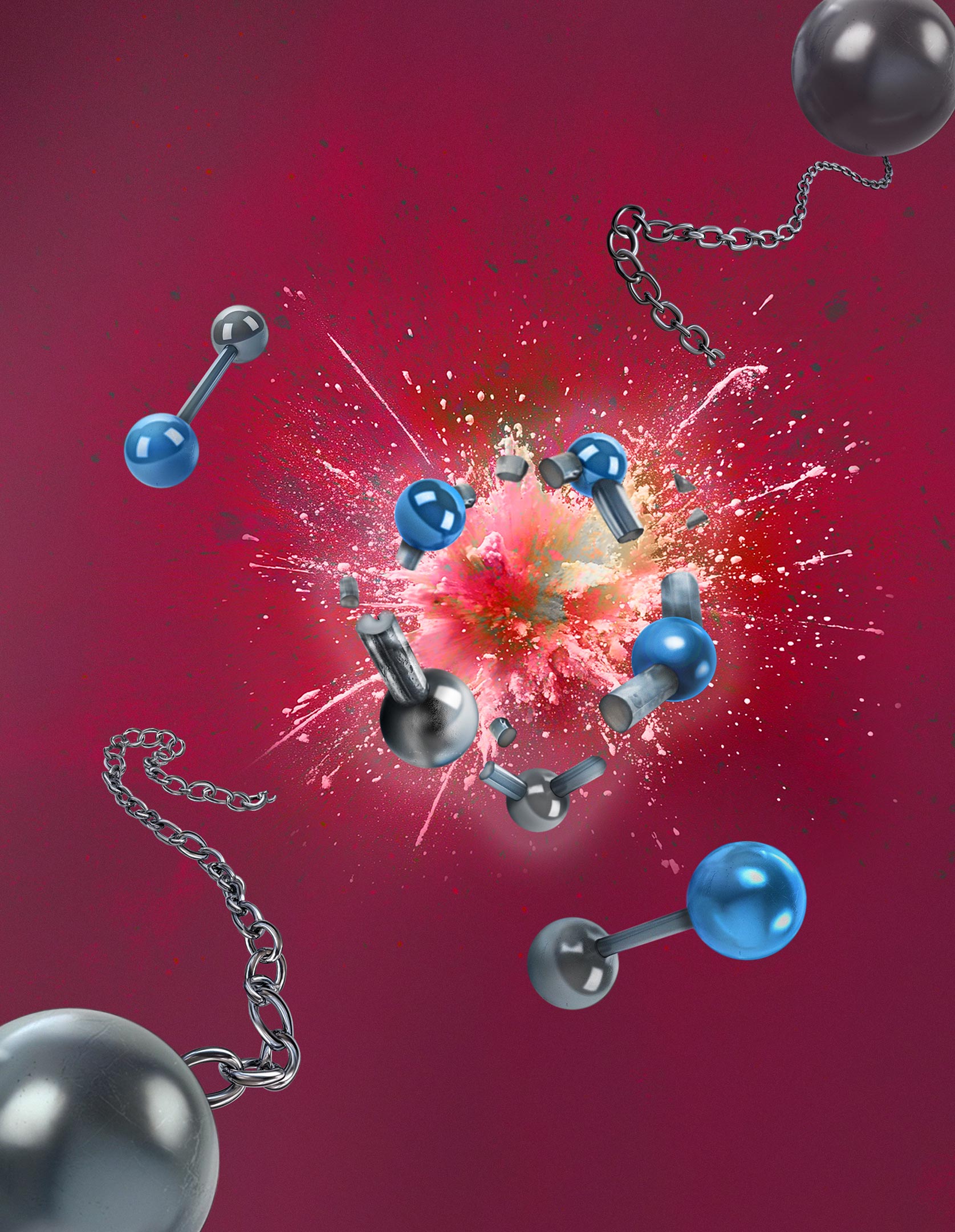
Scientists at the Technion have developed triazenolysis, a novel chemical process that converts alkenes into multifunctional amines, offering significant advancements in polymer, pharmaceutical, and agricultural production. Unlike the traditional ozonolysis, which forms carbon-oxygen bonds, triazenolysis efficiently creates carbon-nitrogen bonds, enhancing its applicability across various fields. This breakthrough, detailed in Nature Chemistry, was achieved by a team led by Prof. Mark Gandelman and supported by the Israel Science Foundation.
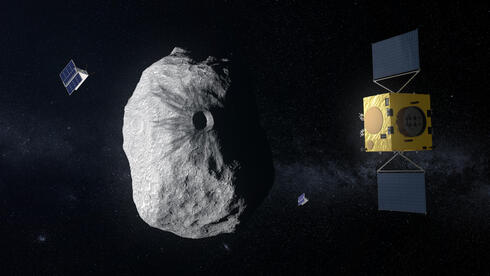
Israeli researchers from the Technion are contributing to the international effort to divert asteroids from potential collision courses with Earth. They are part of the HERA mission, conducting collision simulations and developing a new compression curve to enhance accuracy. Their work aims to support the exploration of small bodies in the solar system and address questions about the early formation of the solar system, the presence of water, and the potential commercial impact of asteroids and comets.
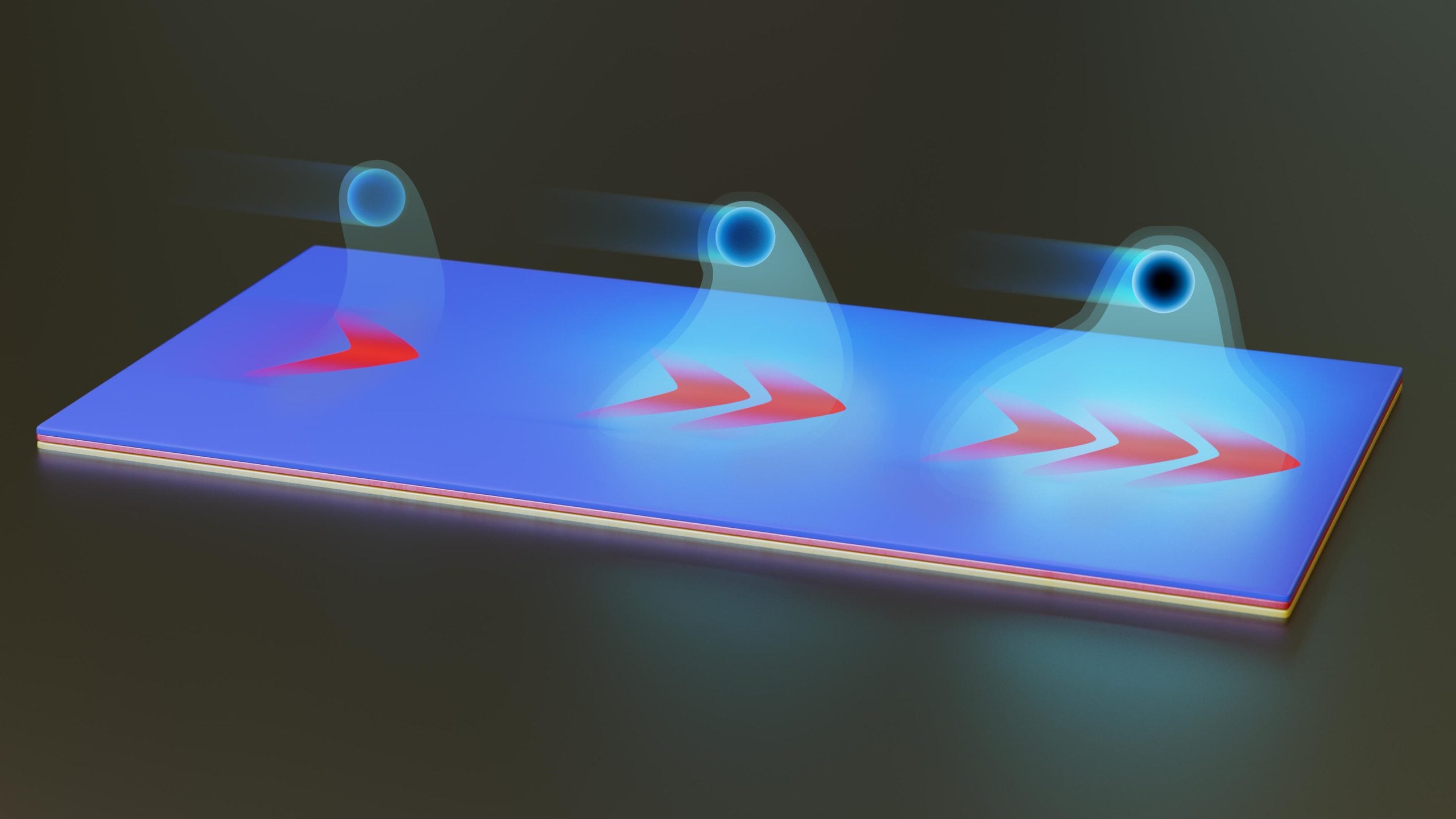
Researchers from Technion have presented the first-ever experimental observation of Cherenkov radiation confined within a two-dimensional space, revealing the quantum properties of the radiation. The low dimensionality of the effect permitted a glimpse into the quantum nature of the process of radiation emission from free electrons, and the entanglement of the electrons with the light waves they emit. The study links this phenomenon to potential future applications in photonic quantum computing and free-electron quantum light sources.