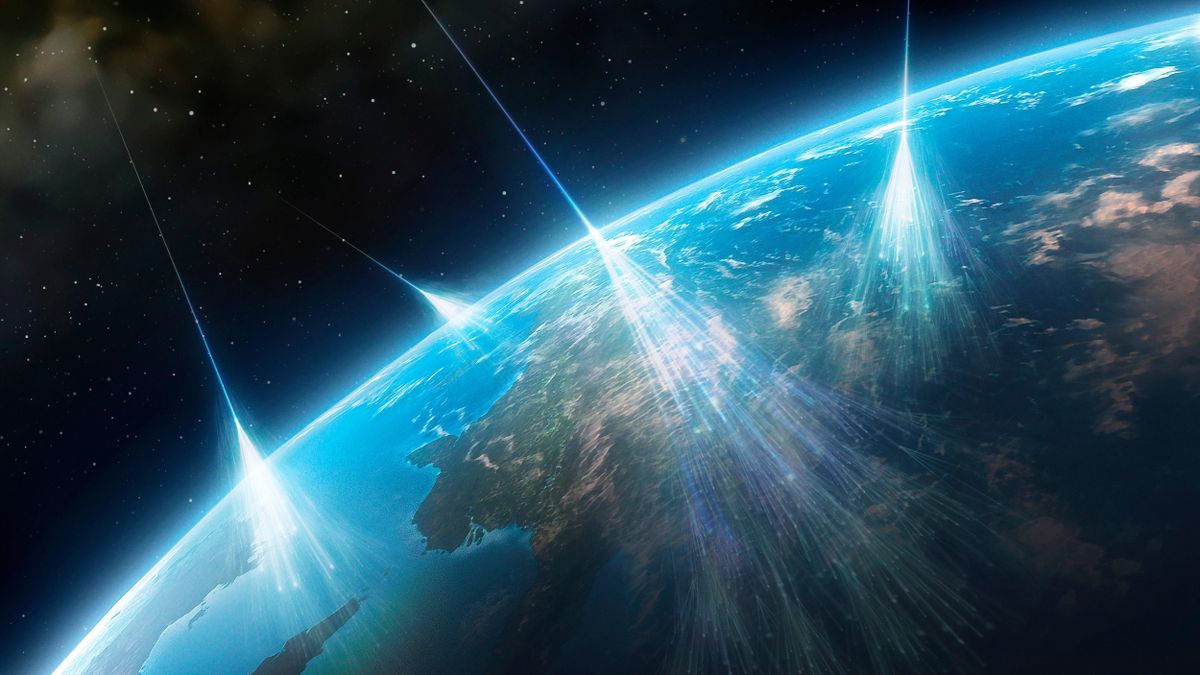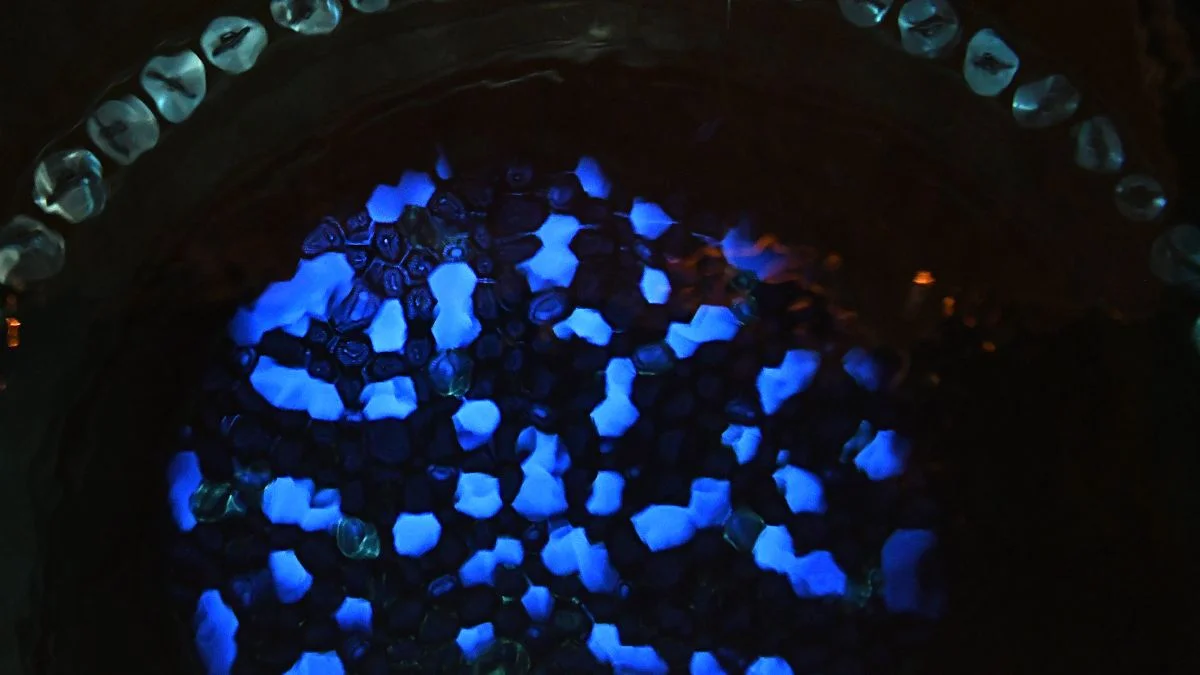
The H.E.S.S. Observatory in Namibia has detected the most powerful cosmic-ray electrons and positrons ever observed, with energies up to 40 teraelectronvolts. These particles, known as cosmic ray electrons (CRe), likely originate from a few sources within a few thousand light-years of our Solar System. The detection of these high-energy particles, which create Cherenkov radiation when they hit Earth's atmosphere, provides new insights into their origins, possibly linked to supernova remnants or pulsars. The findings, published in Physical Review Letters, advance our understanding of cosmic rays and their sources.
Scientists have detected the most powerful cosmic rays ever, with energies up to 40 teraelectronvolts, using the HESS observatory in Namibia. These rays, consisting of electrons and positrons, likely originate from sources within a few thousand light-years of Earth, as they lose energy while traveling through space. The exact sources remain unknown, but the findings, published in Physical Review Letters, provide crucial data on cosmic rays in an unexplored energy range, impacting our understanding of the local cosmic neighborhood.
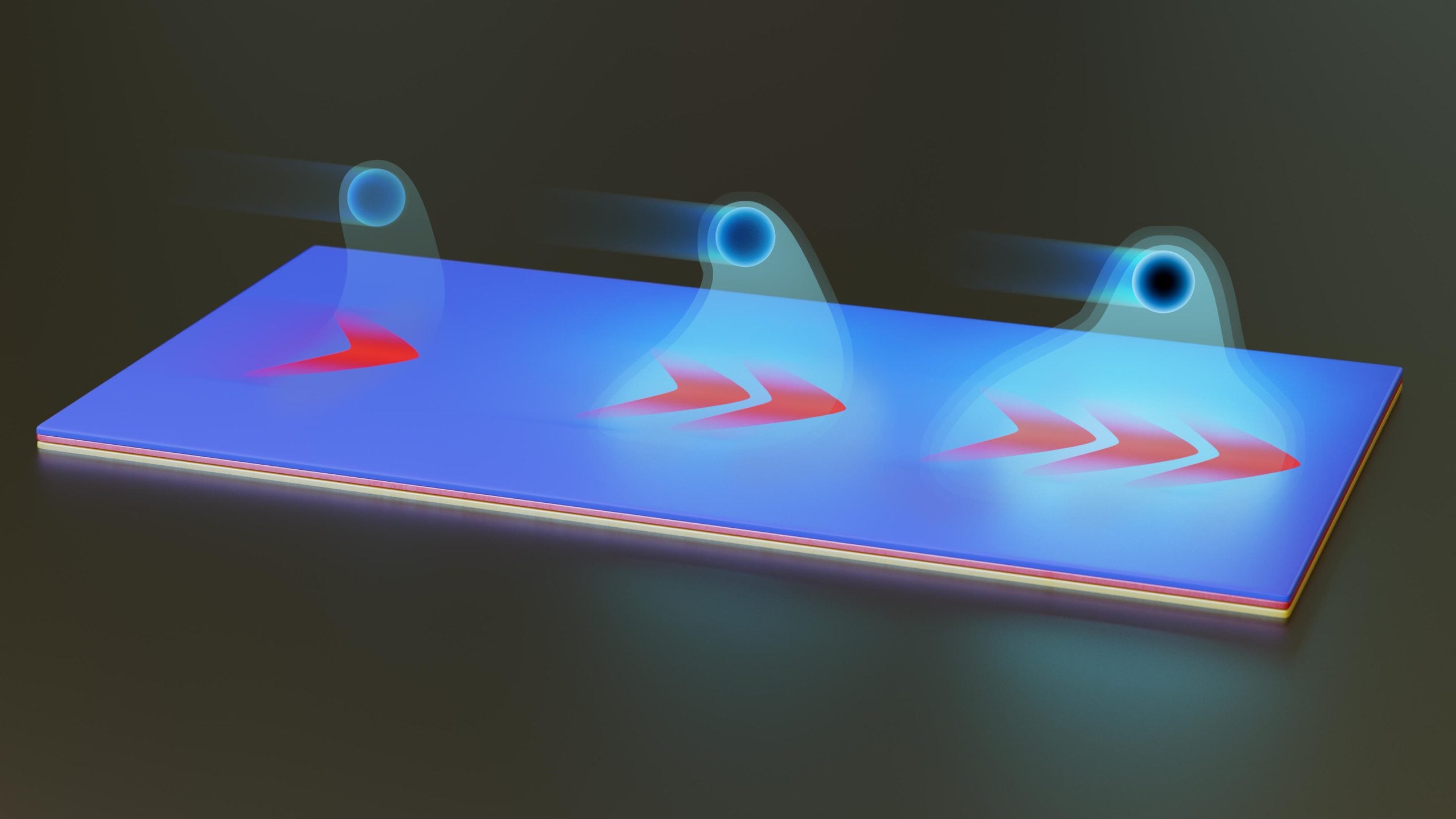
Researchers from Technion have presented the first-ever experimental observation of Cherenkov radiation confined within a two-dimensional space, revealing the quantum properties of the radiation. The low dimensionality of the effect permitted a glimpse into the quantum nature of the process of radiation emission from free electrons, and the entanglement of the electrons with the light waves they emit. The study links this phenomenon to potential future applications in photonic quantum computing and free-electron quantum light sources.