Meta, TikTok and YouTube are facing a landmark lawsuit alleging their platforms employ design features that addict young users, a case that could influence future regulation and how the tech industry weighs user well-being against engagement.
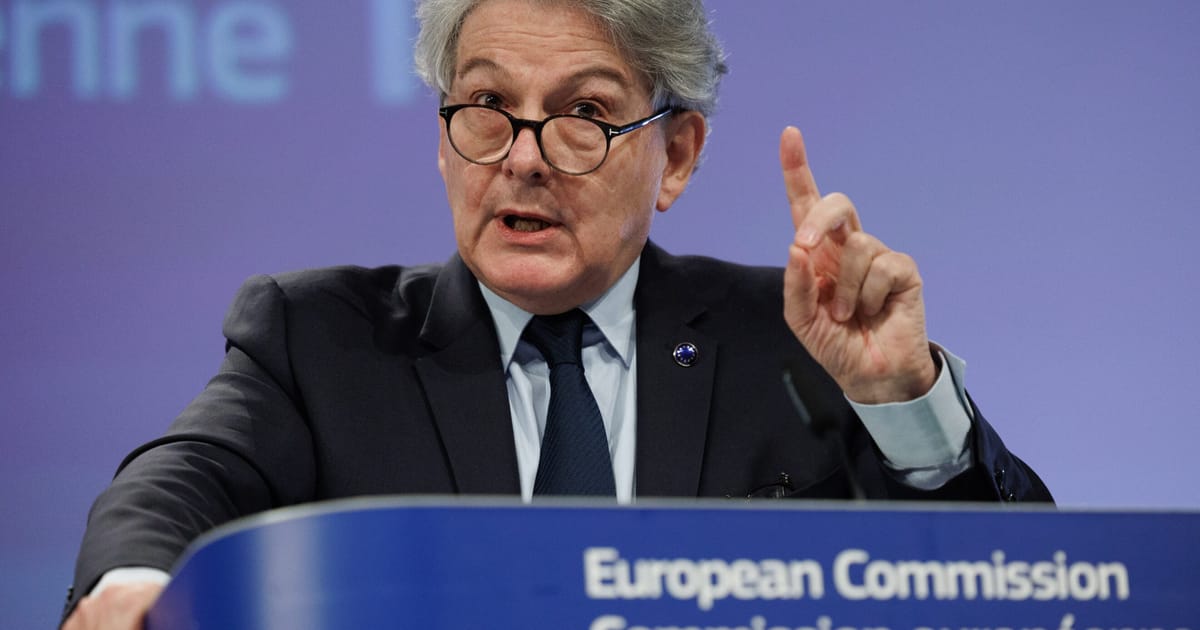
The US has imposed sanctions on former EU Commissioner Thierry Breton and four Europeans involved in efforts to curb online hate speech, citing concerns over digital censorship and opposing European regulations on online platforms. The move has sparked diplomatic tensions, with the EU defending its digital laws and criticizing the US sanctions as an attack on European sovereignty.
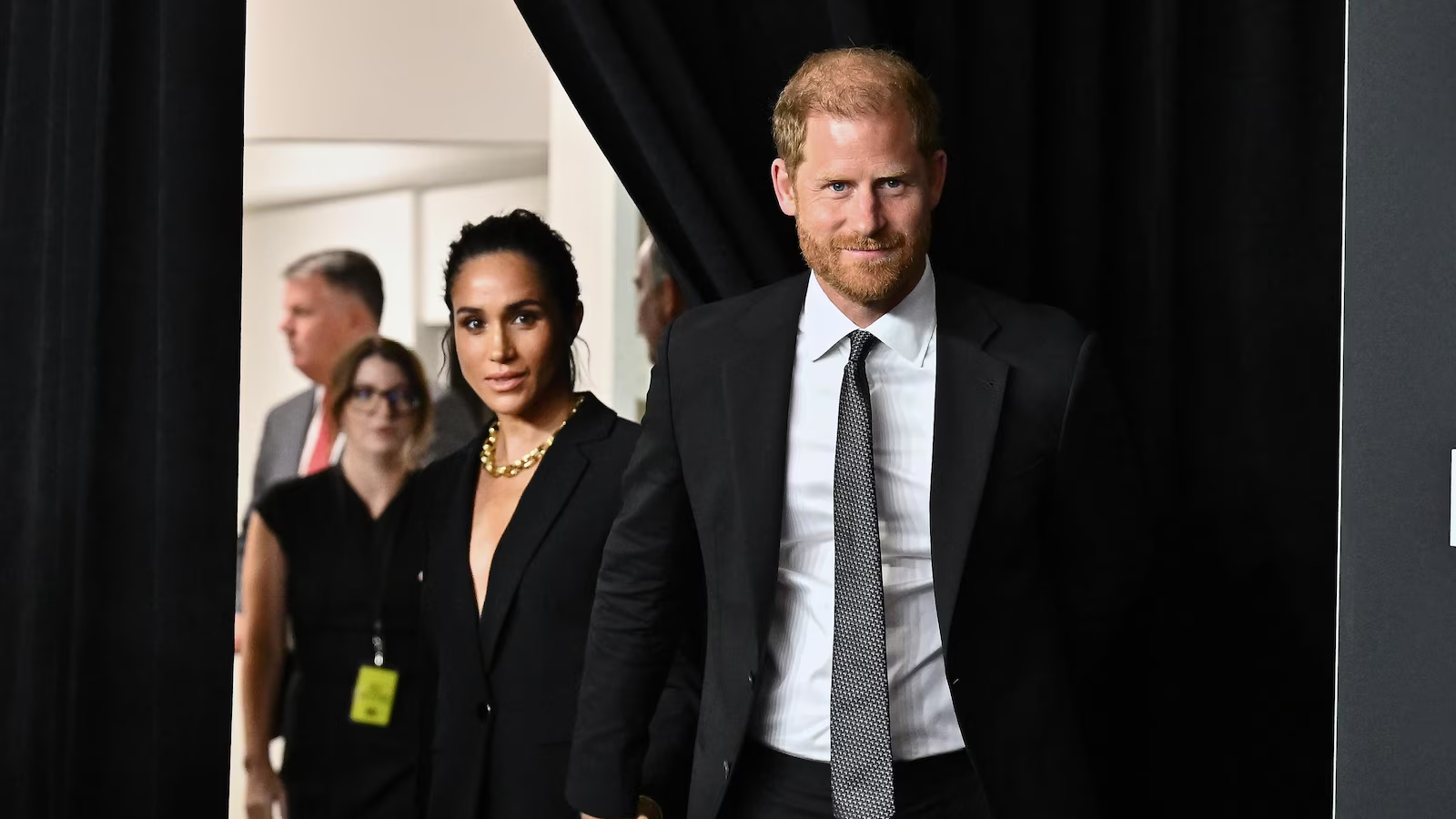
Prince Harry and Meghan Markle have joined a diverse group of public figures in calling for a ban on the development of AI superintelligence, citing risks to humanity and emphasizing the need for safety measures and broad consensus before advancing such technology.
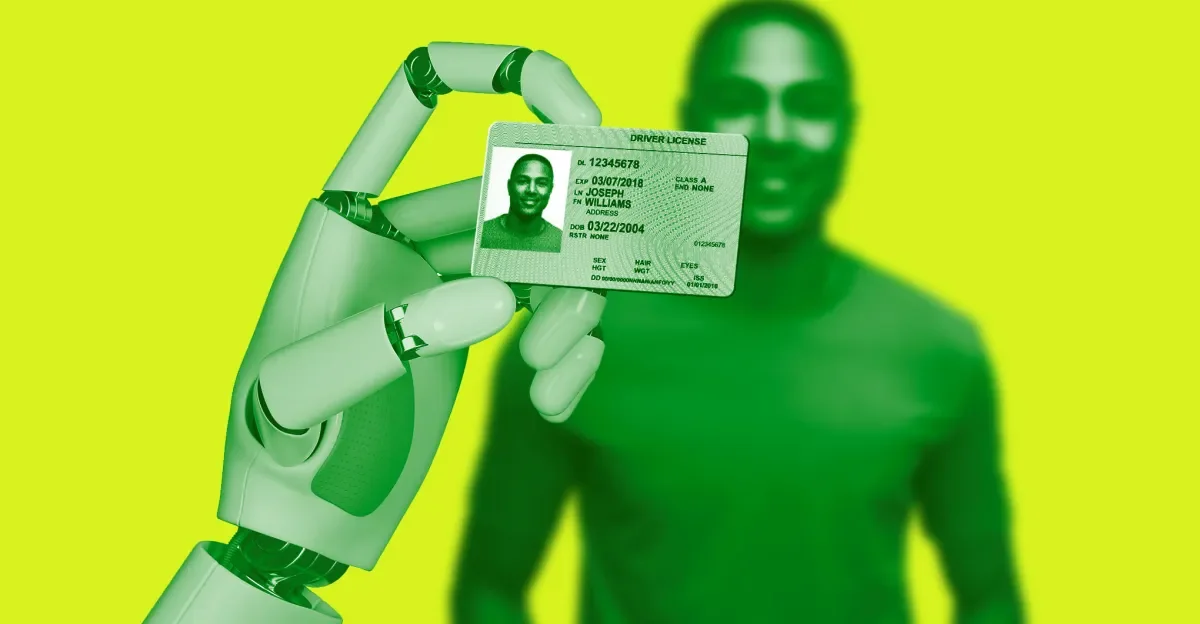
California has enacted the Digital Age Assurance Act (AB 1043), requiring device OS and app stores to verify users' ages during setup, with enforcement starting in 2027. The law aims to protect children from unregulated tech harms, with penalties for violations, and has garnered support from major companies like Google and Meta, though Apple opposes it. The law emphasizes responsible tech development and does not require parental consent or government ID uploads, but faces some industry resistance.
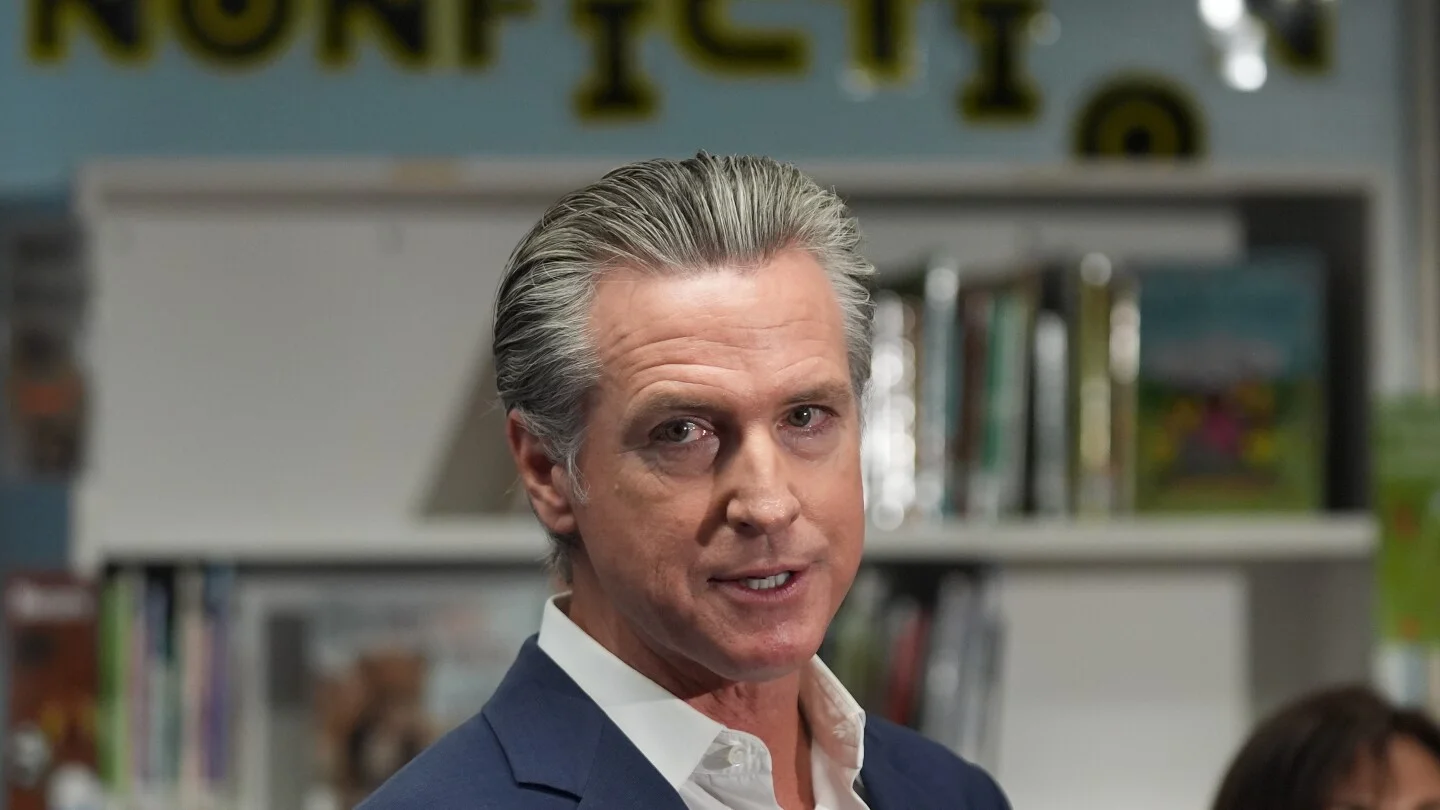
California Governor Gavin Newsom signed a law regulating AI chatbots to protect minors, requiring clear user notifications and protocols to prevent harm, amid concerns over risky interactions and industry lobbying against stricter measures.
US President Trump threatened retaliation after the EU fined Google €2.95 billion for abusing its dominant position in advertising technology, calling the fine unfair and considering Section 301 tariffs. The EU's investigation found Google favored its own ad services, and this is the fourth major fine against Google by Brussels. Google plans to appeal, while EU officials consider structural remedies like selling parts of its adtech business to curb its monopoly. The case highlights ongoing tensions between the US and EU over tech regulation and antitrust issues.
Beijing is scrutinizing Chinese tech giants like Alibaba and ByteDance over their purchases of Nvidia’s H20 AI chips, demanding explanations for their use and promoting domestic alternatives amid geopolitical tensions and security concerns, which complicates Nvidia’s business in China and impacts its market share.
Twenty-five years after its launch, Napster's reunion highlights its revolutionary impact on the music industry and its role in changing tech company rules, despite its brief existence and legal challenges during the dot-com era.
Apple has issued a detailed, paragraph-by-paragraph rebuttal to the DOJ's antitrust lawsuit, defending its App Store policies and ecosystem, and arguing that the accusations are unfounded, moot, or based on misunderstandings. The company emphasizes its commitment to consumer privacy, security, and innovation, while denying claims of monopolistic behavior and asserting that its practices are legitimate and legally justified.
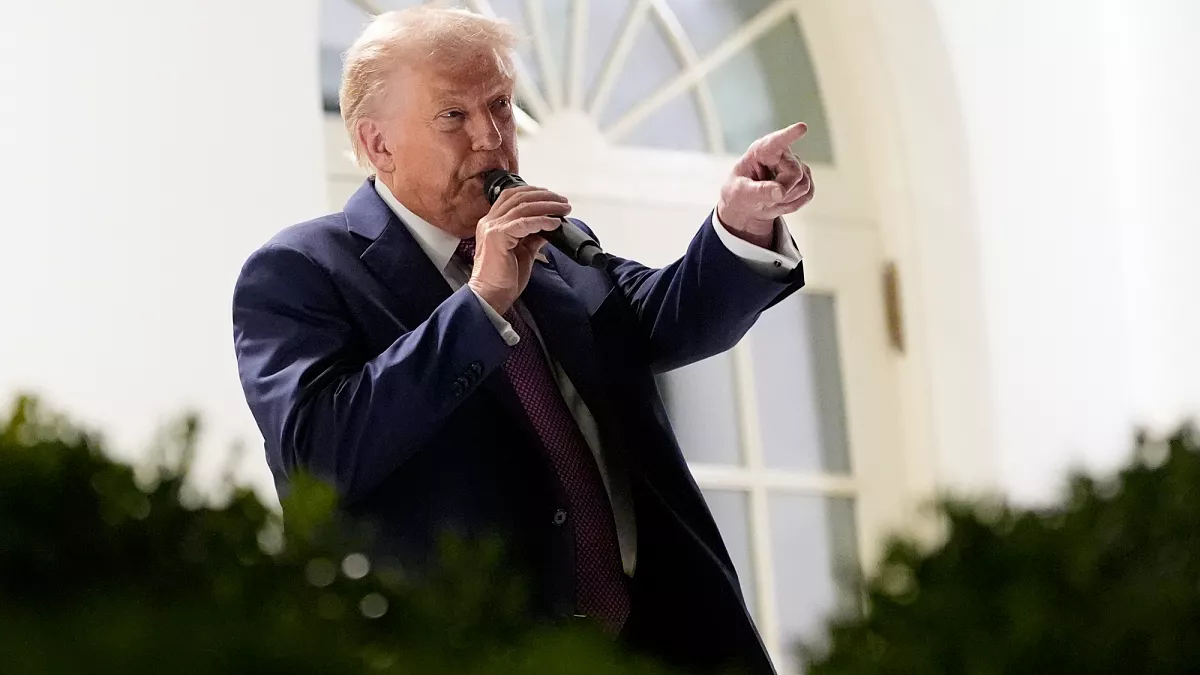
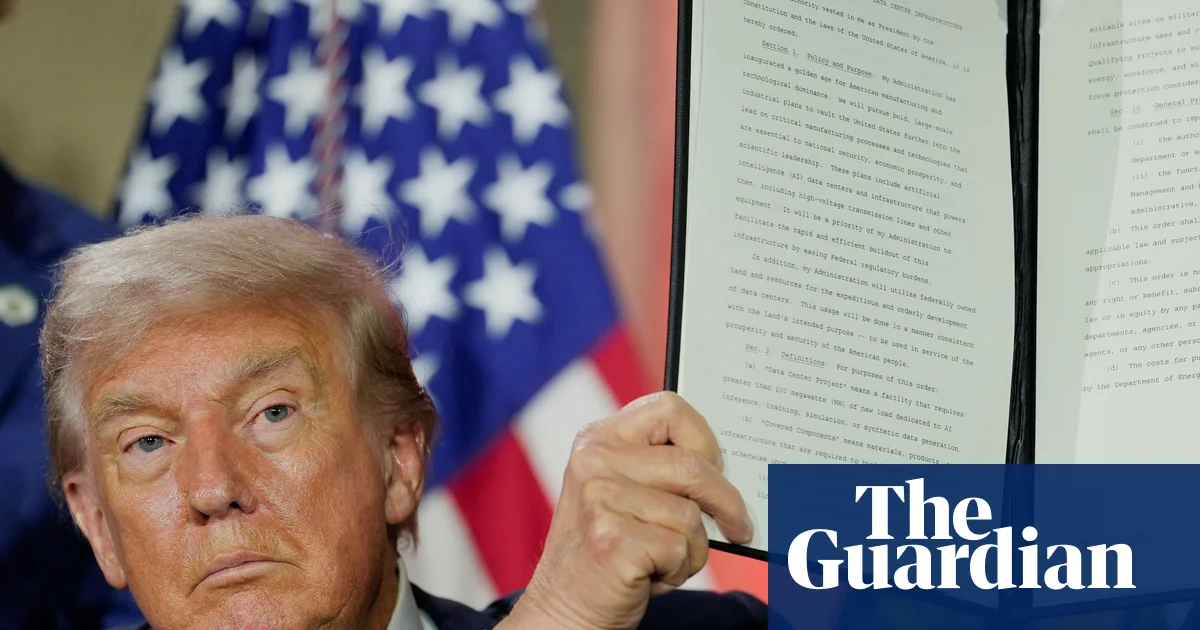
Donald Trump hosted an AI summit promoting a plan to deregulate AI development, favoring tech companies and industry interests, with significant lobbying and political support from major tech firms, while facing opposition from civil rights and labor groups.
Meta has decided not to sign the EU's voluntary AI guidelines, citing concerns that the regulations could hinder the development and deployment of advanced AI models in Europe, contrasting with other companies like OpenAI that plan to sign. The EU's AI Act aims to regulate general-purpose AI models, but Meta fears it may introduce legal uncertainties and stifle innovation, especially as the regulations are set to take effect soon.
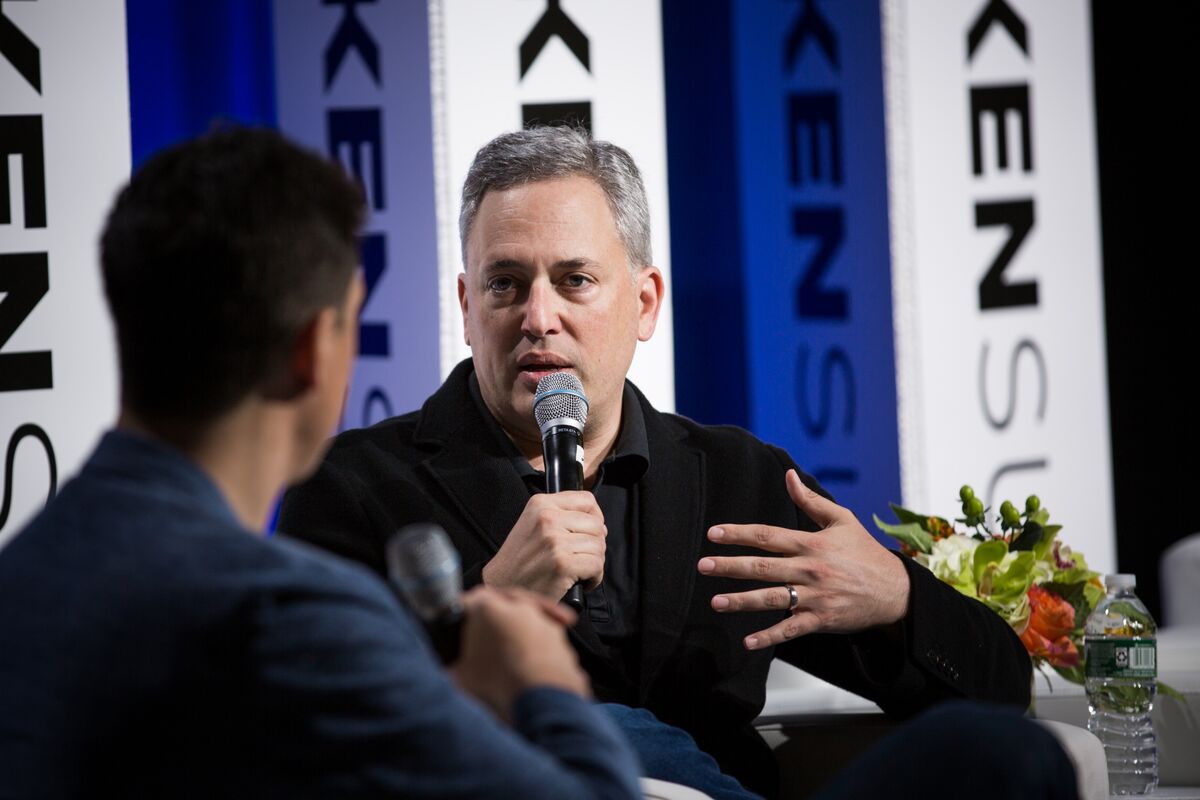
David Sacks, appointed by President-elect Donald Trump to oversee AI and cryptocurrency policy, is known for his tech-friendly stance and skepticism towards government regulation. Despite lacking deep ties to these industries, Sacks is expected to keep the U.S. at the forefront of innovation and protect emerging technologies from perceived censorship and bias.
The article discusses the anticipated decline of Big Tech by 2025, driven by increasing criticism from diverse groups, the faltering AI market, and growing privacy concerns. It highlights the shift towards "little tech" and the development of democratic, open, and transparent tech alternatives. Initiatives in Europe and new investment models are exploring independent tech infrastructures, focusing on mission alignment and rejecting surveillance. The article suggests that state capital could support these efforts, potentially leading to a more innovative and beneficial tech ecosystem.
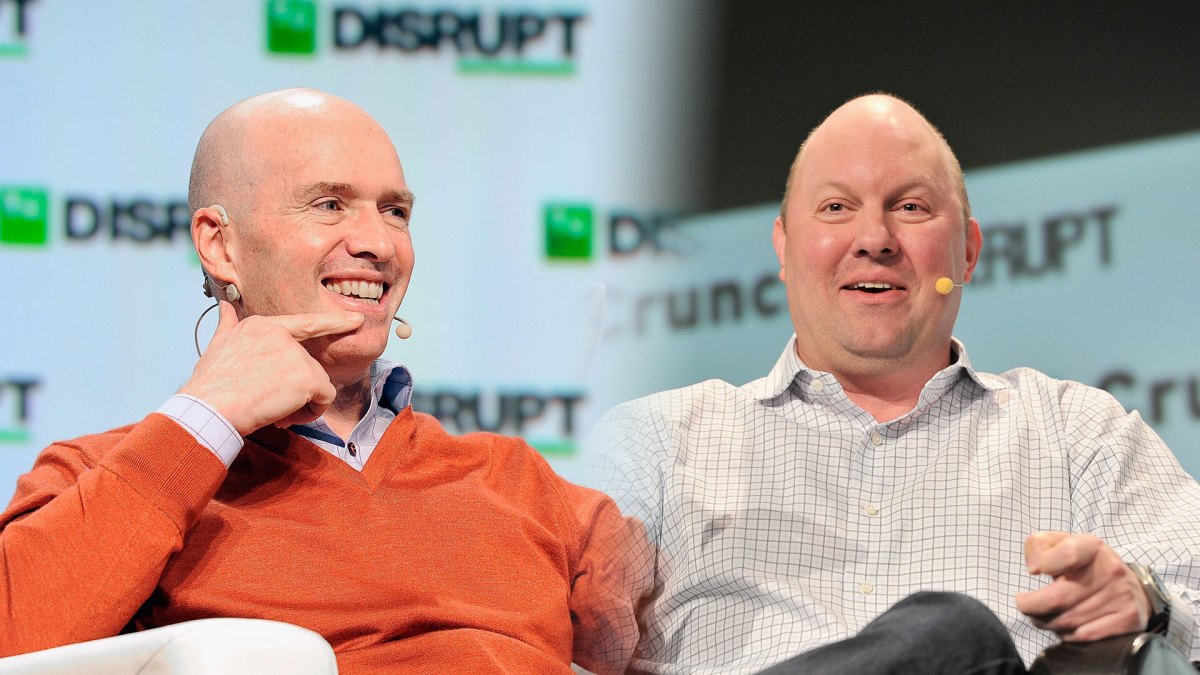
Marc Andreessen and Ben Horowitz, co-founders of venture capital firm Andreessen Horowitz, are supporting Donald Trump in the 2024 presidential race, citing his favorable policies for the tech and startup ecosystem. They argue that Trump's stance on tech regulation, AI, and crypto is more beneficial compared to Joe Biden's administration, which they believe stifles innovation through overregulation and taxation, particularly the proposed tax on unrealized capital gains.
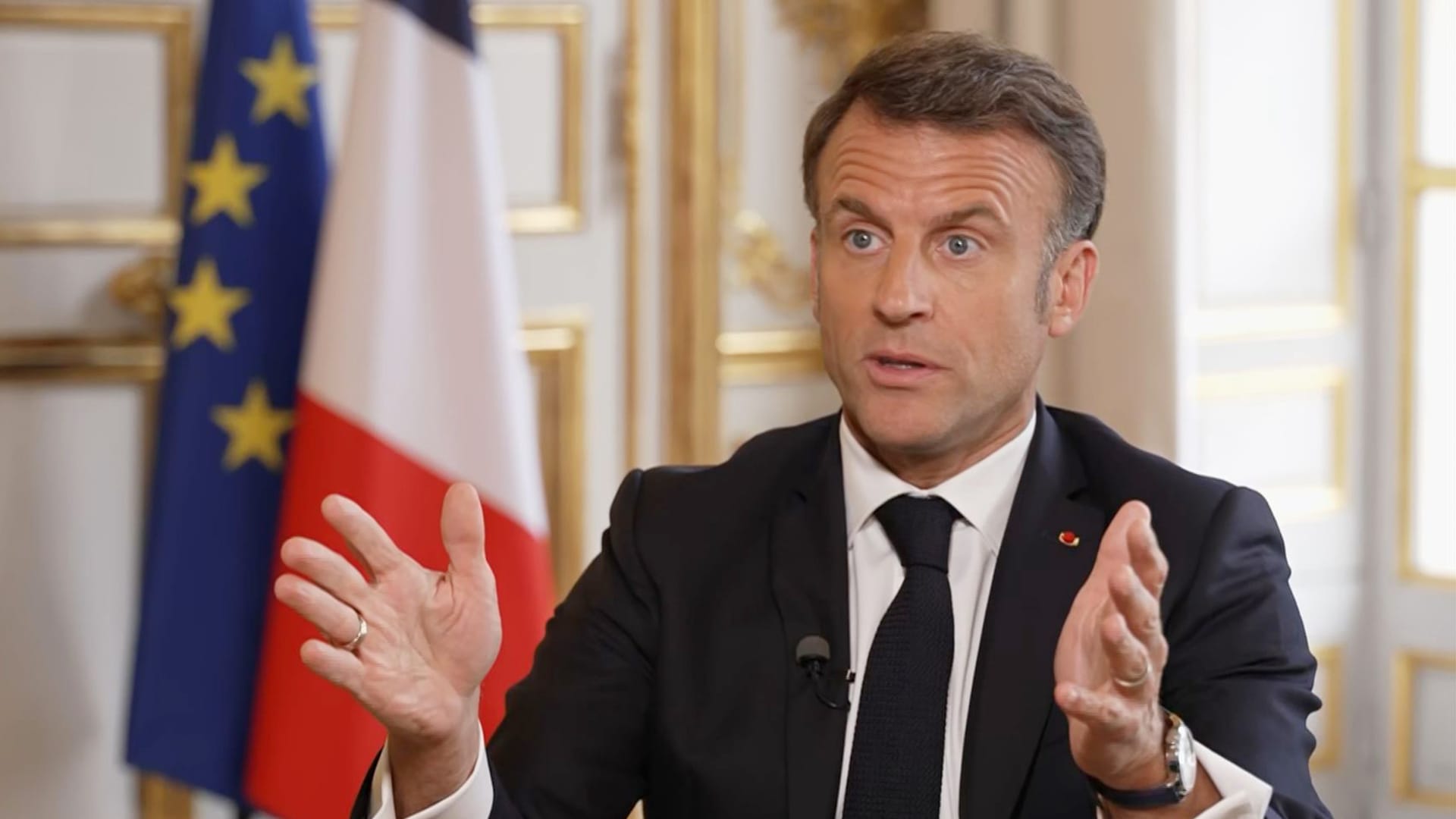
French President Emmanuel Macron emphasized the importance of Europe becoming a major player in AI to compete with the U.S. and China, highlighting significant investments in French AI companies like Mistral AI and the newly launched H. Macron praised the EU's proactive approach to AI regulation and defended strict privacy laws, while advocating for a balanced and collaborative international tech landscape.