China is proposing strict new regulations for AI to safeguard children, prevent harmful content, and address mental health risks associated with chatbots, marking a significant step in AI governance amid growing global concerns.
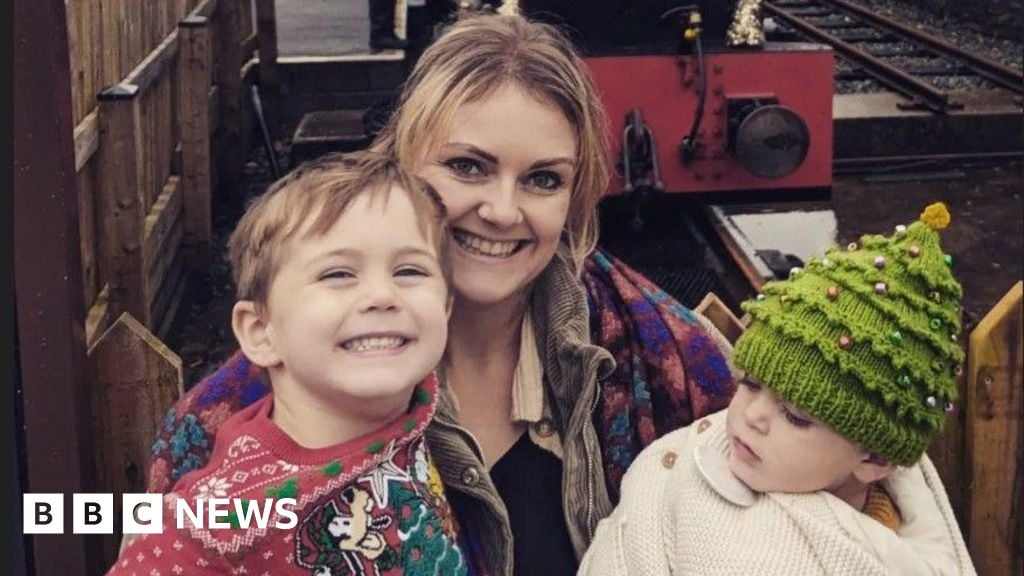
The tragic death of orphan Saabirin Saylaan in Somalia has highlighted ongoing issues of child abuse and the slow implementation of legal safeguards, leading to protests and calls for justice, including the rare conviction and death sentence of her abuser, amid broader concerns about child protection and legal enforcement in the country.
A 13-year-old girl in Louisiana was expelled after she attacked a boy who was showing AI-generated nude images of her on a school bus, amid circulating deepfake images of her and other students. The case highlights the challenges schools face in addressing AI-driven cyberbullying and harassment, with authorities charging boys involved but not the girl, who suffered emotional and educational setbacks. The incident underscores the need for better policies and awareness around AI and digital safety for children.
A 13-year-old girl in Louisiana was expelled after AI-generated nude images of her circulated among students, highlighting the dangers of deepfake technology and the lack of school preparedness for AI-related cyberbullying. Despite her efforts to report the images, she was disciplined and expelled, while the boys accused of sharing the images faced charges, illustrating the complex challenges schools face with emerging AI threats.
A Welsh mother expresses her surprise that smacking was ever legal in Wales, where a ban introduced in 2022 has led to minimal prosecutions and a shift towards positive parenting, with support from child protection advocates. Despite some criticism about resource use, the law is seen as a positive step in protecting children's rights, with calls for similar legislation in England and Northern Ireland.
The family of a Scottish teen who died by suicide after being blackmailed on Instagram is suing Meta, alleging the platform failed to protect children from sextortion, despite having safety features in place. The lawsuit highlights the tragic case of Murray Dowey, who was exploited by criminals posing as a young girl, leading to his death. Meta states it supports law enforcement and has implemented safety measures, but the families seek accountability for the platform's role in the tragedy.
Indiana Attorney General Todd Rokita is suing about 50 pornographic websites, including Pornhub, for violating state age-verification laws and allegedly exposing minors to harmful content, with the lawsuit seeking penalties and an injunction.
Tens of thousands of Hungarians protested in Budapest demanding Prime Minister Viktor Orban's resignation over his government's handling of recent child abuse scandals, including abuse in juvenile detention centers, with protesters criticizing the government's perceived inaction despite official claims of taking measures. The protests highlight public outrage over the treatment of vulnerable children and challenge Orban's long-standing leadership ahead of upcoming elections.
Denmark plans to ban social media for children under 15 to protect them from online harms, with enforcement likely involving an age-verification app, as part of broader efforts to regulate tech for safety.
France is investigating online retailers Shein, Temu, AliExpress, and Wish for allowing minors access to pornographic content and selling childlike sex dolls, with Shein banning all such dolls and tightening controls amid protests and scrutiny as it prepares to open a physical store in France.
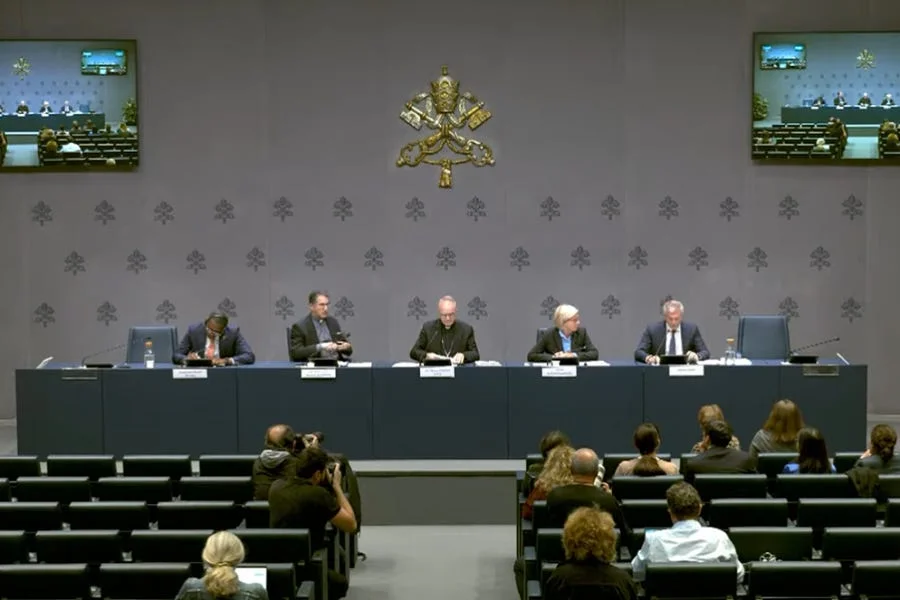
The Vatican's second annual global child protection report emphasizes the need for reparations, clear communication, and accountability in handling abuse cases, highlighting disparities in safeguarding efforts worldwide and calling for reforms in bishop removals and lay association oversight.
Instagram, operated by Meta, will implement a PG-13 style rating system for teen accounts to enhance parental controls and restrict harmful content, starting in the US, UK, Australia, and Canada, with plans to expand globally. The new rules will limit exposure to inappropriate language, risky stunts, and substances, aligning social media safety measures with familiar movie standards, though critics question their effectiveness.
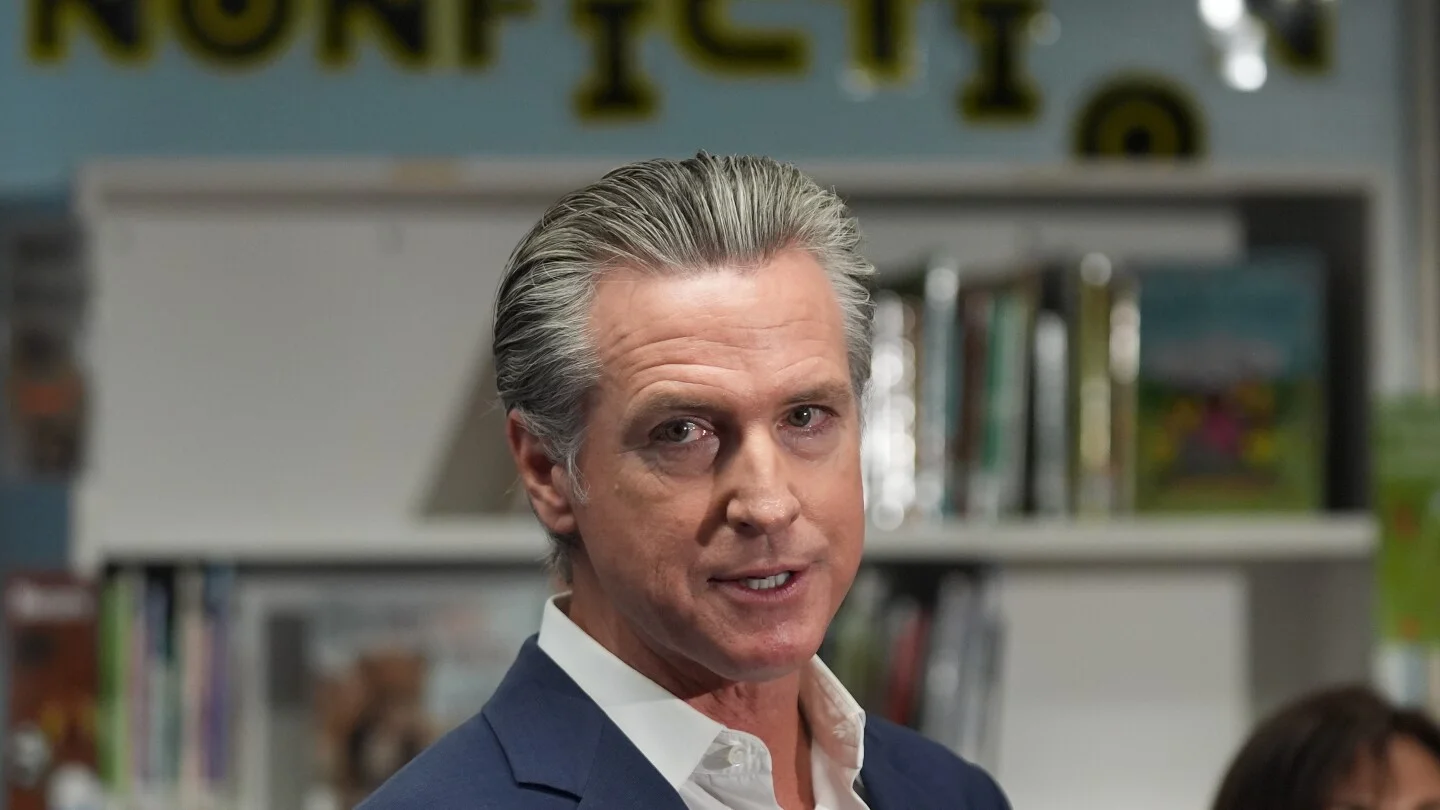
California Governor Gavin Newsom signed a law regulating AI chatbots to protect minors, requiring clear user notifications and protocols to prevent harm, amid concerns over risky interactions and industry lobbying against stricter measures.
Governor Newsom signed legislation to enhance protections for children online, including AI safeguards, age verification, social media warnings, and penalties for deepfake pornography, reinforcing California's leadership in safeguarding kids amid technological innovation.
Governor Greg Abbott issued an executive order to protect Texas children from hemp-derived products by directing state agencies to ban sales to minors, enforce ID verification, review regulations, and increase enforcement, while respecting adult access and federal law.