Spring is the perfect time to revisit financial resolutions, clean up financial paperwork, start a 2024 tax folder, review withholding, talk to a tax preparer, max out retirement plan contributions, name beneficiaries, review and update estate plans, book 2025 vacations, review investment portfolios, consider high-yield savings, and check credit card interest rates to ensure financial health and preparedness.

The IRS' new free electronic tax return filing system, Direct File, has received positive feedback from early users like Dixie Warden, who completed her taxes in about an hour and saved nearly $400 by using the program. The pilot program, available in 12 states, aims to simplify tax filing for lower-income taxpayers, but faces criticism from private tax preparation companies and some lawmakers. Advocates believe that offering free and easy tax filing options is important for taxpayers, and the program's future depends on continued funding and support.
The IRS has launched a pilot program called Direct File, allowing eligible users to file their taxes electronically for free, aiming to simplify the process and reduce costs for taxpayers. The program, currently in its pilot phase in 12 states, has faced criticism from private tax preparation companies and challenges related to funding. However, supporters believe it has the potential to revolutionize how Americans file their taxes and could lead to significant savings for individuals.
The IRS has launched a free tax-filing pilot program, Direct File, in 12 states, allowing eligible taxpayers with simple returns to file online directly with the IRS for free. The program covers specific income types and tax credits, but excludes self-employed individuals. Funding for the program comes from the Inflation Reduction Act, aimed at modernizing IRS technology and cracking down on tax evasion.
Americans have multiple options to file their taxes for free, including the Free File program for those with adjusted gross incomes under $79,000, and the new Direct File pilot program for simple tax returns. Other free options include Volunteer Income Tax Assistance (VITA) and Tax Counseling for the Elderly (TCE) for those with specific income levels or age requirements, and MilTax for military members and their families. These programs offer in-person or online tax preparation services, with eligibility criteria and specific filing instructions.
The Federal Trade Commission has accused H&R Block of deceiving customers by pushing them to use more expensive products than necessary and making it inconvenient for them to switch. The agency claims that while customers upgrading to more expensive products had their data transferred seamlessly, those wanting to downgrade had to contact customer service and start over. H&R Block has defended itself, stating that it offers fair and transparent pricing and allows consumers to downgrade to a less-expensive DIY product while ensuring accurate tax returns.
The Federal Trade Commission (FTC) has accused H&R Block of deleting the tax data of customers who attempt to downgrade to less expensive options, effectively pressuring them into paying for pricier services. The FTC also alleges that H&R Block engaged in deceptive advertising by marketing its online tax preparation services as free when many customers end up having to pay. H&R Block's chief legal officer maintains that the company provides fair and transparent pricing and allows consumers to downgrade to less expensive products, while the FTC's claim comes shortly after a similar ruling against Intuit's TurboTax.
The Federal Trade Commission is taking action against H&R Block for unfairly deleting consumers’ tax data, deceptively marketing their products as “free,” and pressuring consumers into overpaying for their online tax filing products. The FTC alleges that H&R Block's practices cost consumers time and money, as they lead consumers into higher-cost products and fail to clearly explain which forms and schedules are covered. Additionally, the company requires consumers to contact customer support and start their tax return from scratch when attempting to downgrade, creating a significant disincentive to do so. The complaint also outlines deceptive advertising practices, as H&R Block's "free" offer applies only to "simple returns," which has caused frustration and confusion among consumers.
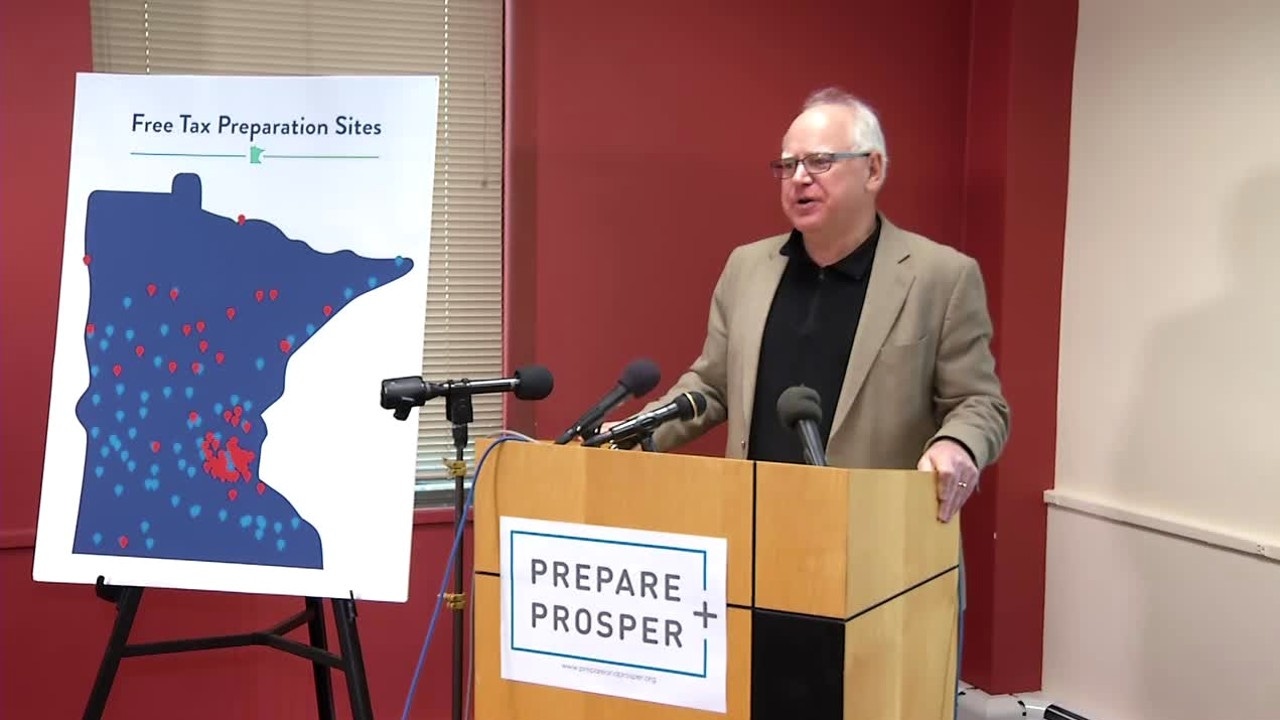
Minnesota is urging residents to take advantage of the new child tax credit, which could benefit nearly 300,000 lower-income households with up to $1,750 per child on their 2023 tax returns. The credit aims to reduce child poverty by one-third, but has income restrictions and is part of a $400 million initiative. Free tax preparation assistance is available at over 170 locations, and changes to the federal child tax credit are still being considered.
Filing taxes is becoming more expensive due to a growing accountant shortage, with the average cost of tax preparation and accounting fees increasing by 8.3% in November 2023. However, for those with relatively simple returns, there are several free filing options to consider this season, including IRS Free File, Free File Fillable Forms, volunteer tax prep from IRS programs, IRS Direct File, and free filing options from private companies. These options cater to different income levels and offer varying levels of guidance and support, providing taxpayers with alternatives to traditional paid tax preparation services.
The IRS is launching a Direct File pilot program for the 2024 tax season, allowing certain taxpayers in 12 states to calculate and submit their returns directly to the government without using commercial tax preparation software. The program is aimed at low- and middle-income earners who typically claim a standard deduction and will be available in both English and Spanish. The limited rollout is part of the IRS's effort to build a new government service that could replace the use of commercial tax preparation software. However, the program is not viewed favorably by commercial tax prep software firms, while IRS officials emphasize the need for continued funding for the program to succeed.
The IRS is launching a Direct File pilot program in 12 states, allowing certain taxpayers to calculate and submit their returns directly to the government without using commercial tax preparation software. The program is aimed at low- and middle-income earners who typically claim a standard deduction and will be available in both English and Spanish. The IRS hopes to gather information from the limited pilot to steer the direction of the program, but faces opposition from commercial tax prep software firms.
The IRS will begin accepting 2023 federal income tax returns on Monday, and here are eight things to do before filing, including knowing deadlines, gathering necessary documents, assessing life changes, checking for 1099-K forms, filling out Form 8962 for health insurance tax credits, monitoring potential tax breaks from Congress, expediting refunds, and exploring free filing options.
The IRS is launching a pilot program for a free, government-run, online tax filing system called "direct file" in the 2024 filing season to test taxpayer interest and help the federal government decide whether to move forward with potentially implementing it in the future. The IRS published a feasibility report showing that the majority of surveyed taxpayers would be interested in using an IRS-provided tool to prepare and file their taxes electronically. The study estimates that annual costs of direct file may range from $64 million for 5 million users to $249 million for 25 million users.
The IRS plans to test a government-run filing system that would allow taxpayers to file directly with the government online for free, bypassing commercial options such as TurboTax. However, the $14 billion tax-preparation industry is expected to oppose the plan. The IRS estimates that setting up and operating a direct file system would cost the government between $64 million and $249 million annually, depending on the number of users and the complexity of returns it could handle. The next step is to let some real taxpayers try using the system next year.