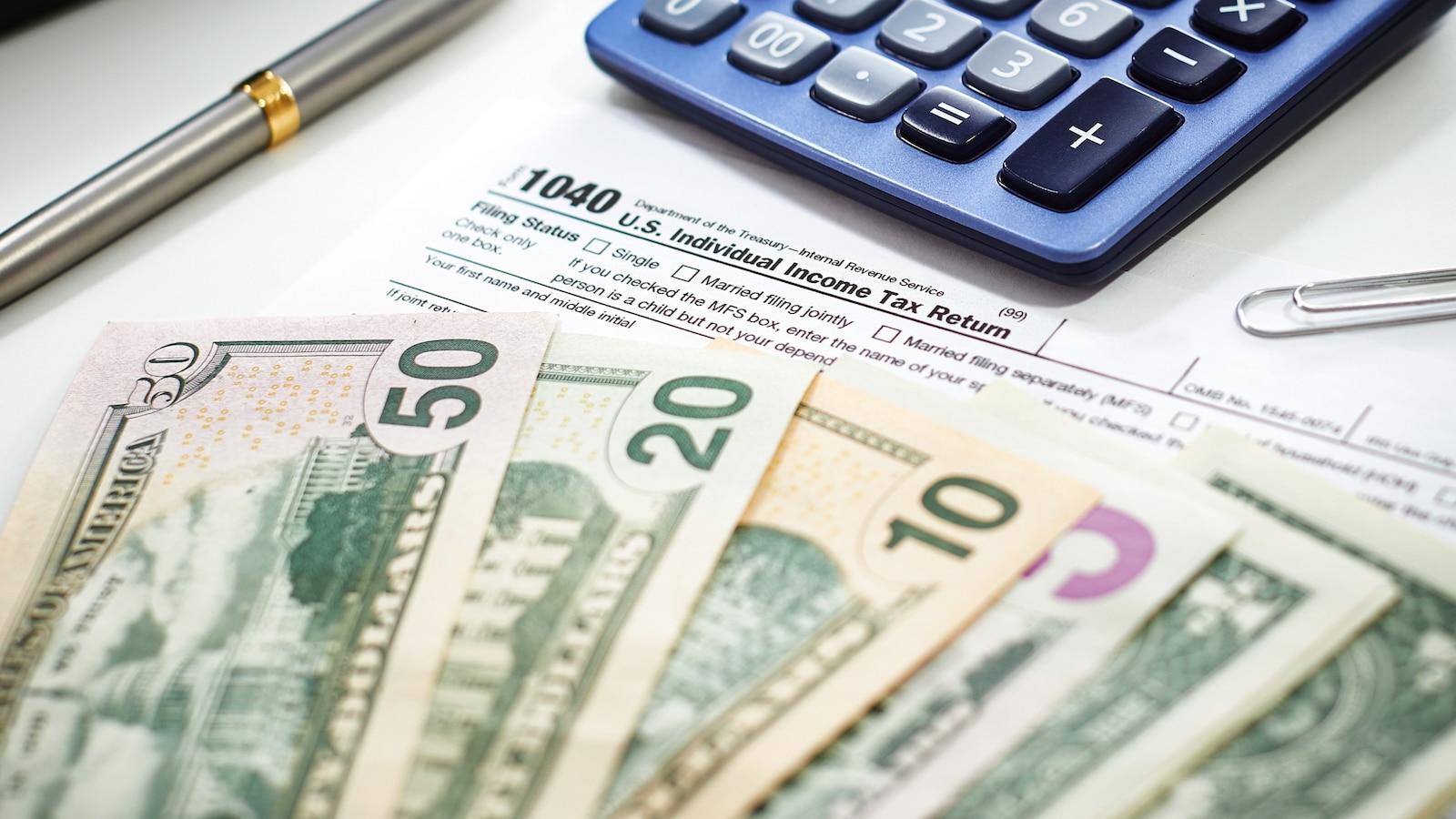
Americans have multiple options to file their taxes for free, including the Free File program for those with adjusted gross incomes under $79,000, and the new Direct File pilot program for simple tax returns. Other free options include Volunteer Income Tax Assistance (VITA) and Tax Counseling for the Elderly (TCE) for those with specific income levels or age requirements, and MilTax for military members and their families. These programs offer in-person or online tax preparation services, with eligibility criteria and specific filing instructions.
The IRS reports a 9.7% increase in the use of its Free File guided tax software for the 2024 filing season, with 943,000 taxpayers submitting returns through the program. Refunds totaling $92.9 billion have been sent out, with an average payment of $3,213. The agency is also launching a pilot scheme called Direct File, providing a free tax payment system for eligible American workers. Additionally, the IRS is cracking down on high-earners who have failed to file tax returns, identifying 125,000 suspected cases of non-compliance among those earning over $400,000 annually.
The IRS is launching new programs, including Free File and Direct File, to make filing taxes easier for eligible taxpayers as the 2024 tax season begins. These options provide free filing services and expanded in-person assistance through Taxpayer Assistance Centers, made possible by supplemental funding from the Inflation Reduction Act. Electronic filing with direct deposit is recommended, and the IRS anticipates almost 129 million individual tax returns to be filed this season.
The IRS is testing a new system called Direct File that would allow taxpayers to file federal tax returns for free online directly with the agency, with a pilot program launching for some filers next year. The pilot program will begin during the 2024 filing season, following recent testing and a feasibility report. Nearly three-quarters of taxpayers expressed interest in a free IRS-provided filing system, with high popularity among younger filers, those with limited English proficiency and do-it-yourself taxpayers, according to a 2022 survey cited in the report. However, there has already been pushback from Republicans and the tax preparation industry.
The IRS is testing a free online tax filing system that could compete with commercial preparers such as Turbo Tax and H&R Block. The system, which was funded through $15 million from last year’s Inflation Reduction Act, would be free and fill out some tax-related information for the user. Currently, the IRS Free File directs users to commercial providers through an existing public-private partnership, but the new system would put the agency in direct competition with those providers.
Payments for the $141 million TurboTax settlement will begin next week for those who used TurboTax for federal returns for tax years 2016, 2017, or 2018 but were eligible for the free version of the software through IRS Free File. Eligible consumers can expect to receive about $30, with some receiving up to $85 if they used TurboTax for the three consecutive years named. The settlement comes after TurboTax's "predatory and deceptive marketing" cheated millions of low-income Americans who were trying to fulfill their legal duties to file their taxes.
The US government is pushing for a free-file, electronic tax return system to simplify the tax filing process for taxpayers. The Internal Revenue Service (IRS) has partnered with private tax preparation companies to offer free electronic filing services to eligible taxpayers. The government hopes that this move will encourage more taxpayers to file their taxes electronically, which is faster, more accurate, and more secure than paper filing.
The US government is advocating for a free-file, electronic tax return system to simplify the tax filing process for taxpayers. The Internal Revenue Service (IRS) has partnered with private tax preparation companies to offer free electronic filing services to eligible taxpayers. The government hopes that this initiative will encourage more taxpayers to file their taxes electronically, which is faster, more accurate, and more secure than paper filing.
The US government is pushing for a free-file, electronic tax return system to simplify the tax filing process for taxpayers. The Internal Revenue Service (IRS) has partnered with private tax preparation companies to offer free electronic filing services to eligible taxpayers. The government hopes that this move will encourage more taxpayers to file their taxes electronically, which is faster, more accurate, and more secure than paper filing.
The IRS has been directed by Congress to explore the creation of a government-operated electronic free-file tax return system for all, which could be a free option for taxpayers in future years. The IRS will release the first in a series of reports next month looking into how it might be done. However, big tax preparation companies such as Intuit and H&R Block have spent millions of dollars lobbying against the idea, arguing that it could create a power imbalance between taxpayers and the government. Critics also voice skepticism about the IRS taking on the dual roles of both tax collector and tax preparer.
Many taxpayers believe in common tax myths, such as the deadline for filing tax returns is always April 15, or that filing an extension will give them more time to pay their tax bill. However, the IRS has clarified that tax returns are due on April 18, 2023, and extensions only give more time to file, not to pay. Taxpayers can file their taxes for free if they made $73,000 or less in 2022, and they are ultimately responsible for all information on their tax return, even if a tax preparer made a mistake. Taxpayers should compare this year's return with last year's and work with a tax professional year-round to avoid repeating the same mistake.