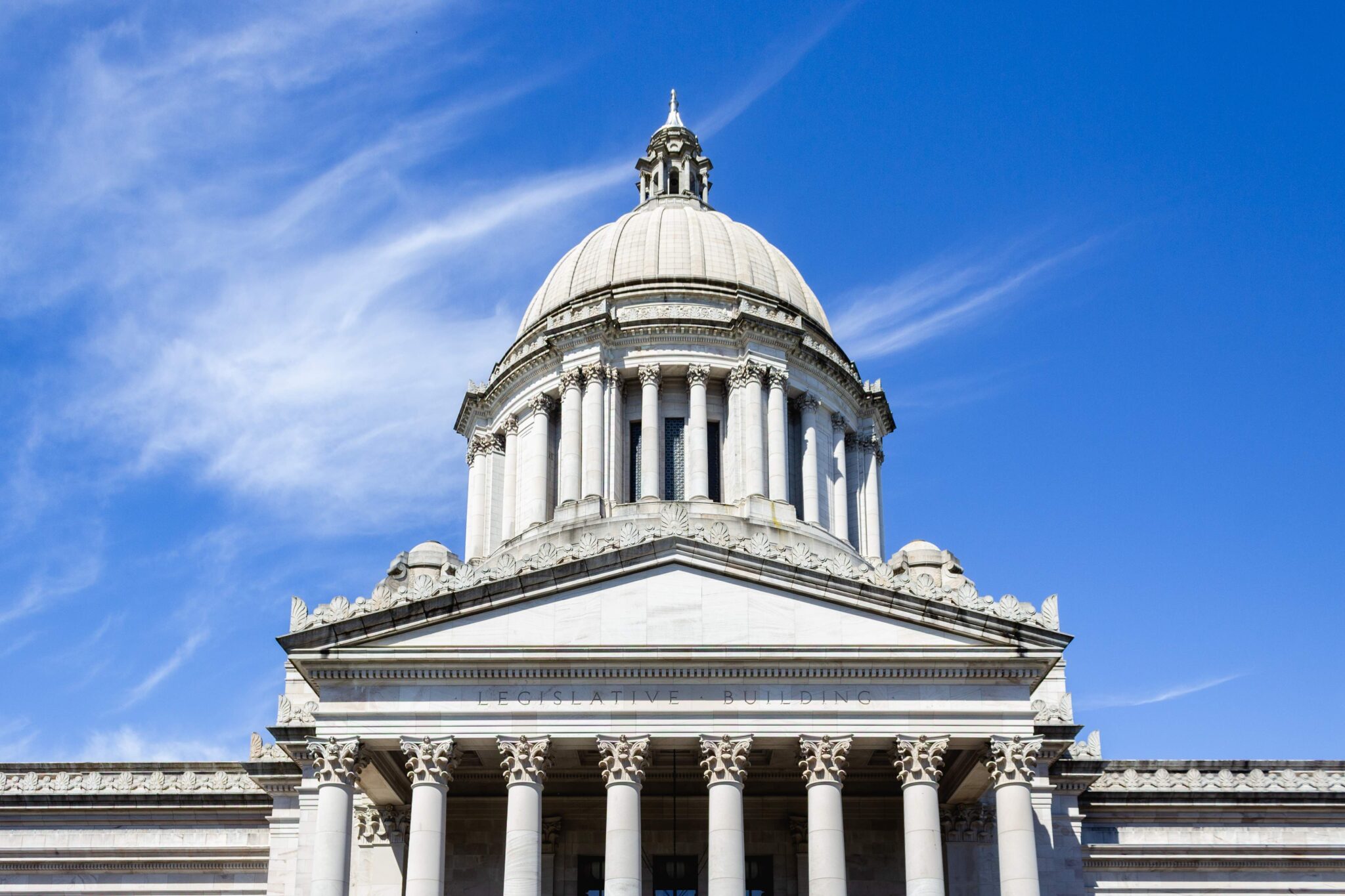
Starting January 1, Washington state implements new laws including extended unemployment benefits for striking workers, increased taxes on large businesses and technology companies, higher transportation fees, a nicotine tax, and measures to reduce plastic waste, along with new options for including blood type on IDs and requirements for movie captioning.
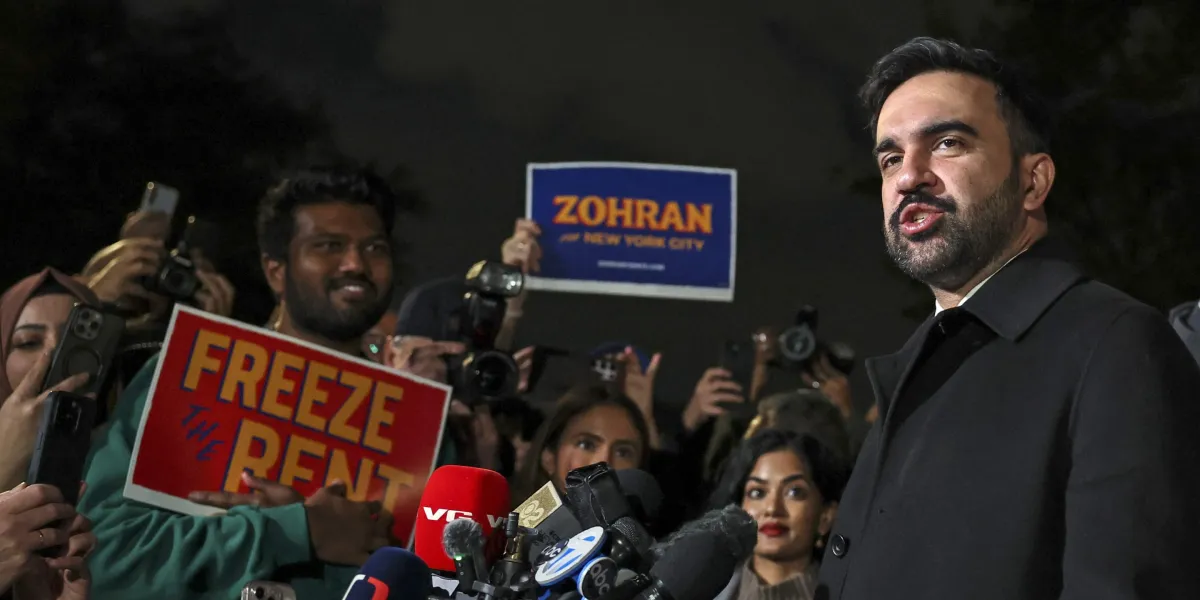
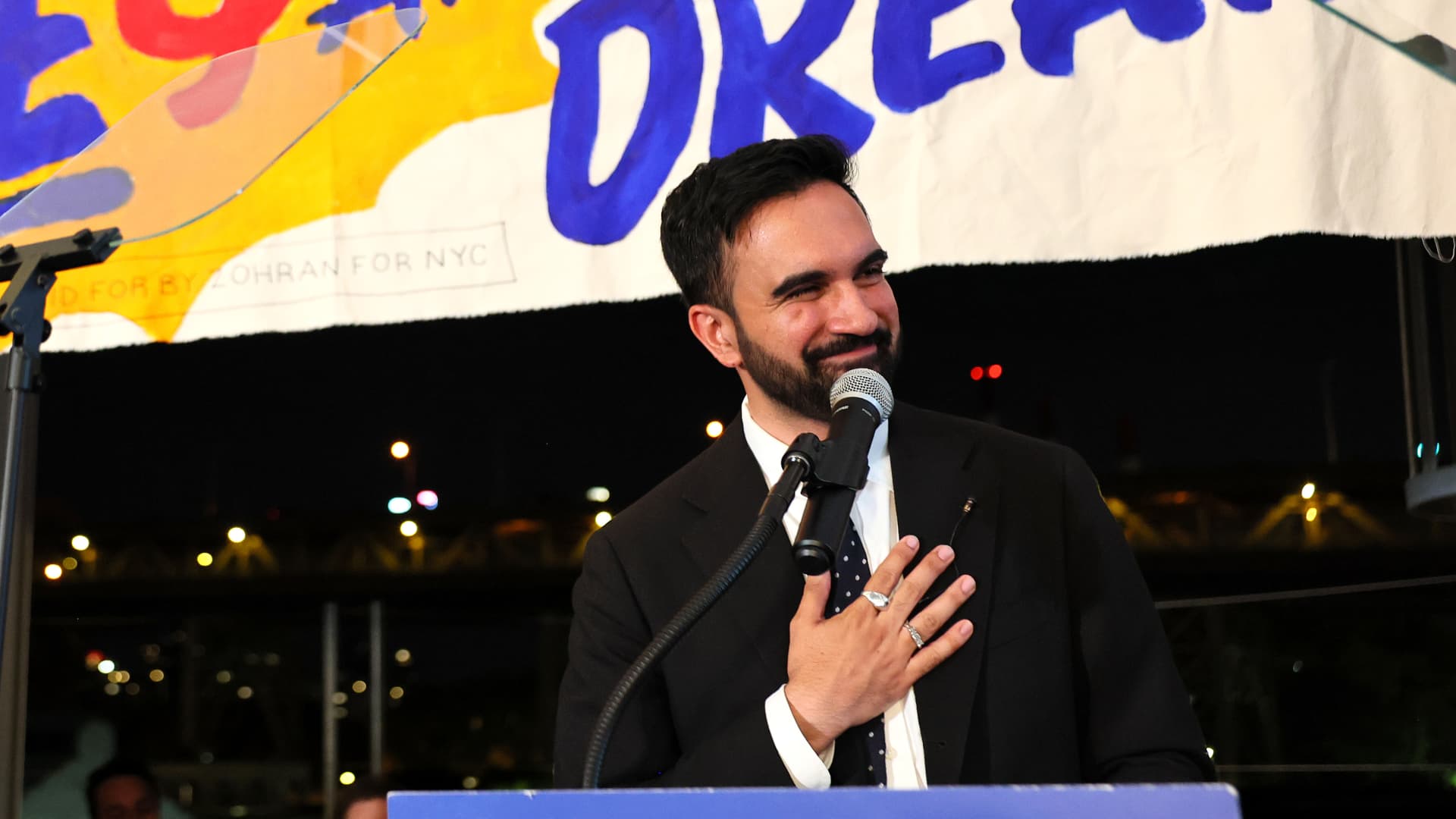
The article discusses the potential impact of Zohran Mamdani's mayoral campaign in NYC, highlighting concerns from business leaders about tax increases, business exodus, and housing policies, while noting some CEOs' willingness to support the city regardless of the election outcome.
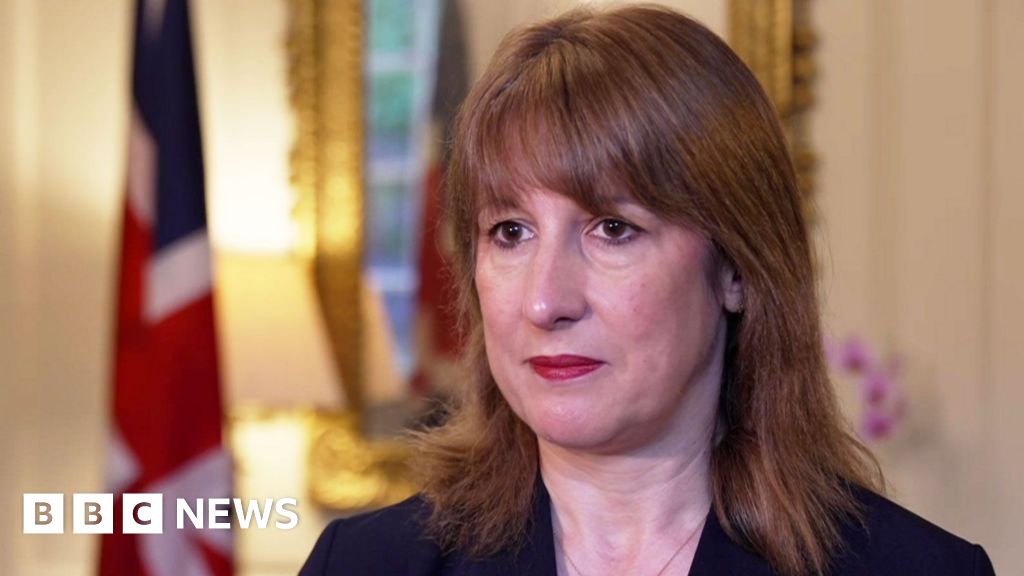
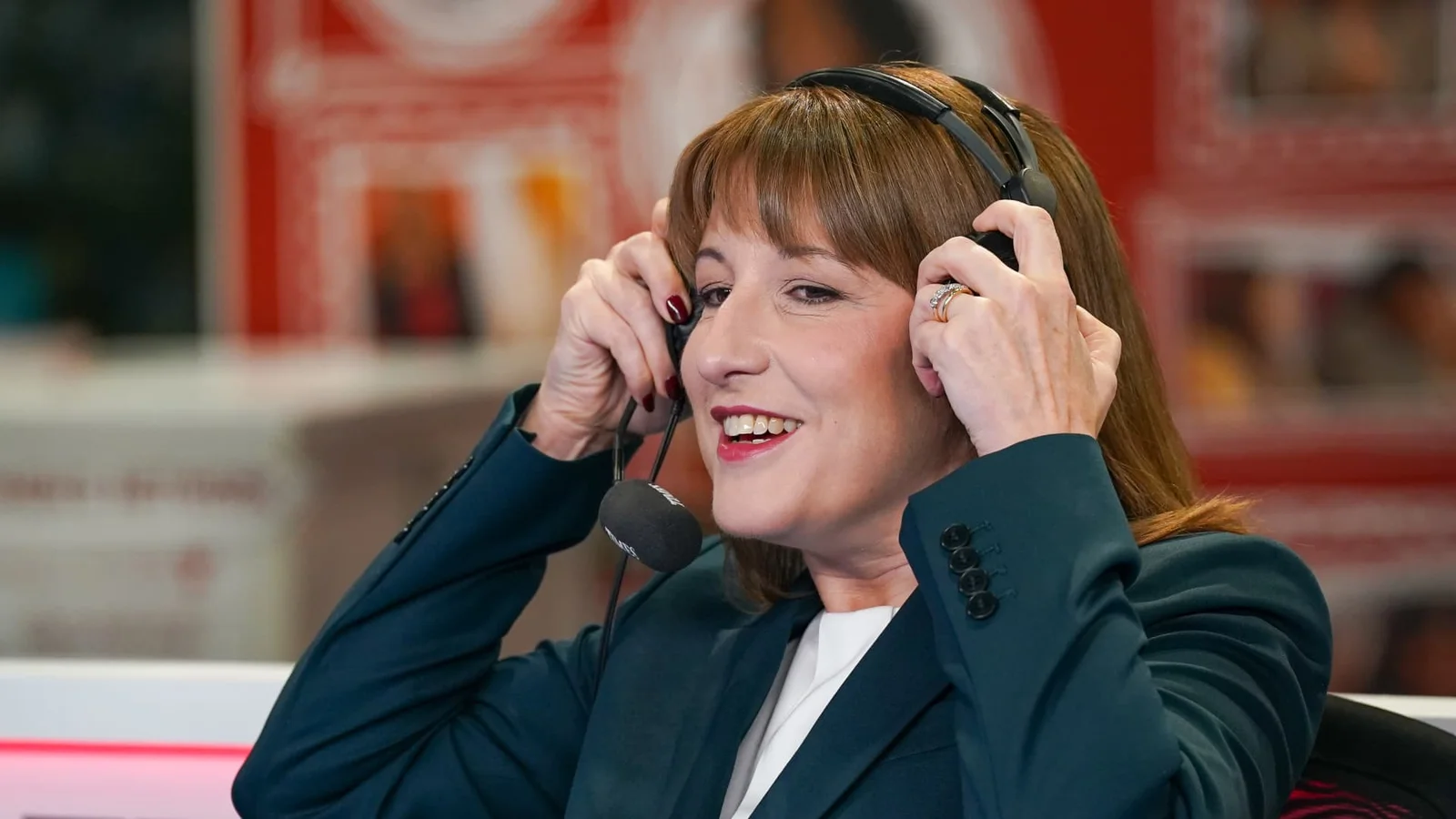
Rachel Reeves indicates that tax increases are likely ahead of the UK Budget to improve public finances, amid discussions of potential spending cuts and economic challenges, including Brexit impacts and rising inflation.
UK Finance Minister Rachel Reeves remains tight-lipped about specific tax hikes in the upcoming budget, focusing instead on youth employment initiatives and acknowledging the need for tough fiscal decisions due to a significant budget gap, with potential for increased taxes amid economic challenges.
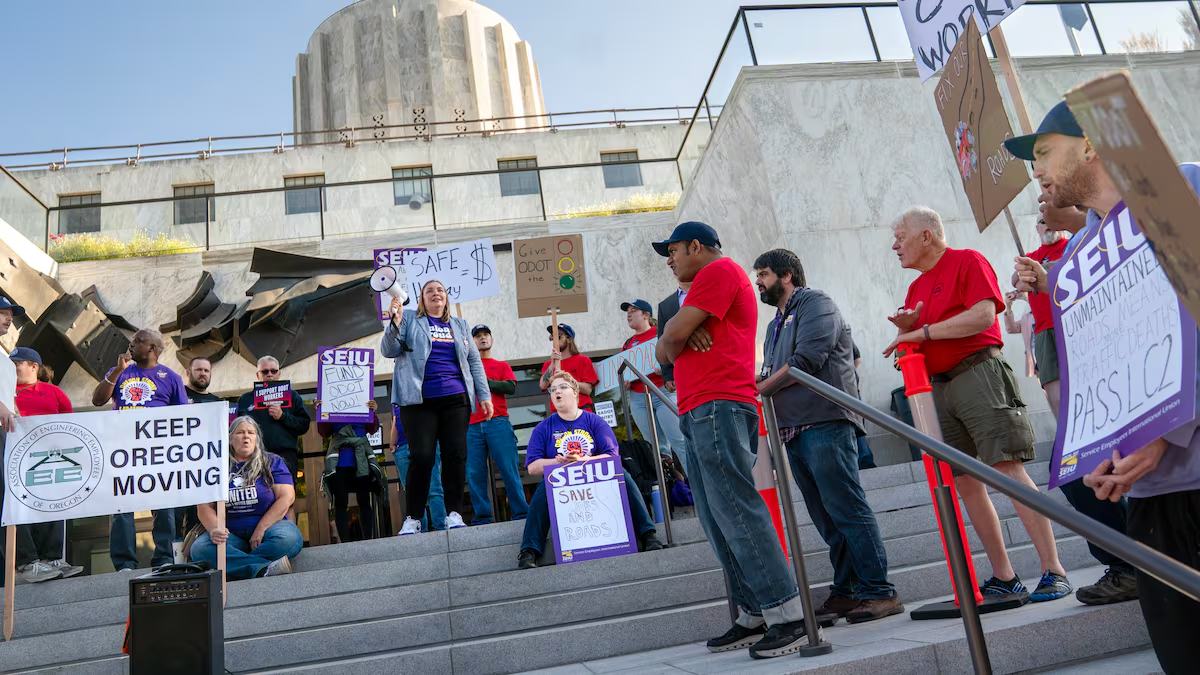
Oregon's special legislative session aimed at passing a transportation funding package was hampered on its first day due to a lack of quorum in the House, delaying proceedings and highlighting political disagreements over tax increases and budget priorities, with Republicans proposing alternative funding strategies and unionized workers rallying to prevent layoffs.
Russia plans to increase taxes and reduce non-military spending to sustain record-high defense expenditures amid falling oil revenues and economic challenges, with potential spending cuts contingent on the end of the Ukraine conflict, while facing a growing budget deficit and economic pressures.
Zohran Mamdani's victory in the NYC mayoral primary alarms Wall Street, as his socialist policies and plans for higher taxes and regulation threaten corporate interests, leading to concerns about investor exodus and market impacts.
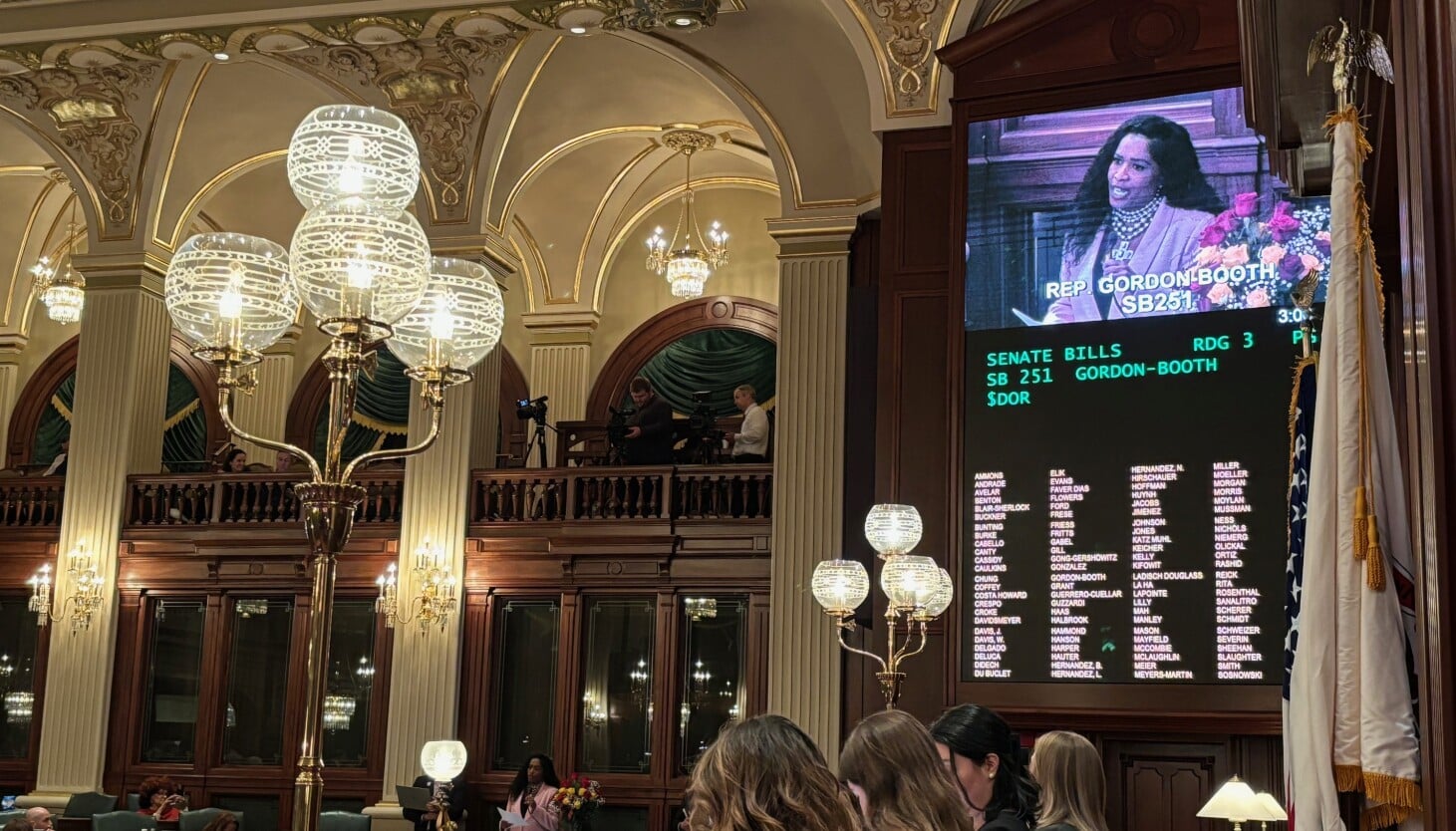
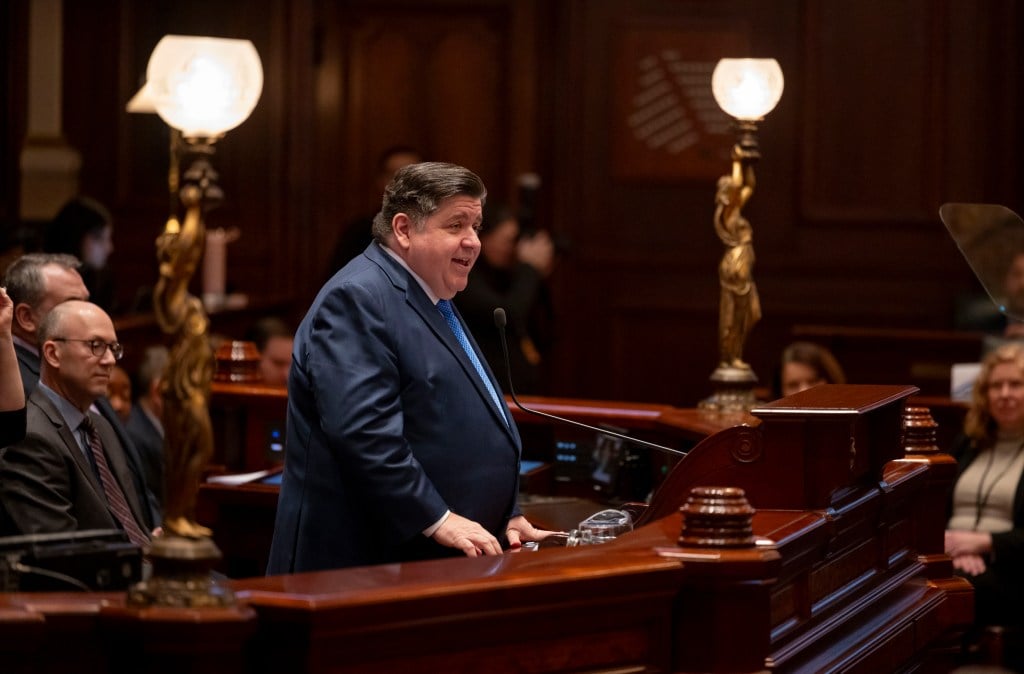
Illinois lawmakers approved a $55 billion budget with tax increases on tobacco, vaping, and online sportsbooks, while also passing a revenue package and spending cuts, but adjourned without resolving transit funding or the Bears stadium issue, amidst political debates over spending and fiscal strategies.
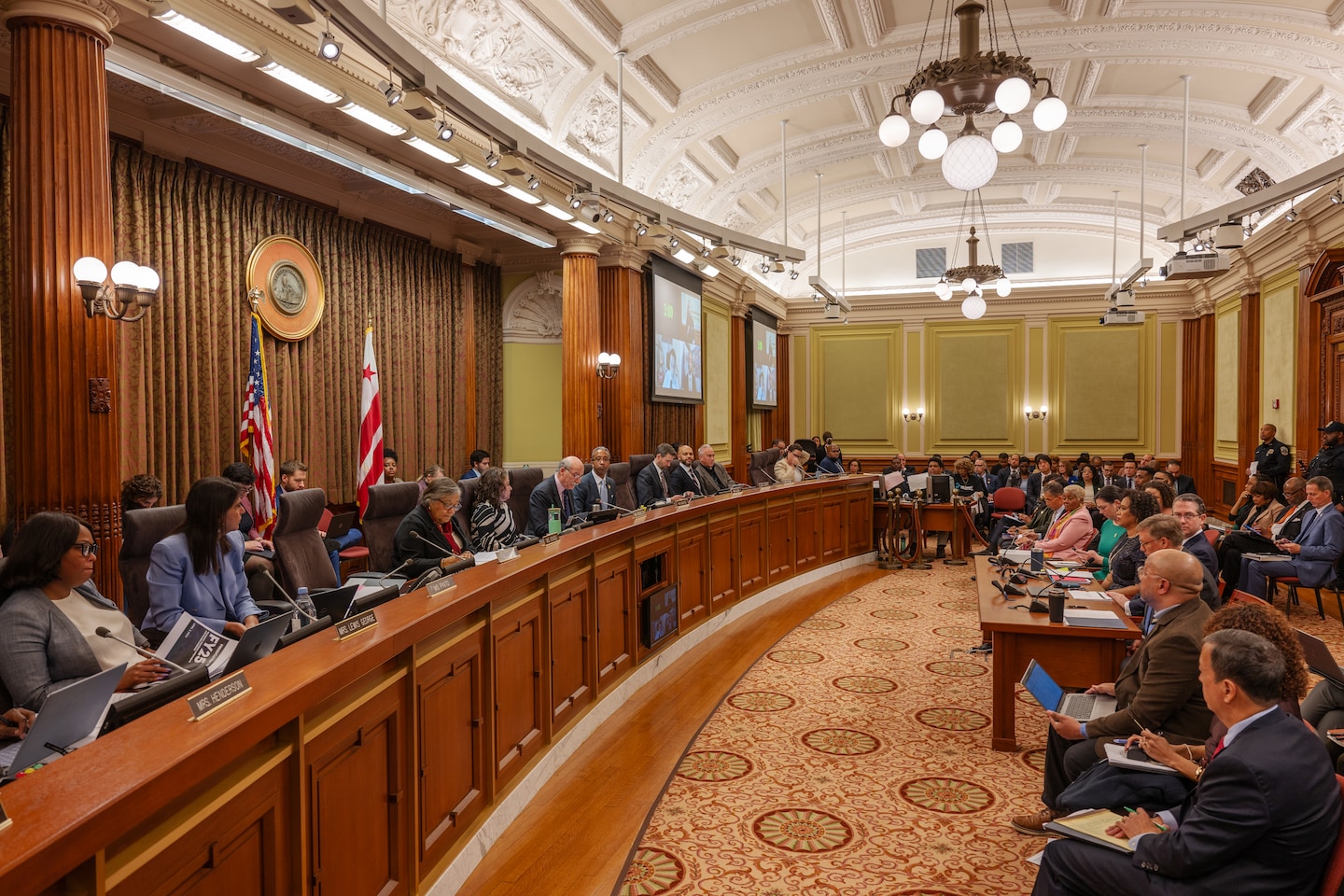
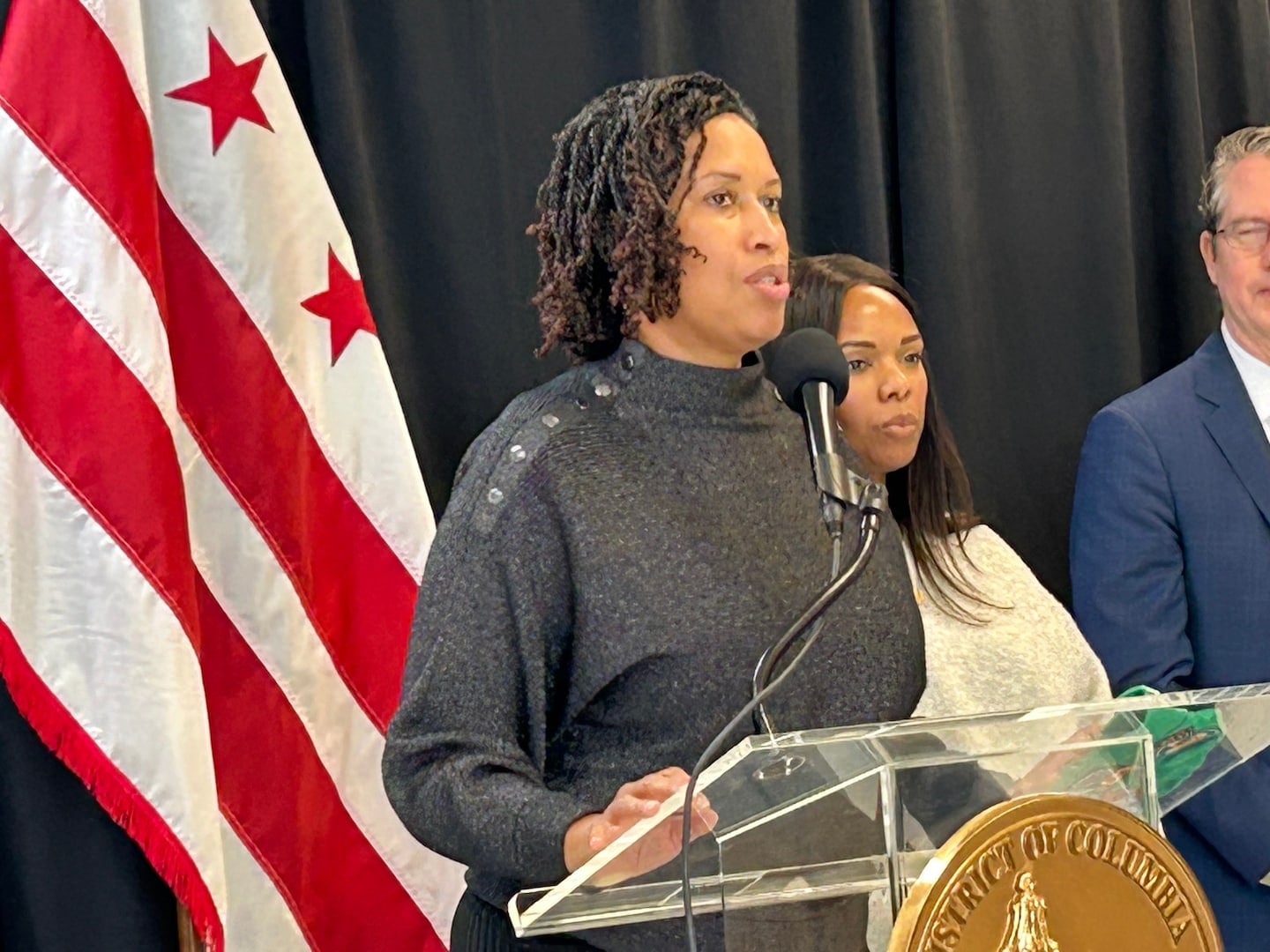
The D.C. Council approved a $21 billion fiscal 2025 budget with tax hikes to mitigate cuts proposed by Mayor Muriel Bowser, focusing on protecting low-income residents and funding high-demand programs. The budget includes increased property and business taxes, reallocations for schools, and enhancements to social programs. Mayor Bowser expressed concerns over the tax hikes and some budget cuts, while council members debated various amendments and funding priorities. The budget will undergo further revisions before a final vote next month.
The Illinois House narrowly passed a $53.1 billion budget with a 60-47 vote, including over $700 million in tax hikes. The budget, which faced significant debate and required multiple votes to pass, includes changes to the state’s tax code and funding for various programs. Governor J.B. Pritzker is expected to sign the budget, which largely mirrors his February proposal.
The Illinois Senate approved a $53.1 billion state budget, which includes $750 million in tax hikes and a 5% pay raise for lawmakers and top officials. The budget, which now moves to the House, emphasizes education, public safety, and homelessness prevention. Despite some Democratic opposition and Republican criticism, the budget aims to address various state needs while also supporting the ongoing migrant crisis. The House must pass the budget without changes for it to reach Gov. J.B. Pritzker's desk.
D.C. Mayor Muriel Bowser's $21 billion budget plan includes significant program cuts and targeted tax hikes to address a projected $4 billion budget shortfall over the next four years, with about $500 million in cuts proposed for this year. The plan involves eliminating the Circulator bus and the Early Childhood Educator Pay Equity Fund, while also proposing tax increases on sales and businesses. The budget aims to make strategic investments in public education, public safety, and downtown revitalization, but faces pushback from advocates and city council members.
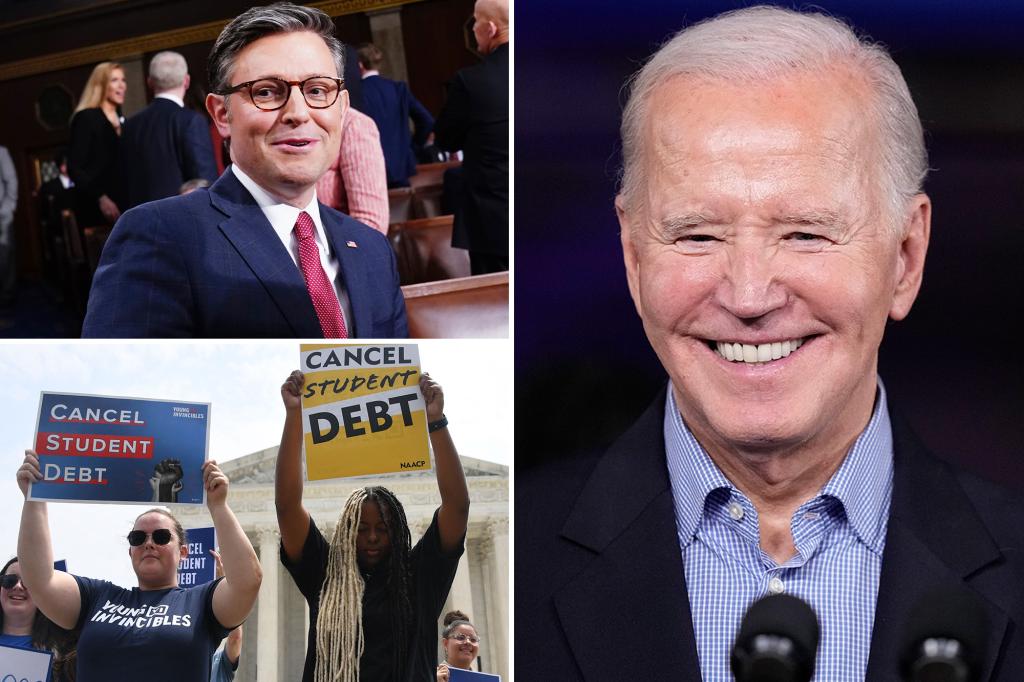
President Biden unveils a $7.3 trillion budget with $5.5 trillion in tax hikes, aiming to raise rates on the wealthy and corporations while increasing spending on defense, federal benefit programs, affordable housing, and student debt cancellation. The budget, unlikely to be approved by Congress, is criticized for reckless spending and projected to increase the national debt to $45.1 trillion by 2034. Republicans argue that the tax hikes and spending reflect an insatiable appetite for reckless spending and a disregard for fiscal responsibility, while Biden defends the proposals as necessary for funding federal programs and addressing economic inequality.
President Biden's proposed federal budget for the 2025 fiscal year aims to cut the deficit by $3 trillion over the next decade through tax hikes on corporations and the wealthiest Americans, while introducing new social programs for housing, health care, and child care. The budget also includes measures to protect Medicare and Social Security, allocate billions for border security, and offer cost-cutting measures for struggling families. However, the budget faces opposition from House Republicans and is expected to undergo significant changes during negotiations in Congress.
President Joe Biden's 2025 budget proposal, set to be released, aims to reduce the federal deficit by $3 trillion over the next 10 years through tax hikes on the wealthiest households and reshaping the corporate tax code. The budget also includes plans to shore up Medicare and Social Security, and is seen as a statement of Biden's economic platform for his reelection campaign. Despite a deeply divided Congress, Biden is not diluting his progressive budget requests, and recent polls show a slight improvement in voter sentiments about his handling of the economy.