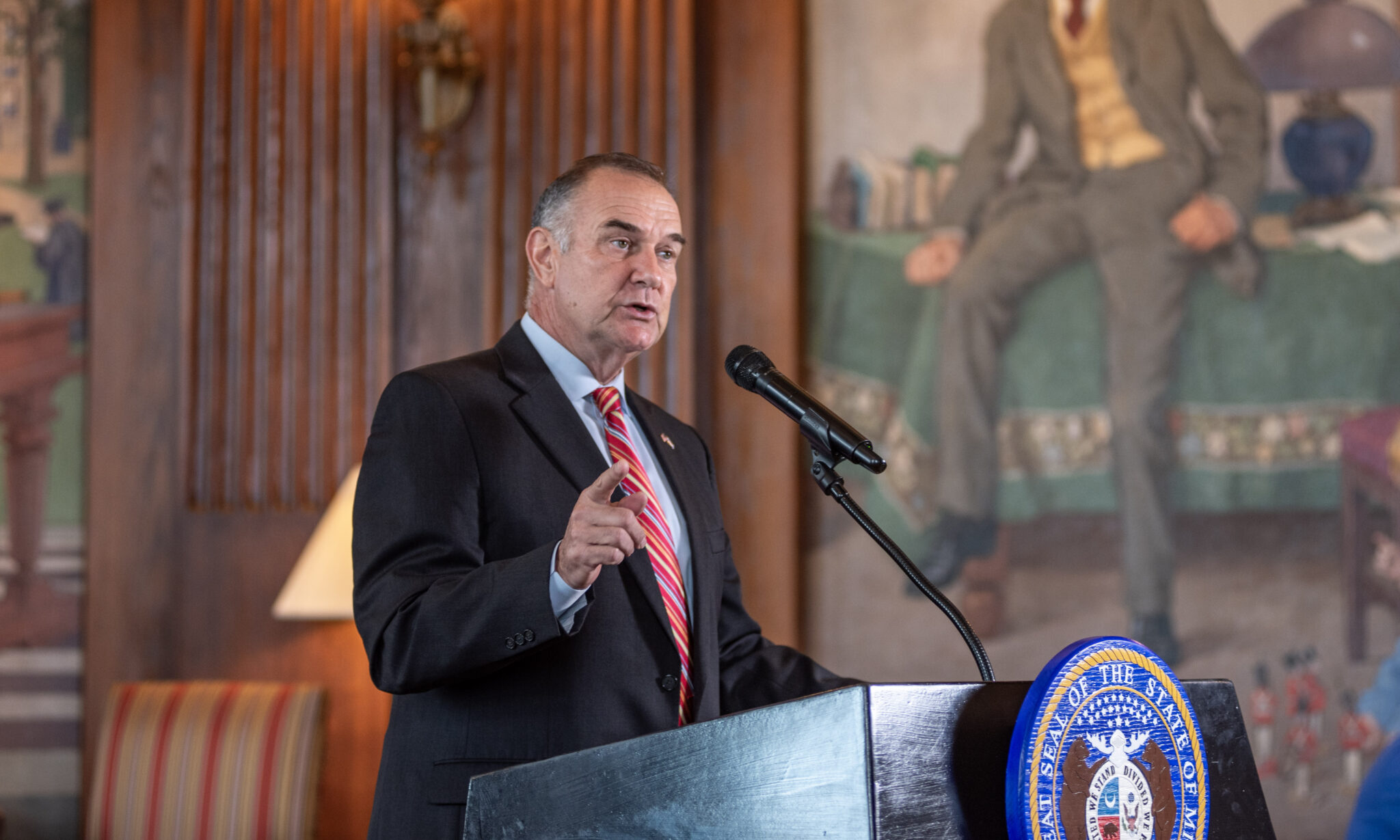
Missouri's recent capital gains tax cut is projected to cause significantly higher revenue losses than initially estimated, with a potential first-year loss of up to $500 million, complicating the state's budget planning amid large reserves and ongoing expenditure challenges.

JD Vance previewed Republican strategies for defending Trump's bill in Georgia's 2024 midterms, highlighting its benefits like increased child tax credits and tax relief on overtime and tips, while also criticizing Democratic opposition and discussing issues like mental health and healthcare policy. The event also featured candidates vying for Senate seats and emphasized themes of law enforcement and immigration.
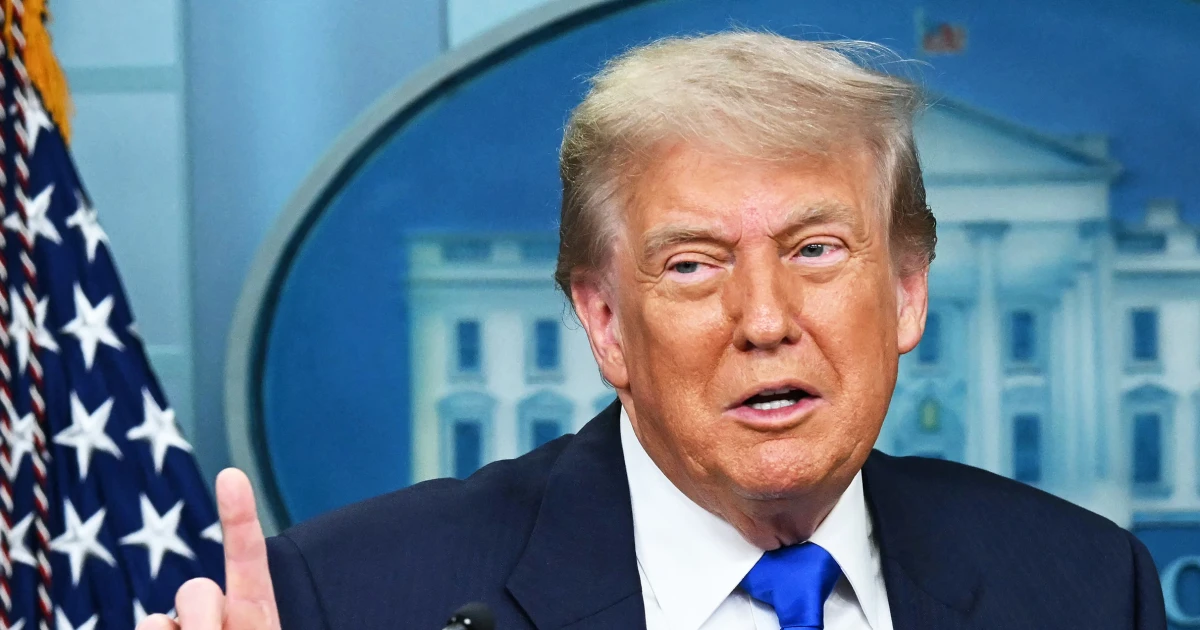
President Donald Trump signed into law a comprehensive tax cut and spending package during a patriotic July Fourth ceremony, claiming it as the largest tax cut in U.S. history and highlighting its economic benefits, despite mixed public opinion and concerns over increased national debt and reduced social programs.
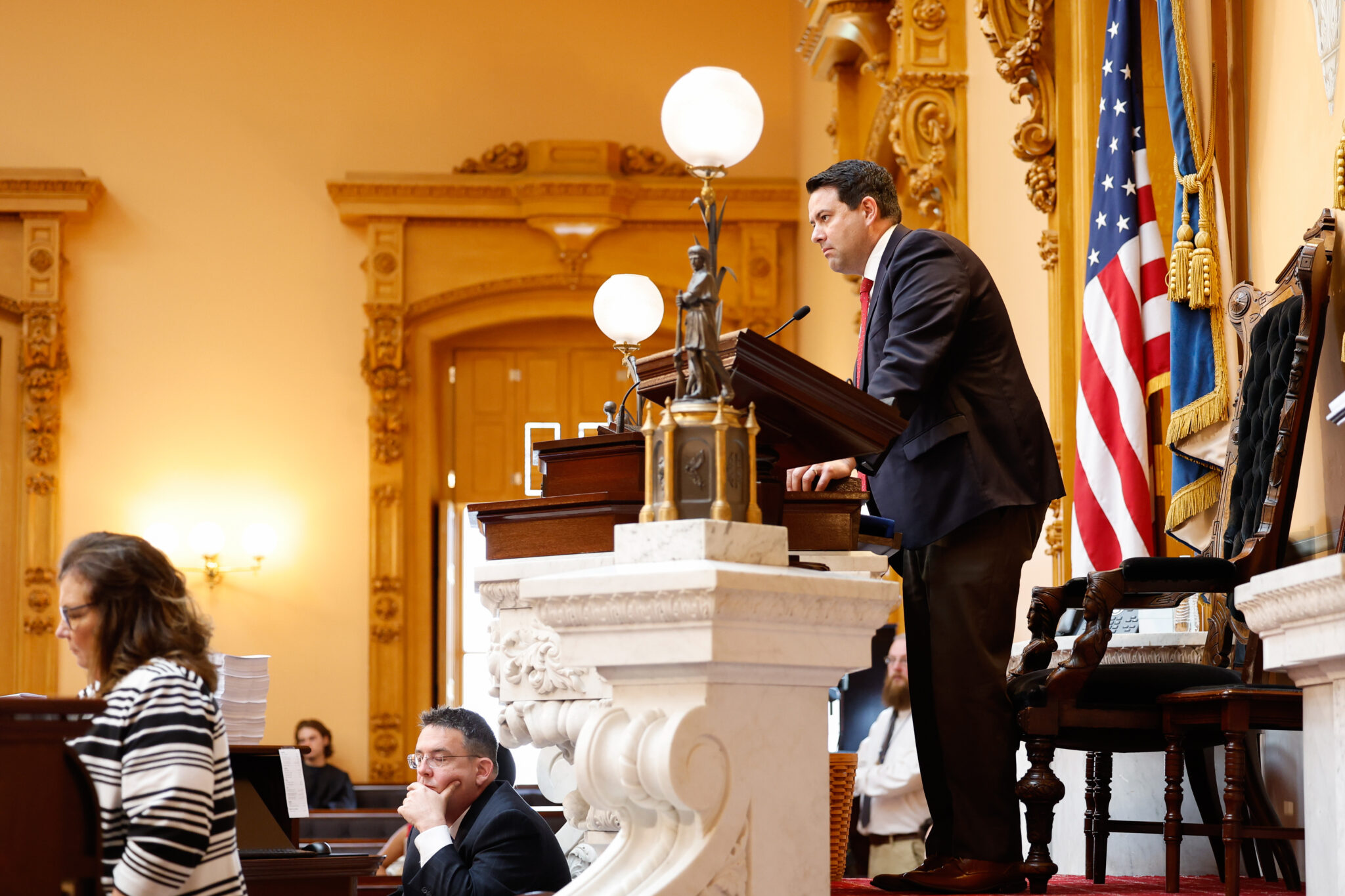
The Ohio Senate approved a $60 billion budget including a $600 million grant for the Browns' stadium, a flat income tax, increased public school funding, and a tax cut for the wealthy, with ongoing negotiations and potential vetoes by the governor.
Sen. Thom Tillis advocates for significant changes to the Republican plan to cut taxes on tips, highlighting concerns about fairness and the potential for alternative benefits, as the GOP seeks to modify a broad tax package before passing it to President Trump.
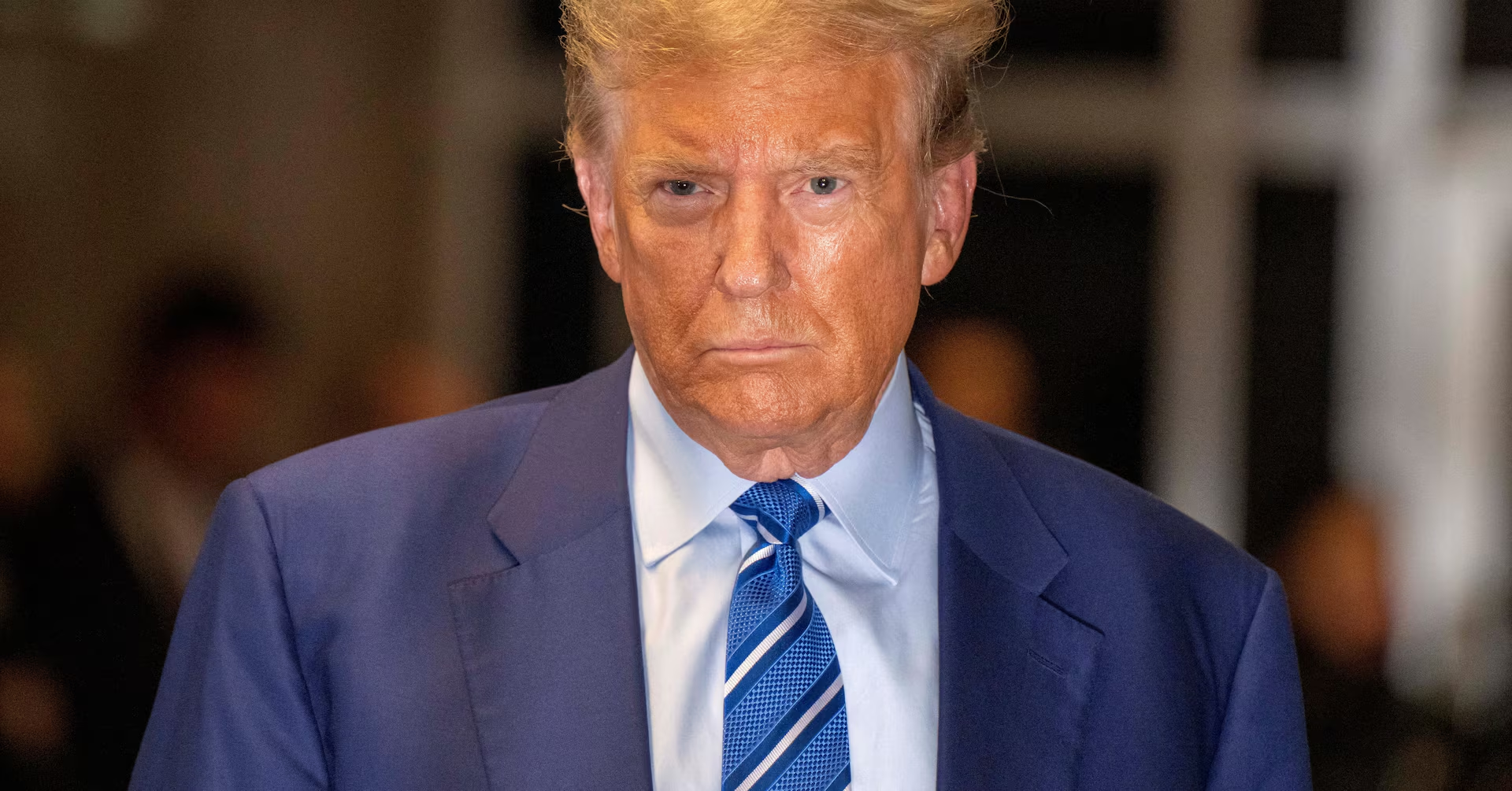
Former President Donald Trump is considering a new middle-class tax cut if he returns to office, with ideas including a federal payroll tax cut and an increase in the standard deduction. While the move could appeal to voters, it may worsen the budget deficit and draw criticism from Democrats. Trump's economic advisers are discussing various tax measures aimed at the middle class, but experts warn of potential risks such as inflation and increased public debt. If elected, Trump plans to extend the Tax Cuts and Jobs Act and reinvigorate the energy industry to address inflation and debt.
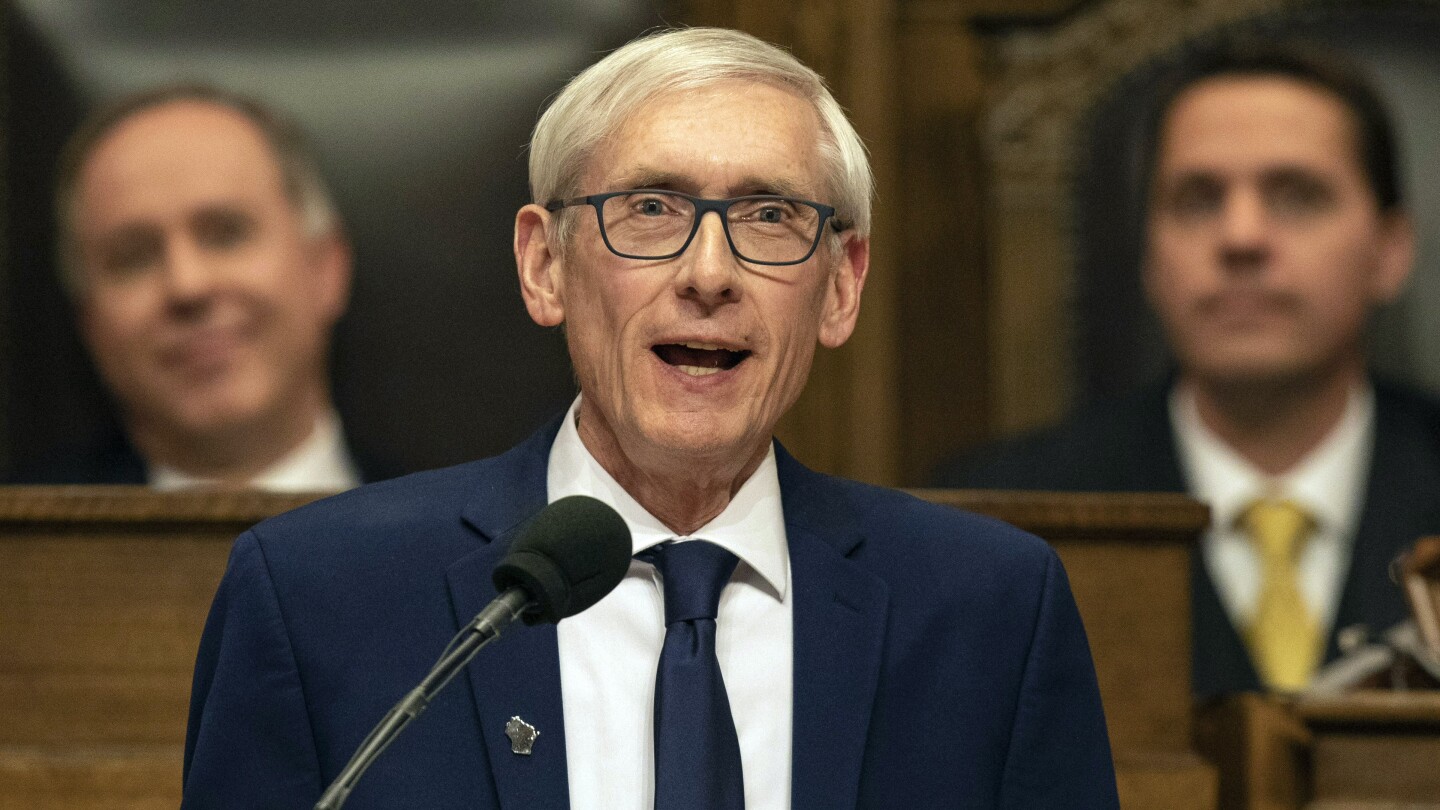
Wisconsin's Democratic Gov. Tony Evers vetoed a $3 billion Republican tax cut, political loyalty pledges for higher education employees, and a plan setting wolf hunting limits, while signing bills supporting Holocaust education and mental health crisis centers. Evers also rejected a bill prohibiting diversity statements in higher education employment decisions and another allowing school boards to hire superintendents without a state license. He signed a bill allowing fees for redacting open records content and vetoed a GOP tax cut bill, citing fiscal irresponsibility, but previously signed a more limited bipartisan tax cut.
West Virginia's Republican-dominated state Legislature concluded its session with a $5 billion budget agreement, including pay raises for teachers and a Social Security tax cut, while failing to pass bills on social issues such as restricting healthcare for transgender adolescents and a proposed "Women’s Bill of Rights." The session was marked by budget disputes and controversial bills, with lawmakers intending to review priority items in a special session in May.
Wisconsin Governor Tony Evers has vetoed a Republican proposal to cut income taxes by $2 billion and expand a tax credit for child care costs, calling it "completely unserious." Evers criticized the bill for failing to address the state's workforce issues and accused Republicans of not taking the issue seriously. The GOP proposal would have lowered taxes for certain income brackets, increased the state credit for dependents, and allowed for increased deductions for private school expenses. Evers had previously proposed his own plan to invest in child care services and workforce programs, but it was rejected by Republicans.
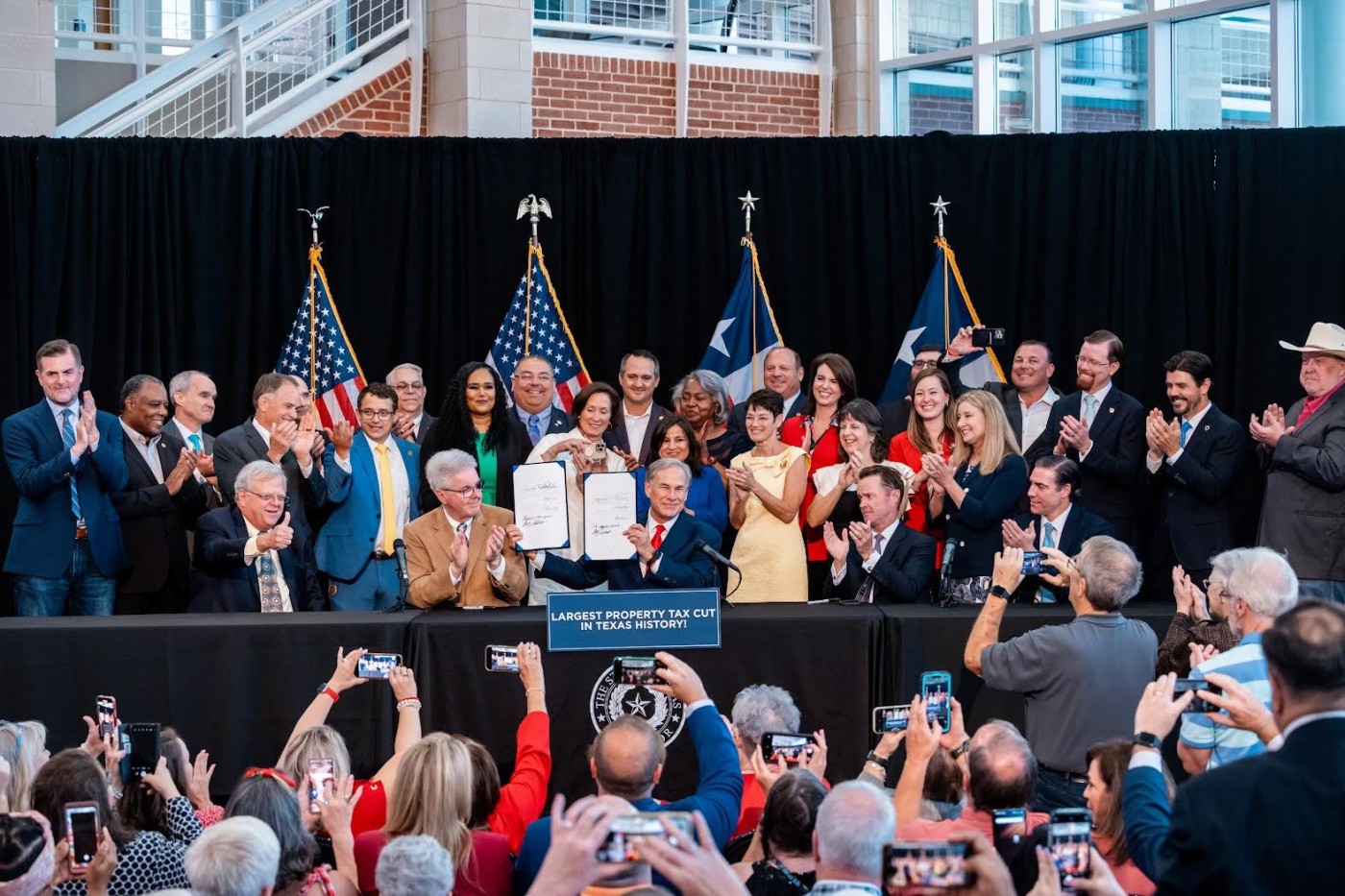
Governor Greg Abbott has signed legislation delivering the largest property tax cut in Texas history, amounting to $18 billion. The tax cut includes raising homestead exemptions to $100,000, protecting senior homeowners from being priced out of their homes, doubling the small business exemption for the Franchise Tax, and protecting small businesses from excessive appraisal increases. The tax relief will be funded by Texas' historic budget surplus and will be subject to approval by Texas voters in November 2023.
Texas lawmakers have announced a deal for an $18 billion property tax cut, which could result in savings for millions of homeowners if approved. The plan includes increasing the homestead exemption from $40,000 to $100,000 for every homeowner and reducing school district maintenance and operation tax rates by nearly 24% for the next two years. If the plan clears both chambers and receives the governor's signature, Texas voters will have to approve a constitutional amendment to raise the homestead exemption. The owner of a median-priced $331,000 home could see a property tax bill savings of around $1,300, or more than $100 per month.
Wisconsin Governor Tony Evers signed a reduced income tax cut into law, resulting in an average decrease of $3 per month for taxpayers. The Democratic governor rejected a larger tax cut proposed by Republicans, arguing that it primarily benefited the wealthy. Under the signed law, households earning between $60,000 and $70,000 annually will receive a $44 tax cut, compared to the $249 cut proposed by Republicans. Republican Assembly Speaker Robin Vos expressed a desire to override the veto, but it is unlikely to happen due to Democratic opposition.
Alabama state lawmakers have passed a bill to cut grocery tax from 4% to 3%, effective from September 1. The full sales tax rates for cities and counties and special taxing districts remain and are not cut as part of this legislation. The typical Alabama family will save $150 per year in groceries under the 1 percentage point reduction in the sales tax. The legislation uses the same definition of food as the federal Supplemental Nutrition Assistance Program, or SNAP. Prepared foods often found in the deli of a grocery store like rotisserie chicken, salads and sandwiches, beer, wine and other adult beverages would not apply.
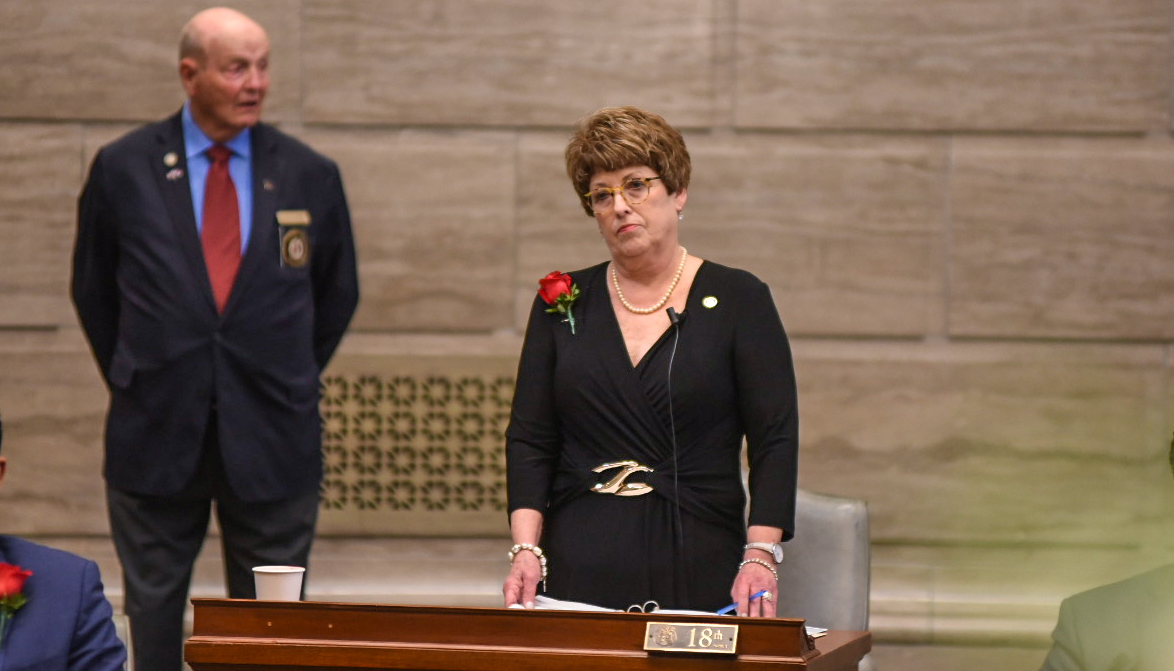
The Missouri Senate faced gridlock on the final day of the legislative session, with only 43 non-budget, policy bills passed, the lowest in 30 years. A bill to make it harder to amend the state constitution through the initiative petition process failed to pass, as did a proposal to eliminate the sales tax on grocery food. Legislation to ban texting while driving, extend postpartum Medicaid coverage, and create a transitional benefits program for the Supplemental Nutrition Assistance Program and Temporary Assistance for Needy Families were among the bills that passed. The Senate was locked in gridlock due to intraparty warfare, with Sen. Bill Eigel filibustering to protest his personal property tax bill being held up until the Senate approved a different bill to legalize sports wagering.
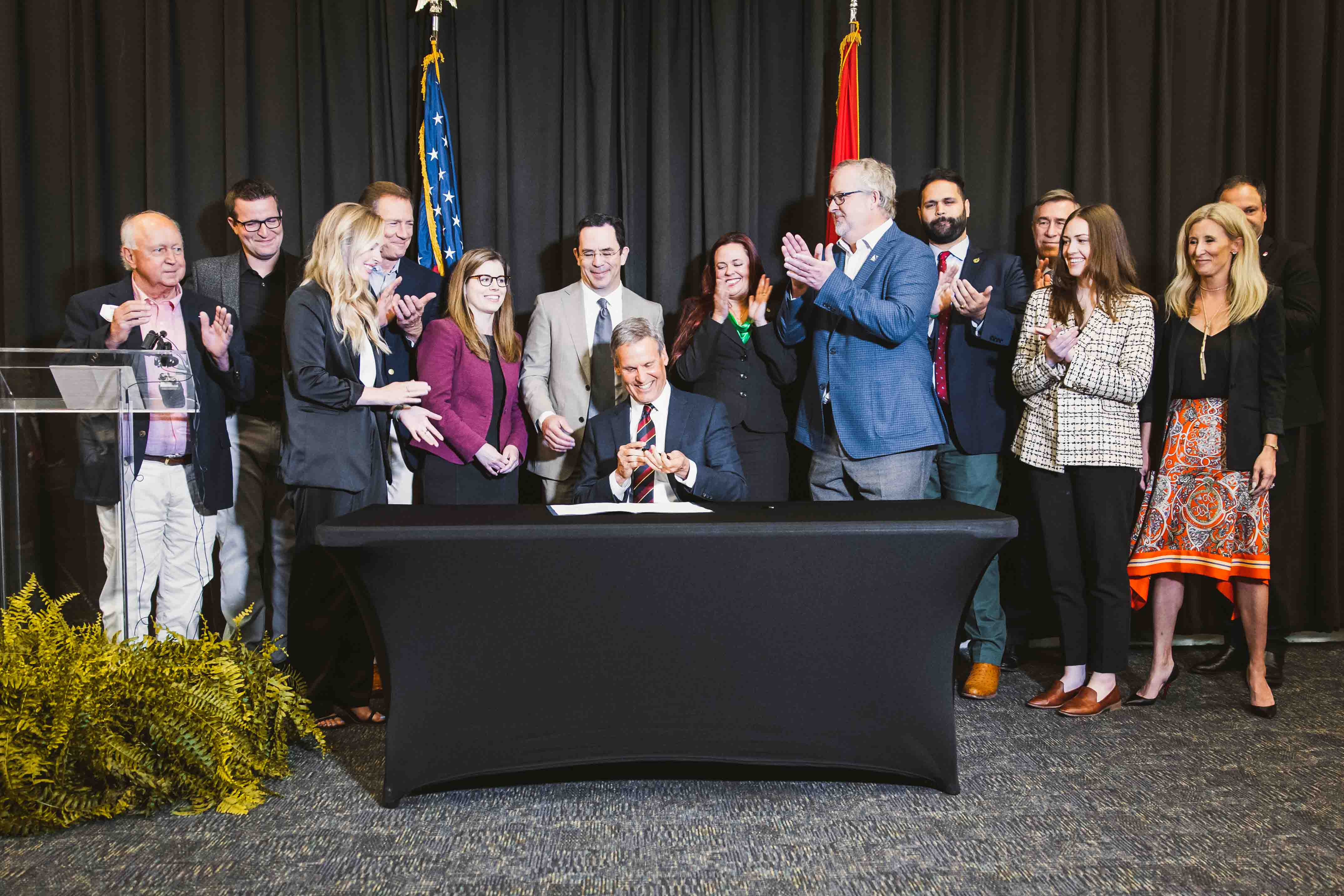
Tennessee Governor Bill Lee signed the Tennessee Works Tax Act, the largest tax cut in state history, providing over $400 million in savings for families and businesses while supporting future economic growth. The legislation includes a three-month grocery tax holiday beginning August 1 and more than $150 million in annual small business tax relief. The act also simplifies tax administration and conforms with the federal bonus depreciation provisions of 2017 Tax Cuts & Jobs Act, allowing businesses to more quickly recover costs and further incentivize investment in Tennessee production.