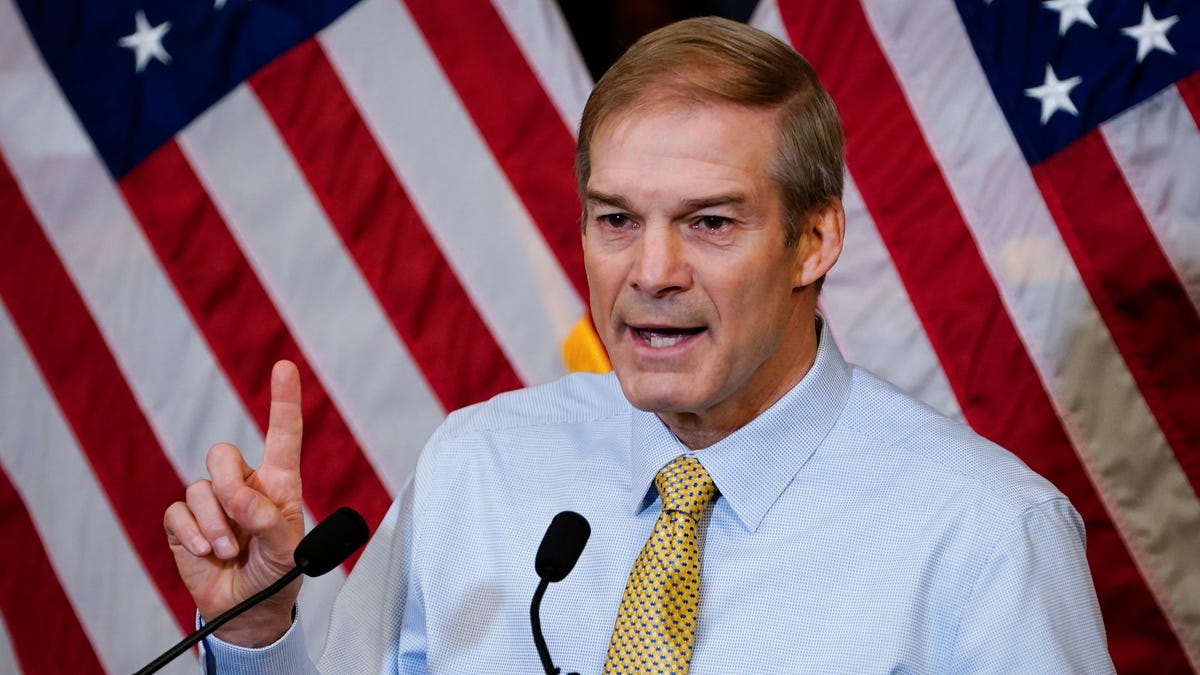
The House of Representatives is in its 17th day without a speaker, causing a logjam in legislative proceedings. The GOP nominated Rep. Jim Jordan for the speakership again, but he is facing intense opposition from at least 20 GOP lawmakers and is on track to lose a third vote. Democrats have nominated House Democratic Leader Hakeem Jeffries. The ongoing gridlock means that important legislation, such as President Biden's requested aid package for Israel and Ukraine, cannot advance. Democratic leaders are open to empowering a temporary speaker to get the House moving again, but there is a lack of consensus among Republicans.
Congress is facing a crisis as it grapples with a convergence of challenges, including the aftermath of the January 6 riot, a lack of cohesive plans from Republicans, and a looming government shutdown. Republicans are frustrated with their party's lack of strategy and are growing increasingly divided. Meanwhile, Democrats are hesitant to push through nominations, causing further tension. Speaker Kevin McCarthy is struggling to find a way to avoid a shutdown, and even his recent support for an impeachment inquiry failed to quell rebellion within his party. The Senate is also facing obstacles, with bipartisan efforts being protested and a standstill occurring. The situation is causing frustration and uncertainty among lawmakers.
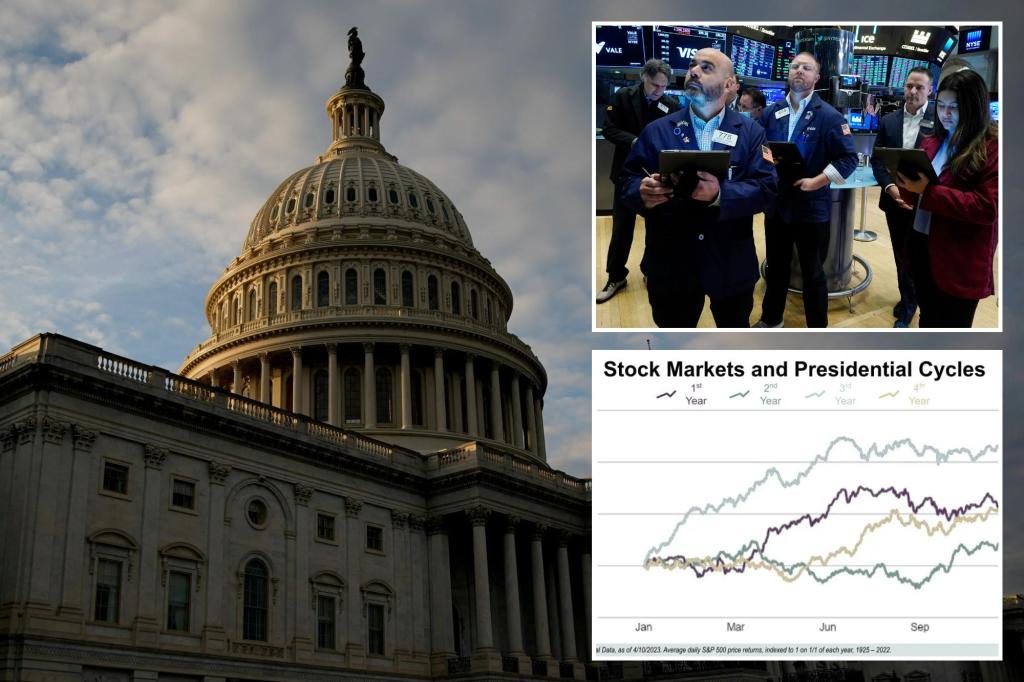
The author argues that political gridlock following the midterm elections is beneficial for stocks, citing historical data that shows positive stock market performance during the nine months leading up to midterms. They predict that despite bearish sentiment and concerns over inflation and tax hikes, stocks will continue to rise in the back half of the president's third year. The article also highlights the potential impact of the 2024 election and the likelihood of a Republican-controlled Senate, which could boost business enthusiasm. Additionally, the author dismisses concerns about commercial real estate and suggests a shift towards more traditional industrial and economically sensitive stocks. Overall, they believe that gridlock and a gradual decline in inflation will contribute to positive stock market performance well into 2024.
The Massachusetts Department of Transportation (MassDOT) has installed new gates in the Ted Williams Tunnel to alleviate gridlock and improve traffic flow. The flashing red gates with arrows will occasionally block one lane of traffic to create space for emergency situations and ease congestion for airport travelers. The ongoing closure of the Sumner Tunnel has caused frustration among drivers, particularly in East Boston. MassDOT has offered alternative travel options such as free T and ferry rides, but for those who must drive, they are advised to allow extra time. The Sumner Tunnel project is expected to be completed by the end of August.
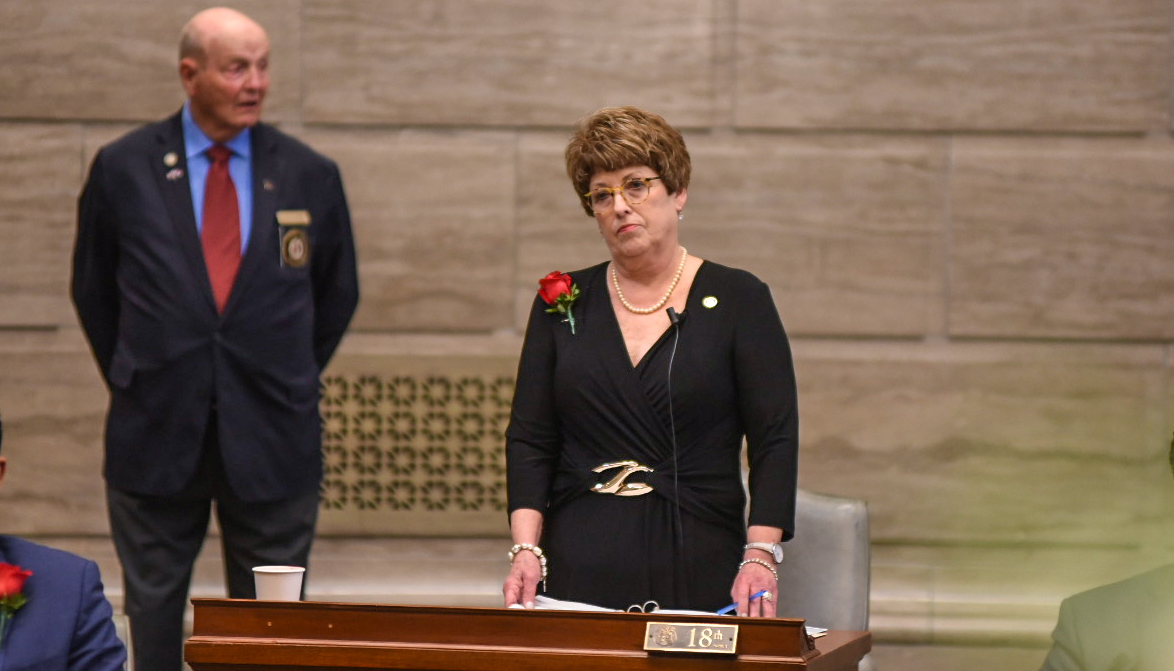
The Missouri Senate faced gridlock on the final day of the legislative session, with only 43 non-budget, policy bills passed, the lowest in 30 years. A bill to make it harder to amend the state constitution through the initiative petition process failed to pass, as did a proposal to eliminate the sales tax on grocery food. Legislation to ban texting while driving, extend postpartum Medicaid coverage, and create a transitional benefits program for the Supplemental Nutrition Assistance Program and Temporary Assistance for Needy Families were among the bills that passed. The Senate was locked in gridlock due to intraparty warfare, with Sen. Bill Eigel filibustering to protest his personal property tax bill being held up until the Senate approved a different bill to legalize sports wagering.