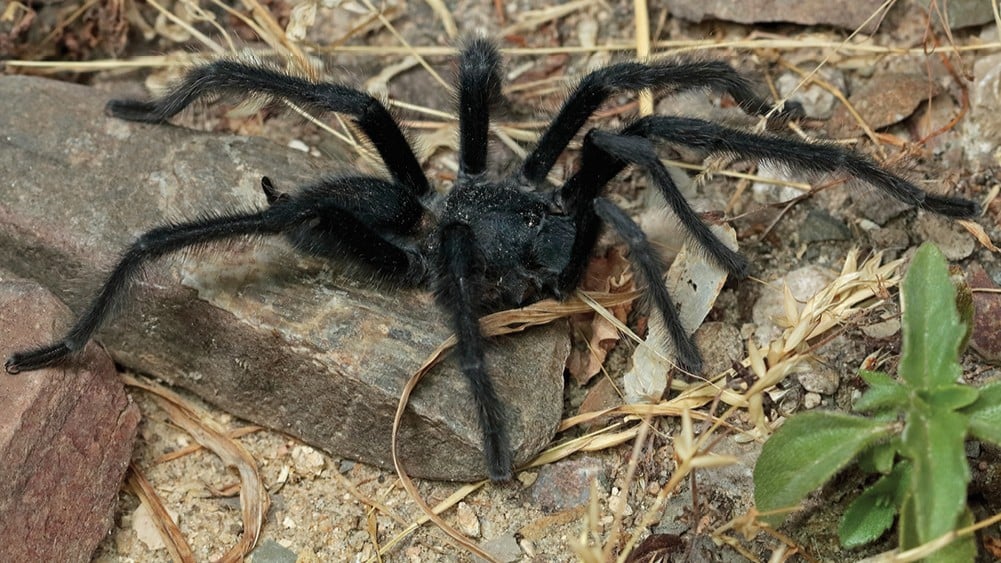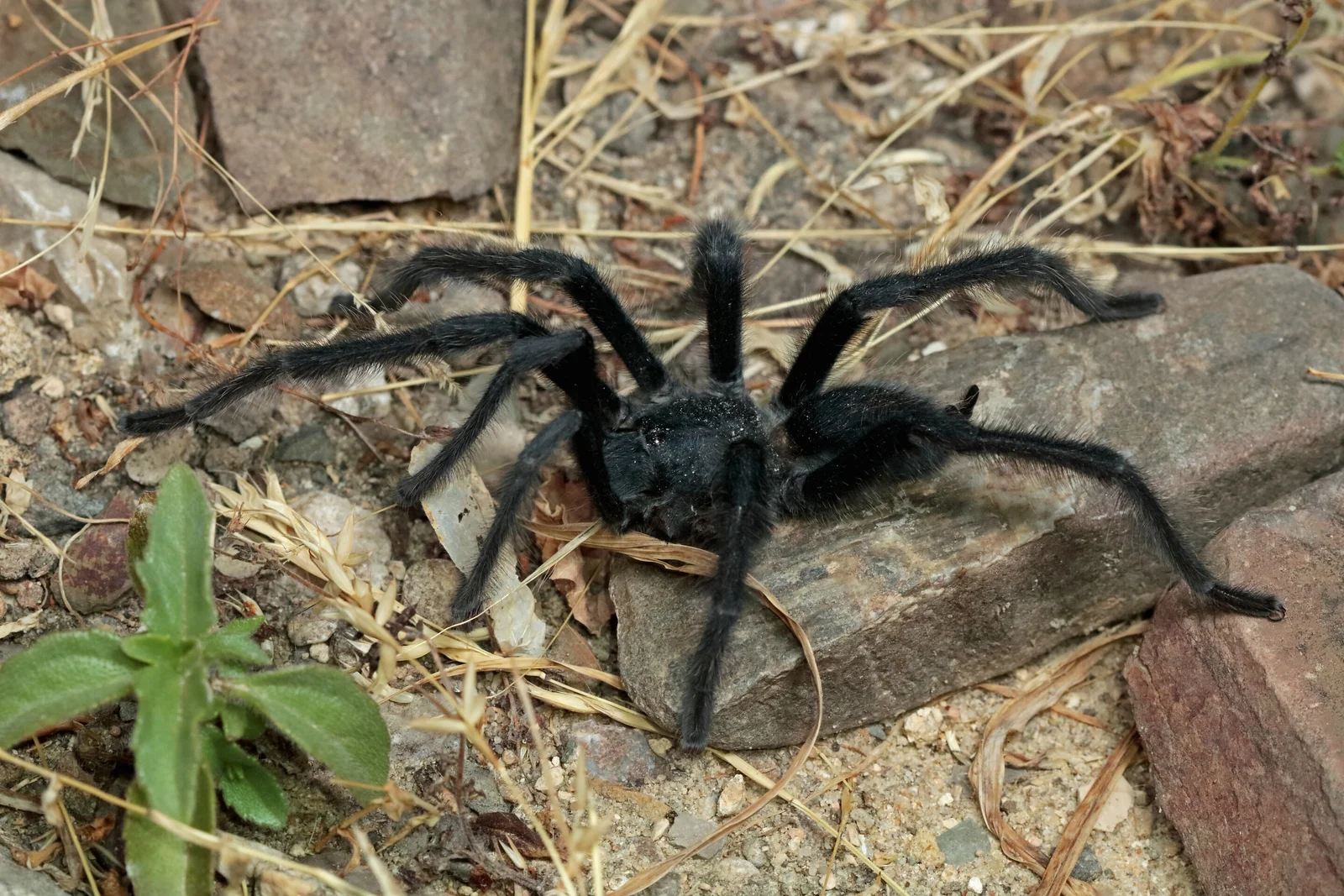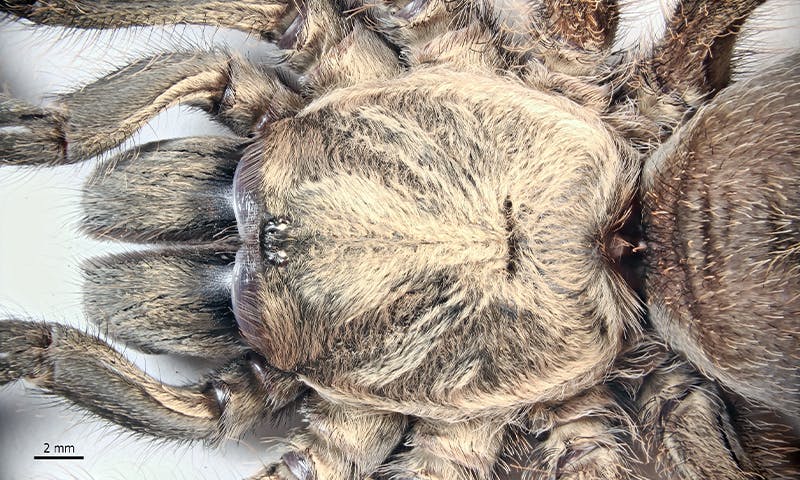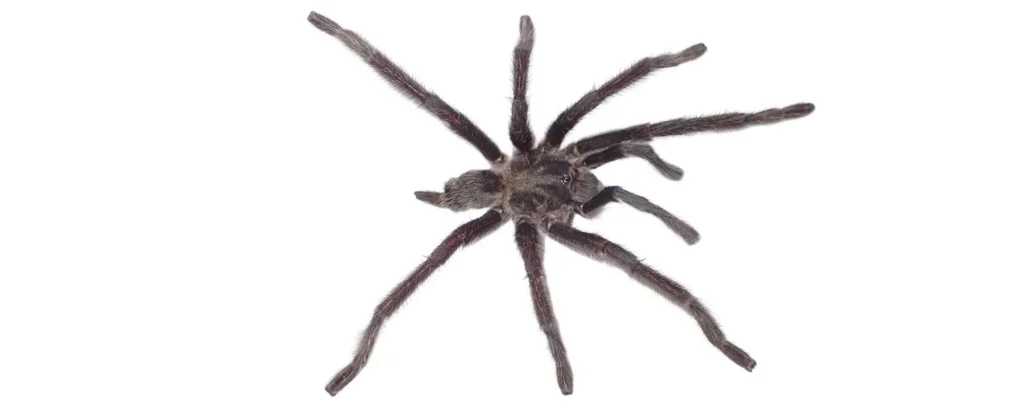
Four new tarantula species have been discovered, notable for their exceptionally long reproductive appendages called palps, with the largest species named Satyrex ferox, dubbed the 'genital king' due to its record-breaking organ length, which may serve as a defense mechanism during mating.
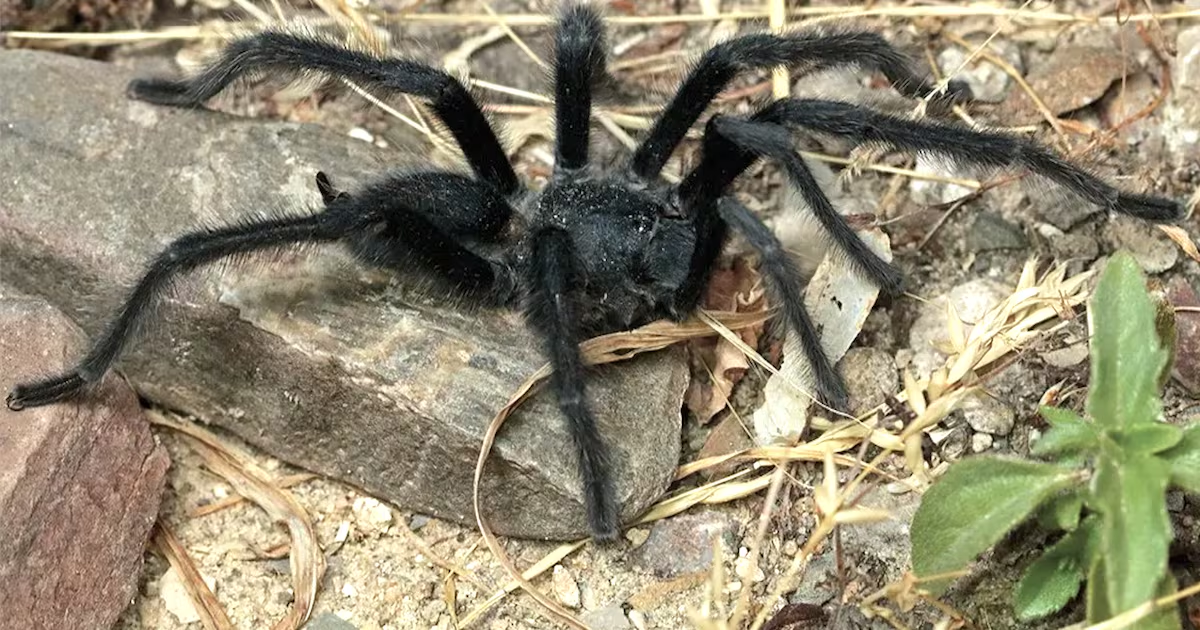
Scientists discovered four new tarantula species with males possessing extraordinarily long palps, up to four times their body length, likely as a survival adaptation to avoid cannibalistic females, leading to the creation of a new genus, Satyrex.
Scientists have discovered four new tarantula species with males possessing record-long genitalia, leading to the creation of a new genus called Satyrex, to better classify these distinct spiders. The males' long palps are believed to help them maintain distance from aggressive females during mating, and the species are found in the Arabian Peninsula and Horn of Africa.
Four new tarantula species have been discovered in the Arabian Peninsula and Horn of Africa, leading to the creation of a new genus, Satyrex, characterized by males with record-long palps that may help them avoid female aggression during mating. The species are highly defensive and fossorial, with notable morphological features that distinguish them from related tarantulas.
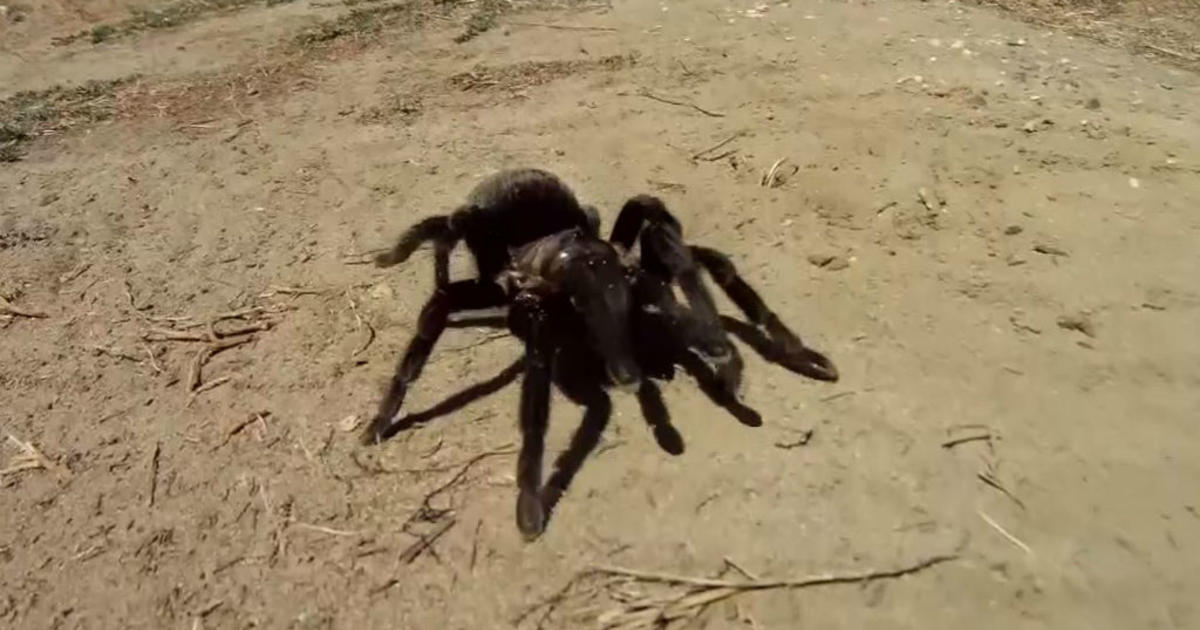
A tarantula crossing the road in Death Valley National Park caused a traffic accident when a couple from Switzerland abruptly stopped their rented camper van to avoid hitting it, resulting in a 24-year-old motorcyclist from Canada crashing into the back of the van. The motorcyclist was taken to the hospital, and the tarantula walked away unharmed. The park service reminds drivers to be cautious and drive slowly, as the roads still have gravel patches due to flood damage and wildlife is active in the area. Tarantulas are slow-moving and nonaggressive, with a bite similar to a bee sting that is not deadly to humans.
A motorcyclist was hospitalized after a Swiss couple braked suddenly to avoid hitting a tarantula crossing the road in Death Valley National Park. The motorcyclist crashed into the back of their rented camper van, and was transported to a hospital. The National Park Service is cautioning visitors to drive slowly in the park, especially on steep hills, due to gravel patches from flood damage and the presence of various critters. The tarantula, however, walked away unscathed.
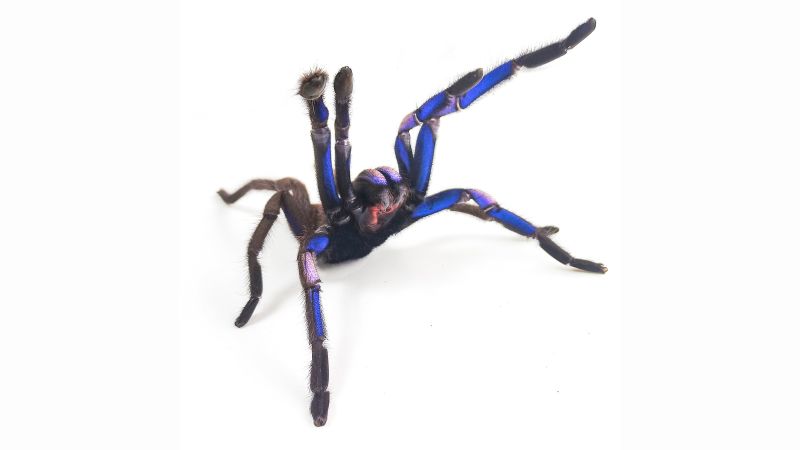
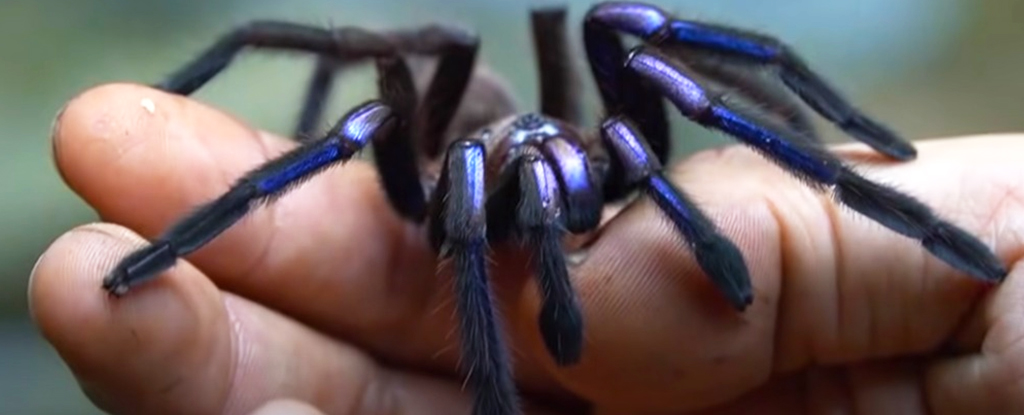
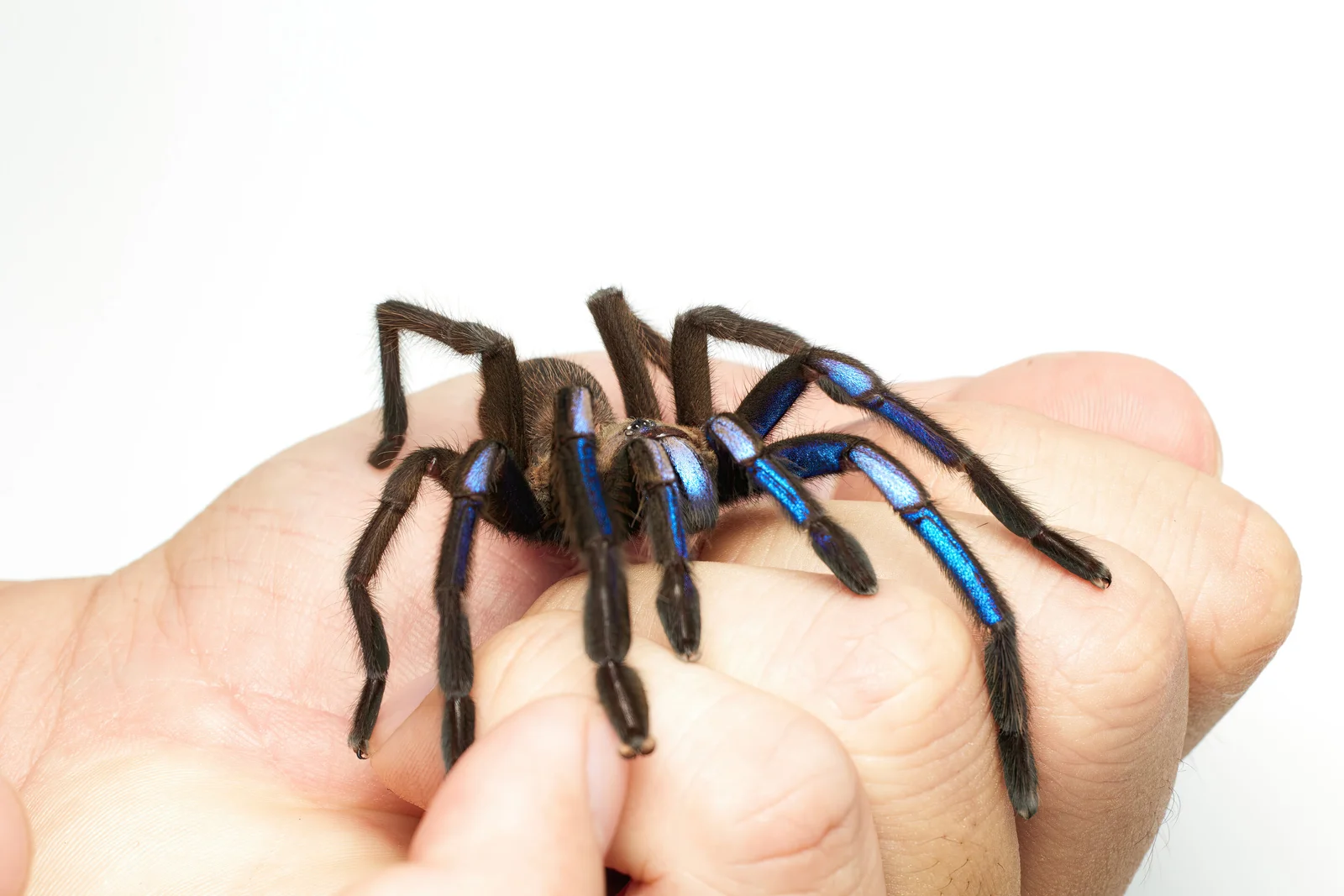
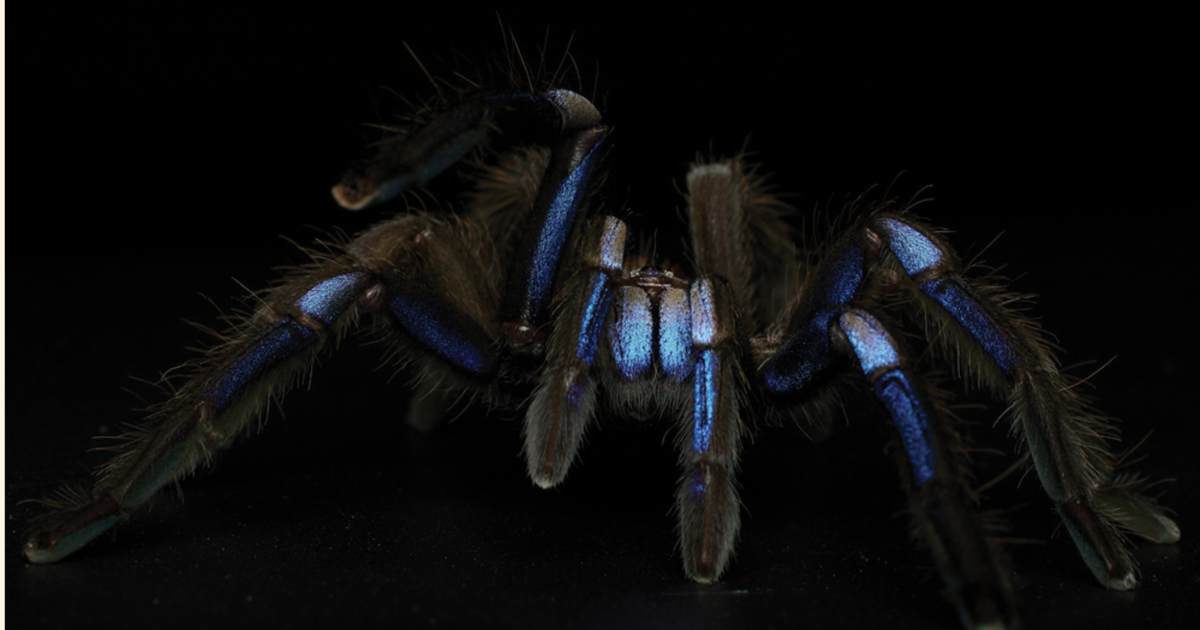
A new species of tarantula, known as the bamboo culm tarantula, has been discovered in a mangrove forest in Thailand. Despite its vibrant blue appearance, the spider's body does not contain blue pigments. Instead, the blue color is created by the unique structure of its hair, which incorporates nanostructures that manipulate light. This species was previously found on the commercial tarantula market but had not been documented in terms of its distinctive features or natural habitat.
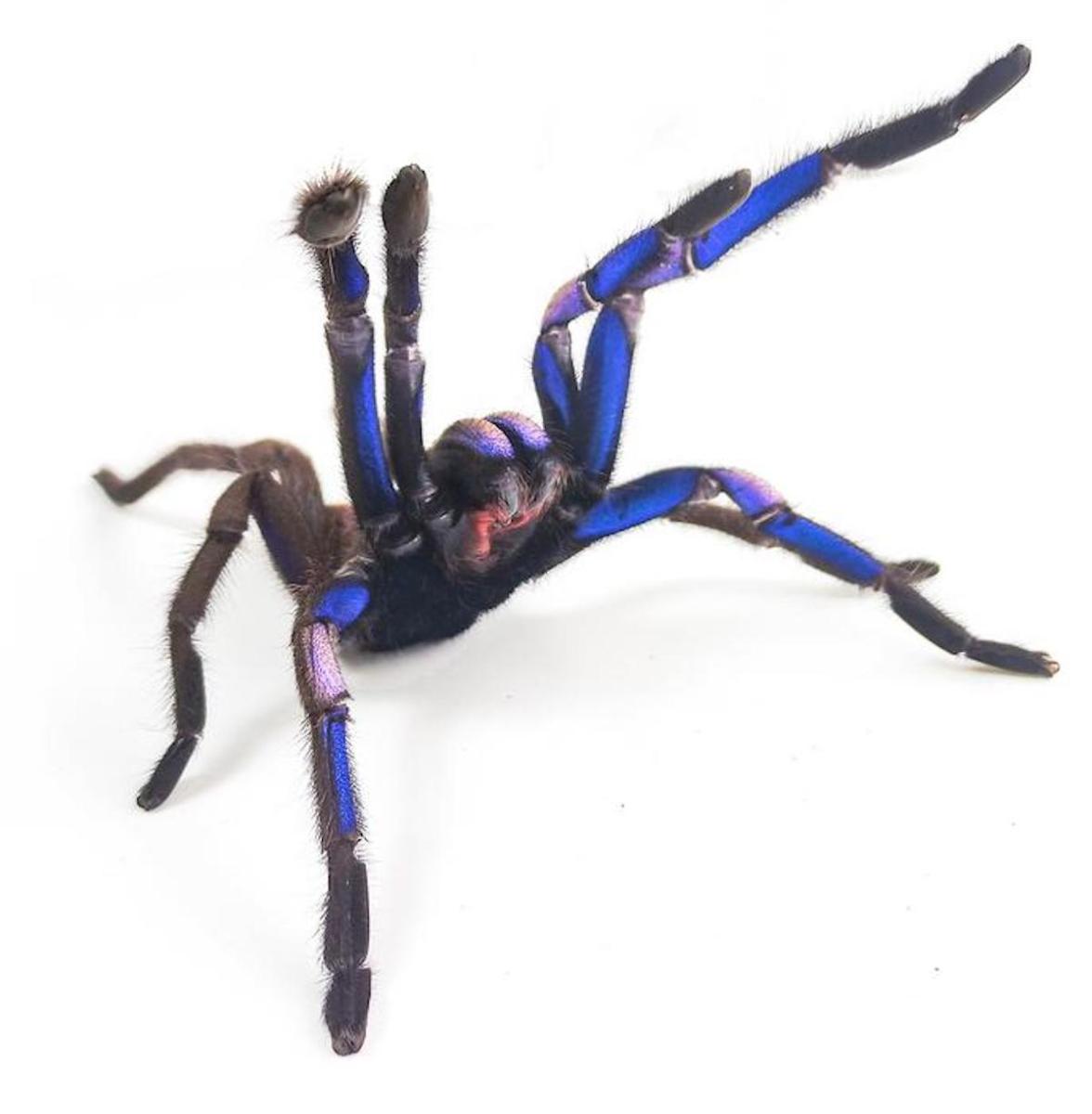
A new species of tarantula with a mesmerizing electric blue coloration has been discovered in Thailand. The researchers found the spider during an expedition to study tarantula diversity in the country. The blue color comes from the unique structure of the spider's hair, which incorporates nanostructures that manipulate light. The species, named Chilobrachys natanicharum, is adaptable and can live in both terrestrial and arboreal environments. However, due to the decline of mangrove forests, the electric blue tarantula is considered one of the world's rarest tarantulas.
A new species of tarantula, named Chilobrachys natanicharum, has been discovered in the mangrove forests of Thailand. This tarantula stands out with its dazzling blue highlights, which are produced by structural coloring rather than pigmentation. The species is one of the rarest known tarantulas and appears to use its vivid blue and violet markings for communication. The discovery emphasizes the importance of preserving natural habitats like mangrove forests, which provide unique ecological niches for various species.
A new species of tarantula with electric blue coloration, named Chilobrachys natanicharum, has been discovered in Thailand's mangrove forests. This is the first tarantula species ever found in a Thai mangrove forest. The blue coloration is not due to blue pigments but rather the unique structure of their hair, which manipulates light to create the striking blue appearance. The discovery raises concerns about the potential impact of deforestation on the tarantula's habitat. The scientific name was chosen through an auction campaign, with proceeds donated to support the education of Lahu children in Thailand and poor cancer patients.
Entomologists in Thailand have discovered a new species of tarantula, named Chilobrachys natanicharum, with a rare blue-violet hue resembling electrical sparks. The coloring on the legs is unique and iridescent, with females and young males having more violet than metallic-blue hairs. The spider is found in Thailand's southern mangrove forests and may also inhabit evergreen forests. However, habitat destruction and hunting have impacted the species, emphasizing the need for conservation and protection.
Alireza Zamani, an arachnologist and taxonomist from Iran, discovered a new species of tarantula in the Zagros Mountains of Northwestern Iran. The tarantula, named the Persian Gold Tarantula, is the first record of the Chaetopelma genus in Iran and only the third known species of tarantulas in the country. Zamani hopes to work towards a full taxonomy of the genus and identify more tarantula species in Iran. Tarantulas are important bio-controllers of insect populations and their decline is concerning given the crashing insect populations worldwide.