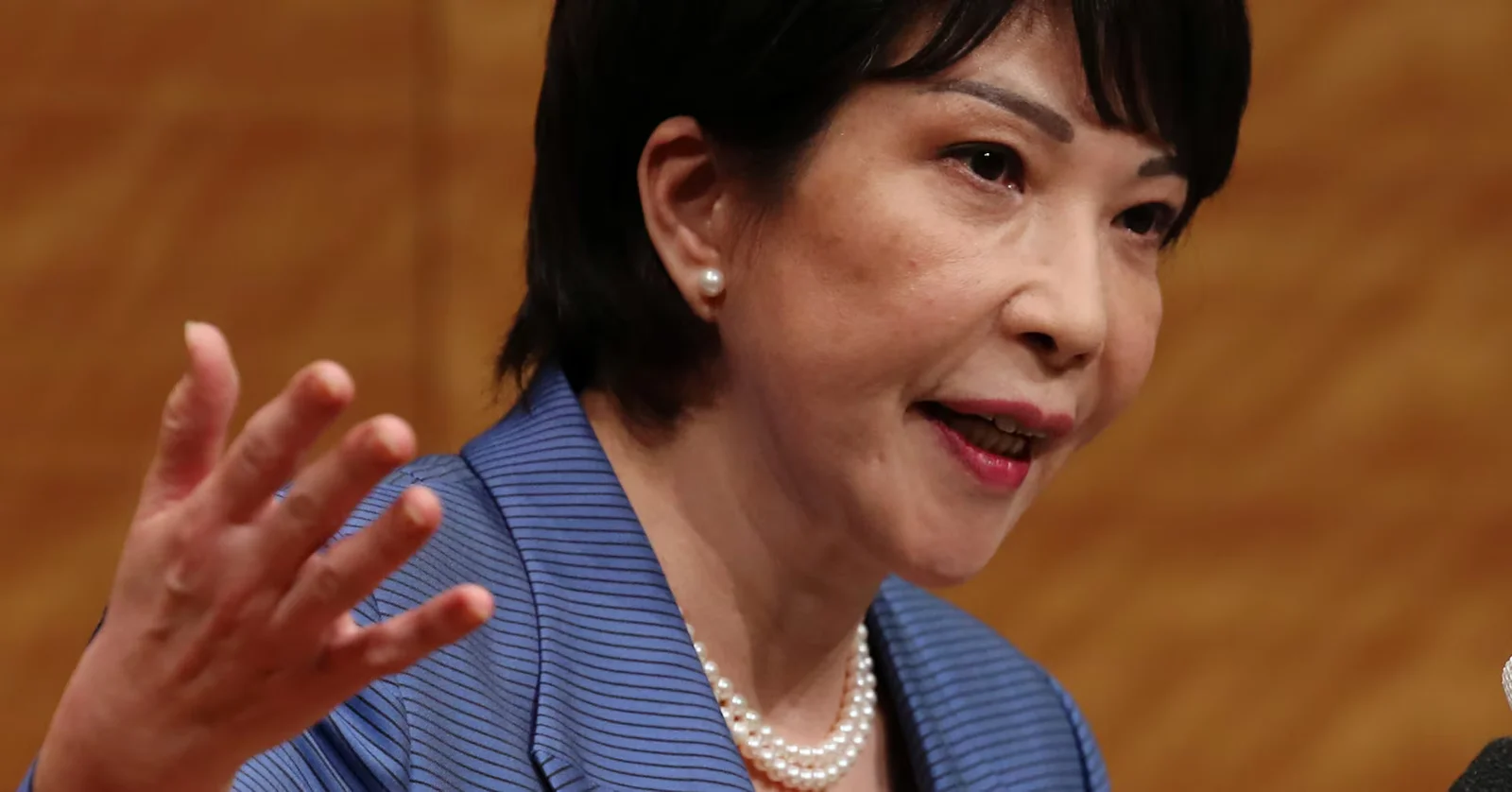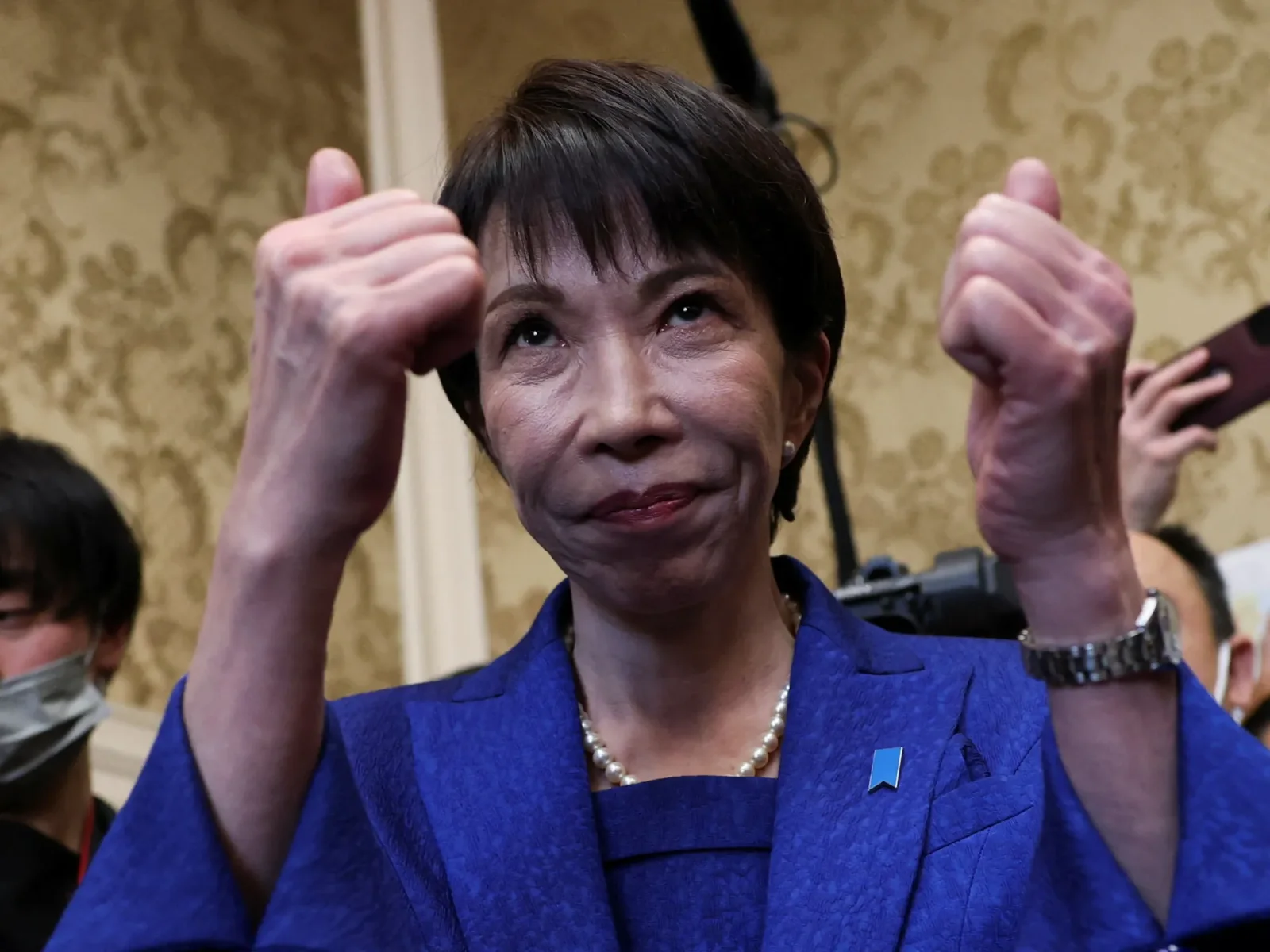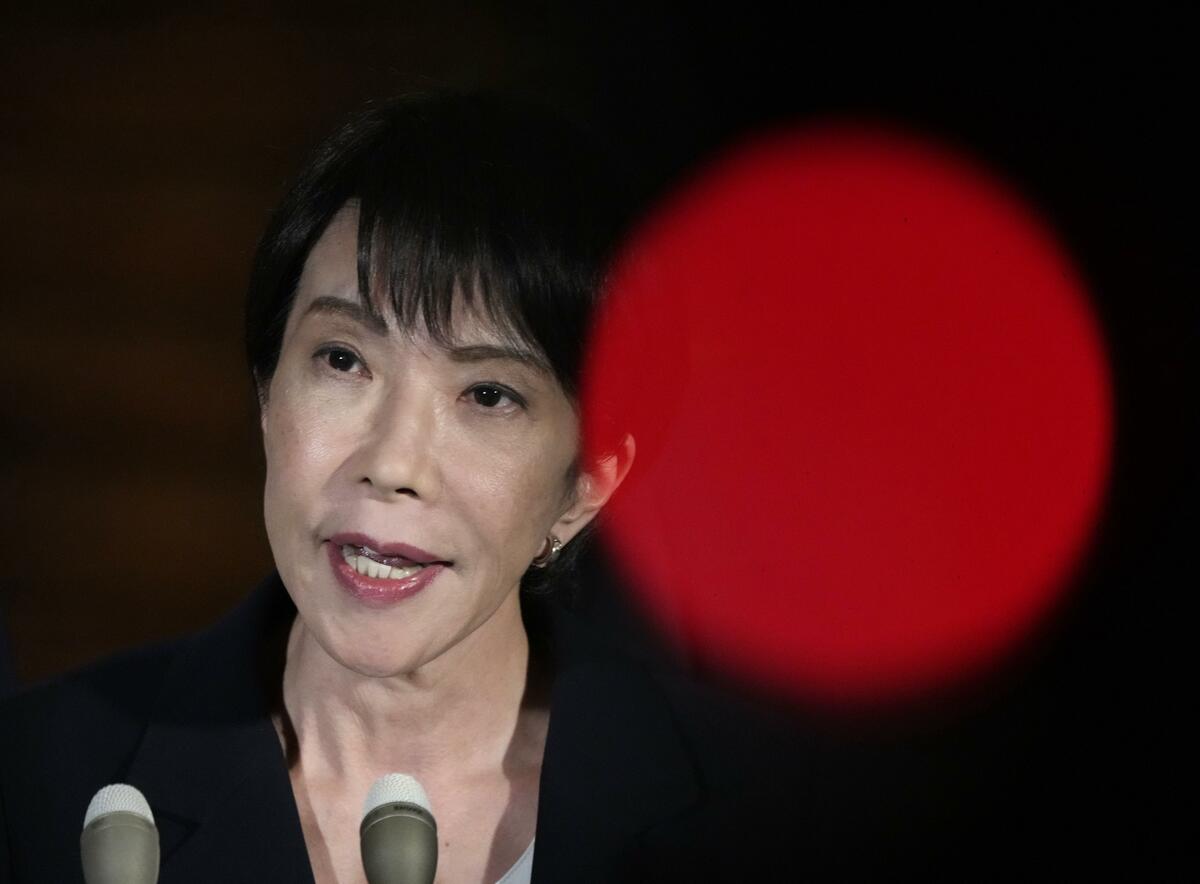
A source within Japan's prime minister's office suggested that Japan needs nuclear weapons, deviating from its long-standing non-nuclear principles, amid discussions led by Prime Minister Sanae Takaichi who is considering reviewing these principles, sparking controversy given Japan's pacifist stance and reliance on U.S. nuclear deterrence.
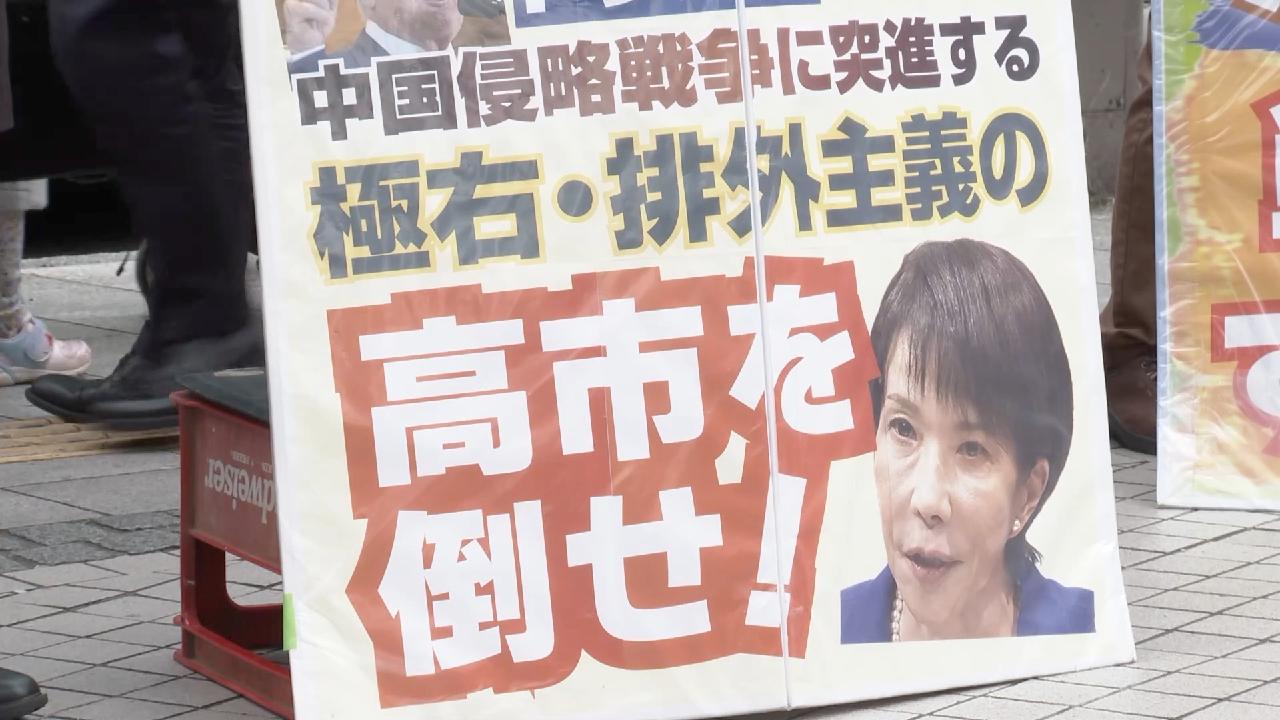
Japan's Prime Minister Sanae Takaichi faces widespread protests and international criticism after making controversial remarks about Taiwan, which are seen as escalating tensions with China and undermining regional stability, with many calling for her resignation and warning of a return to militarism.
Prime Minister Sanae Takaichi's government is working on revising policies regarding foreign nationals by January to enforce stricter measures against law violators, aiming to address public concerns while distancing from xenophobia.
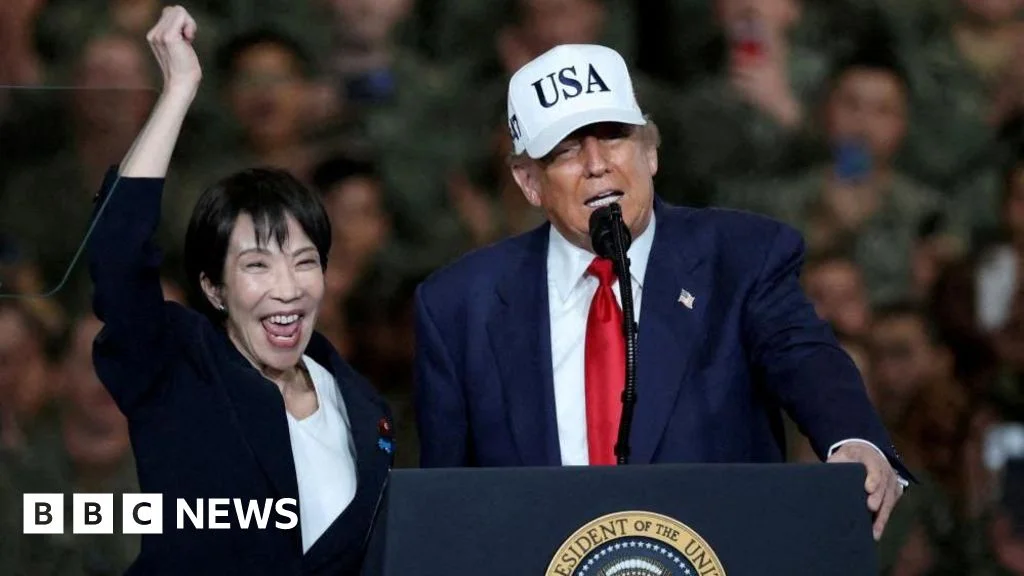
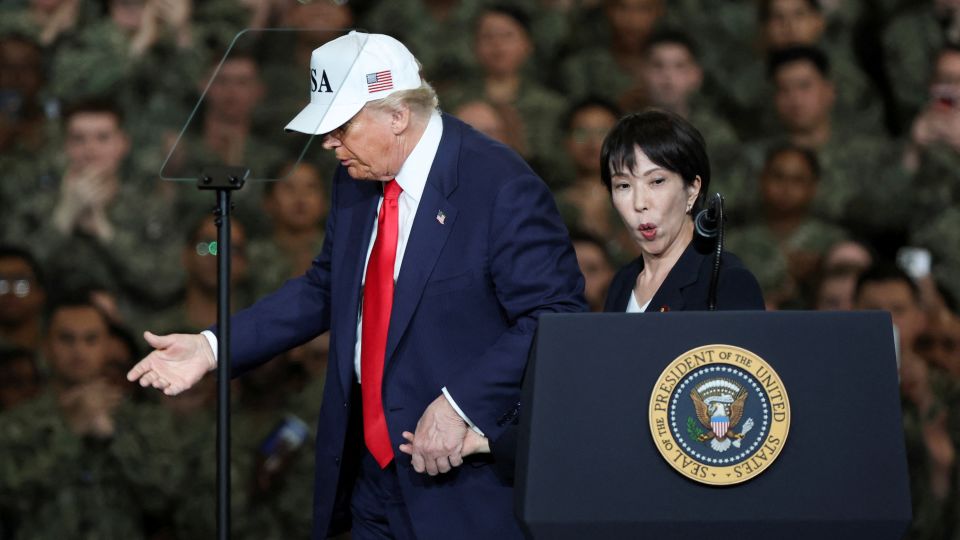
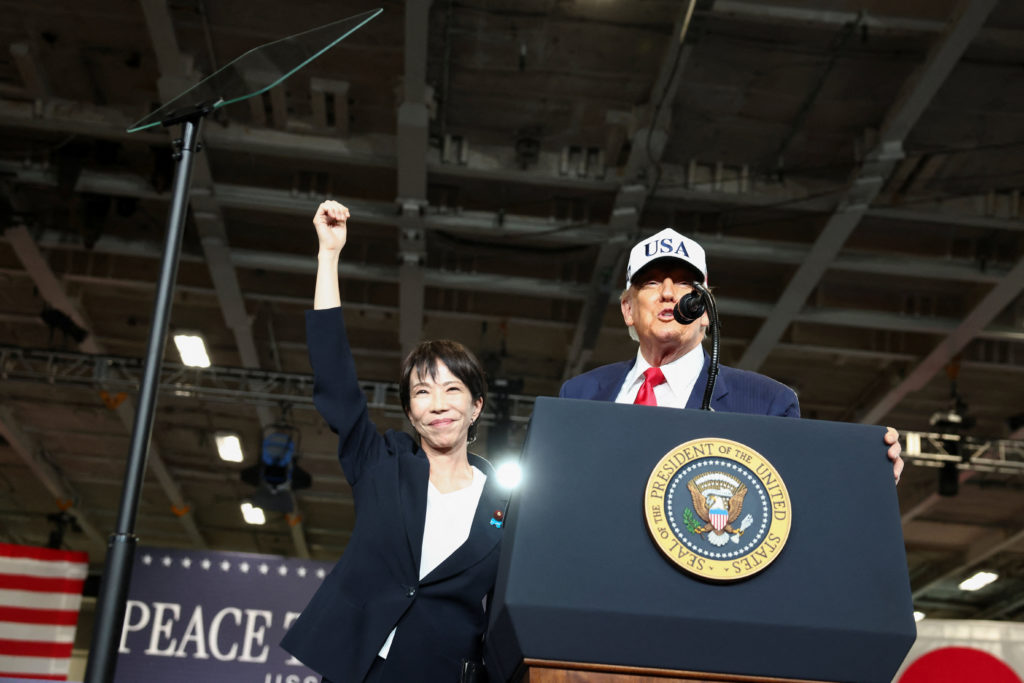
During their first meeting in Tokyo, Donald Trump and Japanese Prime Minister Sanae Takaichi displayed a warm camaraderie rooted in shared political views and historical ties, emphasizing a strategic alliance against China through cooperation on rare earths, trade, and military support, while also strengthening Takaichi's political position domestically and boosting Trump's diplomatic momentum.
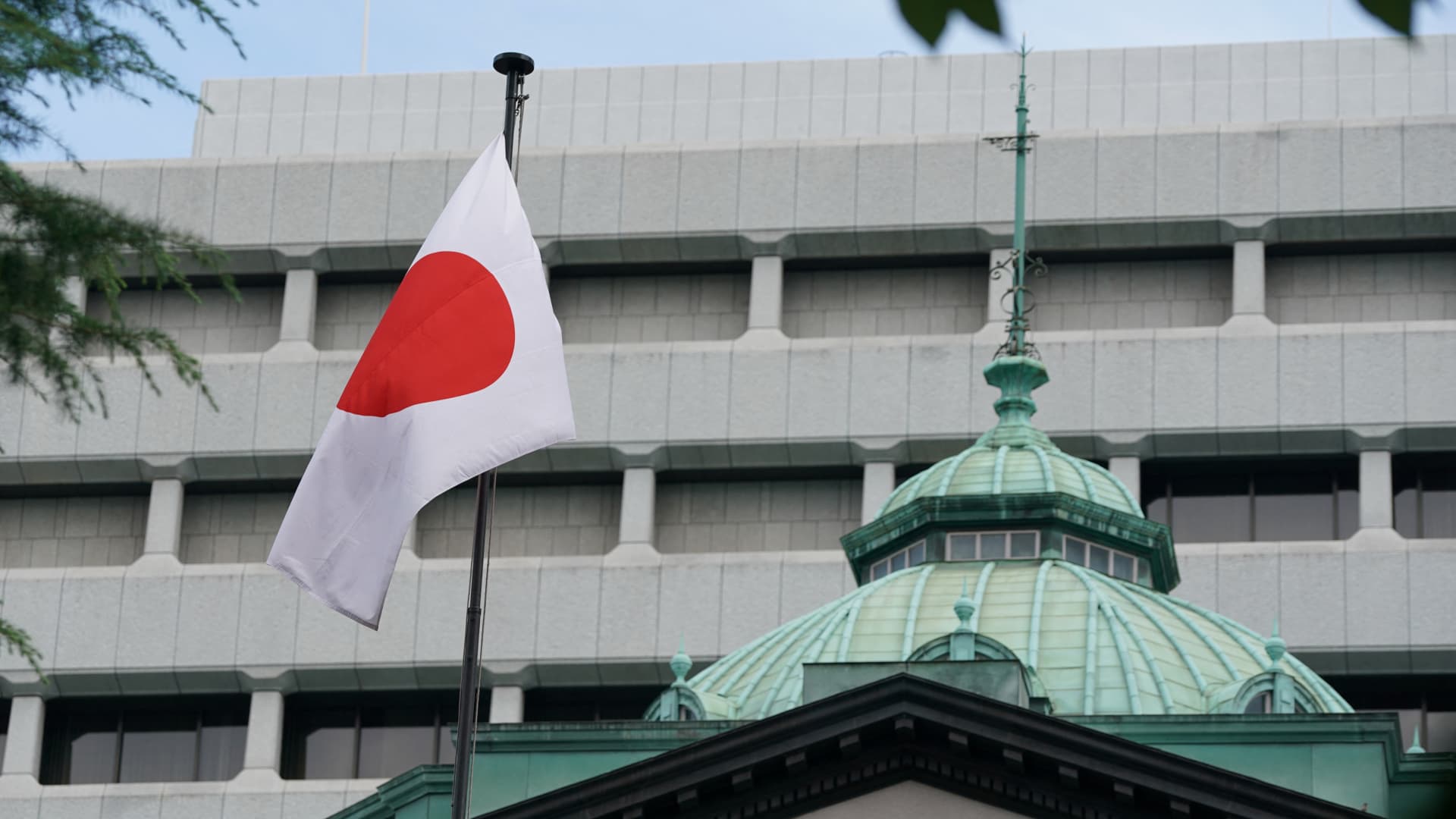
The Bank of Japan kept interest rates steady at 0.5% in its first meeting after Prime Minister Sanae Takaichi's rise to power, amid ongoing inflation and a weak yen, with some members proposing a hike. The decision reflects cautious policy stance, while tensions with the US over currency strength and Japan's economic strategies continue to influence market dynamics.
During his visit to Japan, President Trump strengthened ties with Prime Minister Takaichi, announced significant Japanese investments in the U.S., and signed agreements to enhance the US-Japan alliance, focusing on critical minerals and economic cooperation, amid ongoing diplomatic engagements in Asia.
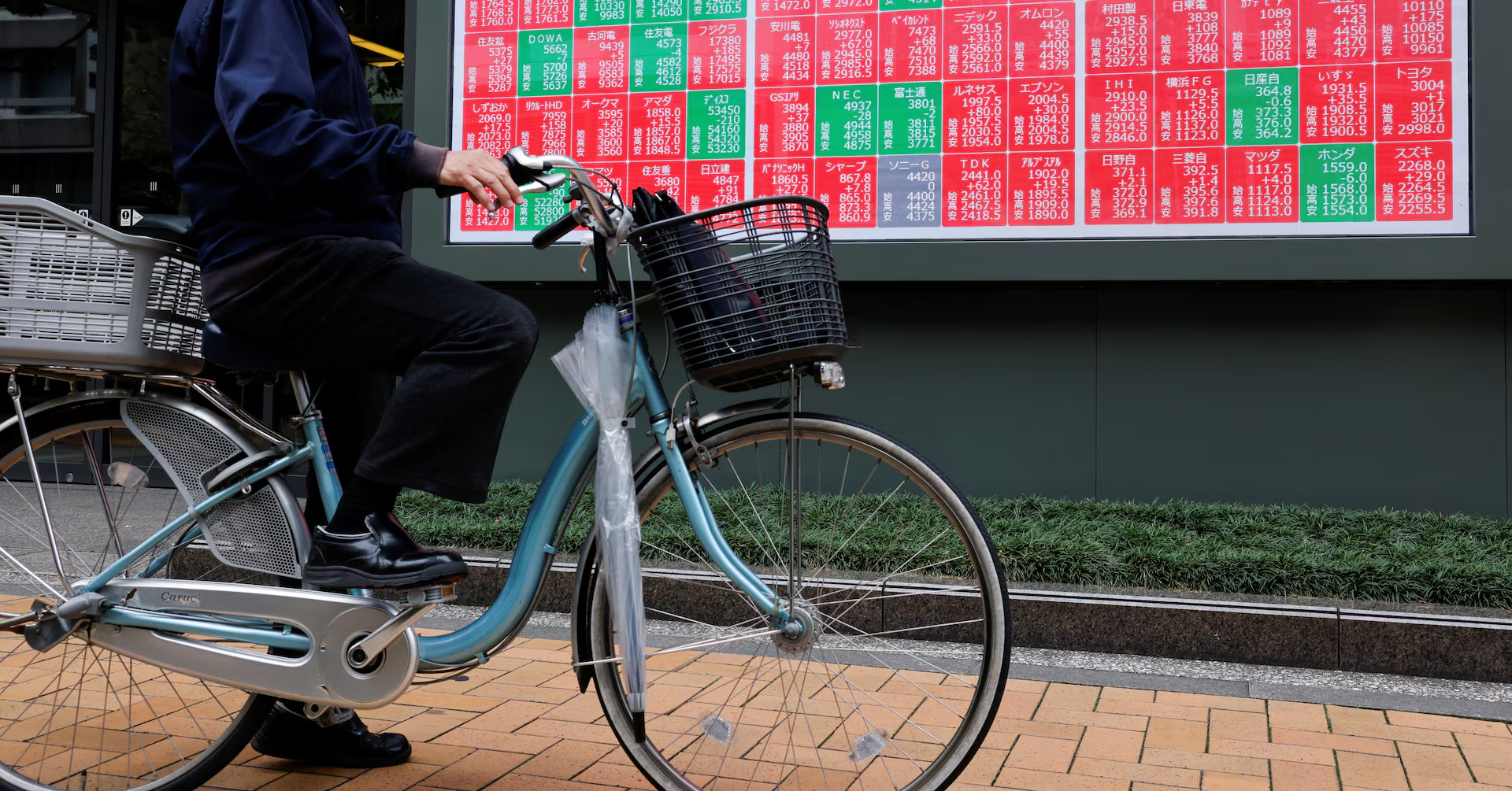
Japan's Nikkei index surpassed 50,000 for the first time, driven by optimism over government stimulus spending and policies focused on growth under Prime Minister Sanae Takaichi, marking a significant milestone in Japan's stock market recovery.
President Trump visits Japan to strengthen ties with Prime Minister Takaichi, focusing on trade relations and symbolic gestures like the potential import of Ford F-150 trucks, amid broader efforts to counter China's economic influence and boost U.S.-Japan economic cooperation.
During his Asia trip, Trump will meet Japan's new Prime Minister Takaichi, a protege of Shinzo Abe, and their interaction will test the strength of US-Japan relations amid regional security and trade issues, including China and Taiwan.
Japan's Prime Minister Sanae Takaichi plans to accelerate the country's defense spending to 2% of GDP by the end of this fiscal year, using a supplementary budget, and will revise key security documents to support increased military capabilities ahead of U.S. President Trump's visit.
Japanese Prime Minister Sanae Takaichi has ordered a new economic package to combat inflation, including subsidies, regional grants, and support for small and medium-sized businesses, while also focusing on strengthening economic security and responding to US tariffs. The package aims to address rising living costs and inflation concerns through targeted measures and strategic investments, with a focus on responsible fiscal policy amid Japan's high public debt.
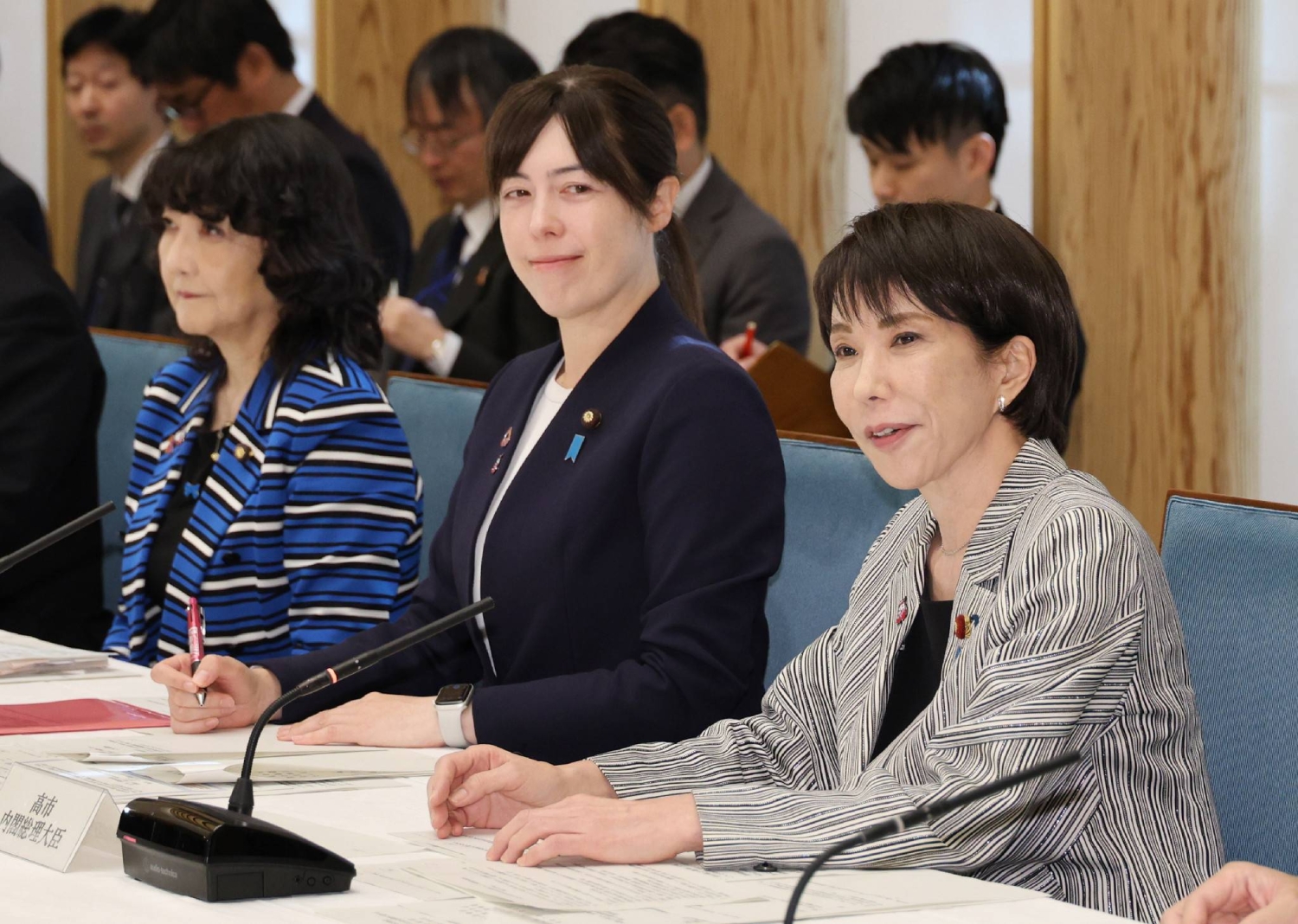
Japan's first female prime minister, Sanae Takaichi, has established a new cabinet portfolio focused on promoting an 'orderly coexistent society with foreigners,' appointing Kimi Onoda to oversee this initiative, alongside other key appointments aimed at strengthening foreign resident policies and advancing economic and security strategies.
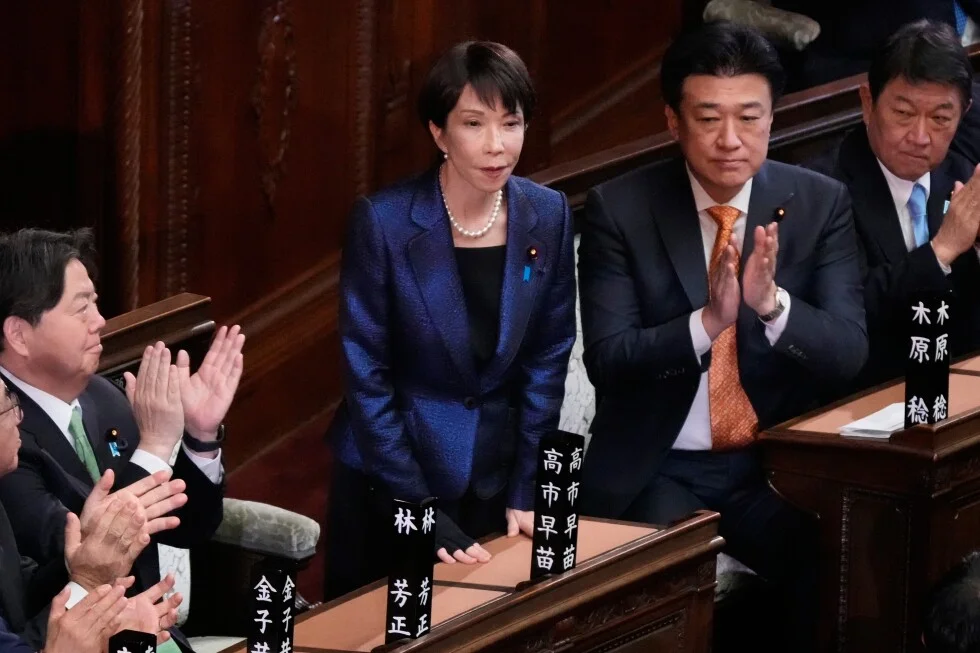
Japanese stocks experienced volatility and the yen weakened as Sanae Takaichi won a parliamentary vote to become prime minister, signaling potential for increased fiscal spending and impacting market sentiment amid political and economic uncertainties.
Asian stocks surged as optimism grew over easing US-China trade tensions and the election of Sanae Takaichi as Japan's next prime minister, boosting risk sentiment and pushing markets higher despite recent credit concerns and a weaker yen.