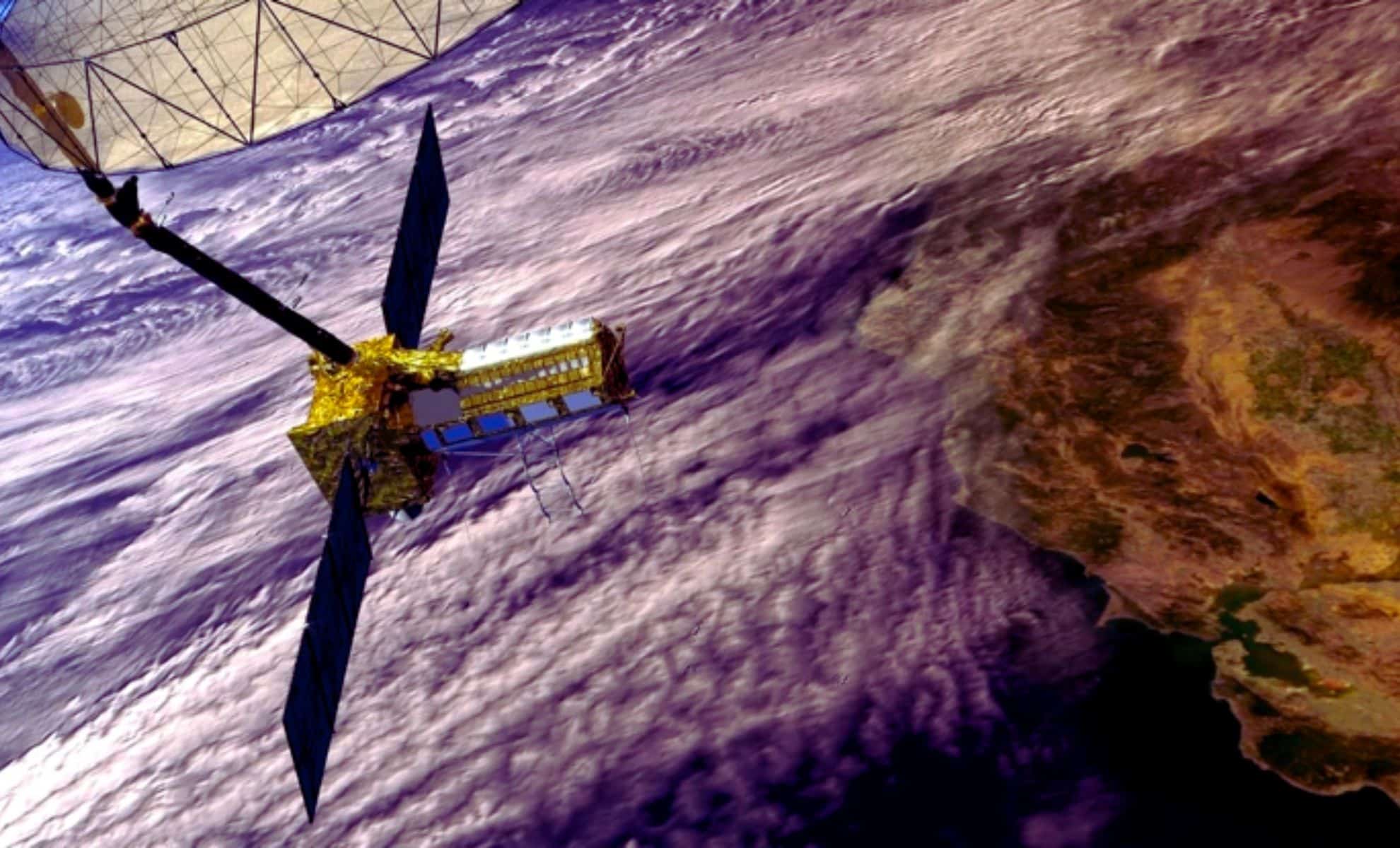
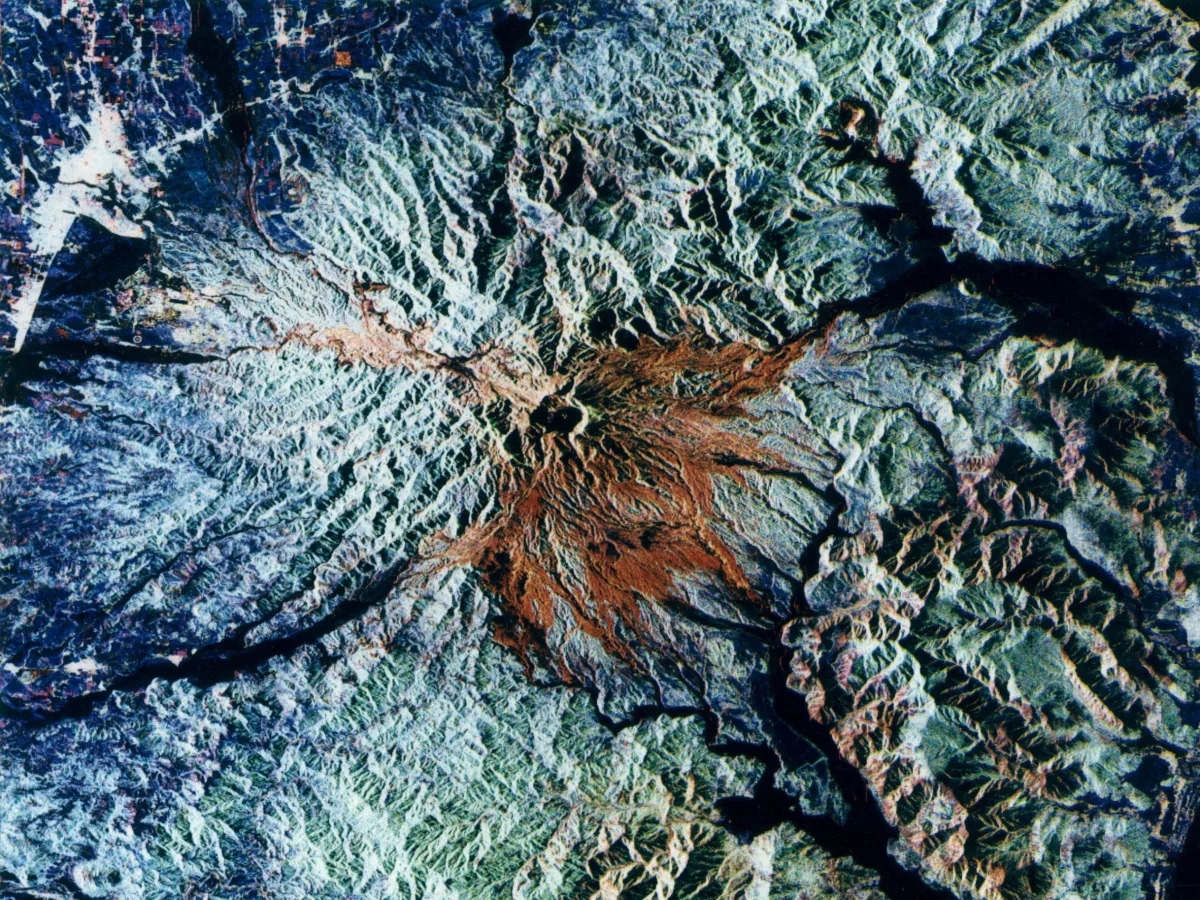
NASA and India's ISRO are launching the $1.5 billion NISAR satellite in 2025, equipped with advanced SAR technology to provide unprecedented, weather-independent, high-resolution monitoring of Earth's surface, aiding in climate change research, disaster management, and agriculture.
Synthetic aperture radar (SAR) technology, once limited to large commercial satellites, is now being deployed on constellations of inexpensive nanosatellites, enabling round-the-clock, high-resolution Earth observation through clouds and darkness. This advancement, driven by start-ups like Iceye and Capella Space, promises significant benefits for environmental monitoring, disaster response, and military applications, although concerns about privacy and potential misuse remain.
The launch readiness date of the Nasa-Isro Synthetic Aperture Radar (Nisar) satellite will be determined at the end of April, with a key component being returned to the US for additional coating to mitigate potential temperature issues. The reflector, a crucial part of the satellite, will be sent to California for the application of a special coating to limit temperature increases. Once the coating's thermal performance is verified, a launch readiness date will be set, and the reflector will be integrated onto the satellite in India. Nisar is a collaborative Earth-observing mission between Nasa and Isro, aiming to provide powerful measurements of Earth's evolving surface.
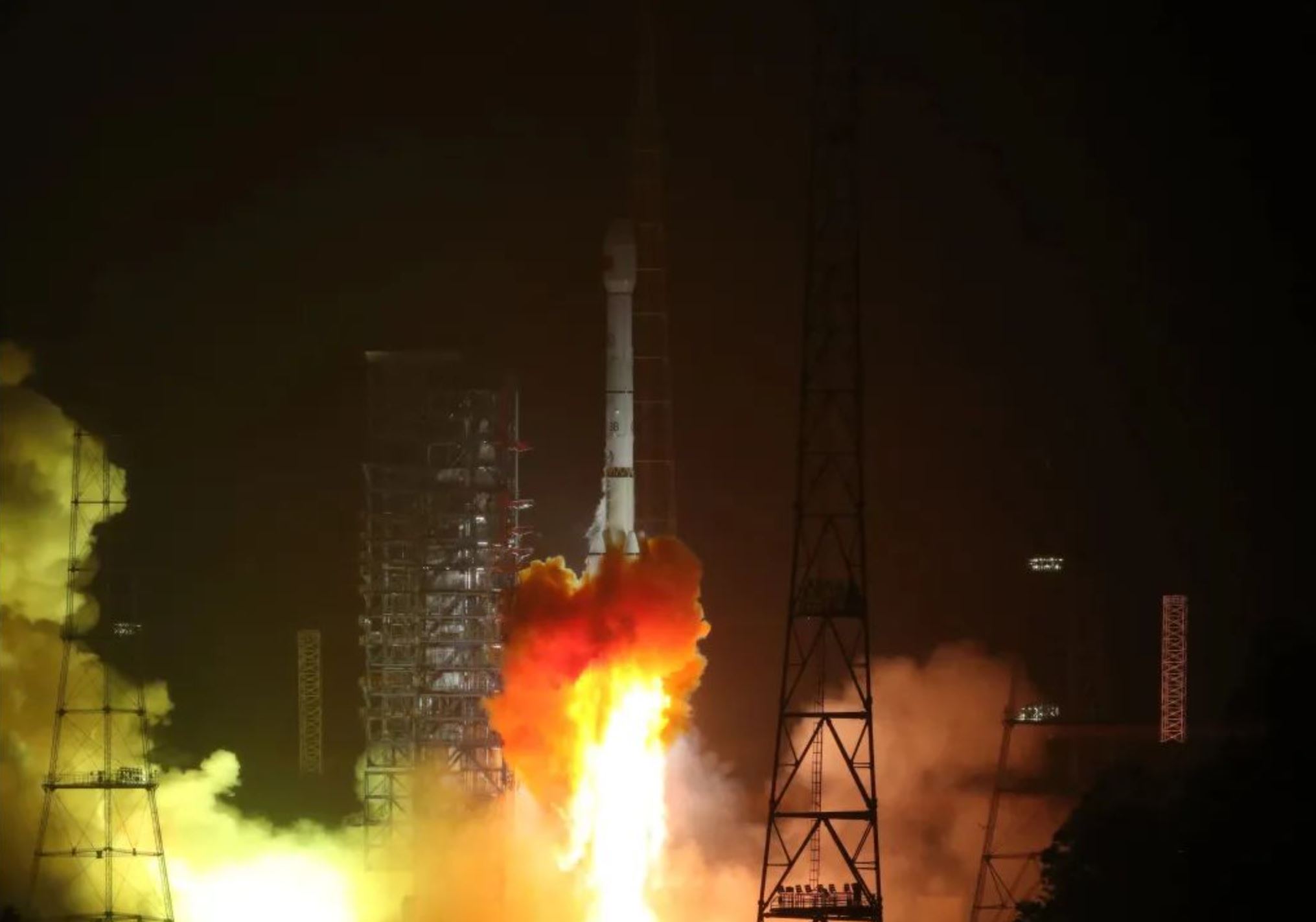
China successfully launched the world's first geosynchronous orbit synthetic aperture radar satellite, the Ludi Tance-4 (01), on a Long March 3B rocket. The satellite, developed by the China Academy of Spacecraft Technology, will provide all-day, all-weather observation of China and surrounding areas, enhancing the country's disaster prevention and relief capabilities. The launch is part of China's Medium and Long Term Development Plan for Civilian Space Infrastructure, which aims to establish high and medium resolution optical and synthetic aperture radar constellations for land, marine, and atmospheric monitoring. Additionally, China launched five automatic identification system tracking satellites for HEAD Aerospace, bringing the total number of Chinese orbital missions in 2023 to 36.
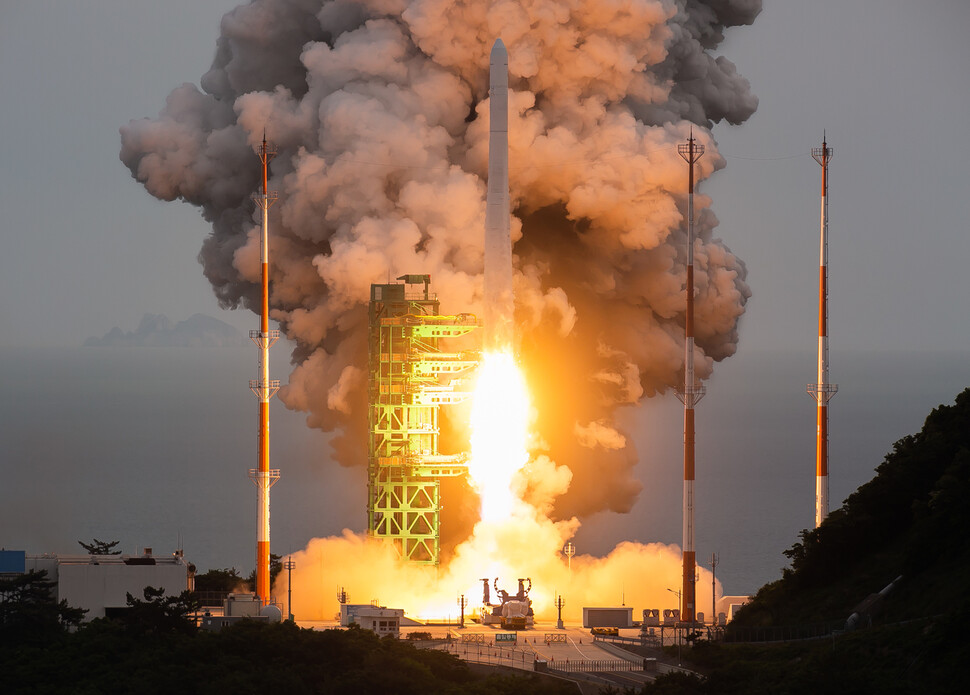
South Korea's KSLV-2 rocket successfully launched seven satellites, including one equipped with synthetic aperture radar, into sun-synchronous orbit. However, one cubesat is believed to have not deployed properly. The primary payload, named NEXTSat-2, exchanged signals with a ground station in Antarctica, and the six others are expected to follow suit in the coming hours. South Korea plans to conduct three more KSLV-2 launches through 2027 to improve the rocket's technical reliability.
The shot-down Chinese spy balloon may have had synthetic aperture radar, which can see through certain objects, according to leaked Pentagon documents. Synthetic aperture radar is used by organizations like NASA and the European Space Agency to observe the earth's topography and is also used in war to spy on adversaries. The technology can "see" in the dark, as well as through clouds, smoke, soil, and rain. The documents also reveal that certain functions of the balloons are still unknown to US intelligence. A 21-year-old US National Guard airman was arrested in connection to the leaks.
The shot-down Chinese spy balloon may have had synthetic aperture radar, which can see through certain materials, according to leaked Pentagon documents. Synthetic aperture radar is used by organizations like NASA and the European Space Agency to observe the earth's topography and is also used in war to spy on adversaries. The technology can "see" in the dark, as well as through clouds, smoke, soil, and rain. The leaked documents also reveal that certain functions of the balloons are still unknown to US intelligence. A 21-year-old US National Guard airman was arrested in connection to the leaks.