Tag

Swine Flu

All articles tagged with #swine flu

health1 year ago

"First H1N2v Flu Case of the Year: Pennsylvania Child Hospitalized"

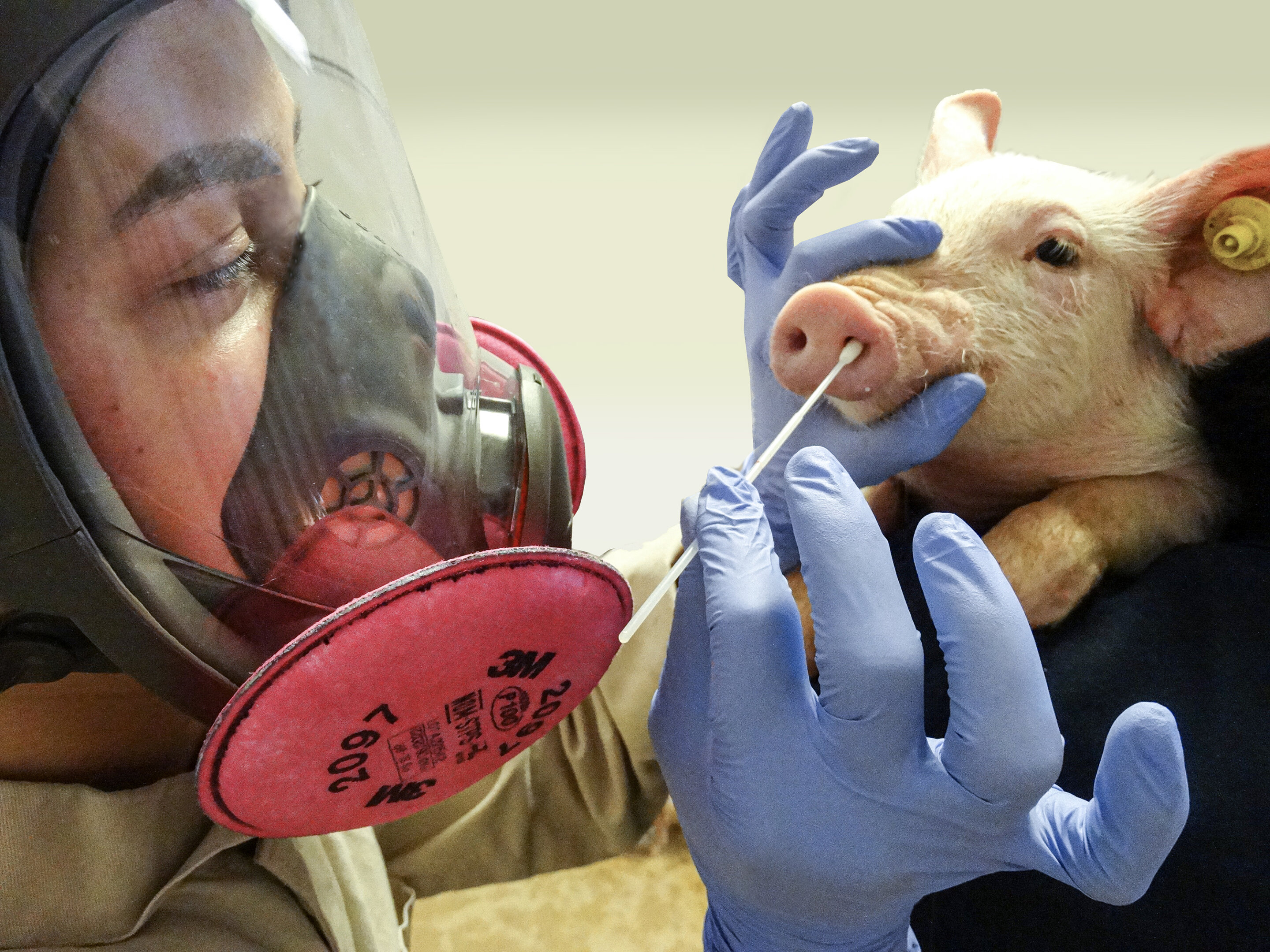
A child in Pennsylvania contracted a case of swine flu after being in contact with pigs, marking the first human case of swine flu in the U.S. this year. The infection was caused by a "novel" influenza A virus, a newly identified strain of the H1N2 subtype that regularly infects pigs. The infected person lives near a pig farm, and while two close contacts developed mild illness, there is no evidence of further spread. Health officials advise precautions such as avoiding contact with sick pigs and frequent handwashing to prevent swine flu.

health1 year ago

Pennsylvania Resident Hospitalized with Novel H1N2v Swine Flu

A Pennsylvania resident has been hospitalized after contracting swine flu from infected pigs, marking the first pig-to-human transmission this year. The CDC reported that the patient has since recovered, and there have been no reports of person-to-person transmission. Swine flu, caused by influenza A H1N2 variant, is typically endemic among pigs but rarely infects humans. The CDC advises people to avoid direct contact with pigs and to monitor them for signs of illness to prevent the spread of the zoonotic disease.

health2 years ago

Decoding the Distinctions: Unveiling the Symptoms of Cold, Covid, and Swine Flu

The symptoms of the new strain of swine flu detected in Britain can be difficult to distinguish from those of Covid-19 or the common cold. Experts warn that signs such as a high temperature, cough, runny nose, body aches, chills, and sneezing can be similar to other winter illnesses. While the source of the infection is still under investigation, health officials recommend testing for individuals who become unwell, especially if they have had contact with pigs or contaminated environments. It is important to note that symptoms of swine flu may also include loss of appetite, vomiting, and diarrhea, while Covid-19 symptoms can range from a high temperature and cough to loss of taste and smell, fatigue, and shortness of breath.

health2 years ago

"Swine Flu Emerges in UK: What's Next?"

Scientists are investigating a case of swine flu detected in a person in the UK, the first of its kind in the country. The virus, influenza A subtype H1N2, has infected 50 people worldwide since 2005, but none of the previous cases are genetically related to the UK variant. The infected individual has made a full recovery, and investigations are ongoing to determine how they got infected. Scientists are monitoring for evidence of human-to-human transmission and studying the genetics of the virus to assess its potential threat. Spillover infections of respiratory viruses from animals to humans are common, but onward spread is rare. Influenza viruses have the ability to combine genes during replication, which can lead to the emergence of new strains with increased adaptability to humans.

health2 years ago

"UK Reports First Human Case of Swine Flu Transmission"

A person in the UK has been diagnosed with a strain of flu similar to viruses found in pigs, marking the first time this particular strain has been detected in the country. The infected individual had a mild illness and has fully recovered, with no evidence of the flu spreading from person to person. Investigations are underway to determine the source of the infection and trace close contacts. In the past 20 years, there have been 50 reported cases of this flu strain in humans worldwide, with a recent case reported in the United States. The UK Health Security Agency and Chief Veterinary Officer emphasize the importance of animal health, welfare, and biosecurity.

health2 years ago

"Montana Child Contracts Swine Flu, Marking Third Case of the Year"

A child in Montana has become the third person in the US this year to be infected with swine flu (H1N1) after close contact with infected pigs at an agricultural fair. Swine flu rarely spreads from animals to humans, but the 2009 outbreak was caused by a mutated virus capable of infecting humans. Symptoms of swine flu are similar to other influenza viruses, but cases are usually mild and resolve on their own. The recent case raises concerns about possible human-to-human transmission. The CDC recommends precautions at agricultural fairs to avoid potential infection. Swine flu infections from pigs to humans are relatively rare, with those in regular contact with pigs being at higher risk.

health2 years ago

Swine flu remains absent at Wisconsin State Fair 2023

A novel influenza A(H1N2)v variant virus has been identified in a human infection in the state of Michigan, United States. The case, a person under 18 years old, had swine exposure at an agricultural fair and developed respiratory illness. The patient is recovering and no evidence of sustained human-to-human transmission has been found. Enhanced surveillance efforts are underway, and public health officials are monitoring the situation closely. Influenza A(H1N2)v viruses circulate in swine populations globally, and human infections are usually due to exposure to infected swine or contaminated environments. The risk of a pandemic is low, but continued vigilance and collaboration between animal and human health sectors are essential.

health2 years ago

Swine Flu Outbreak Traced to Fairs: First Cases of the Year

The first two cases of swine flu in humans this year have been linked to county fairs in Michigan. Both individuals, a child and an attendee, developed symptoms after exposure to pigs at the fairs. No human-to-human transmission has been detected. The pigs in the fair's swine barn tested positive for influenza. Swine flu, caused by strains of influenza different from human strains, can be transmitted to people when pigs cough or sneeze. The CDC recommends precautions such as refraining from eating or drinking around pigs, avoiding sick pigs, and washing hands before and after contact with pigs. Proper handling and cooking of pork products do not transmit swine flu.

health2 years ago

Swine flu outbreak traced to Michigan county fairs, CDC confirms

Two individuals have contracted flu strains typically found in pigs after visiting pig exhibits at agricultural fairs, according to the US Centers for Disease Control and Prevention (CDC). The cases, identified in Michigan, did not result in hospitalization or further transmission. While such incidents are relatively rare, they underscore the potential for flu viruses to jump from animals to humans. The CDC advises individuals to avoid eating or drinking near pig exhibits, refrain from contact with visibly sick animals, and practice proper hand hygiene after visiting swine exhibits, particularly for those who are immunocompromised.

health2 years ago

Swine flu outbreak traced to Michigan county fairs

Two individuals have contracted flu strains typically found in pigs after visiting pig exhibits at state fairs, according to the US Centers for Disease Control and Prevention (CDC). The cases, identified in Michigan, highlight the potential for flu viruses to jump from animals to humans. While these incidents are usually isolated, the CDC emphasizes the need to fully investigate and trace such cases due to the possibility of widespread disease. The CDC advises fairgoers to avoid eating or drinking near pig exhibits, refrain from contact with visibly sick animals, and practice proper hand hygiene. Immunocompromised individuals are at higher risk and should either avoid pig exhibits or wear a mask when in close proximity to the animals.

health2 years ago

"Human-Swine Influenza: A Growing Concern for Cross-Species Transmission"

A study has found that the strain of influenza A responsible for the 2009 H1N1 pandemic, known as pdm09, has passed from humans to swine approximately 370 times since 2009. The circulation of pdm09 among swine has led to the evolution of variants that can then jump back to infect humans. The analysis also revealed that controlling influenza A infection in humans can help prevent transmission to pigs and reduce the risk of spread back to humans.

health2 years ago

"County Fairs: A Breeding Ground for the Next Pandemic?"

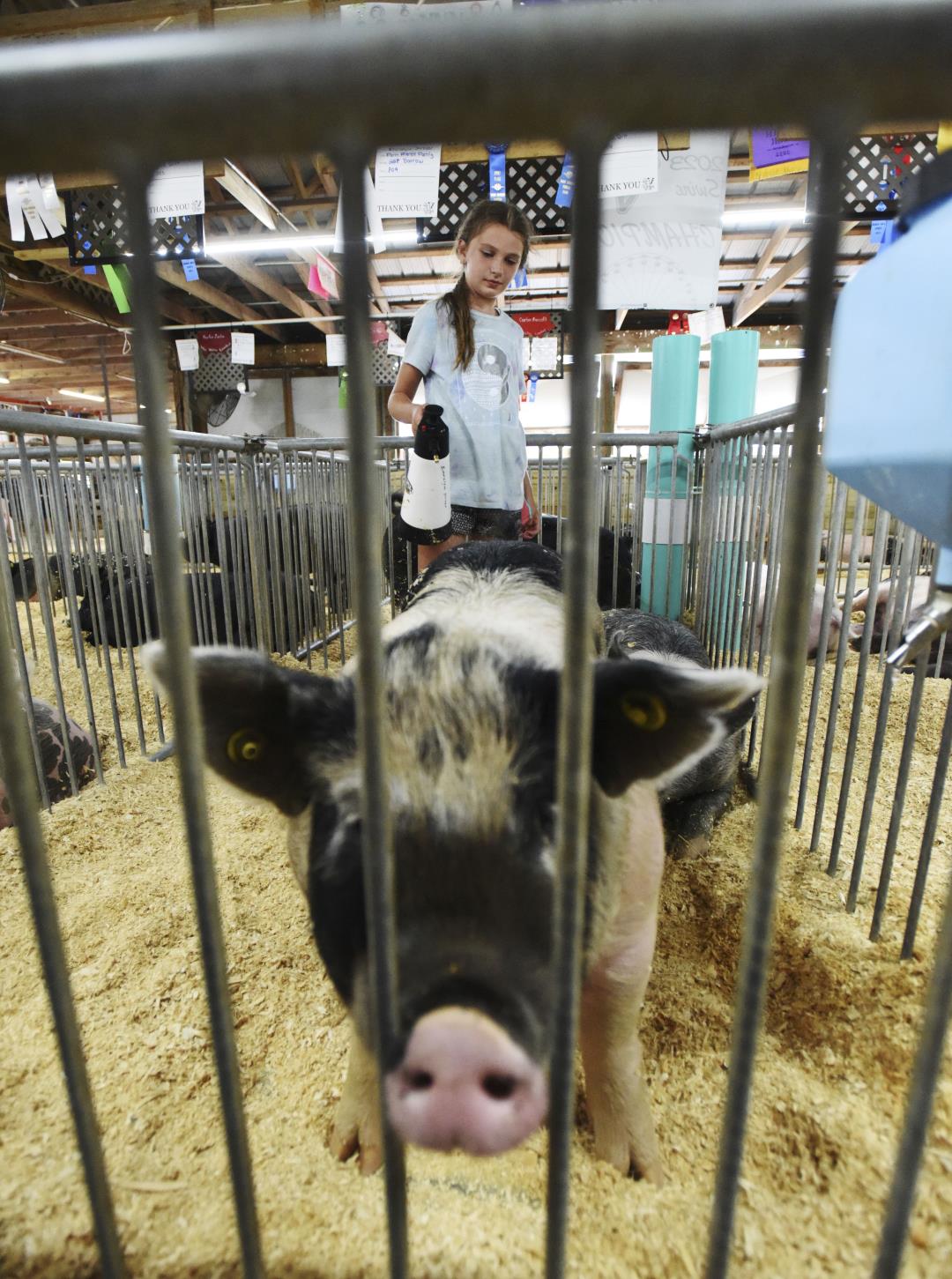
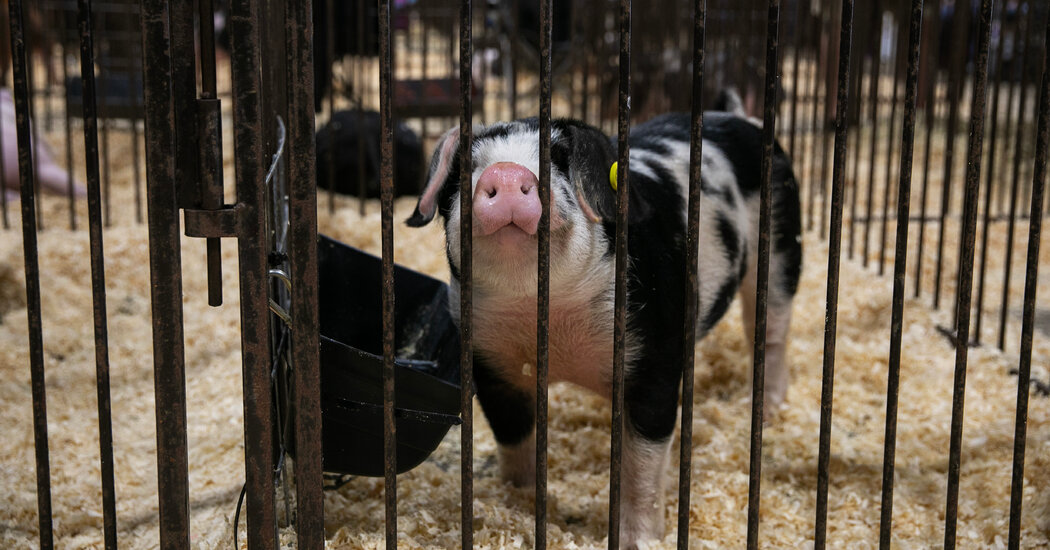
Agricultural shows and fairs, such as county fairs, have become hotspots for the transmission of zoonotic diseases, particularly swine flu, in the United States. Pigs, which can carry and transmit various strains of influenza, have been linked to outbreaks that have resulted in human infections. Researchers, led by Dr. Andrew Bowman at Ohio State University, have been studying the risks associated with swine shows and have been working to make them safer. They have identified practices such as hand sanitation and changes in pig handling procedures that can help reduce the spread of the virus. Additionally, they have developed educational programs to teach young exhibitors about biosecurity measures. However, more changes in human behavior and practices are needed to effectively mitigate the risk of future pandemics originating from agricultural shows and fairs.

health2 years ago

"Swine Flu Outbreak at Oakland County Fair Raises Concerns for Fairgoers"

Swine flu has been detected in pigs at the Oakland County Fair in Michigan, prompting the closure of the swine barn. Fairgoers who may have been exposed to the virus are urged to watch for respiratory issues. Swine flu symptoms in humans are similar to seasonal flu symptoms, and high-risk groups include children under 5, adults over 65, pregnant women, and people with weakened immune systems. Precautions advised by health officials include avoiding contact with pigs, refraining from eating or drinking in livestock areas, and practicing good hygiene such as washing hands frequently.

health2 years ago

CDC probes swine flu death in Brazil.

The Centers for Disease Control and Prevention (CDC) will investigate a fatal case of H1N1 swine flu in Brazil after a 42-year-old woman died from the virus. The woman had no direct contact with pigs, and there is no evidence of person-to-person transmission. The CDC plans to study samples collected from the case to compare the virus with previous variants that have infected animals and humans. The Biden administration has been planning to increase efforts to spot cases of potentially deadly new flu variants spreading to humans.

health2 years ago

Experts recommend flu shots for high-risk groups amidst rising H3N2 cases in India.

Doctors in Hyderabad have recommended flu vaccines, especially for high-risk groups, due to the rising cases of H3N2 in the state. While people previously exposed to Swine flu may have a basic level of herd immunity, taking the Quadriflu vaccine is still necessary for protection against newer variants. Infants, elderly, and people with underlying health conditions are at high risk and must take the vaccine shot. Pregnant women should also be vaccinated against influenza.