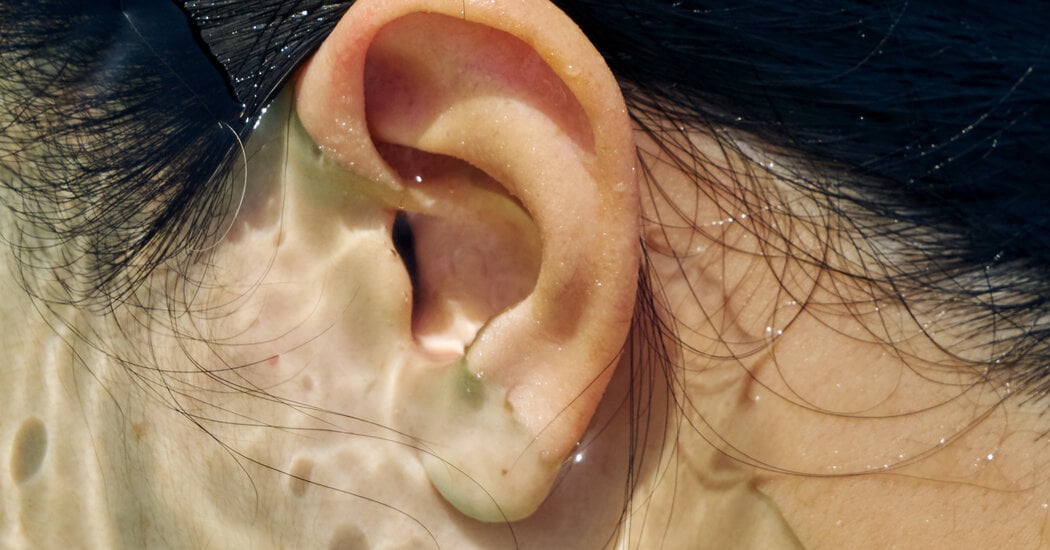
Swimmer's ear is an infection of the ear canal that commonly occurs during summer due to water exposure. To prevent it, keep ears dry, avoid inserting objects into the ear, and consider using earplugs or drying ear drops after swimming. People with compromised immune systems or underlying health conditions should be especially cautious.
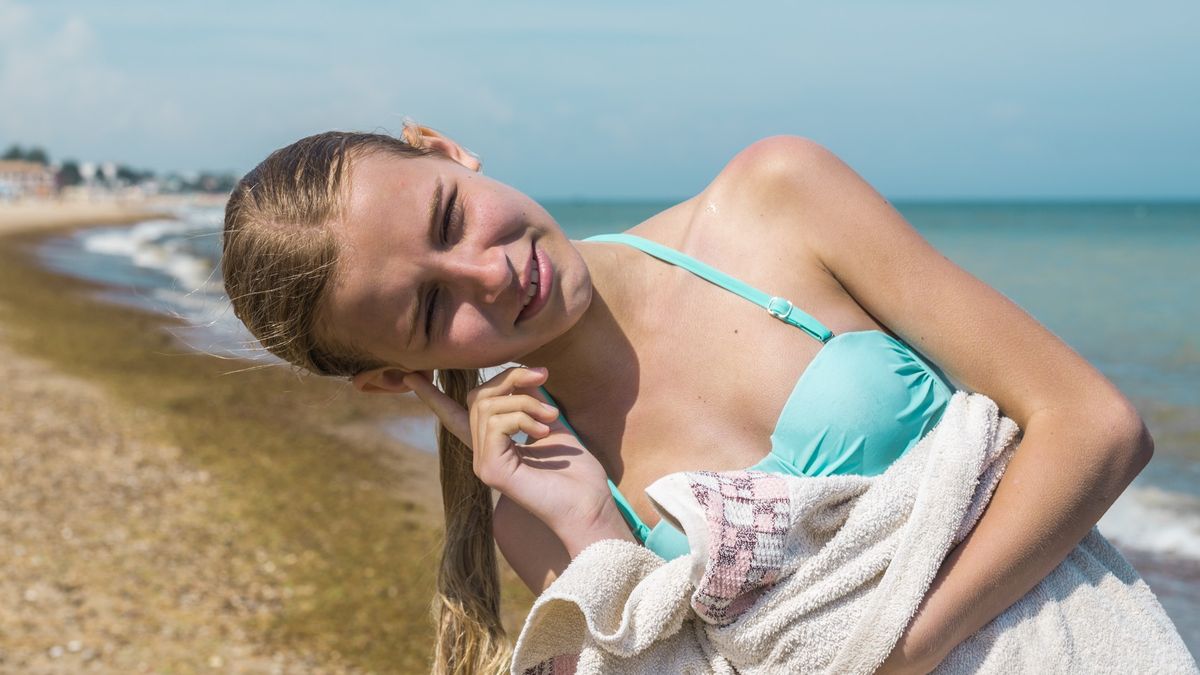
Water can get stuck in your ear when swimming, using earbuds, or wearing hearing aids. It can become trapped in the ear canal, especially if the canal is small or if there is a buildup of earwax. This can create a moist environment that encourages bacterial or yeast growth, leading to swimmer's ear or otitis externa. To prevent water from getting stuck, you can use a hairdryer on a low setting, over-the-counter drying drops, custom ear molds, or a cotton ball with petroleum jelly. The CDC recommends towel-drying the ears and tilting the head back and forth after swimming. It's important to remove the water promptly to avoid infection.
Swimmer's ear, also known as otitis externa, is an infection of the ear canal caused by water remaining in the ear after swimming, creating a moist environment for bacteria to thrive. It can also be caused by other factors such as using cotton swabs or inserting objects in the ears. Symptoms include ear pain, itchiness, ear drainage, muffled hearing, fever, and intense pain. Prompt treatment with antibiotic and steroid-containing ear drops is recommended to avoid complications. To prevent swimmer's ear, keep your ears dry using wax coated ear plugs or a swim cap, and avoid using cotton swabs.
Having water stuck in your ear can be annoying, especially during the summer. Mayo Clinic physicians recommend using a towel to dry the area or a mixture of rubbing alcohol and white vinegar to help evaporate the water and prevent bacterial or fungal growth. However, caution should be exercised if there is a risk of a perforated eardrum, ear tubes, or severe infection. Most of the time, the water will naturally evaporate, but if the problem persists, it may indicate swimmer's ear, an infection of the ear canal. Practicing good ear hygiene and keeping the ear dry can help prevent swimmer's ear.
Swimmer's ear is an infection in the outer ear canal caused by water that leads to bacterial growth. Symptoms range from mild itchiness and discomfort to severe pain, redness, and swelling. Excess moisture, exposure to contaminated water, and damage to the skin within the ear canal can contribute to the infection. To prevent swimmer's ear, keep ears dry, use homemade preventative eardrops, avoid swimming in water with high bacteria counts, and refrain from inserting objects into the ear.