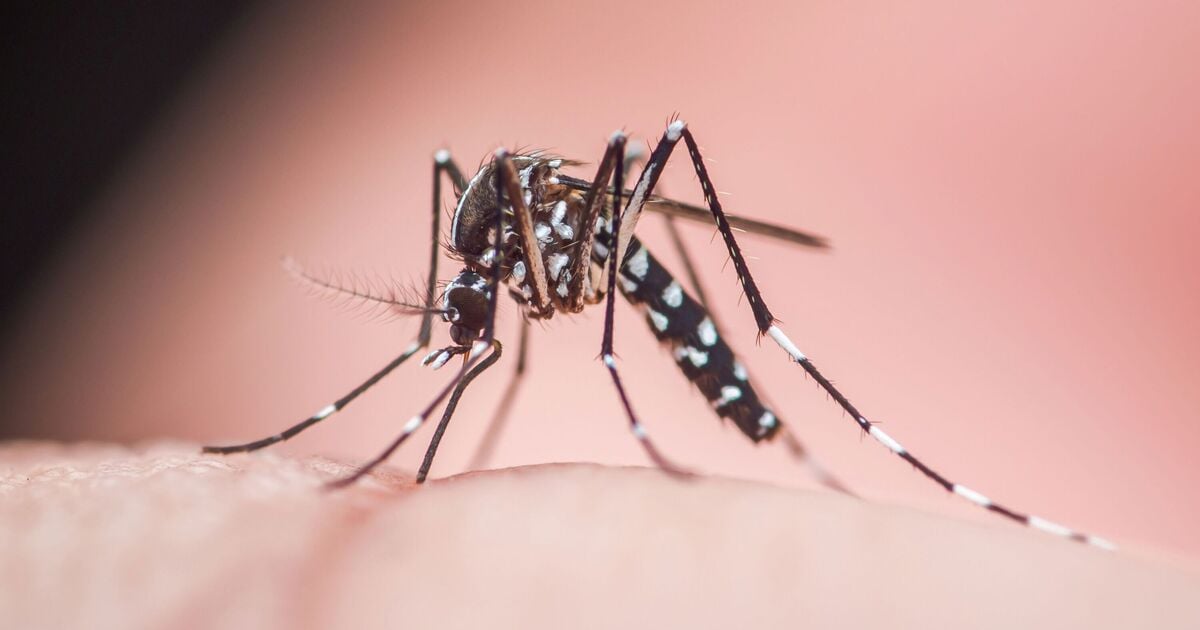
A household product, specifically catnip essential oil, can effectively repel mosquitoes and prevent bites, offering a natural alternative to chemical repellents during summer, and may help reduce the risk of mosquito-borne diseases.

Drinking excessive water, especially during or after meals, can worsen acid reflux symptoms by increasing stomach pressure. To prevent reflux, it’s recommended to sip water throughout the day, avoid large amounts at once, and be mindful of meal timing and food choices. Proper hydration remains important, but moderation and timing are key for those prone to reflux.
As temperatures rise, certain medications can increase the risk of heat-related illnesses by affecting the body's ability to regulate temperature and increasing sun sensitivity. It's important to stay hydrated, store medications properly, and limit sun exposure to stay safe during summer.
Swimmer's ear is an infection of the ear canal that commonly occurs during summer due to water exposure. To prevent it, keep ears dry, avoid inserting objects into the ear, and consider using earplugs or drying ear drops after swimming. People with compromised immune systems or underlying health conditions should be especially cautious.
As temperatures rise in summer, the risk of kidney stones increases, affecting 1 in 10 Americans. Staying hydrated and maintaining a healthy diet low in sodium, fat, and sugar can help prevent these painful mineral deposits. Experts recommend drinking plenty of water and fluids with citrate, avoiding processed foods, and being cautious with animal proteins and calcium supplements. If you experience symptoms like sharp pain in the lower back or side, blood in urine, or a burning sensation when urinating, seek medical attention.
As summer begins, concerns about new coronavirus variants and avian flu are rising. Dr. Leana Wen advises that while the risk of severe illness from Covid-19 remains low, high-risk individuals should stay updated on vaccines and consider wearing masks in crowded places. The CDC states that the risk of avian flu to the general public is low, and pasteurized milk and properly cooked meat are safe to consume. To prevent heatstroke, stay hydrated and seek cool environments during high temperatures. Additionally, use sunscreen to protect against skin cancer and stay on top of health screenings and chronic conditions.