
Tag

Ear Infections

All articles tagged with #ear infections

Rethink Nose Blowing: Expert Tips to Avoid Worsening Cold Symptoms

Originally Published 1 year ago — by Daily Mail

Featured image for Rethink Nose Blowing: Expert Tips to Avoid Worsening Cold Symptoms
Source: Daily Mail

Dr. Zachary Rubin, a pediatric allergist, warns that traditional nose blowing can lead to nosebleeds and ear infections by exerting excessive pressure on nasal passages. This pressure can push bacteria and viruses into the eustachian tubes, increasing the risk of ear infections. To avoid these issues, Dr. Rubin advises blowing gently, one nostril at a time, and washing hands afterward to prevent germ spread. Over-the-counter decongestants and steam inhalation are recommended alternatives to alleviate nasal congestion.

"AI Smartphone App Revolutionizes Ear Infection Diagnosis and Antibiotic Use"

Originally Published 1 year ago — by Good News Network

Featured image for "AI Smartphone App Revolutionizes Ear Infection Diagnosis and Antibiotic Use"
Source: Good News Network

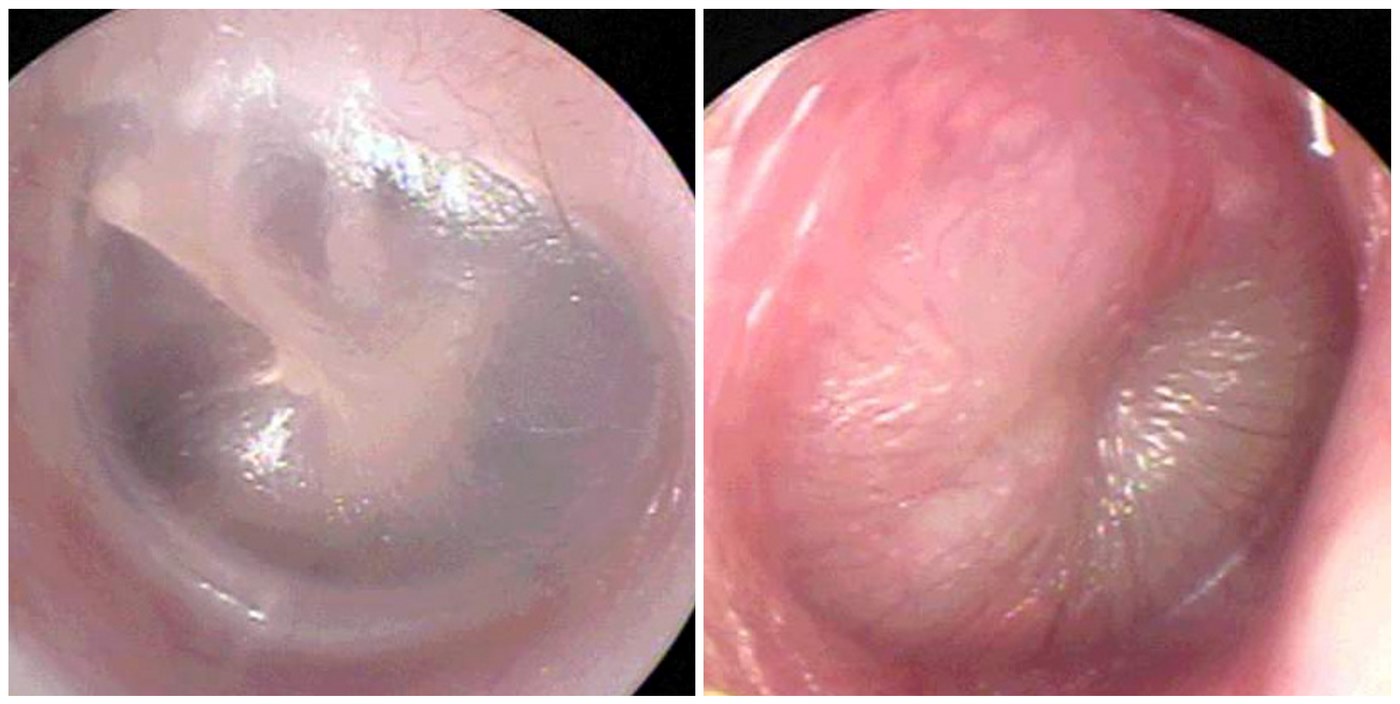
A new AI-powered smartphone app developed by physician-scientists at the University of Pittsburgh accurately diagnoses ear infections in children, potentially reducing unnecessary antibiotic use. The app analyzes videos of the eardrum to distinguish between acute otitis media and other issues, achieving a 93% accuracy rate. This innovation could improve diagnostic accuracy in primary healthcare settings and aid in guiding treatment decisions, while also serving as a valuable teaching and reassurance tool for parents.

Study Links Ear Infections in Young Children to Delayed Speech

Originally Published 2 years ago — by Fox News

Featured image for Study Links Ear Infections in Young Children to Delayed Speech
Source: Fox News

A study from the University of Florida suggests that chronic ear infections in young children could lead to delayed speech development. The research found that children who experienced multiple ear infections before the age of 3 had a smaller vocabulary and difficulty recognizing speech patterns and sounds. The study's lead researcher emphasized the importance of monitoring children for language-learning difficulties and academic challenges as they grow older. However, a pediatric otolaryngologist not involved in the study expressed concerns about the study's methodology and cautioned against drawing broad conclusions from the findings.

"Unraveling the Mystery of Water in Your Ear: Effective Techniques for Removal"

Originally Published 2 years ago — by Livescience.com

Featured image for "Unraveling the Mystery of Water in Your Ear: Effective Techniques for Removal"
Source: Livescience.com

Water can get stuck in your ear when swimming, using earbuds, or wearing hearing aids. It can become trapped in the ear canal, especially if the canal is small or if there is a buildup of earwax. This can create a moist environment that encourages bacterial or yeast growth, leading to swimmer's ear or otitis externa. To prevent water from getting stuck, you can use a hairdryer on a low setting, over-the-counter drying drops, custom ear molds, or a cotton ball with petroleum jelly. The CDC recommends towel-drying the ears and tilting the head back and forth after swimming. It's important to remove the water promptly to avoid infection.

Mysterious Spike in Rare Brain Infections Among Children Raises Concerns

Originally Published 2 years ago — by TODAY

Featured image for Mysterious Spike in Rare Brain Infections Among Children Raises Concerns
Source: TODAY

Researchers have observed a recent increase in brain infections and abscesses in kids and teens, which can be complications of severe sinus infections and ear infections. The reason for the rise is not clear yet, but it may be related to the surges in children's respiratory illnesses seen this past winter, as well as the emergence of an invasive strain of strep A. Signs of severe infection or brain abscess include persistent cold- or flu-like symptoms, persistent headaches, persistent sleepiness, persistent vomiting without explanation, high fever that spikes multiple times in a day, discolored drainage from the nose, swelling of the forehead, swelling around one or both eyes, seizures, weakness, and speech or language difficulties. Treatment for brain abscesses and infections typically requires antibiotics and surgery.