Tag

Superbit

All articles tagged with #superbit

"NASA's Bold Retrieval: Recovering Dark Matter Data with Raspberry Pi-Powered Airdrop Systems"

Originally Published 2 years ago — by SciTechDaily

Featured image for "NASA's Bold Retrieval: Recovering Dark Matter Data with Raspberry Pi-Powered Airdrop Systems"
Source: SciTechDaily

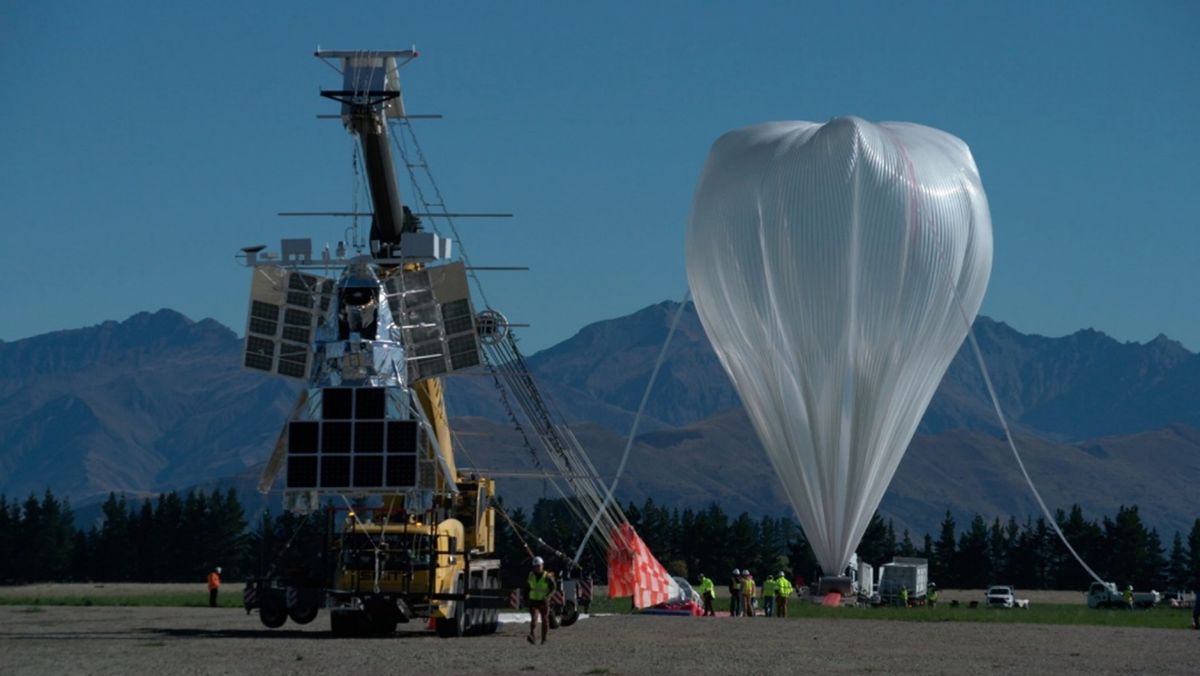
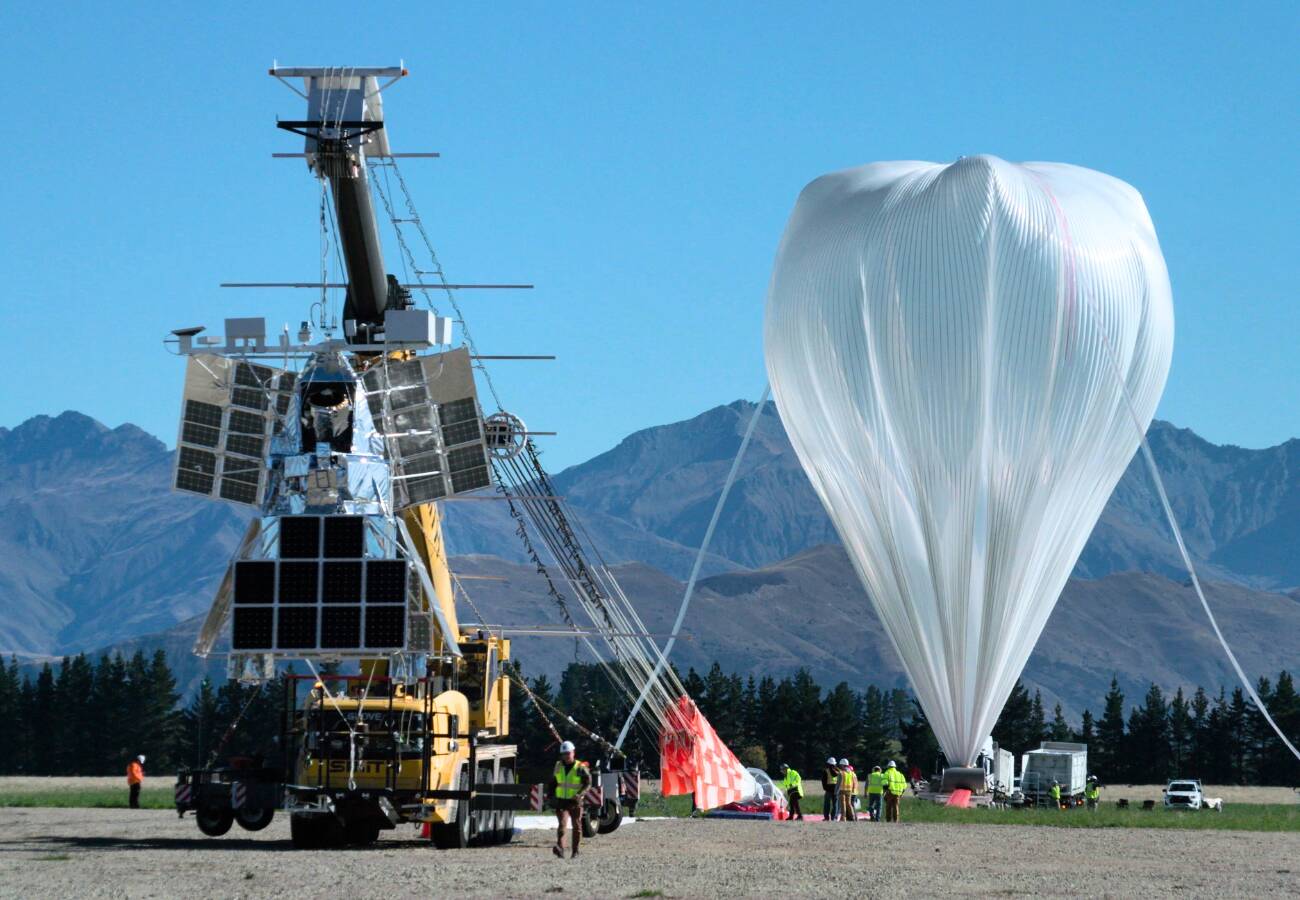
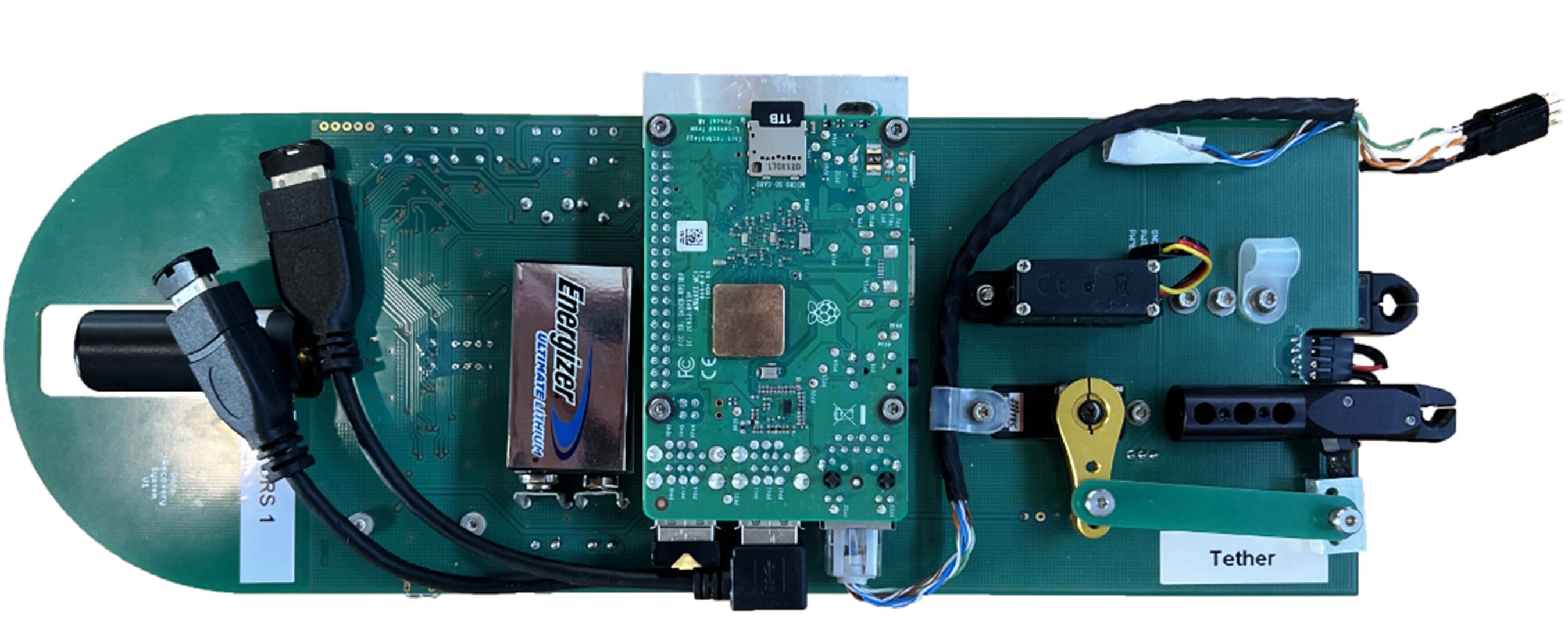
Scientists at the University of Sydney have successfully recovered gigabytes of data from a NASA mission to map dark matter around galaxy clusters using a new recovery system. The Super Pressure Balloon Imaging Telescope (SuperBIT) was launched from New Zealand and damaged upon landing in Argentina. However, two Data Recovery System packages containing the mission's information were safely retrieved. The study provides instructions to build the recovery system and highlights its importance in salvaging data in worst-case scenarios. The success of the system has led NASA to consider producing similar packages for future science missions.
"Raspberry Pi Technology Safeguards NASA Telescope Data"

Originally Published 2 years ago — by The Register

Featured image for "Raspberry Pi Technology Safeguards NASA Telescope Data"
Source: The Register

Scientists used Raspberry Pi computers to secure data from NASA's Super Pressure Balloon Imaging Telescope (SuperBIT) after communication links failed and the telescope was destroyed during landing. The Raspberry Pi-powered Data Recovery System (DRS) capsules, equipped with solid-state storage, parachutes, and transceivers, successfully transmitted and recovered intact data. The cost-effective solution ensures the preservation of valuable scientific data in case of unforeseen events and is recommended for future balloon missions. The open-source design and software are freely available for further development at NASA.

"Unveiling Dark Matter's Secrets: Downloading NASA's Data from Above the Clouds"

Originally Published 2 years ago — by Phys.org

Featured image for "Unveiling Dark Matter's Secrets: Downloading NASA's Data from Above the Clouds"
Source: Phys.org

Scientists at the University of Sydney have developed a Data Recovery System that successfully retrieved gigabytes of data from a NASA mission to map dark matter around galaxy clusters. The system was used after communication failed and the balloon-based telescope was damaged during landing. The recovery packages, containing over 200 gigabytes of information, including a map of dark matter and space photos, descended by parachute and landed safely. The study provides instructions to build the Data Recovery System and highlights its importance in salvaging data in worst-case scenarios. The success of the system has led NASA to consider producing these packages for other science missions.

"Rescuing Dark Matter Data: Balloon-Borne Telescope's Hard Landing Yields Valuable Insights"

Originally Published 2 years ago — by Space.com

Featured image for "Rescuing Dark Matter Data: Balloon-Borne Telescope's Hard Landing Yields Valuable Insights"
Source: Space.com

A NASA telescope called SuperBIT, which launched on a balloon earlier this year, lost communication and suffered damage upon landing in Argentina. However, the 200 gigabytes of data it had collected, including stunning images of galaxy clusters, were safely copied to SD drives and parachuted to the ground. The telescope's main goal was to map dark matter around galaxy clusters by measuring how celestial objects warp space and time. The successful recovery of the data demonstrates that valuable science data can be salvaged even in worst-case scenarios.

Stunning images of galaxies captured by NASA's super balloon.

Originally Published 2 years ago — by New York Post

Featured image for Stunning images of galaxies captured by NASA's super balloon.
Source: New York Post

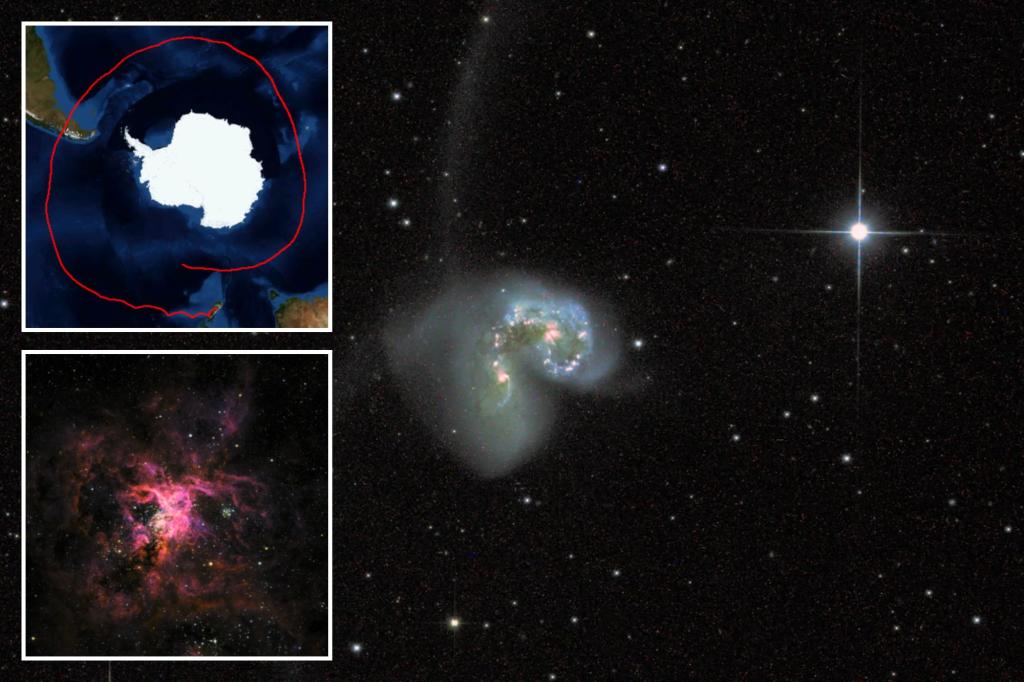
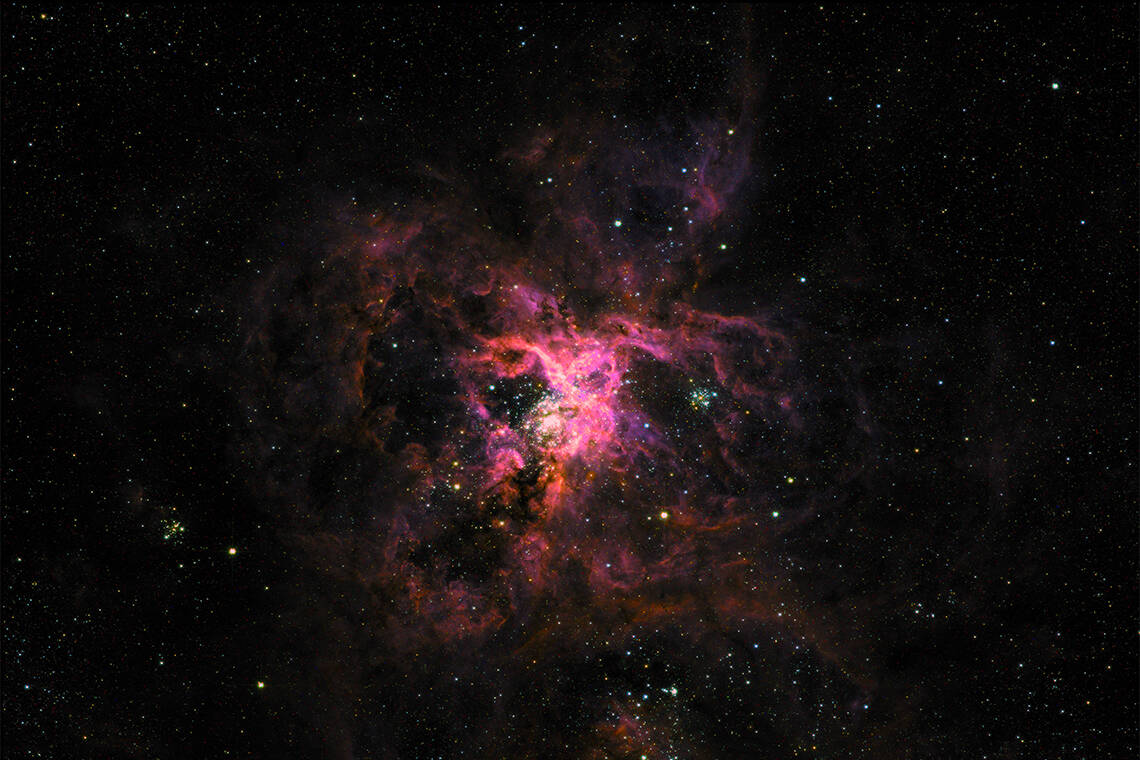
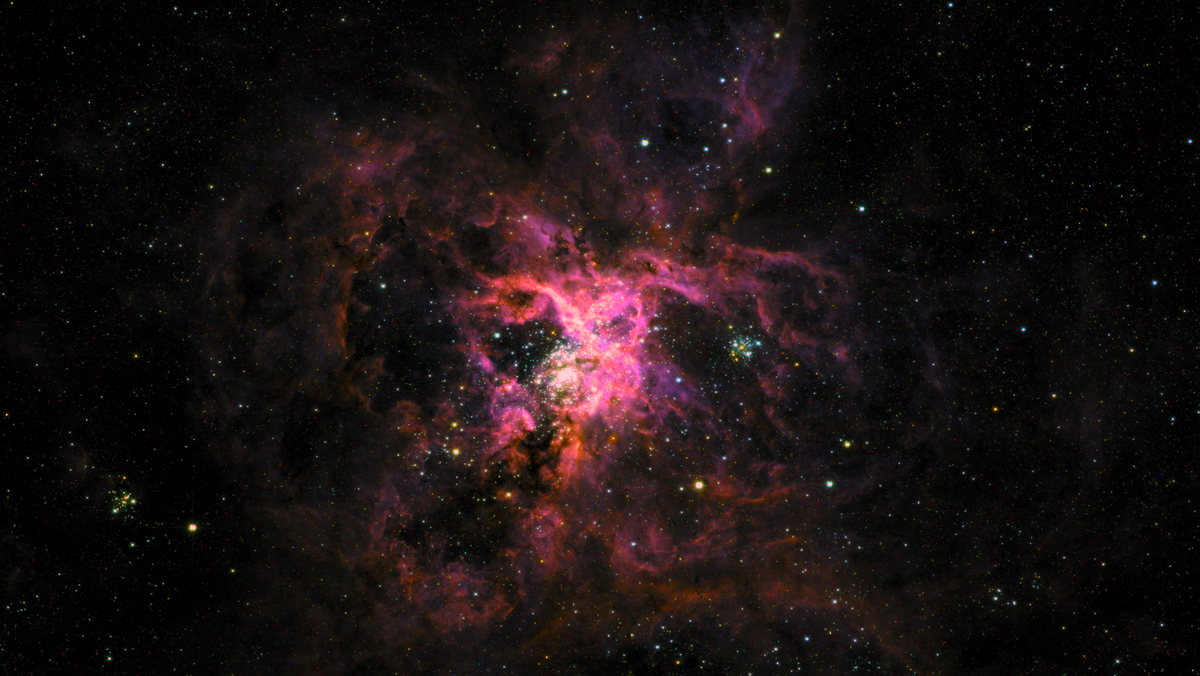
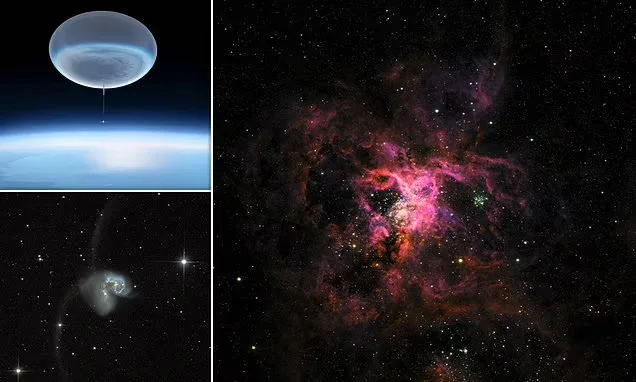
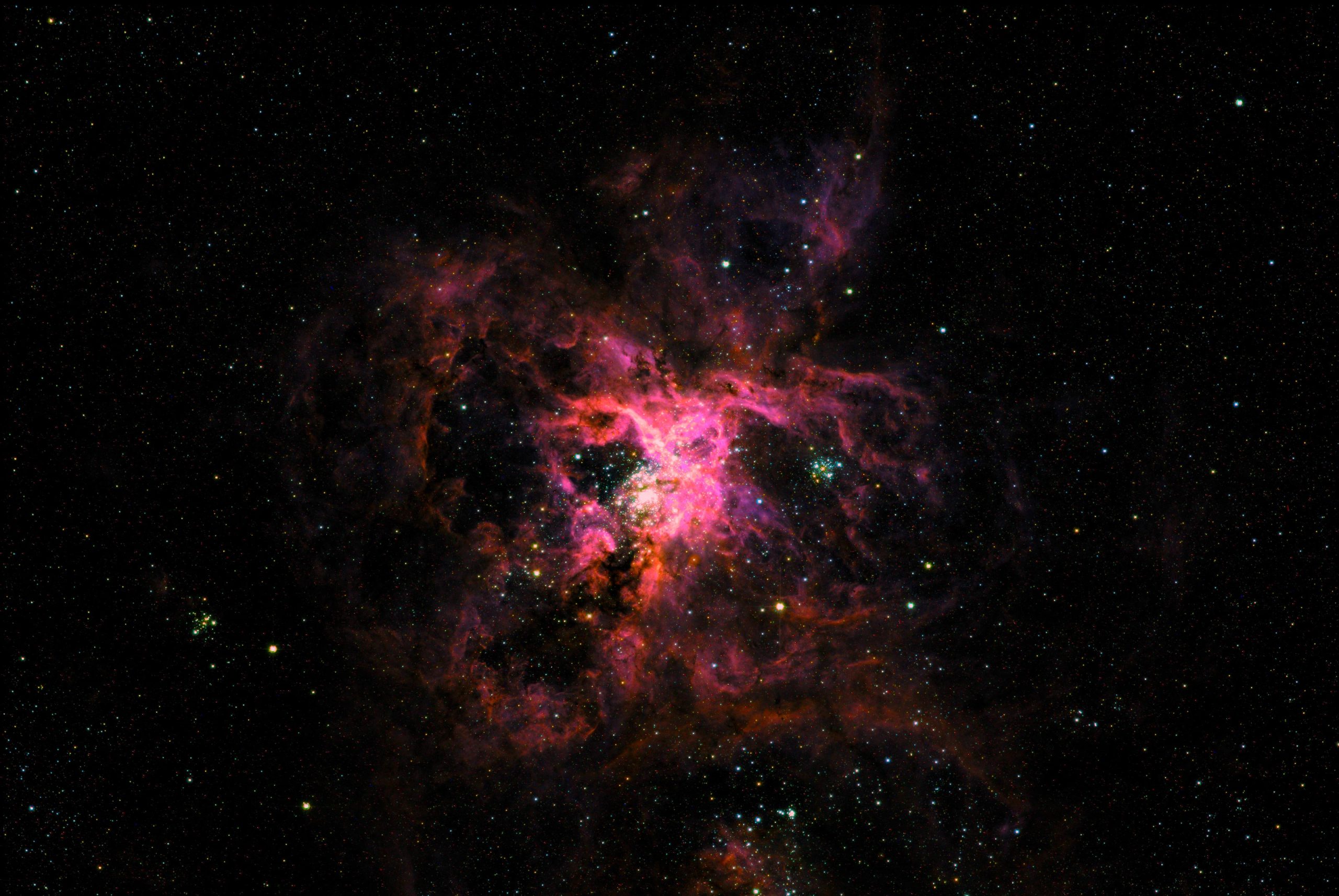
NASA's Super Pressure Balloon Imaging Telescope (SuperBIT) has captured stunning images of distant galaxies, including the Antennae Galaxies and the Tarantula Nebula, while floating through the stratosphere. The balloon and telescope are expected to continue to circumnavigate the globe for around 100 days, and if a problem should arise, operators have the ability to lower the craft due to onboard mechanisms. The goal of the mission is to analyze and study the mysterious substance known as dark matter in outer space. The images captured are comparable to those taken by the Hubble Space Telescope but at a fraction of the cost.

"Balloon-based Telescopes Shed Light on Dark Matter Mysteries"

Originally Published 2 years ago — by The Register

Featured image for "Balloon-based Telescopes Shed Light on Dark Matter Mysteries"
Source: The Register

The Super Pressure Balloon-Borne Imaging Telescope (SuperBIT), the world's first wide-field, balloon-borne telescope, has begun returning images to Earth, with scientists keen to begin months of imagery to help investigate the existence of dark matter. SuperBIT's main scientific objective is to measure the properties of dark matter, a term given to the invisible-yet-mathematically-required quarter of the matter in the universe that we're unable to see or detect in any way other than its interactions with gravity.

Balloon-borne telescope captures space images, revealing secrets of dark matter.

Originally Published 2 years ago — by Space.com

Featured image for Balloon-borne telescope captures space images, revealing secrets of dark matter.
Source: Space.com

The Super Pressure Balloon Imaging Telescope (SuperBIT), a balloon-based telescope, has captured its first images of the cosmos from the edge of space, including the Tarantula Nebula and the Antennae galaxies. SuperBIT aims to capture images of galaxies in the visible-to-near ultraviolet light spectrum and investigate dark matter using gravitational lensing. The telescope can circumnavigate the globe at an altitude of around 21 miles above over 99.5% of Earth’s atmosphere for 100 days, providing a clearer view of light that has traveled billions of years from galaxies in the distant and early universe.

Giant Balloon Telescope Captures Stunning Images with Help from Scientists.

Originally Published 2 years ago — by Daily Mail

Featured image for Giant Balloon Telescope Captures Stunning Images with Help from Scientists.
Source: Daily Mail

British scientists have launched a £4.1 million balloon-borne telescope, SuperBIT, from New Zealand to investigate the mystery of dark matter. The telescope has already captured mesmerizing images of the Antennae Galaxies and the Tarantula Nebula. SuperBIT aims to measure the properties of dark matter and map out the matter around galaxy clusters by measuring the way it warps the space around them. The telescope has a wider field of view than Hubble and costs 1,000 times less than an equivalent satellite.