The Hamptons are experiencing a surge in wealth and popularity, transforming from a traditional old-money retreat into a playground for the new super-rich from across the US, leading to increased crowding, rising property prices, and a focus on luxury events and lifestyle, raising concerns about sustainability and community impact.

Originally Published 6 months ago — by Hacker News
Spain and Brazil are advocating for global measures to tax the super-rich in order to reduce inequality, emphasizing that taxing wealth rather than work could stimulate economies and address societal disparities, though critics argue such measures may be insufficient or counterproductive.
President Joe Biden has proposed a "billionaire tax" targeting the super-rich, aiming to impose a 25% tax on Americans with wealth over $100 million. The debate over wealth taxes has reignited, with global finance ministers exploring a global minimum tax on billionaires. While some argue that wealth taxes could help combat wealth inequality, others question their effectiveness and potential for a mass exodus of the super-rich. Proponents believe the revenues generated could address wealth inequality, but critics raise concerns about the costs and redistribution of wealth.
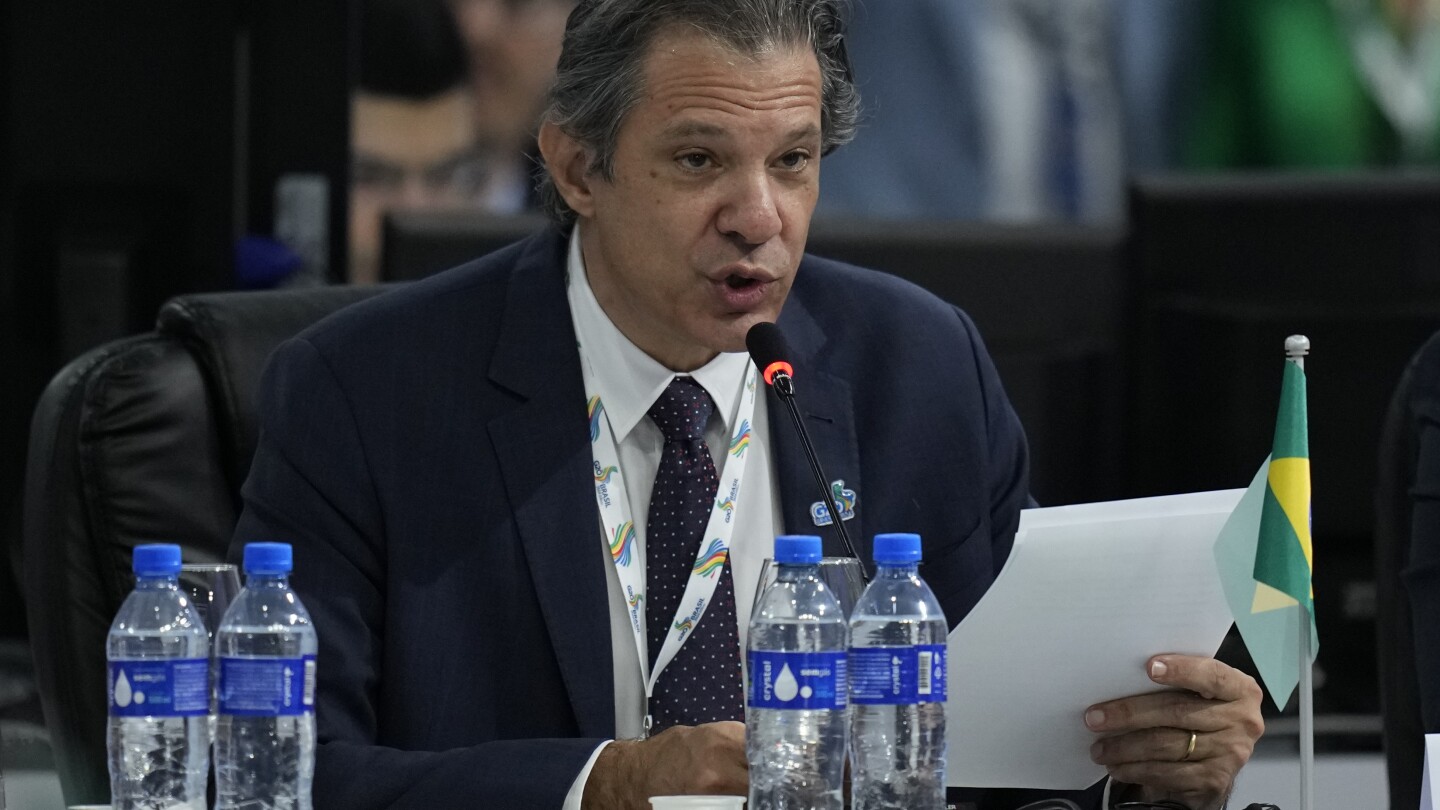
Brazil's finance minister proposed a global tax on the super-rich at a G20 meeting in Sao Paulo, emphasizing the need for international cooperation to tackle tax evasion and reduce inequalities. The proposal aims to address the estimated $4.8 trillion in lost tax revenue due to tax havens and the effective tax rates of billionaires. This initiative aligns with growing global consensus, including a UN resolution, for stronger international tax cooperation, although challenges remain in reaching a common document.
According to a report by Oxfam, the wealth of the world's five richest men more than doubled during the pandemic, reaching a combined $869 billion, with their net worth rising by $14 million per hour. Meanwhile, the report highlights a prolonged cost-of-living crisis, climate breakdown, and conflict faced by people worldwide, as the world's billionaires have accumulated an additional $3.3 trillion since 2020. The system is seen as rigged to favor the rich, leading to increased wealth inequality, with Oxfam predicting the world's first trillionaire within a decade.
Goldman Sachs has announced a deal to sell part of its wealth business to independent wealth manager Creative Planning as part of its strategy refresh, which involves exiting certain businesses and focusing on targeting the super rich. The sale is expected to close in Q4 and result in a gain for Goldman Sachs. This move follows CEO David Solomon's reorganization of the firm into three units last year and a scaling back of ambitions for its consumer business. Goldman Sachs' private wealth arm currently oversees $1 trillion in assets for ultra-high net worth clients, while the registered investment adviser being sold managed about $25 billion in funds.