Tag

Sun Like Star

All articles tagged with #sun like star

Chandra captures first X-ray image of a sun-like star’s wind-driven bubble
astronomy9 days ago

Chandra captures first X-ray image of a sun-like star’s wind-driven bubble

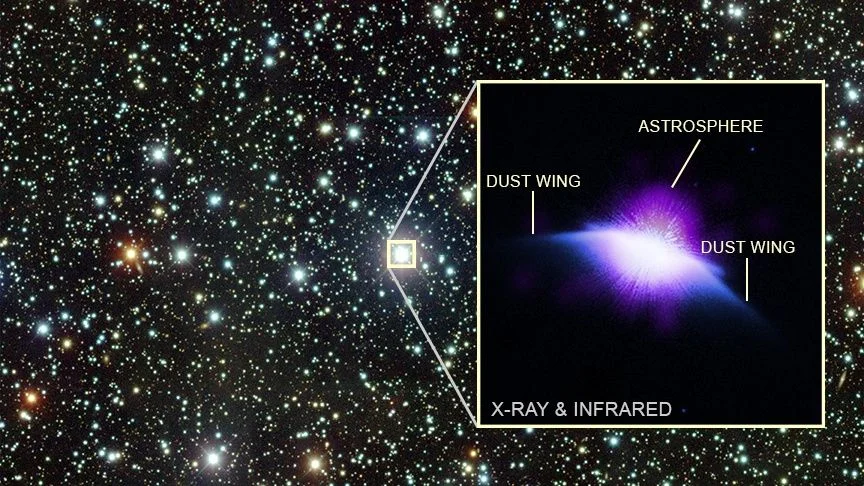
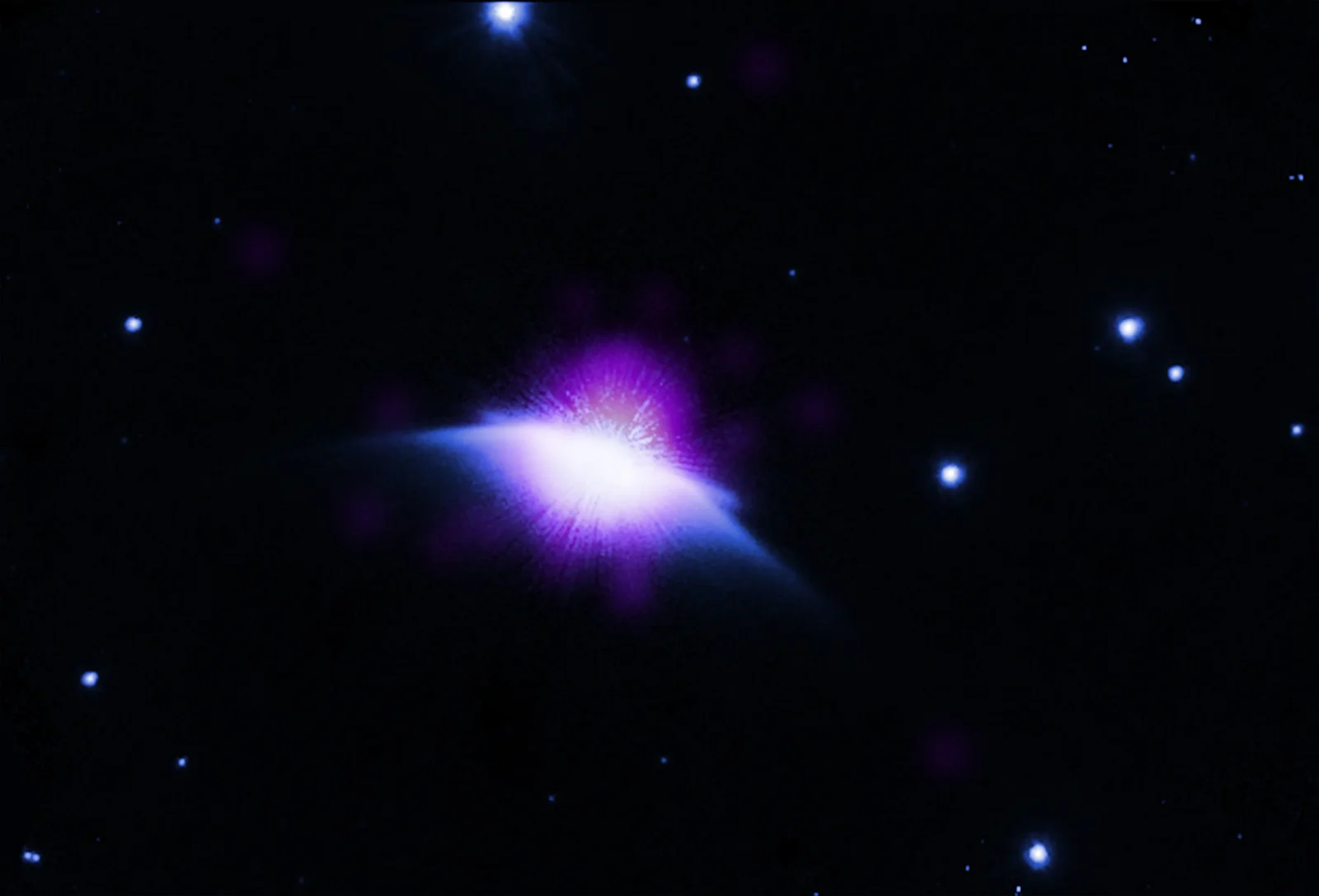
Astronomers using NASA’s Chandra X-ray Observatory imaged the faint X-ray glow around HD 61005, a young sun‑like star about 120 light‑years away, revealing a wind‑blown bubble called an astrosphere—the first X-ray evidence of such a bubble around a star similar to the Sun. HD 61005 is ~100 million years old, and its stellar wind is roughly three times faster and 25 times denser than the Sun’s today, inflating a brighter astrosphere in a dense interstellar environment. The finding offers a rare glimpse into the early solar system’s conditions and how stellar winds shape planetary environments.
Chandra Spots Sun-like Star’s Astrosphere, Echoing Early Solar Wind
space10 days ago

Chandra Spots Sun-like Star’s Astrosphere, Echoing Early Solar Wind

NASA’s Chandra X-ray Observatory detected an astrosphere around HD 61005, the first image of a Sun-like star’s wind-blown bubble. Located about 120 light-years away and ~100 million years old, HD 61005’s wind is ~3× faster and ~25× denser than the young Sun’s, creating a bubble roughly 200 AU across as it moves through surrounding interstellar gas. The star, nicknamed the “Moth” for its dusty infrared wings, offers a glimpse into the Sun’s past and how its heliosphere may have looked billions of years ago.

"Close Encounter: Earth-Sized Half-Lava Exoplanet Discovered in Solar Backyard"
astronomy2 years ago

"Close Encounter: Earth-Sized Half-Lava Exoplanet Discovered in Solar Backyard"

Astronomers have discovered an Earth-sized planet, HD 63433d, orbiting a sun-like star just 73 light years away, offering a unique opportunity to study a planet similar in size to Earth. The planet, found using TESS, is much closer to its host star than Earth and is tidally locked, with one side scorching hot and the other freezing. While sharing similarities and differences with Earth, the discovery represents a step towards finding potentially life-supporting exoplanets. The close proximity of the star opens up opportunities for further studies, offering insights into the formation of Earth-sized planets and the potential for extraterrestrial life.

"Nasa's James Webb Telescope Witnesses Spectacular Birth of Sun-like Star"
space2 years ago

"Nasa's James Webb Telescope Witnesses Spectacular Birth of Sun-like Star"

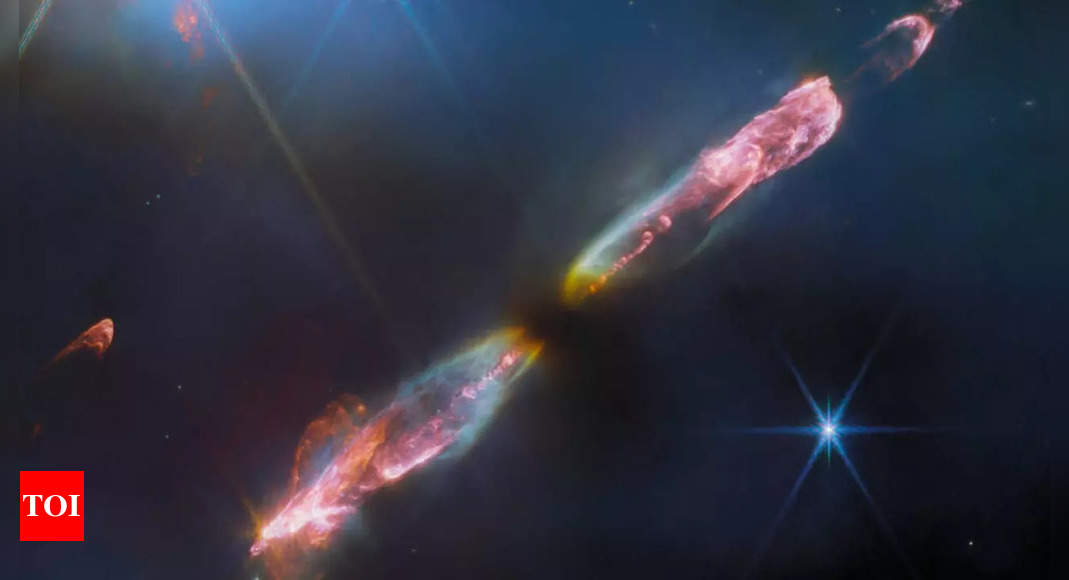
NASA's James Webb Space Telescope has captured a stunning image of Herbig-Haro 211 (HH 211), a young star similar to our Sun in its early stages. The image reveals a jet of gas being expelled from the star, creating luminous areas known as Herbig-Haro objects. These objects provide valuable insights into the formation of baby stars and their jets. The James Webb Space Telescope's ability to detect infrared light allows it to penetrate the dust and gas surrounding the star, providing a clearer view. The image suggests the possibility of a binary star system at the core of HH 211, which further observations may uncover.

Ancient star devours planet in unprecedented observation.
astronomy2 years ago

Ancient star devours planet in unprecedented observation.

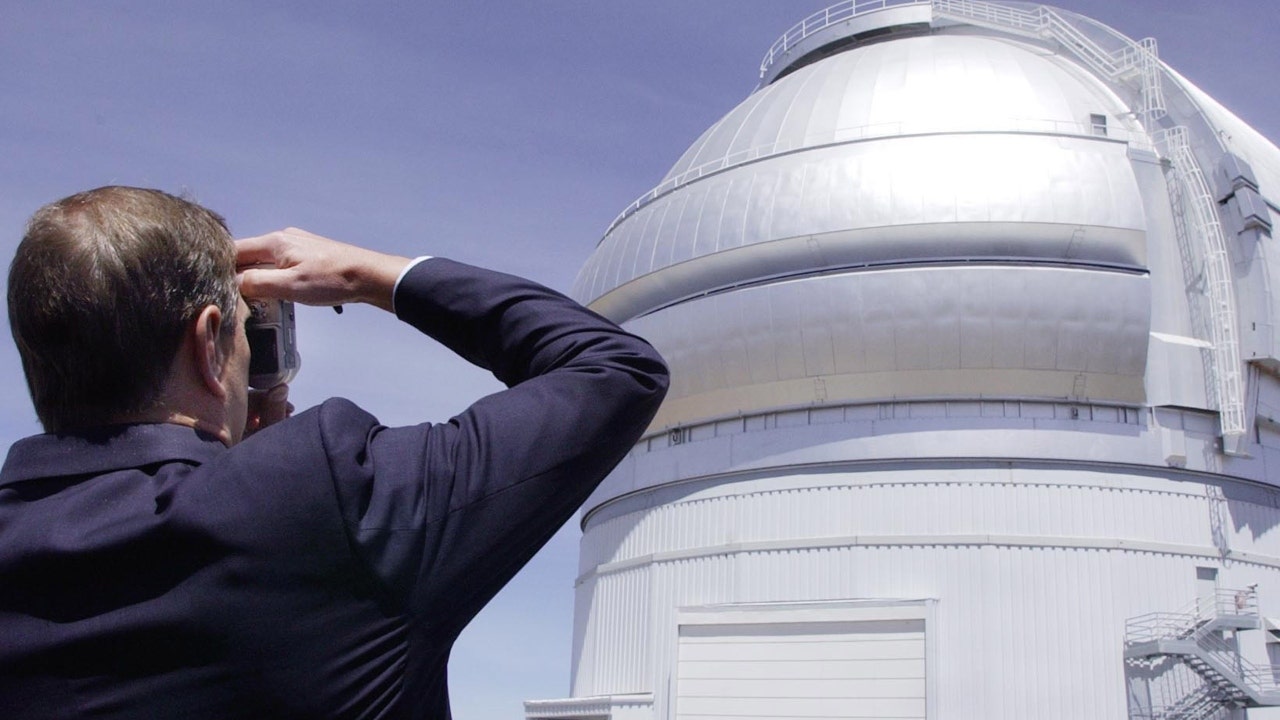
Astronomers have observed the first direct evidence of a dying, ancient sun-like star devouring an exoplanet using the Gemini South telescope in Chile. The outburst from the star is a signature of a planet skimming a star's surface. Such events are estimated to occur only a few times each year across the entire Milky Way. The work was published in the journal Nature and researchers are searching for similar events happening elsewhere in the cosmos with improved metrics.