Tag

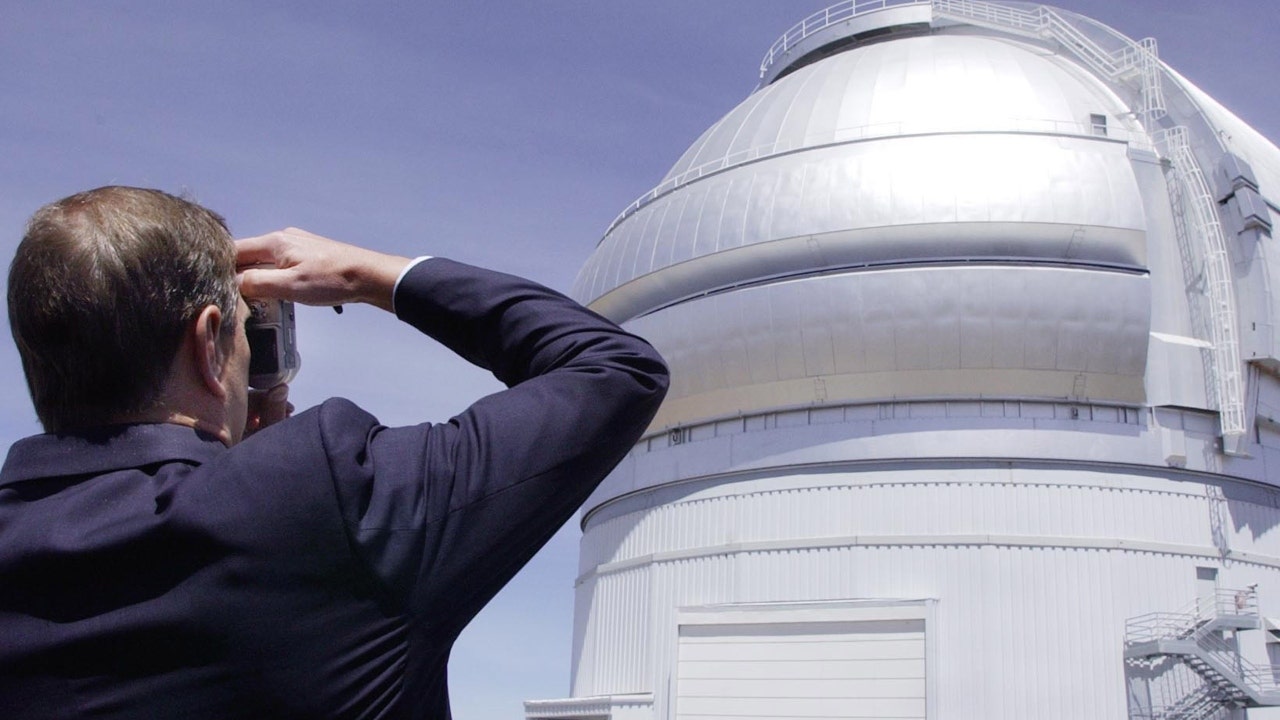
Gemini South Telescope

All articles tagged with #gemini south telescope

science4 months ago

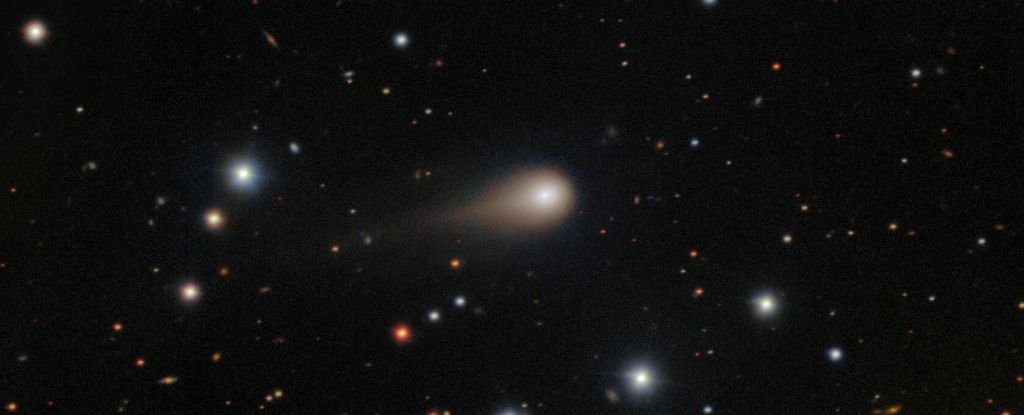
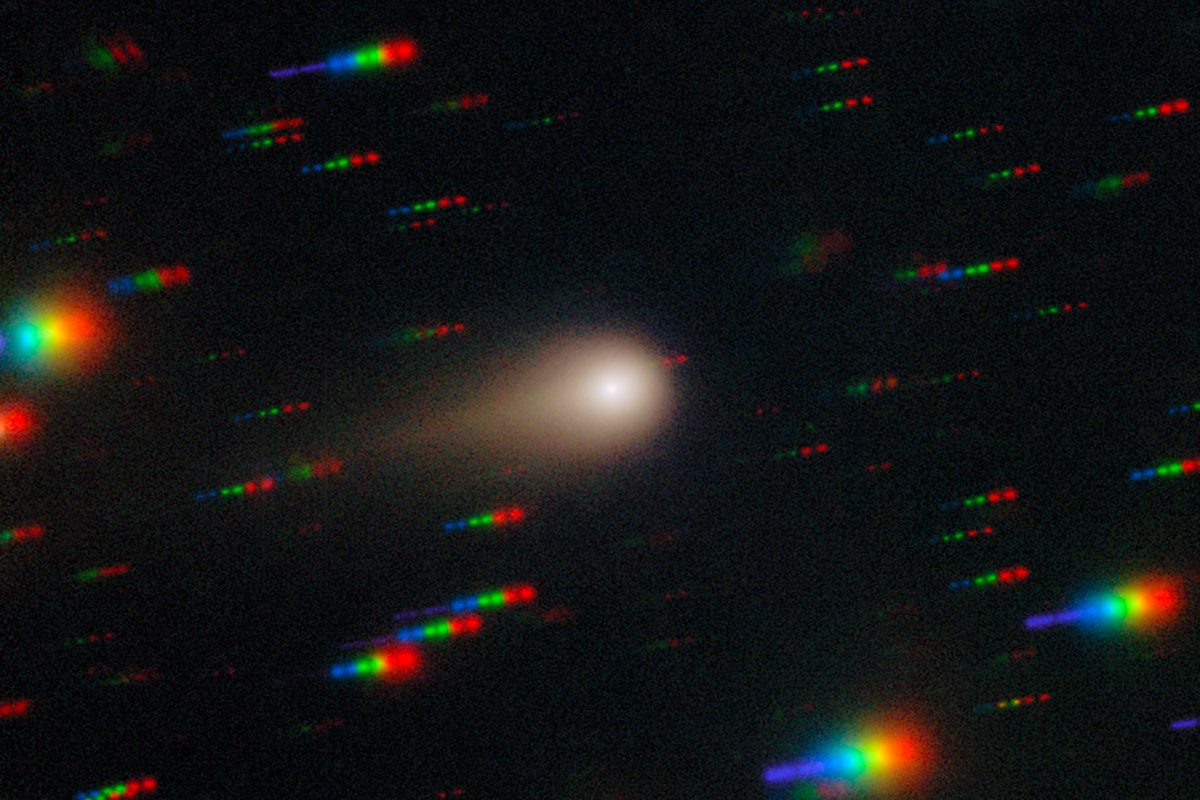
Interstellar Object 3I/ATLAS Develops a Tail and Sparks Alien Tech Theories

Recent images of interstellar comet 3I/ATLAS show it developing a tail as it approaches perihelion in October 2025, revealing changes in its dust and gas composition, particularly its high carbon dioxide ice content, which causes early activity and tail formation, offering insights into its unique nature compared to other comets.
astronomy1 year ago

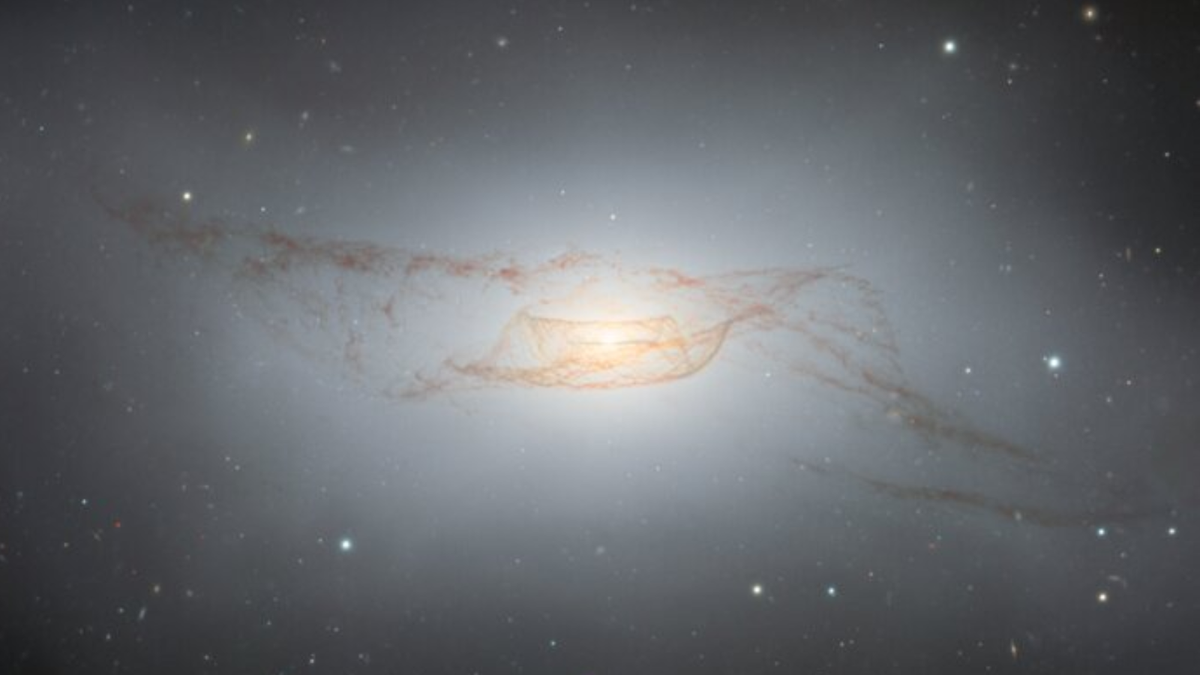
"Capturing the Aftermath: 'Trainwreck' Galaxy's Violent Collision"

Astronomers using the Gemini South Telescope have studied the aftermath of a violent galactic collision that occurred over 1 billion years ago, revealing the twisted galactic disk of the lenticular galaxy NGC 4753. The collision with a smaller dwarf galaxy 1.3 billion years ago left NGC 4753 with a peculiar twisted shape, resembling a "train-wreck galaxy." The intricate dust tracks and star formation in NGC 4753 provide insight into the dynamics of galactic collisions, with differential precession winding the dust into its current shape. This unique perspective from Earth offers a detailed view of the aftermath of cosmic collisions, shedding light on the complex evolution of galaxies.

astronomy2 years ago

Stunning Telescope Footage Reveals Red-Giant Star's Dazzling Final Act

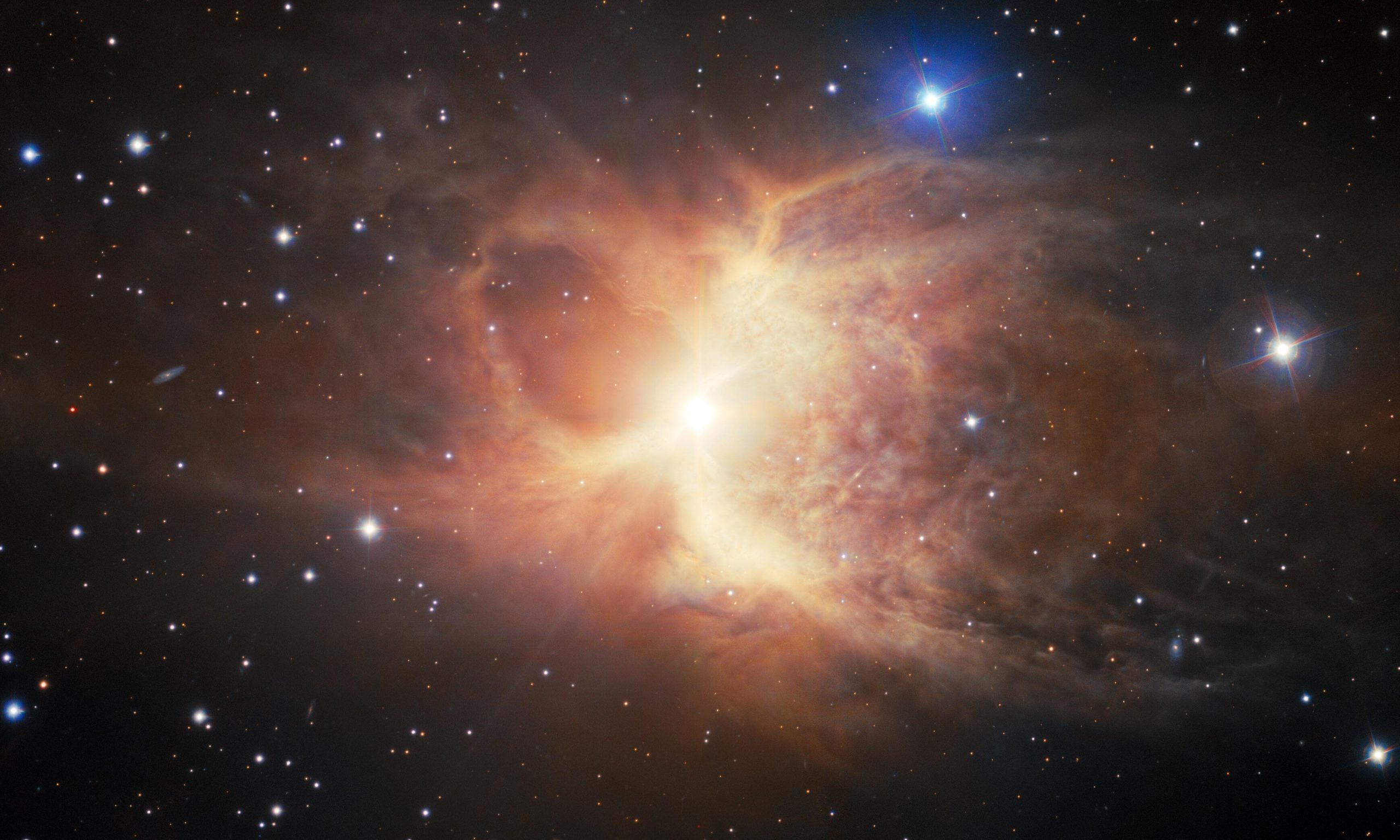
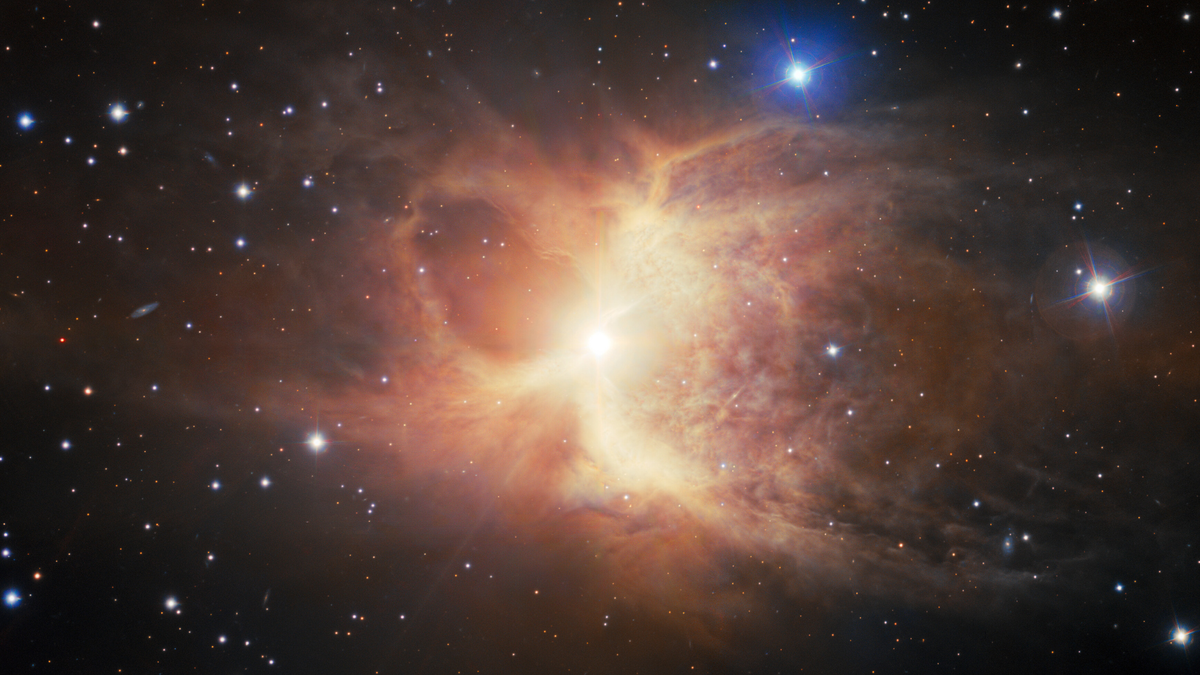
The Gemini South telescope has captured a stunning image of the Toby Jug Nebula, a rare bipolar reflection nebula resembling an old English jug. Located 1,200 light-years away in the constellation Carina, this nebula offers valuable insights into the evolution of red giants, including our Sun's future transformation. The nebula's structure and glowing heart provide astronomers with unique information about the end-of-life phase of red giants and the cosmic structures they form. The Toby Jug Nebula is believed to have formed through interactions between the dying red giant and a shredded companion star. This discovery has implications for understanding the future evolution of our own Sun.

science-and-astronomy2 years ago

"Rare 'Bipolar' Nebula Formed by Dying Red Giant Star's Spectacular Demise"

The Gemini South telescope has captured a stunning image of a rare double-lobed planetary nebula, officially designated IC 2220 but nicknamed the Toby Jug Nebula. The nebula, located around 1,200 light-years away, was created by a dying red giant star called HR3126. This particular type of nebula is short-lived and rarely sighted, making it of great value to scientists studying stellar evolution. The absence of a companion star suggests that it has been shredded and its material dispersed in the nebula. Planetary nebulas are formed when intermediate-mass stars exhaust hydrogen at their core, causing the star to expand and create vast clouds of gas and dust.

astronomy2 years ago

Ancient star devours planet in unprecedented observation.

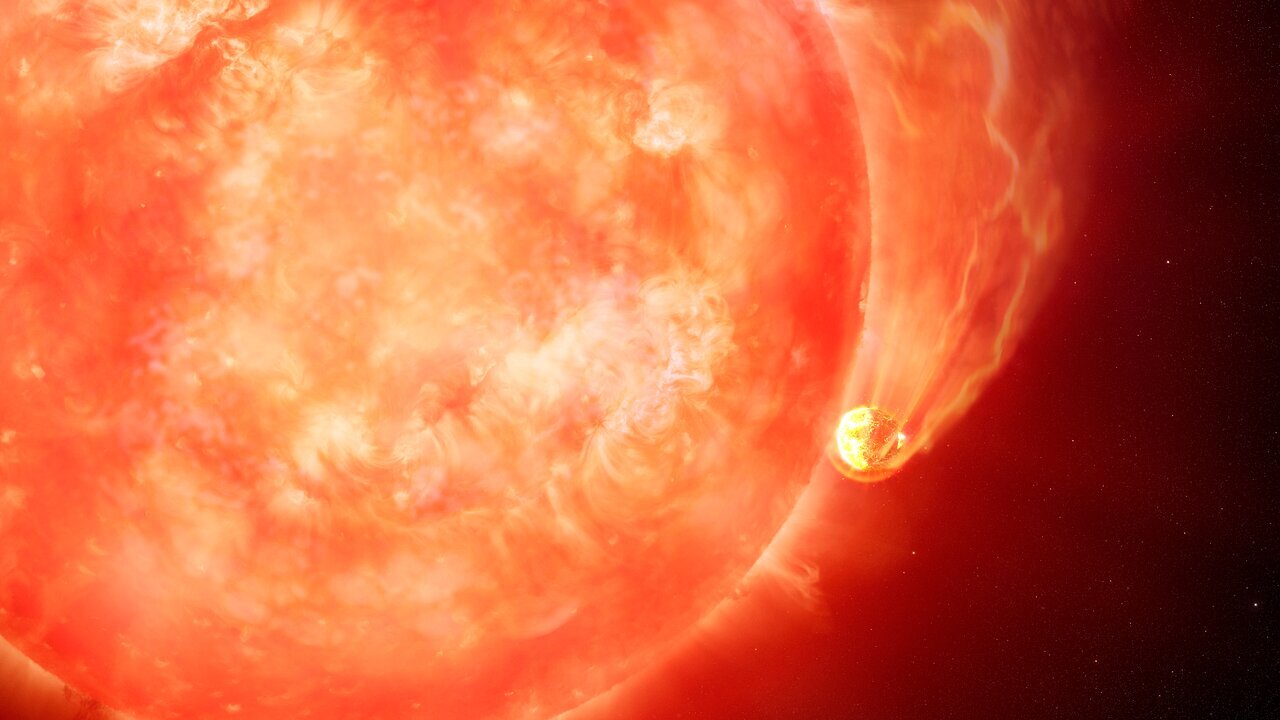
Astronomers have observed the first direct evidence of a dying, ancient sun-like star devouring an exoplanet using the Gemini South telescope in Chile. The outburst from the star is a signature of a planet skimming a star's surface. Such events are estimated to occur only a few times each year across the entire Milky Way. The work was published in the journal Nature and researchers are searching for similar events happening elsewhere in the cosmos with improved metrics.

astronomy2 years ago

Astronomers witness star consuming Jupiter-like planet in a first-of-its-kind event.

Astronomers using the Gemini South telescope in Chile have observed the first direct evidence of a dying sun-like star engulfing one of its planets, which may be a preview of the ultimate fate of Earth when our own sun nears the end of its life in about five billion years. The event was seen in a long and low-energy outburst from the star, and the process would put the brakes on the planet's orbital velocity, causing it to plunge into the star. This discovery provides new insights into the evolution and final fates of planetary systems, including our own.