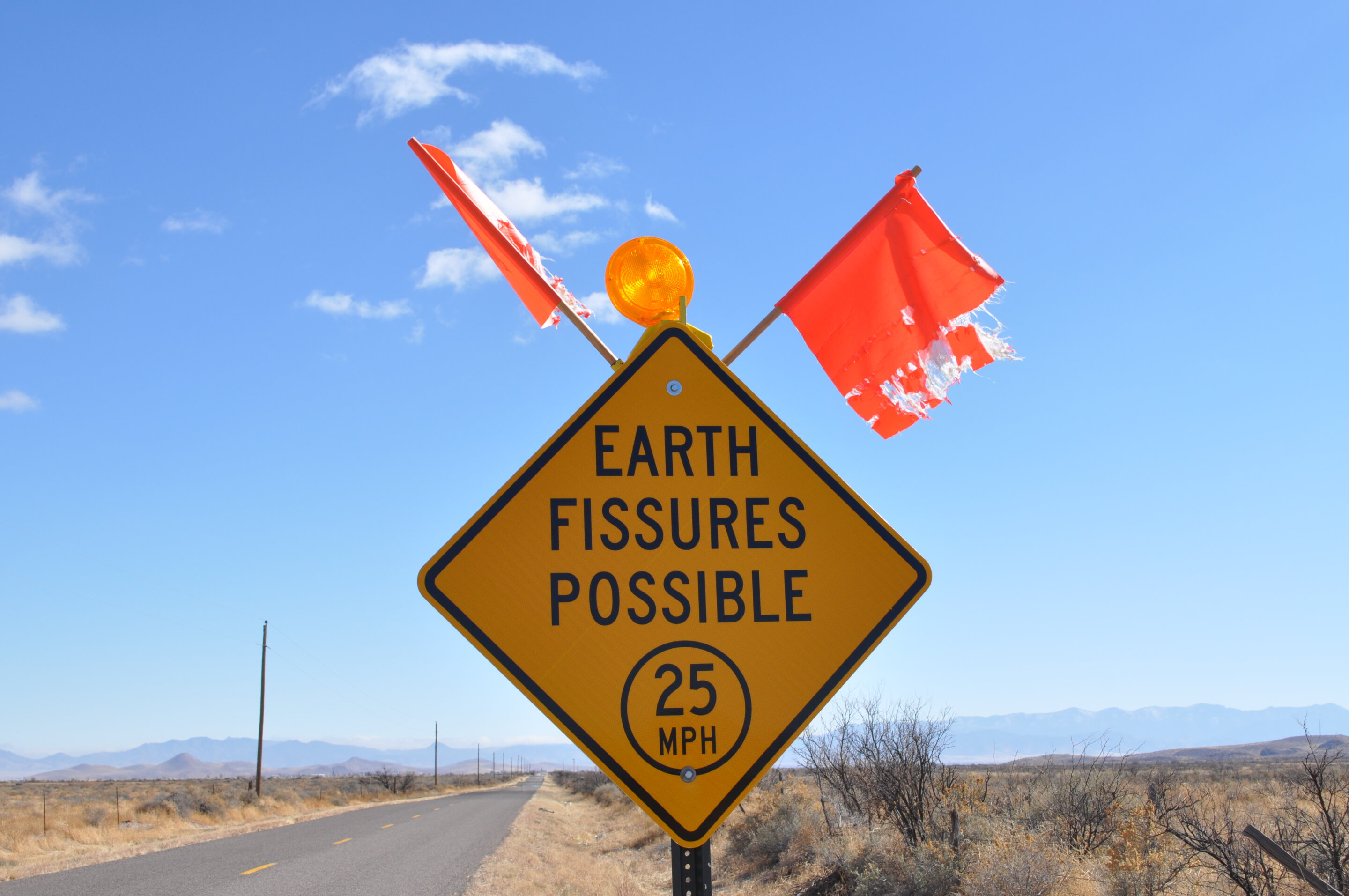
The Willcox Basin in Arizona is experiencing rapid land sinking due to excessive groundwater pumping for agriculture, with some areas sinking up to six inches annually, causing fissures, dry wells, and flooding; efforts like declaring Active Management Areas aim to slow this process, but permanent subsidence remains a significant challenge.
A US Geological Survey study warns that by 2100, rising sea levels and land subsidence could severely impact US coastal cities, affecting over 14 million people and causing over $1 trillion in property damage. The East Coast, including cities like Miami and New York, faces significant threats from flooding and sinking land, while California's San Joaquin Valley is experiencing record subsidence due to excessive groundwater extraction. Researchers emphasize the need for strategic planning and resilience strategies to mitigate these effects, though specific solutions were not detailed.
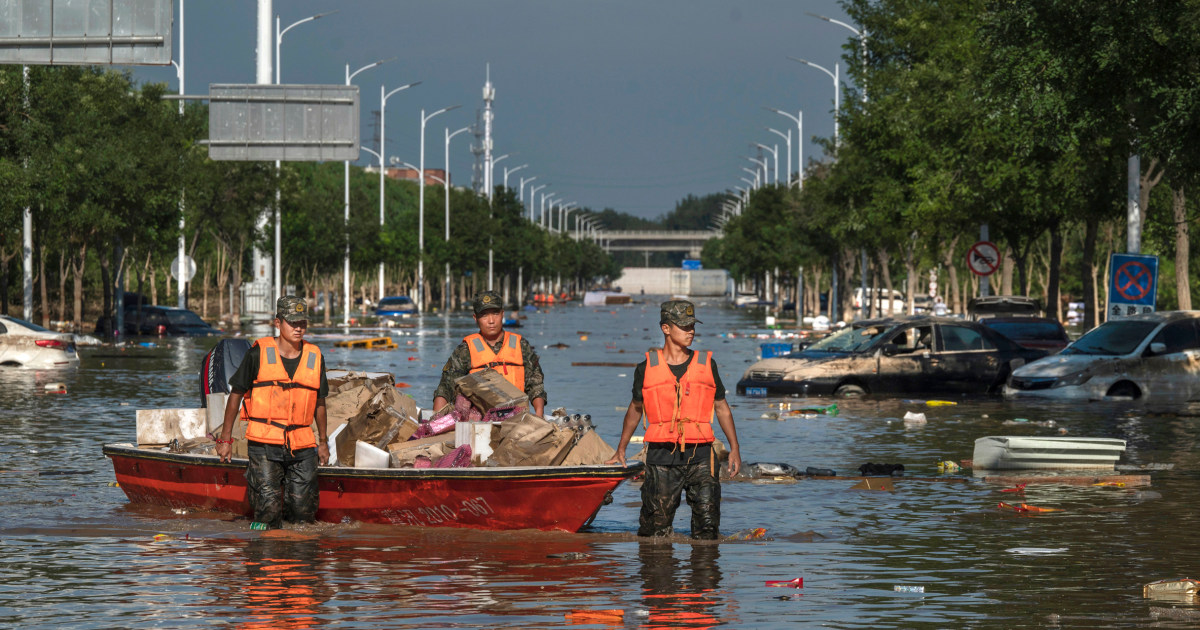
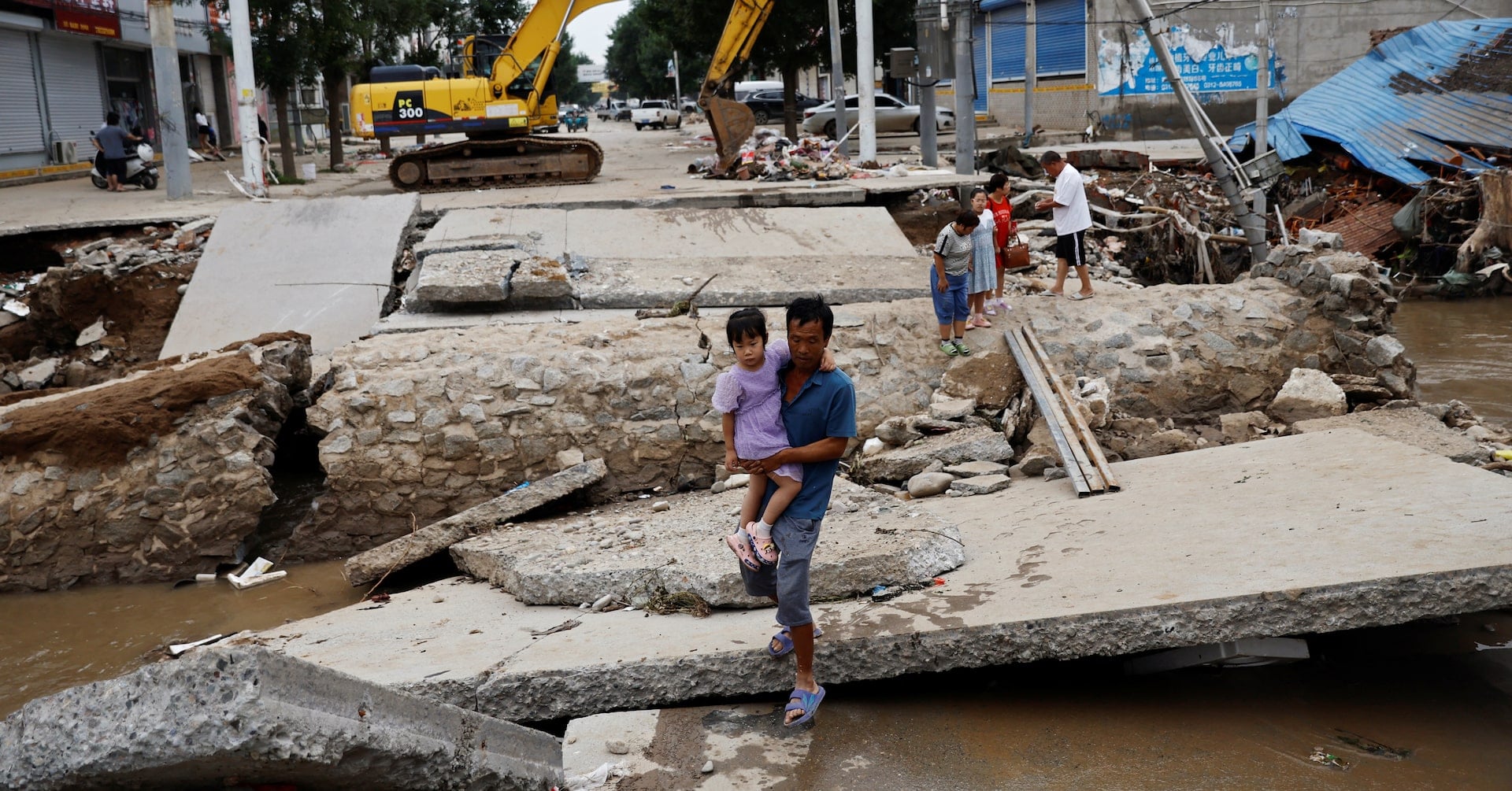
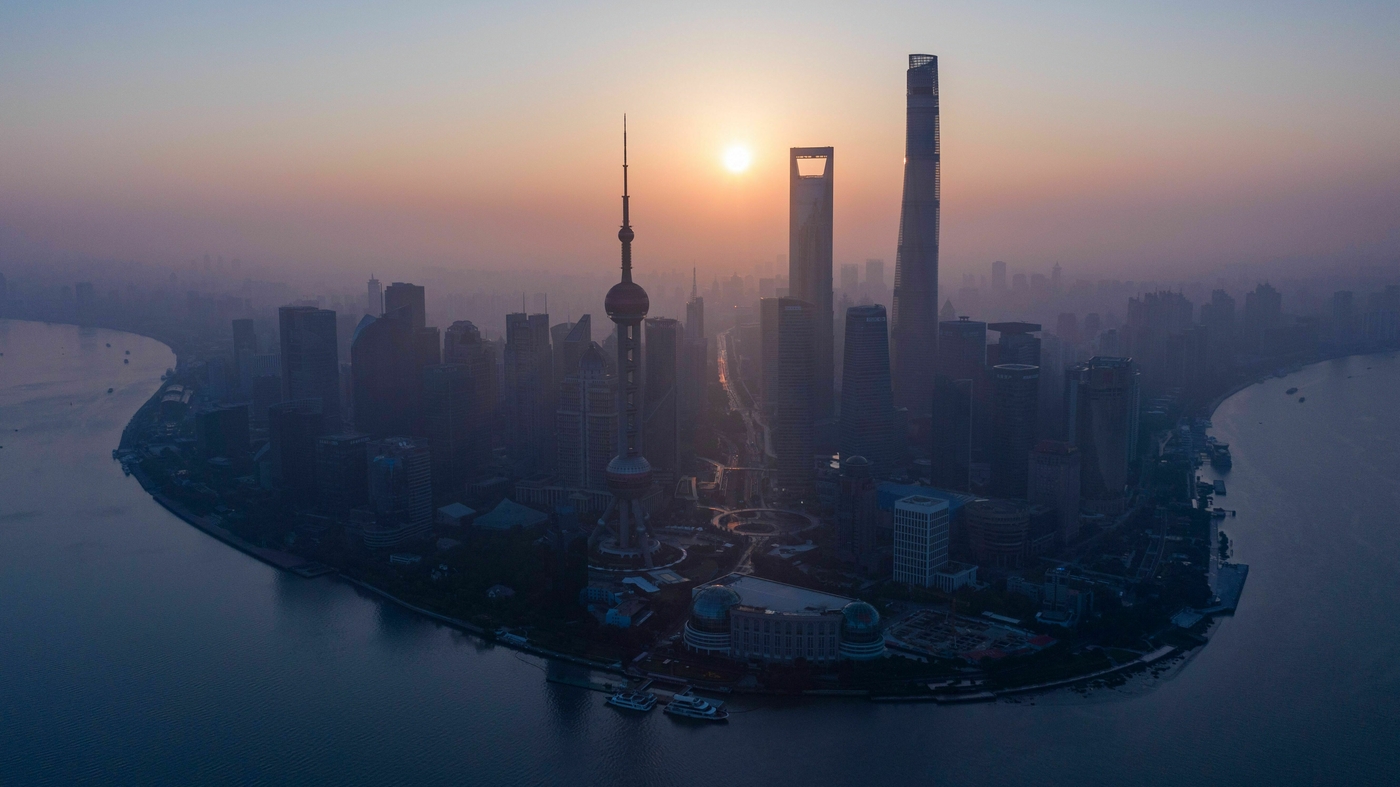
A study using nationwide satellite data found that nearly half of China's major cities are experiencing moderate to severe subsidence, with 16% of urban land sinking at more than 10 mm per year. This poses a significant risk of flooding, especially as sea levels rise, and could affect millions of people. The issue is driven by declining water tables and the weight of the built environment, costing China billions in annual losses. The problem is not limited to China, with other countries also at risk, and experts emphasize the need for both mitigation and adaptation measures to address this global challenge.
A study using nationwide satellite data has revealed that nearly half of China's major cities are experiencing "moderate to severe" levels of subsidence, with 16% of urban land sinking at a rate of more than 10 mm per year. This poses a significant risk of flooding, especially as sea levels continue to rise. The issue, driven by declining water tables and the weight of the built environment, is costing China billions in annual losses and could affect hundreds of millions of people within the next century. The problem is not unique to China, as other countries, including Indonesia, are also facing similar challenges. Mitigation and adaptation strategies, such as those implemented in Tokyo, will be crucial for addressing this widespread issue.
A new study reveals that nearly half of major cities in China are sinking, posing a significant threat to the urban population as subsidence exacerbates flooding related to sea level rise from climate change. With nearly one third of China's urban population residing in sinking areas, the risk to tens of millions of people is already apparent, and could grow to hundreds of millions if current trends persist. The study, conducted by over 50 Chinese scientists, highlights the urgent need for measures to prevent and reverse subsidence, such as regulating groundwater removal and making informed urban planning decisions.
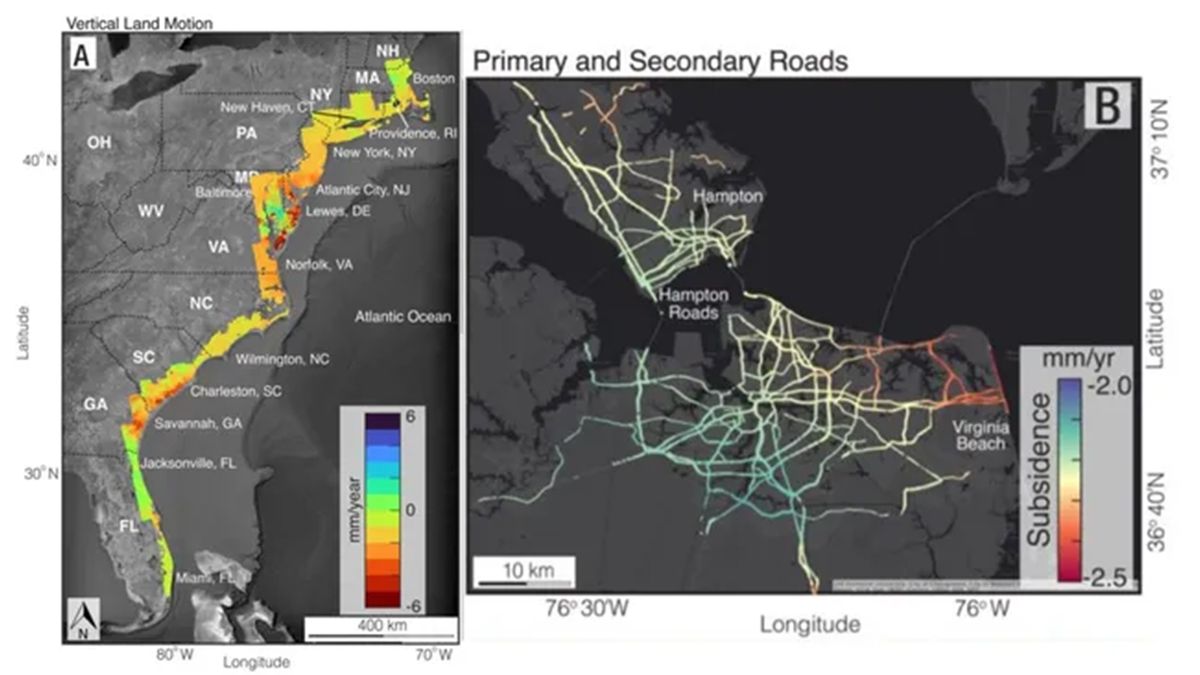
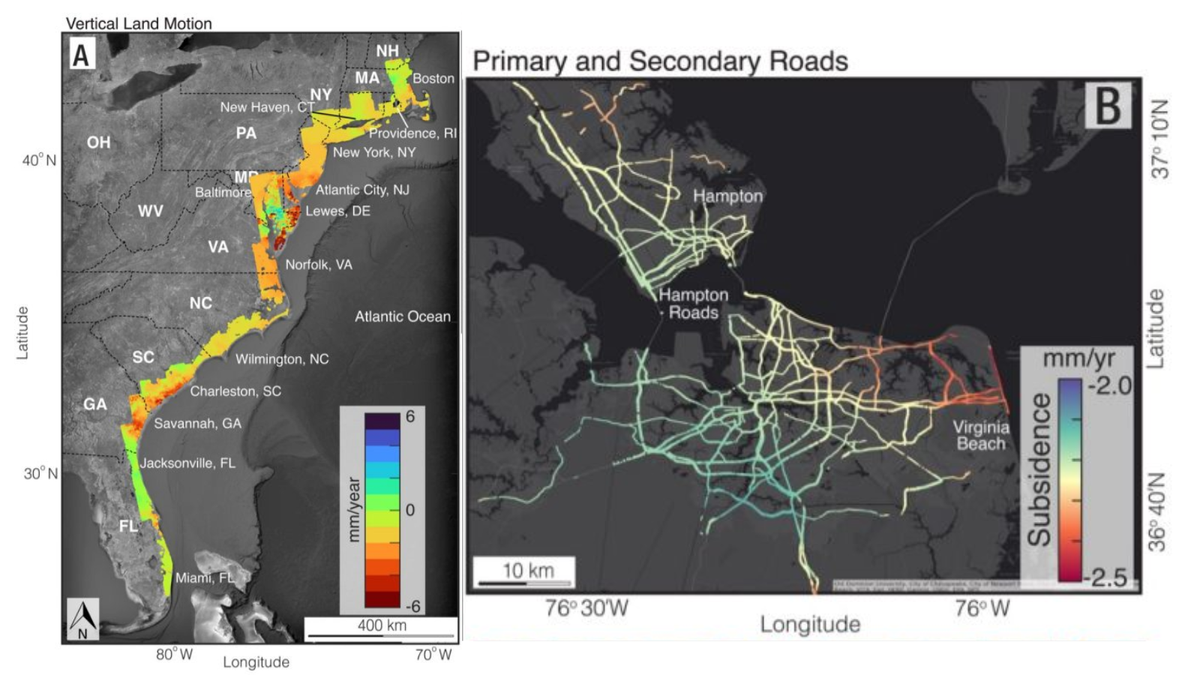
A new study reveals that highly populated areas along the U.S. East Coast, including New York City, Baltimore, Virginia Beach, Norfolk, and Long Island, are experiencing rapid subsidence, posing a significant risk to critical infrastructures such as roads, flight paths, building foundations, railway lines, and pipelines. The study, conducted by researchers from Virginia Tech University and the U.S. Geological Survey, shows that specific areas along the Mid-Atlantic coast are subsiding at an alarming rate exceeding 5 mm per year, surpassing the global sea-level rise. This poses tangible threats affecting millions of people and properties along the East Coast, intensifying the risk of coastal flooding, especially when ground sinking coincides with rising sea levels due to climate change.
Virginia Tech researchers have found that almost every city along the East Coast is experiencing subsidence, with rates of 2 millimeters per year affecting millions of people and properties. The gradual sinking of land poses a major threat to cities like New York, Baltimore, and Norfolk, and is exacerbated by the use of groundwater, potentially leading to more severe flooding. The study serves as an early warning and suggests the need for investment in measures such as building sea walls, elevating infrastructure, and reducing reliance on groundwater to mitigate the long-term impacts.
Subsidence, caused by factors like groundwater extraction and sediment settling, is causing the land along America's Atlantic Coast to sink at a faster rate than sea-level rise, posing a significant threat to coastal communities and infrastructure. The study highlights the mounting costs and risks associated with subsidence, with areas like Virginia Beach, Baltimore, and NYC particularly at risk, and emphasizes the potential impact on levees, population, and property.
Satellite imagery has revealed significant subsidence, or land sinking, across major cities on the U.S. East Coast, with some areas sinking as much as 5 millimeters per year. This phenomenon poses a threat to infrastructure, including buildings, roads, and airports, and exacerbates flood risks when combined with sea-level rise due to climate change. The research, conducted by Virginia Tech and the USGS, highlights the urgency of addressing subsidence in densely populated and infrastructure-heavy areas to mitigate potential damage and increased flood risks.
A recent study published in PNAS Nexus reveals that critical infrastructure along the US East Coast is at risk due to land subsidence, with areas sinking by several millimeters annually, exacerbating the threat of sea-level rise. This subsidence, caused by factors such as sediment settling and groundwater extraction, affects millions of people and properties, with infrastructure like levees, roads, and railways also at risk. Differential subsidence, where different areas sink at varying rates, poses a particular threat to the structural integrity of buildings and infrastructure. The study emphasizes the urgent need for detailed data and improved groundwater management to mitigate the risks and costs associated with subsidence.
Satellite data reveals that major cities along the U.S. East Coast, including New York City, Baltimore, and Virginia Beach, are experiencing significant land subsidence, with some areas sinking as much as 5 millimeters per year. This subsidence, when combined with sea-level rise due to climate change, poses a heightened risk of flooding and infrastructure damage. The study, conducted by Virginia Tech and the USGS, emphasizes the urgent need for awareness and mitigation of the sinking land's impact on densely populated and infrastructurally critical areas. The research has been published in the Proceedings of the National Academy of Sciences.
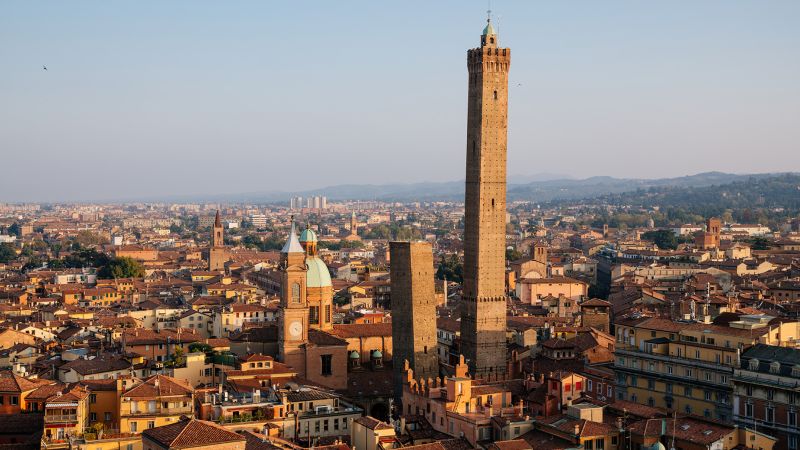
The Garisenda Tower in Bologna, Italy, known for its distinctive lean, has been closed off as scientists monitor it for signs of subsidence. The tower, built in the 12th century, leans at a four-degree angle and has been the subject of monitoring since 2018. Acoustic sensors and a pendulum have been installed to track any movement or stress noise. The closure of the area is aimed at gathering more precise data, and a biannual report on the tower's condition will be brought forward. Local authorities are committed to protecting the tower and have plans for restoration if needed.
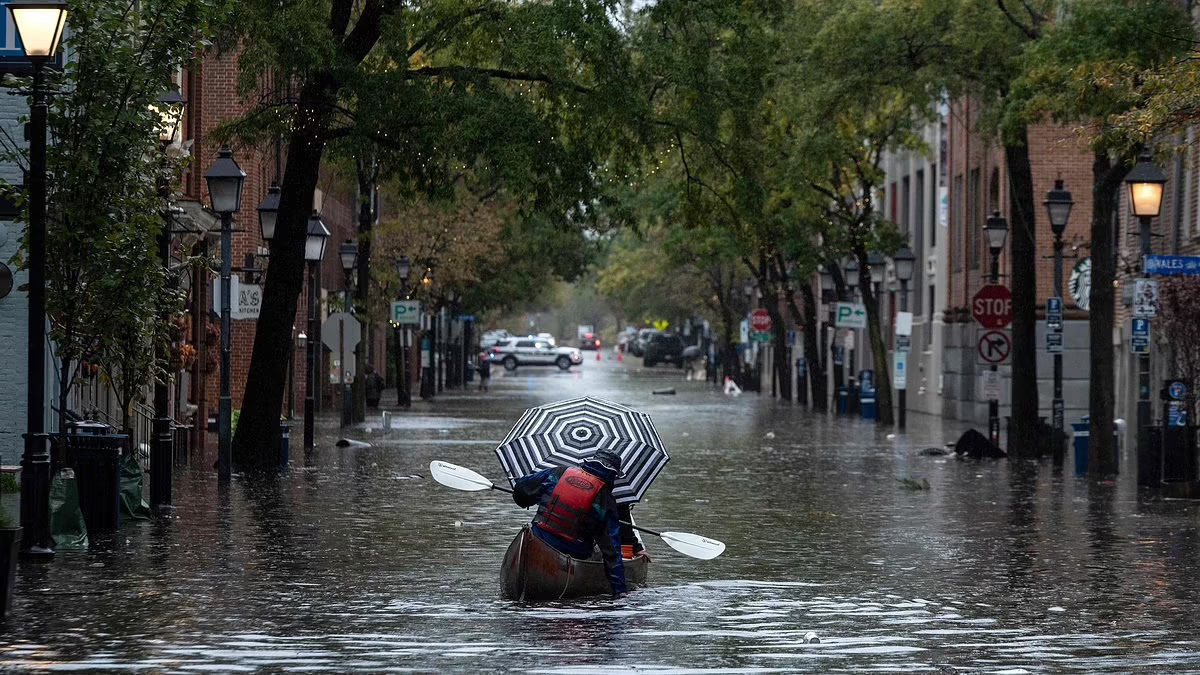
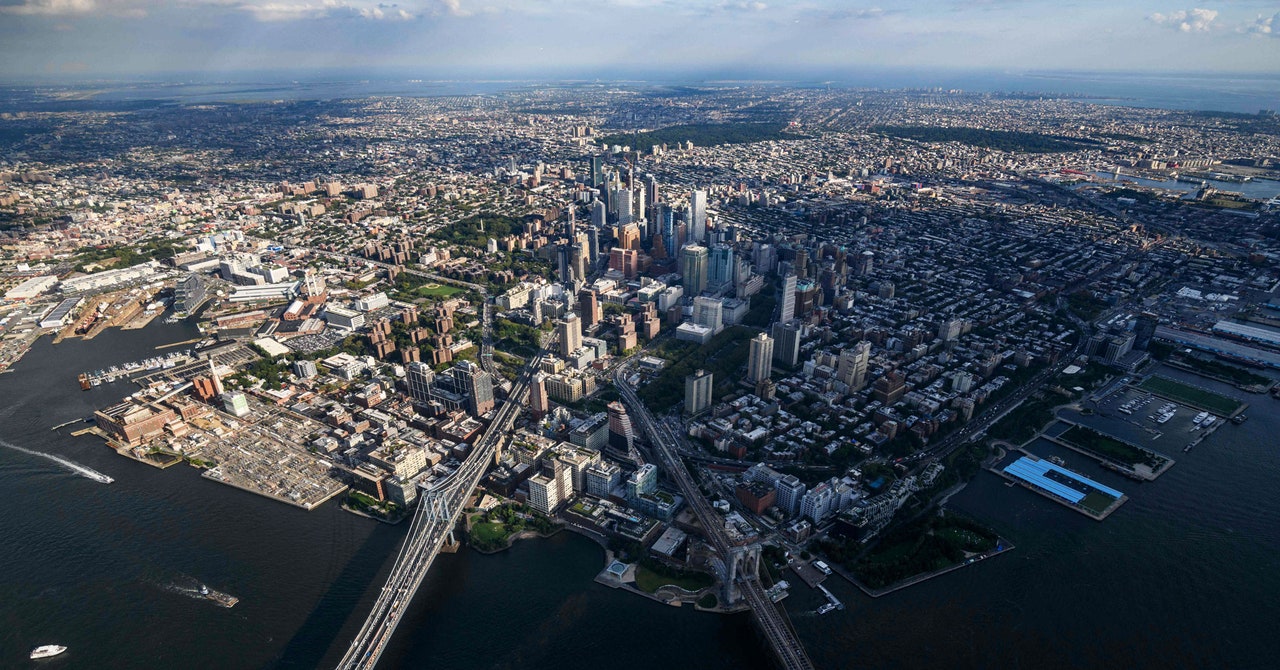
New research estimates that New York City is sinking at an average rate of 1 to 2 millimeters per year due to the weight of its buildings, homes, and infrastructure. The study warns that the city's subsidence, combined with rising sea levels, could lead to parts of the city being underwater in the future. While the process is slow, it could have destructive and deadly consequences, as demonstrated by Superstorm Sandy and Hurricane Ida. The findings could help inform policy makers as they draft ongoing plans to combat, or at least forestall, the rising tides.
New York City is sinking at a rate of 1 to 2 mm per year, the same rate as Venice, Italy, due to the weight of its buildings and rising sea levels. The threat of sea level rise is three-to-four times higher in New York than the global average along the Atlantic Coast, and some parts of the city are subsiding even faster. Other coastal cities around the world are also sinking at an alarming rate, posing a shared global challenge of mitigation against a growing inundation hazard.
New York City is sinking by 1-2 millimeters annually due to subsidence caused by the weight of its buildings, according to a recent study. The cumulative mass of the city's buildings was found to be around 1.68 trillion pounds, and some areas were found to have significantly greater subsidence rates. The study highlights the shared global challenge of mitigating the growing inundation hazard faced by many coastal cities around the world due to sea level rise and increasing urbanization. The Army Corps of Engineers is proposing a $52B construction of coastal seawalls to mitigate the looming circumstances.