New analysis of the Cascadia subduction zone reveals that one of the tectonic plates is tearing itself apart, indicating a gradual end to this subduction process, which is part of Earth's natural geological cycle. Using seismic imaging, scientists observed faults and fractures suggesting the plate is slowly breaking into smaller microplates, akin to a train derailing gradually, rather than a sudden catastrophe.
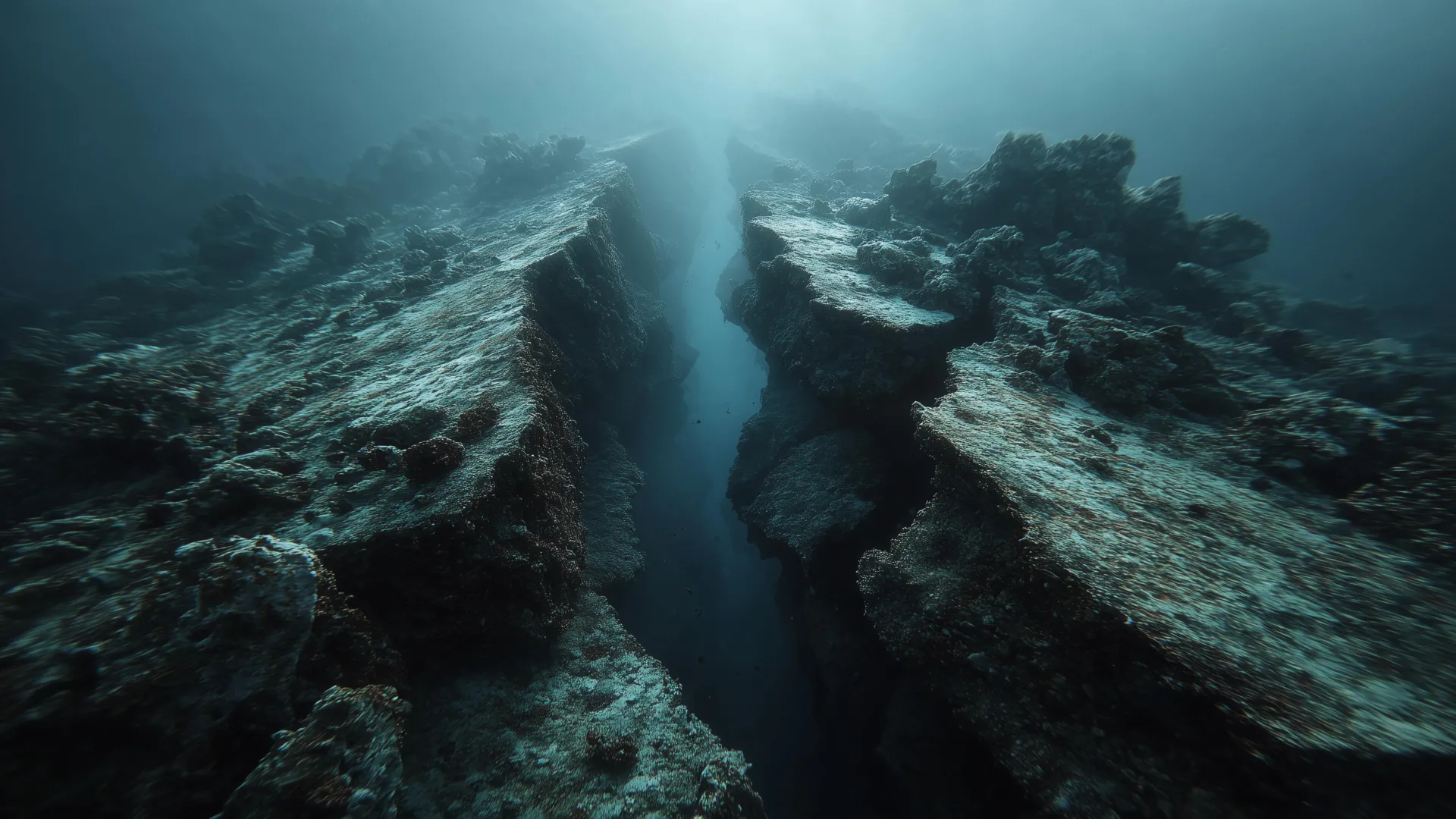
Scientists have directly observed a subduction zone off Vancouver Island in the process of breaking apart, revealing that such zones fail gradually through episodic tearing rather than catastrophic collapse, providing new insights into Earth's geological processes and earthquake hazards in the Pacific Northwest.
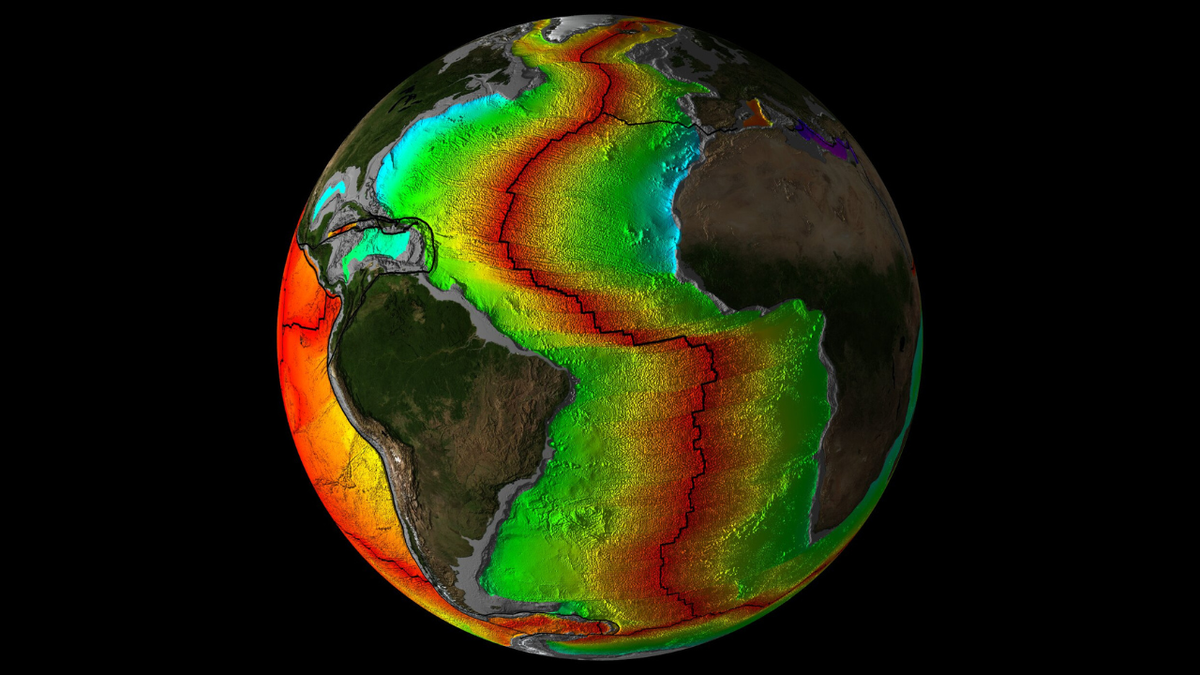
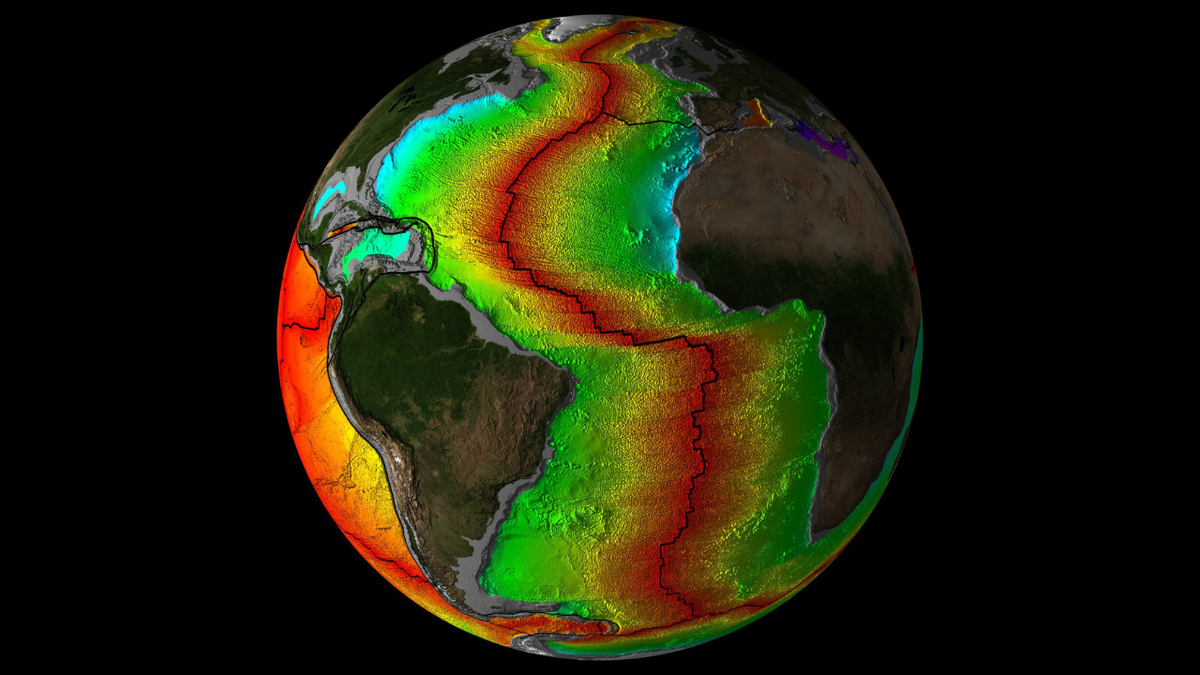
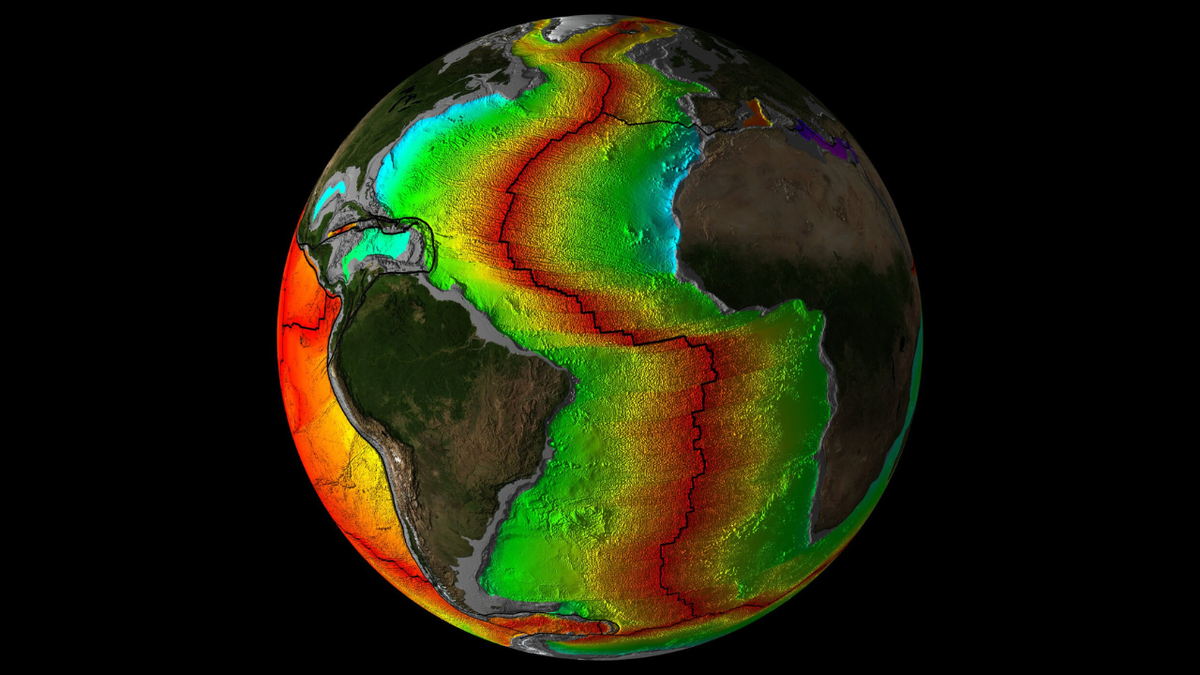
A new study suggests a tectonic fault may be forming beneath the Atlantic Ocean due to mantle delamination, potentially creating a new subduction zone and increasing the risk of powerful earthquakes and tsunamis in the region, highlighting the need for preparedness.
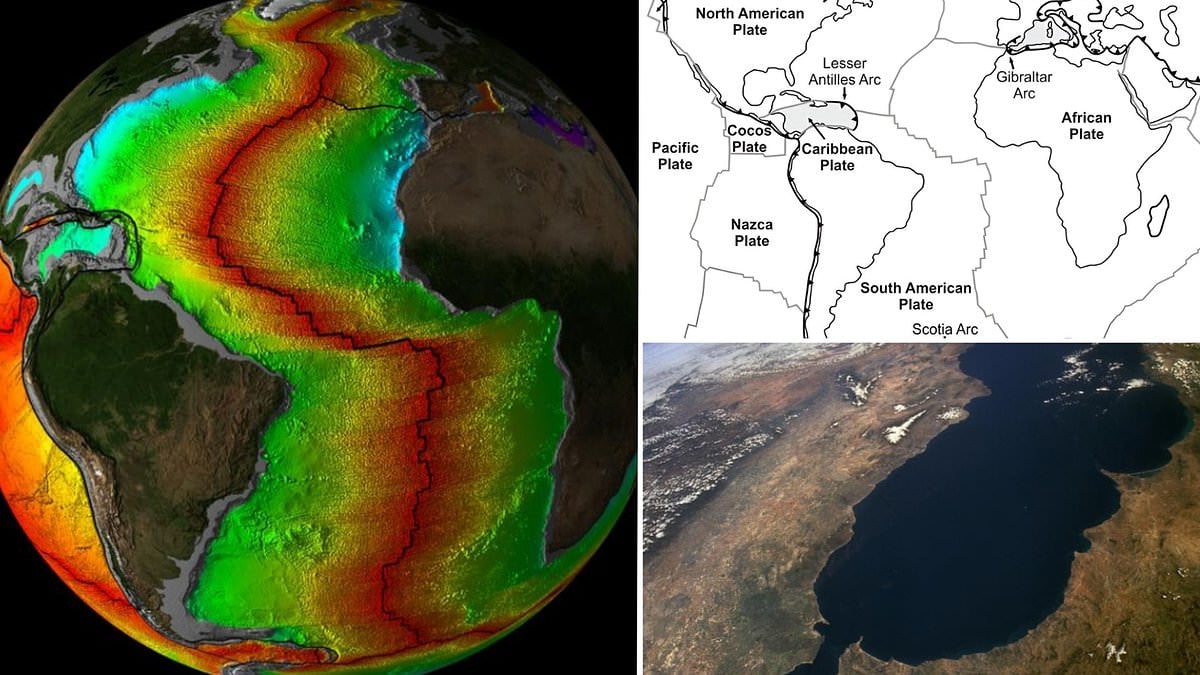
Scientists warn that the Atlantic Ocean could be swallowed by a subduction zone known as the 'Ring of Fire', currently located beneath the Gibraltar Strait, within the next 20 million years. This process, called subduction invasion, could lead to the shrinking and eventual closure of the ocean basin. The study, led by researchers in Portugal, suggests that the subduction zone below the Gibraltar Strait is currently active and could expand westwards into the Atlantic, forming a new Atlantic subduction system. This could have significant implications for seismic activity in the area, as subduction zones are known for powerful earthquakes.
A subduction zone known as the Gibraltar arc, located between Portugal and Morocco, has been creeping westward and could eventually invade the Atlantic Ocean, leading to the formation of an Atlantic subduction system similar to the Ring of Fire in the Pacific. Despite appearing dormant, new research suggests that the subduction zone is merely in a period of quiet and could resume its advance in the next 20 million years, potentially causing the Atlantic Ocean to slowly close up. The zone's movement over the last 5 million years may explain the region's relative lack of seismicity and volcanism, with the last major earthquake occurring in 1755.
A subduction zone known as the Gibraltar arc, located between Portugal and Morocco, has been creeping westward and could eventually invade the Atlantic Ocean, leading to the formation of an Atlantic subduction system similar to the Ring of Fire in the Pacific. Despite appearing dormant, new research suggests that the arc is merely in a period of quiet and could resume its advance in the next 20 million years, potentially causing the Atlantic Ocean to slowly close up. The subduction zone's movement has been linked to the relative lack of seismicity and volcanism in the region, with the last major earthquake occurring in 1755.
A subduction zone beneath the Gibraltar Strait is slowly moving westward and could eventually invade the Atlantic Ocean, leading to the formation of an Atlantic subduction system similar to the Ring of Fire in the Pacific. Research suggests that the subduction zone is currently in a period of quiet but could resume its advance in about 20 million years. This movement could result in the swallowing and closing up of the Atlantic Ocean, with the Gibraltar arc's grinding advance over the last 5 million years potentially explaining the region's relative lack of seismicity and volcanism.
A magnitude 4.0 earthquake off Florida's Space Coast has raised concerns about the possibility of a tsunami hitting the state. However, the likelihood of a tsunami being triggered by such an earthquake is very low, as tsunamis are typically caused by larger earthquakes with a magnitude over 7.0 near subduction zones. The nearest subduction zone to Florida is in the eastern Caribbean, and earthquakes of this magnitude are unlikely to trigger a tsunami, according to the U.S. Geological Survey.
Geologist Suzanna van de Lagemaat from Utrecht University has reconstructed a previously unknown tectonic plate called Pontus, which was once one-quarter the size of the Pacific Ocean. Through field research and investigations of mountain belts in various regions, she discovered oceanic remnants on northern Borneo that belonged to the long-suspected plate. Van de Lagemaat's work provides insights into the movements of tectonic plates and the geological history of the Earth, shedding light on paleogeography, climate changes, and the distribution of rare metals. The existence of Pontus was independently demonstrated by her research, confirming a hypothesis made 11 years ago about a large subduction zone in the western paleo-Pacific Ocean.