
"Disrupted Brain Connections in ADHD Youth"
Originally Published 1 year ago — by National Institutes of Health (NIH) (.gov)
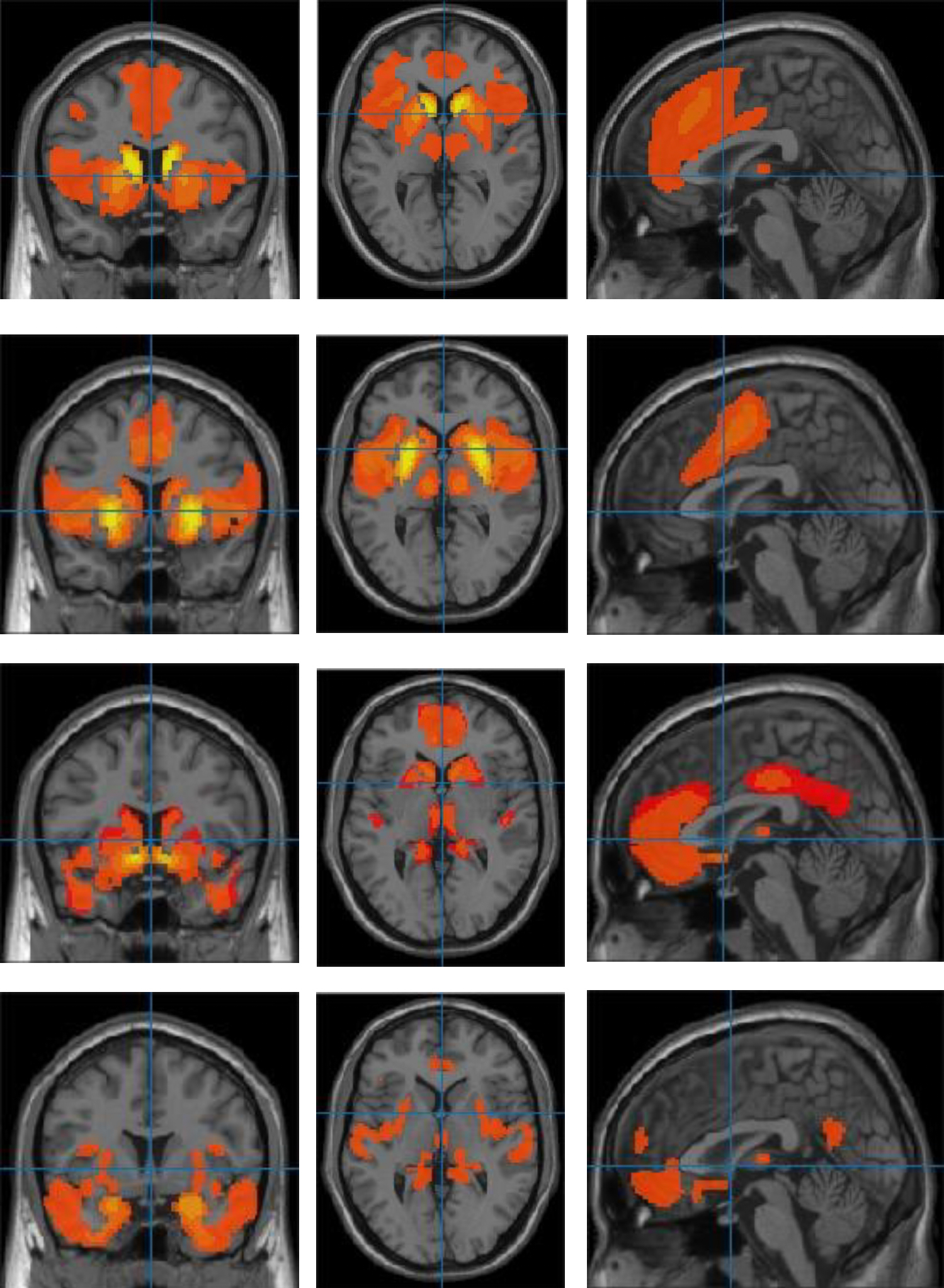
A study re-analyzed fMRI images from over 1,600 youths with ADHD and found elevated brain activity connecting the frontal cortex with subcortical regions and the amygdala, which helps process emotions. These differences in brain connectivity were consistent across various demographics and mental health conditions. Understanding these altered brain connections could lead to new approaches for treating ADHD, which is a complex condition with many other changes in brain connectivity playing a role.