Tag

Frontal Cortex

All articles tagged with #frontal cortex

Mental Fatigue Linked to Increased Aggression and Emotional Control Loss

Originally Published 1 year ago — by Neuroscience News

Featured image for Mental Fatigue Linked to Increased Aggression and Emotional Control Loss
Source: Neuroscience News

A study by the IMT School of Advanced Studies Lucca reveals that prolonged mental fatigue can lead to increased aggression and uncooperative behavior due to "local sleep" patterns in the brain's frontal cortex, which is crucial for decision-making. EEG scans showed that fatigued individuals exhibited sleep-like brain activity, supporting the concept of "ego depletion." This suggests that mental exhaustion can negatively impact decision-making, affecting personal interactions and negotiations.

"Disrupted Brain Connections in ADHD Youth"

Originally Published 1 year ago — by National Institutes of Health (NIH) (.gov)

Featured image for "Disrupted Brain Connections in ADHD Youth"
Source: National Institutes of Health (NIH) (.gov)

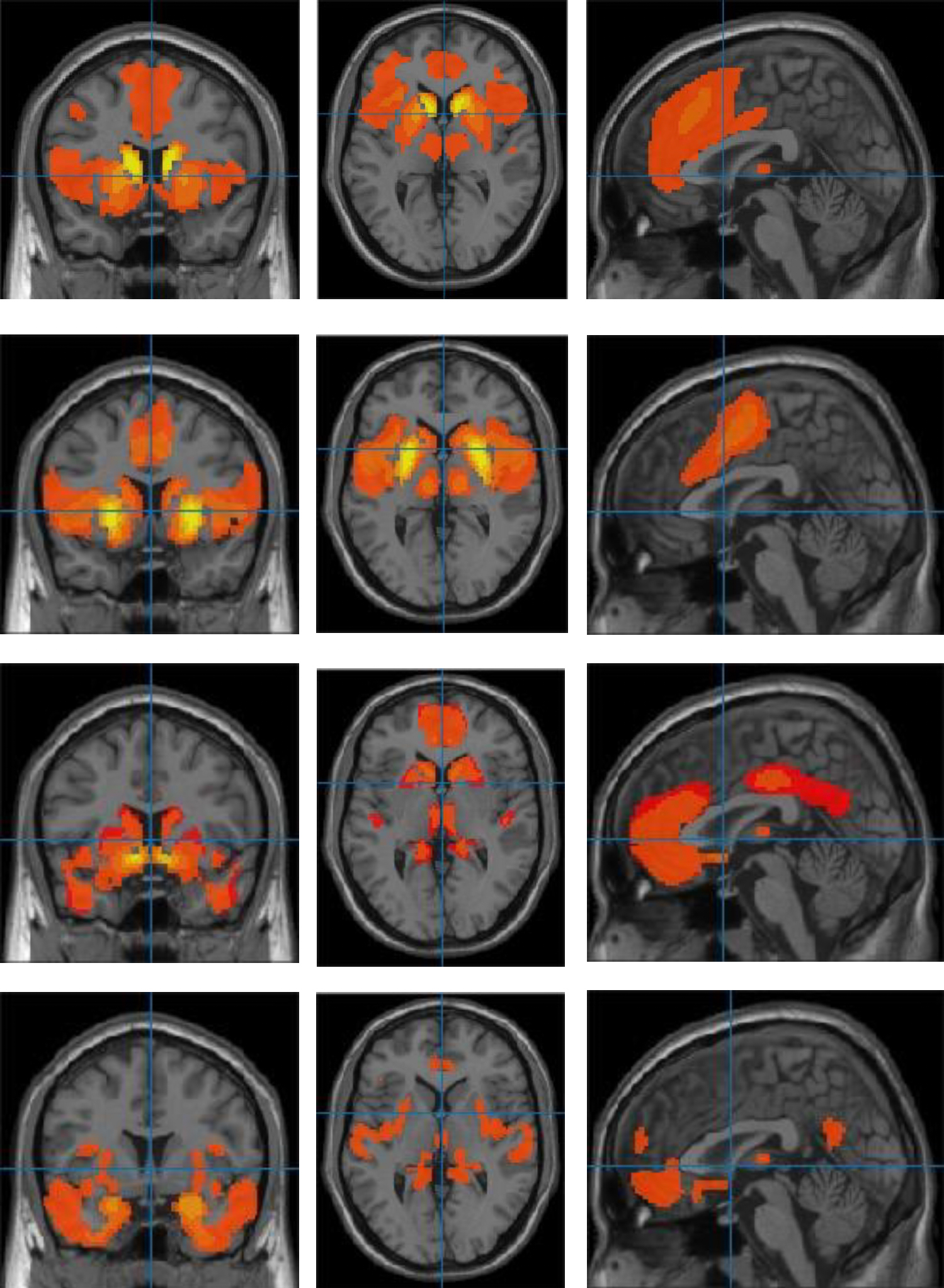
A study re-analyzed fMRI images from over 1,600 youths with ADHD and found elevated brain activity connecting the frontal cortex with subcortical regions and the amygdala, which helps process emotions. These differences in brain connectivity were consistent across various demographics and mental health conditions. Understanding these altered brain connections could lead to new approaches for treating ADHD, which is a complex condition with many other changes in brain connectivity playing a role.

"Unusual Brain Connectivity Patterns Linked to ADHD in Neuroimaging Study"

Originally Published 1 year ago — by PsyPost

Featured image for "Unusual Brain Connectivity Patterns Linked to ADHD in Neuroimaging Study"
Source: PsyPost

A large-scale neuroimaging study led by the NIH has revealed distinctive patterns of brain connectivity in youths with ADHD, particularly involving heightened interactions between deep brain structures and frontal areas responsible for attention and behavioral control. The study, analyzing nearly 10,000 brain images, provides new insights into the neurological underpinnings of ADHD and offers potential avenues for future research and treatments. While the findings align with existing models of the disorder, the study also highlights the complexity of ADHD's neurobiological mechanisms and the need for further longitudinal and genetic investigations.