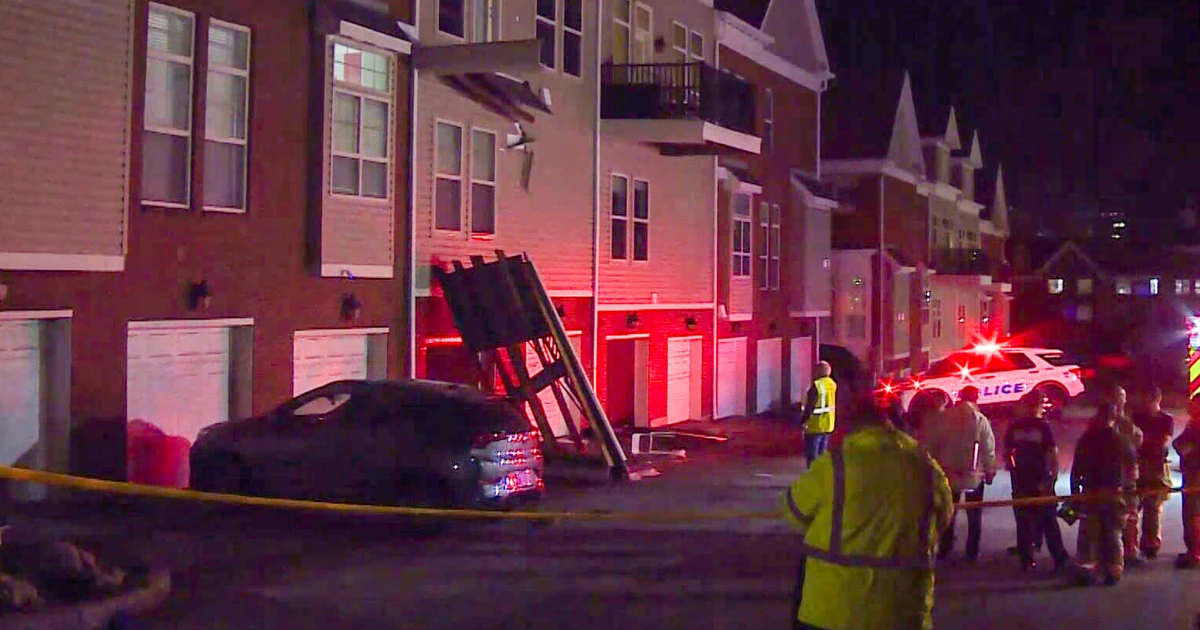
A balcony at off-campus University of Cincinnati housing collapsed, injuring at least 10 people, with one critically, prompting an investigation into the possible role of weight and structural issues.
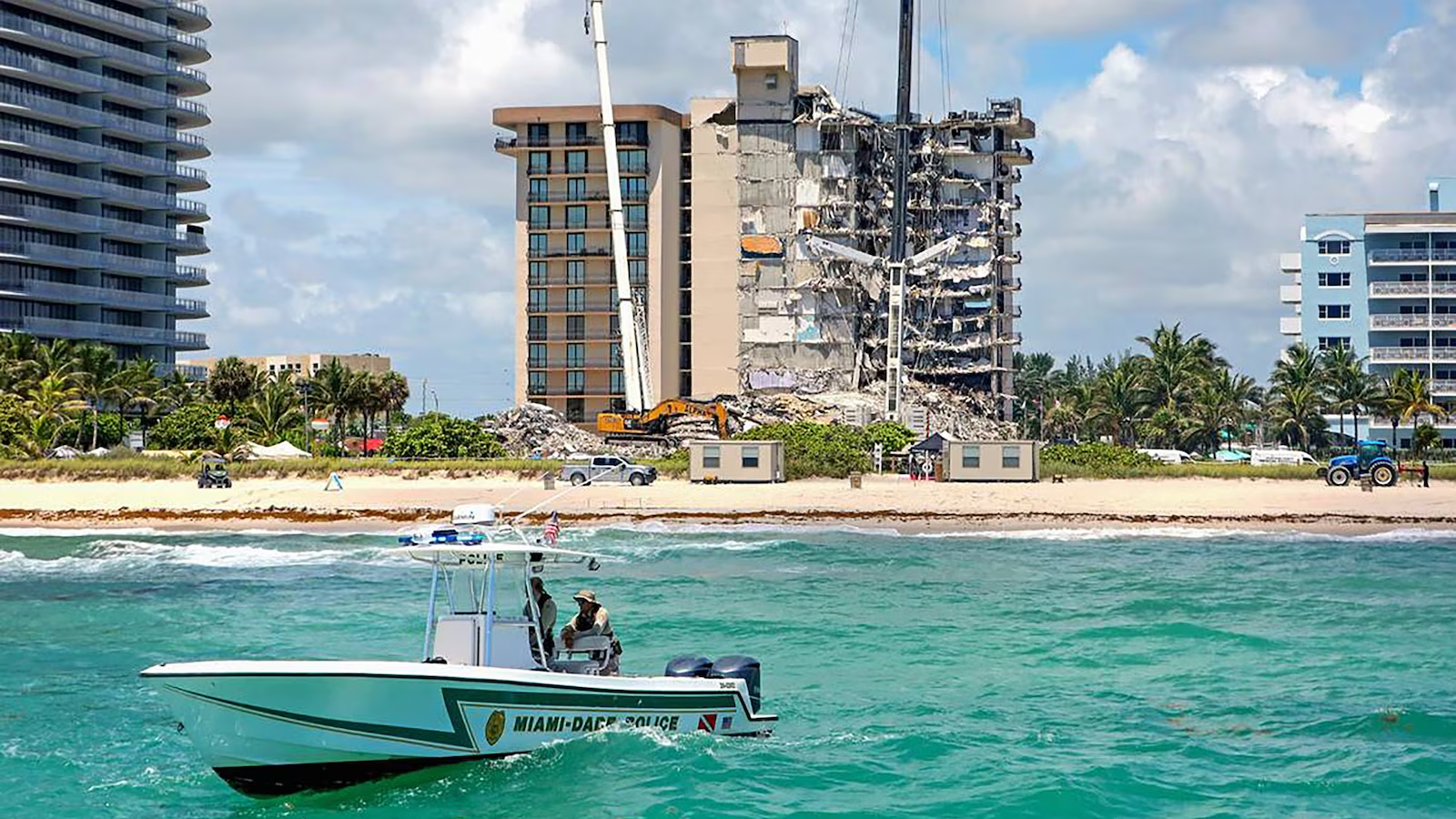
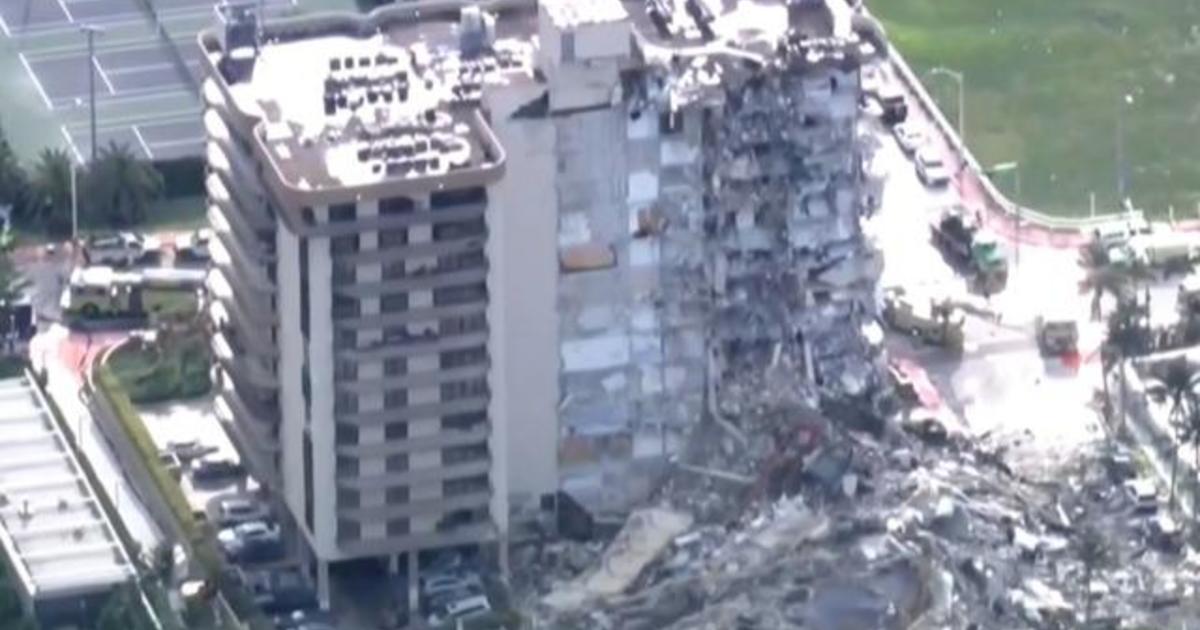
Federal investigators preliminarily concluded that the deadly 2021 Surfside condo collapse likely started in the pool deck due to design flaws and low safety margins, with the failure beginning more than seven minutes before the building fell, confirming earlier suspicions and highlighting longstanding structural issues.
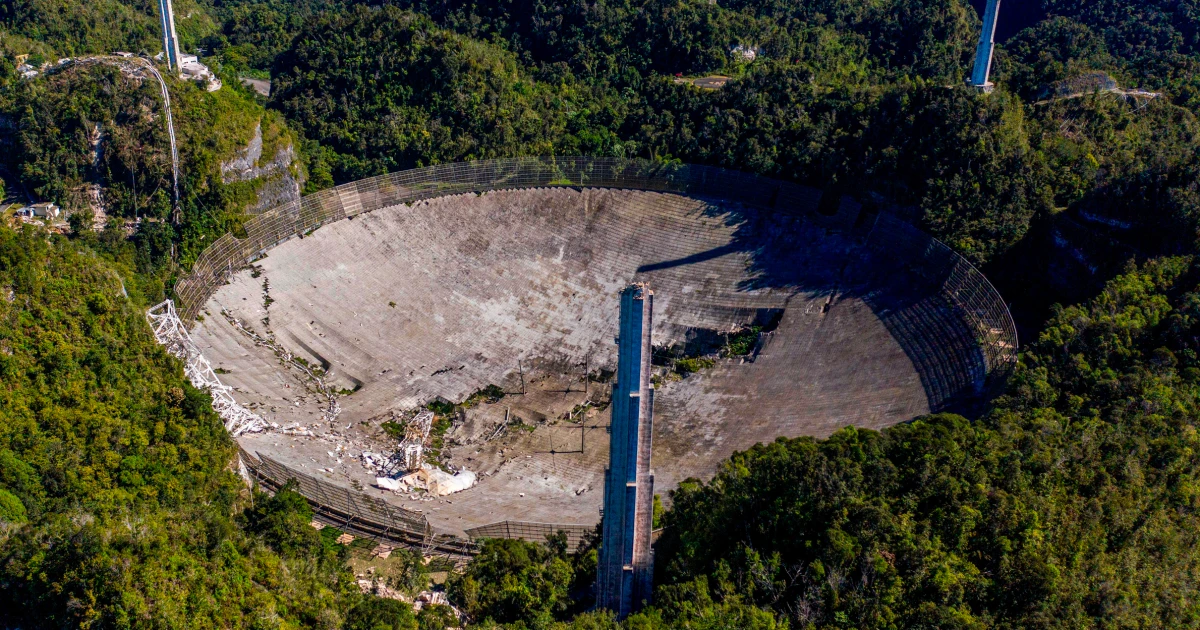
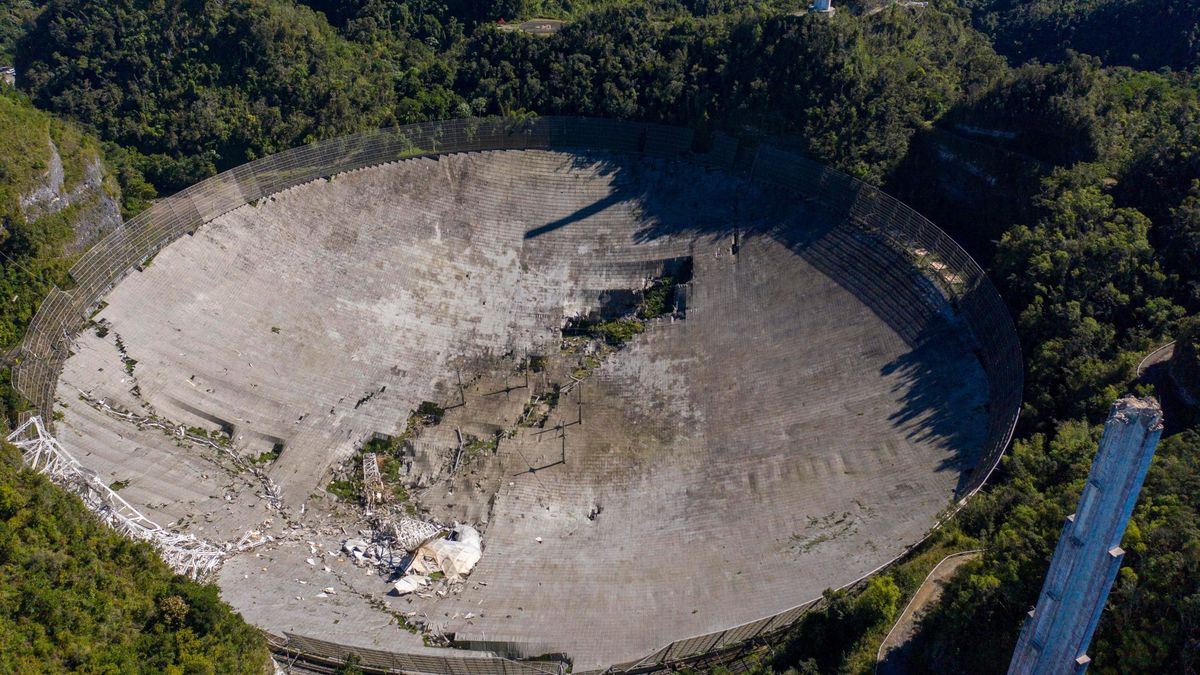
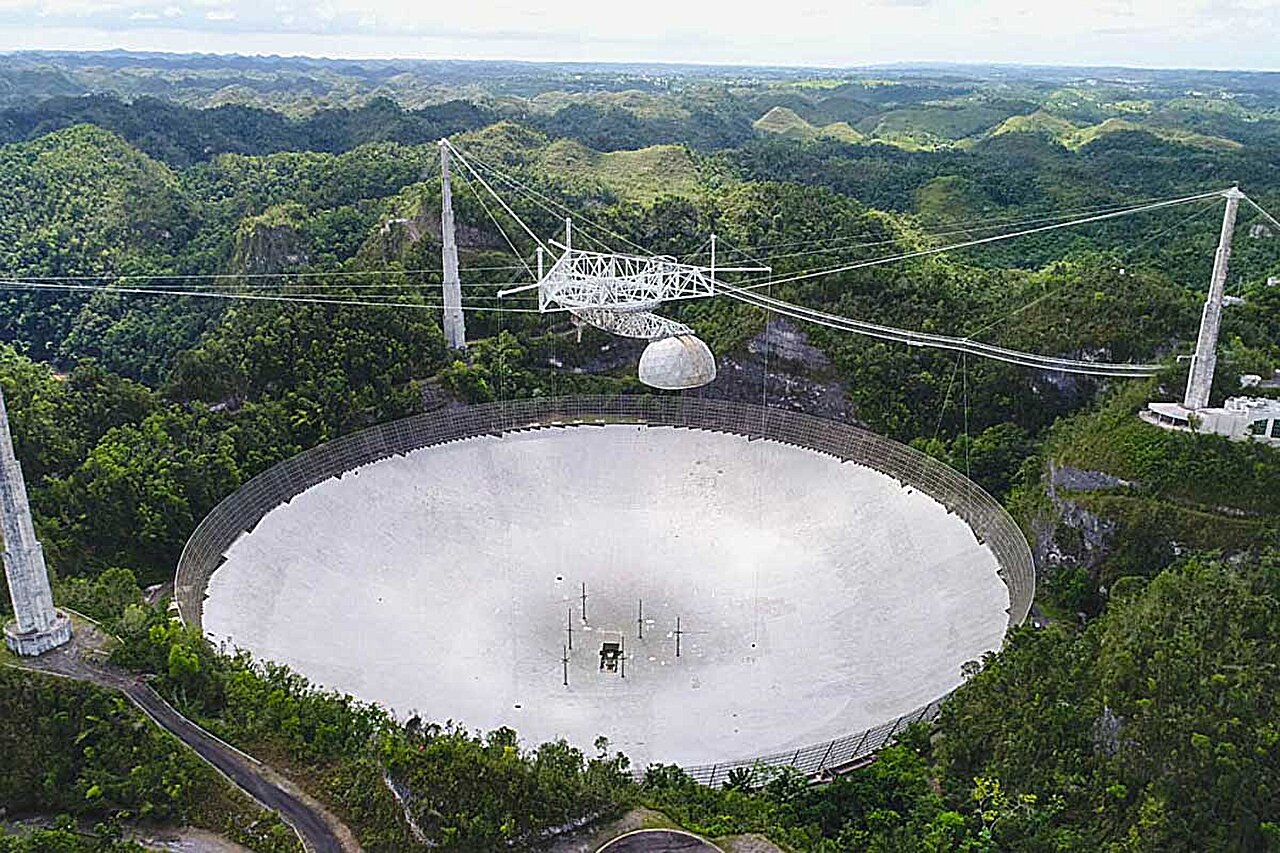
A report by the National Academies of Sciences, Engineering, and Medicine has identified "zinc creep" as the cause of the Arecibo Observatory's radio telescope collapse in Puerto Rico. The zinc-filled sockets supporting the steel cables failed, leading to the platform's fall. The report suggests low-current electroplasticity may have accelerated the zinc's deformation. Recommendations include further study of the remaining components and better monitoring of aging facilities. The telescope, once a key research tool, will not be rebuilt, but a $5 million education center is planned for the site.
The collapse of the Arecibo Observatory in 2020 was primarily caused by long-term zinc creep-induced failure of the telescope's cable spelter sockets, as detailed in a report by the National Science Foundation and the University of Central Florida. The structural failure began after Hurricane Maria in 2017, which subjected the telescope to unprecedented stress. Despite inspections and delayed repairs, the hidden degradation of cable mechanisms was not identified, leading to the eventual collapse. The site will be transformed into an educational center, Arecibo C3, to inspire future astronomers.
The Arecibo Observatory in Puerto Rico, once the world's largest radio telescope, collapsed in December 2020 due to weakened infrastructure from zinc creep-induced failure in cable sockets and damage from Hurricane Maria. A recent report by the NSF and the University of Central Florida attributes the collapse to these factors, compounded by delayed and misdirected repairs. The observatory, known for significant astronomical discoveries, will be transformed into an education center focused on science, computing, and community.
A new report on the collapse of the Arecibo Telescope suggests that the failure of zinc spelter sockets, which anchored the support cables, was accelerated by a phenomenon called electroplasticity. This effect, potentially caused by electrical currents from the telescope's powerful transmitters, may have increased the plasticity of the zinc, leading to its deformation over time. The report also notes that the collapse might have been initiated by Hurricane Maria, which struck Puerto Rico 39 months prior. The findings highlight a unique failure mechanism possibly specific to Arecibo, warranting further investigation.
The Arecibo Observatory in Puerto Rico, once the world's largest radio telescope, collapsed in December 2020 due to weakened infrastructure from zinc creep-induced failure in cable sockets and damage from Hurricane Maria. A recent report by the NSF and the University of Central Florida attributes the collapse to these factors, compounded by delayed repairs. The observatory, known for significant astronomical discoveries, will be transformed into an education center focused on science, computing, and community.
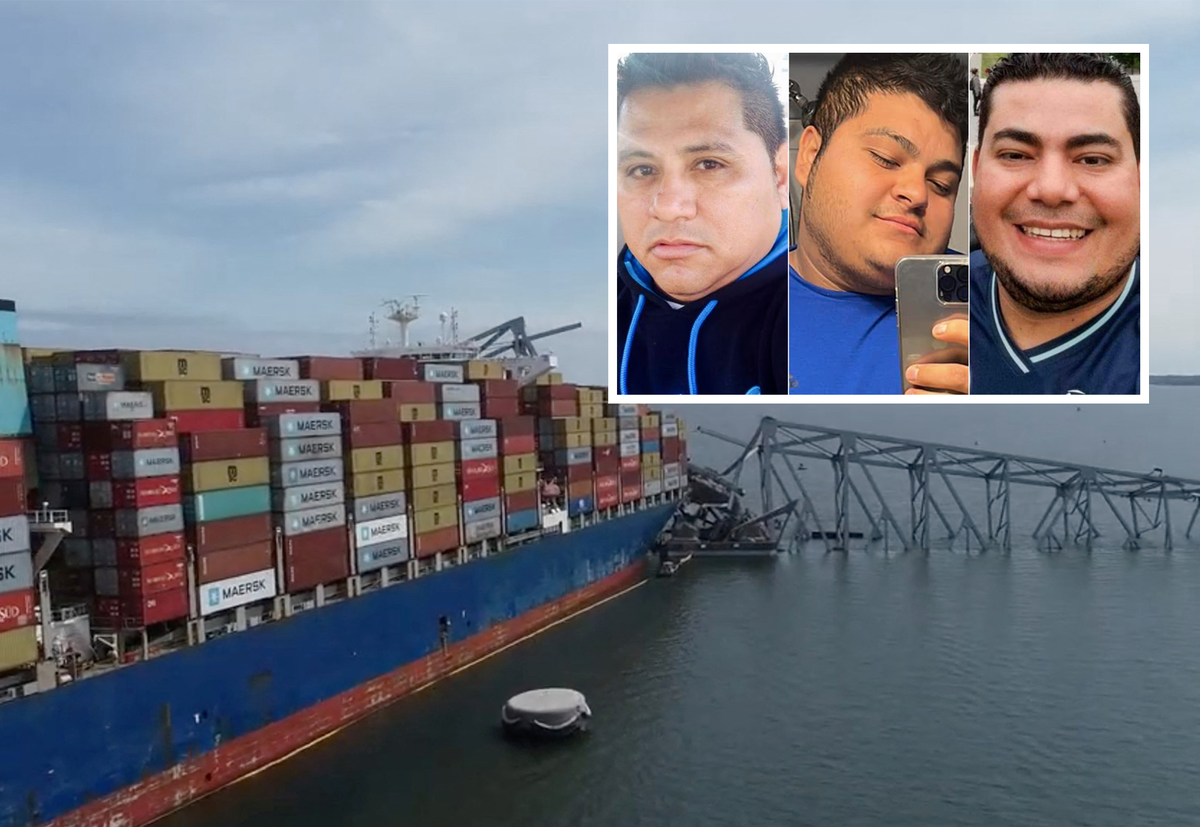
Two bodies have been recovered from the Patapsco River after the collapse of Baltimore’s Francis Scott Key Bridge, with four others still missing; President Biden has approved $60 million in initial aid to rebuild the bridge, while questions remain about the collision and the structural failure; a construction worker miraculously survived the collapse despite not knowing how to swim; the Coast Guard and Army Corps of Engineers will work on making the port fully operational again; experts are investigating the structural failure and the impact on trade from the tragedy.
The preliminary report released by the U.S. Department of Commerce's National Institute of Standards and Technology (NIST) on the Surfside condo collapse points to design defects in construction and a lack of meeting safety standards, including those in effect back in 1979 when the building was first constructed. Investigators have identified the pool deck as the likely starting point of the collapse, with moderate strength deficiencies in several columns and compromised concrete leading to corrosion. The collapse of the pool deck preceded the building's collapse by more than four minutes, but the exact initiation point is still under investigation. The goal of the investigation is to bring about improvements in building codes and practices to prevent similar tragedies in the future.
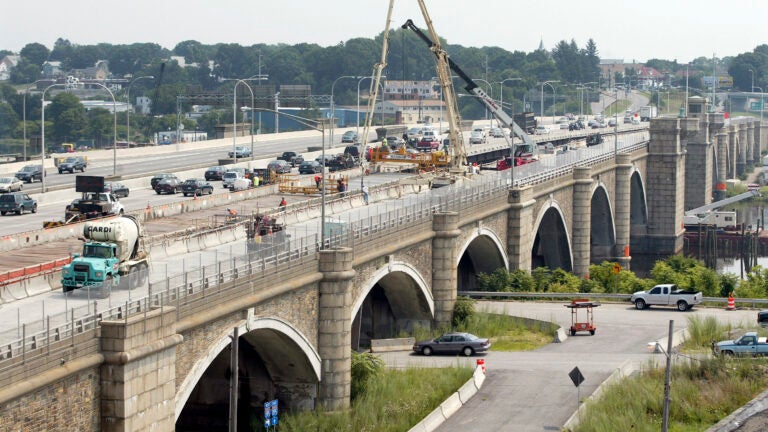
A critical support rod on the Washington Bridge in Rhode Island broke, causing a major structural failure and leading to the partial closure of the bridge. The bridge, which carries Interstate 195 and serves as a key gateway to Providence, was already in poor condition and had been flagged for rehabilitation. The repair work is expected to take months, causing significant traffic disruptions. State authorities have requested federal assistance to expedite the repairs and optimize traffic management during the construction period.
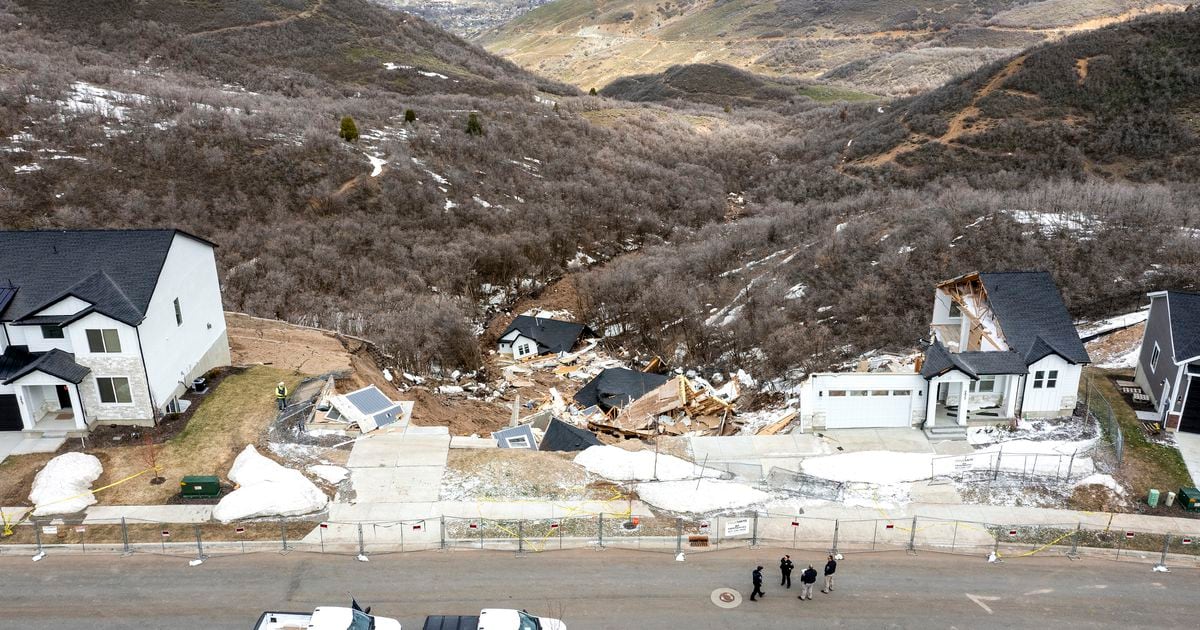
Two homes in Hidden Canyon Estates in Draper collapsed due to a retaining wall and hillside slope failure. The homes were evacuated in October after Draper building officials revoked the certificates of occupancy for the residences. The city declared both homes “unfit for human habitation” due to dangerous conditions in soil shifting and breaks in the homes’ foundations. Edge Homes, the homebuilder, plans to pay for relocation, storage, and temporary housing expenses of the homeowners on either side of the slide area. The exact cause of the collapse is still unknown, but Utah Geological Survey scientists are seeing ground movement in the Wasatch foothills, and landslides and erosion could be a problem across Utah this spring.