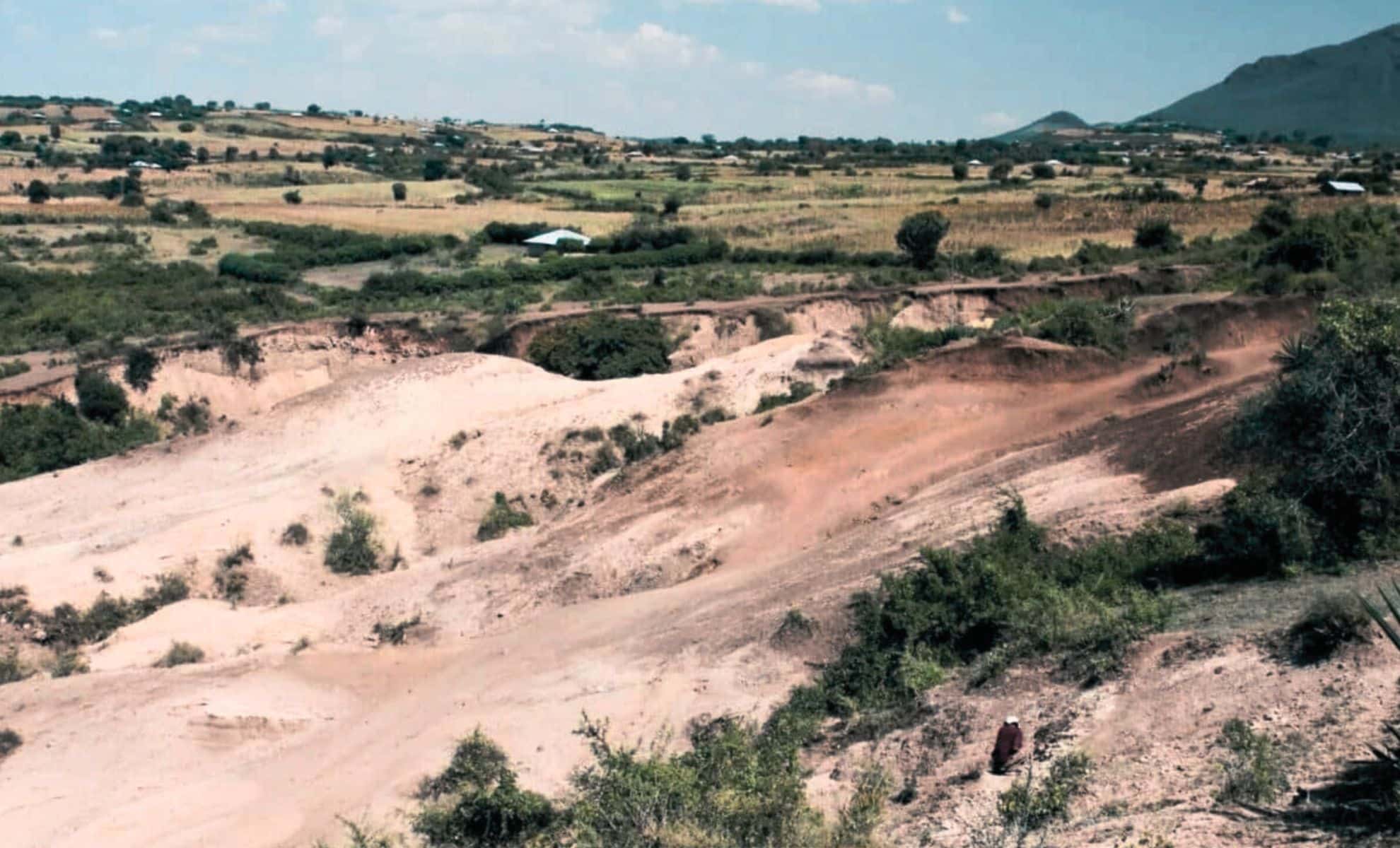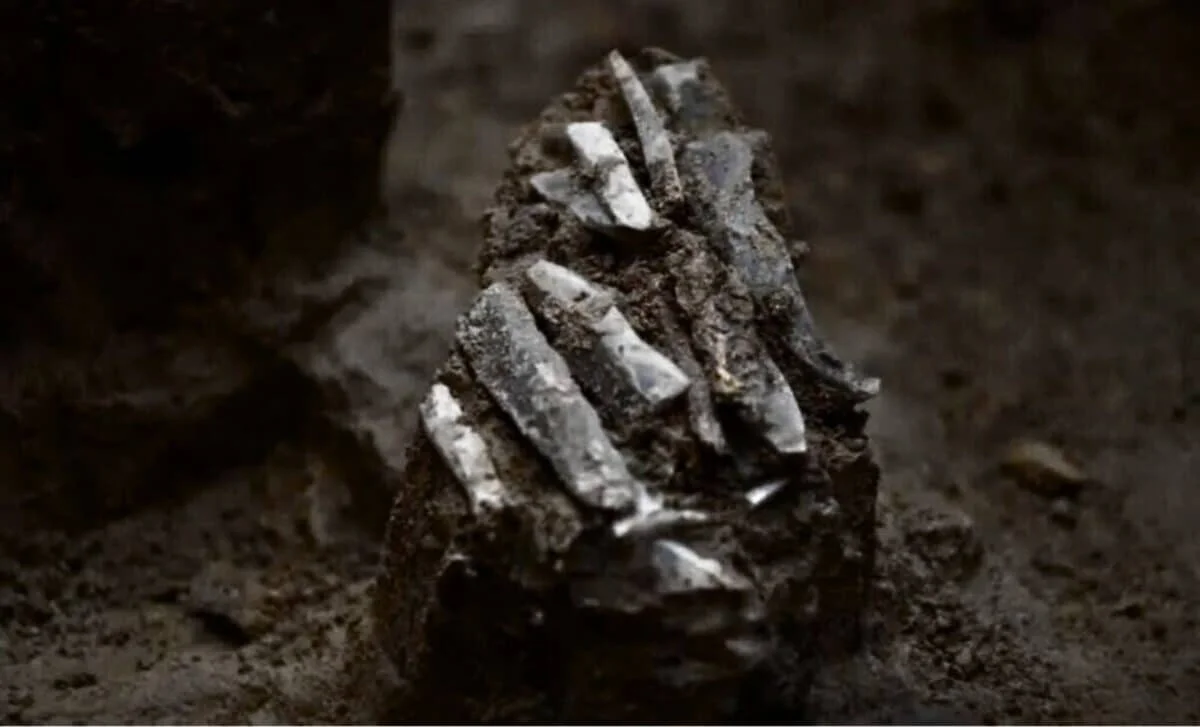
Recent excavations in Kenya's Turkana Basin have uncovered 2.75-million-year-old stone tools, revealing a long-standing tradition of technological resilience that helped early humans survive environmental upheavals for nearly 300,000 years, highlighting the importance of cultural continuity in human evolution.
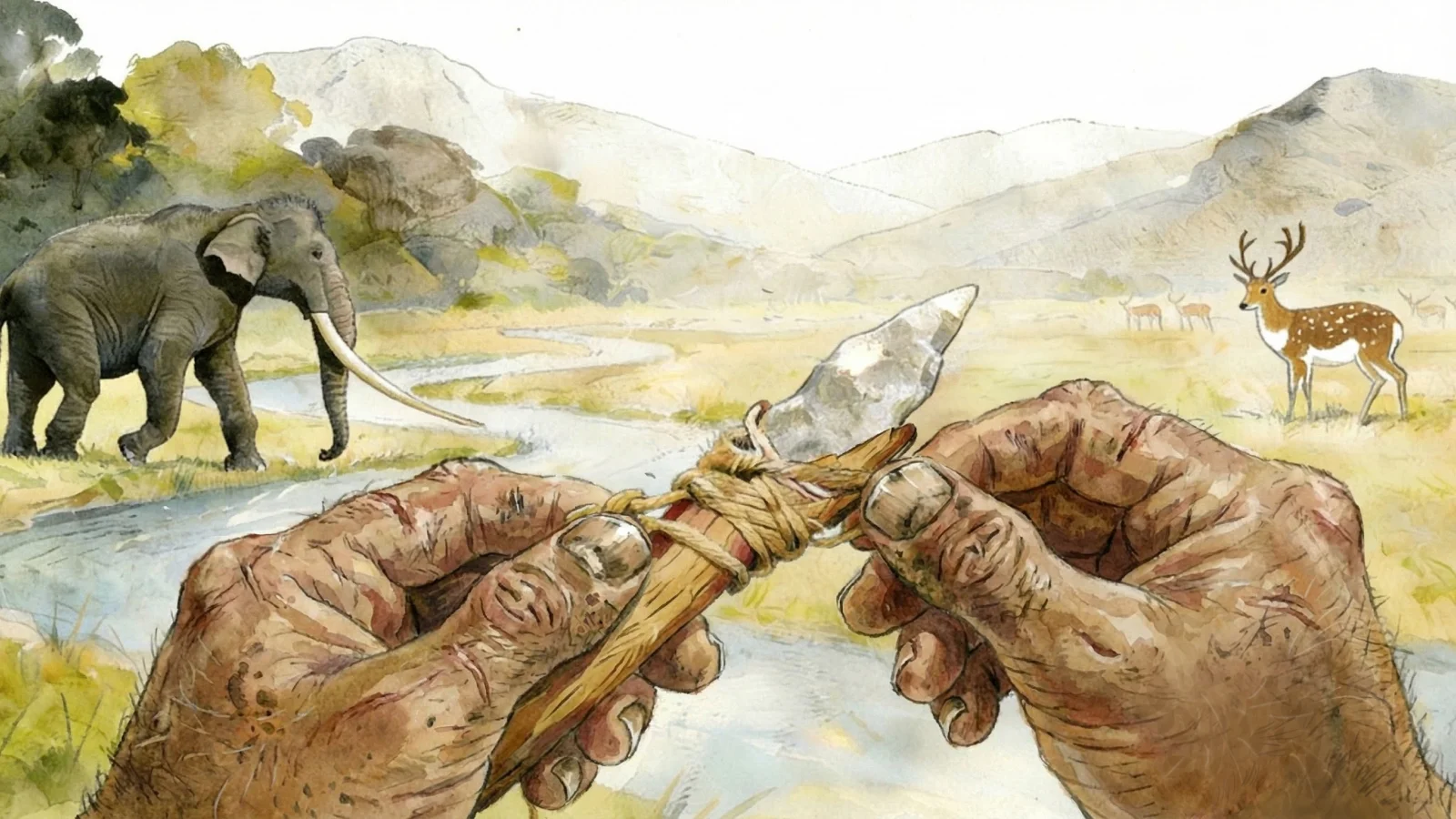
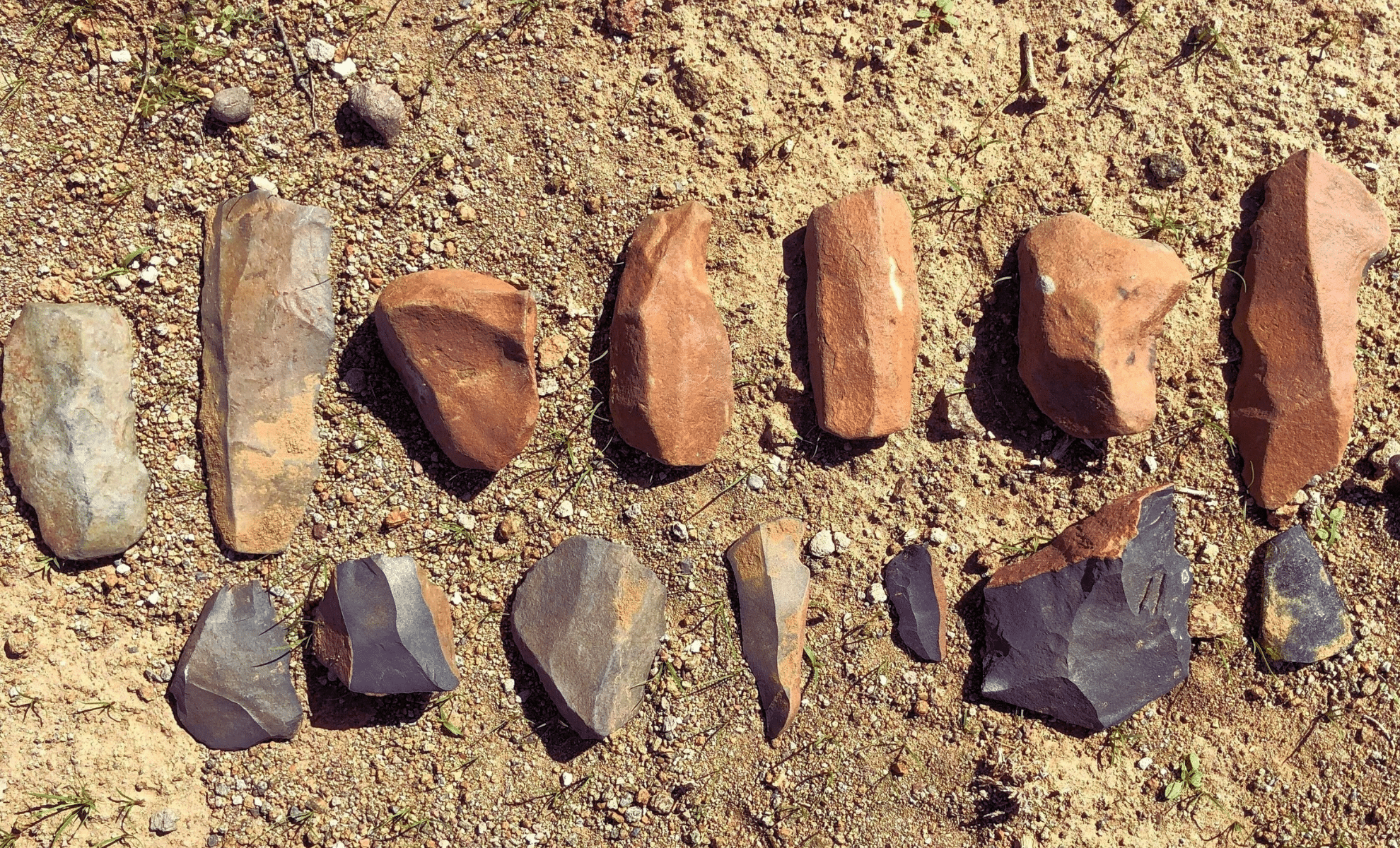
A study in Nature Communications reveals that early hominins in Kenya's Turkana Basin crafted consistent, multi-purpose stone tools dating back 2.75 million years, demonstrating technological resilience and adaptation through significant environmental upheavals, which may mark a pivotal point in human evolutionary history.
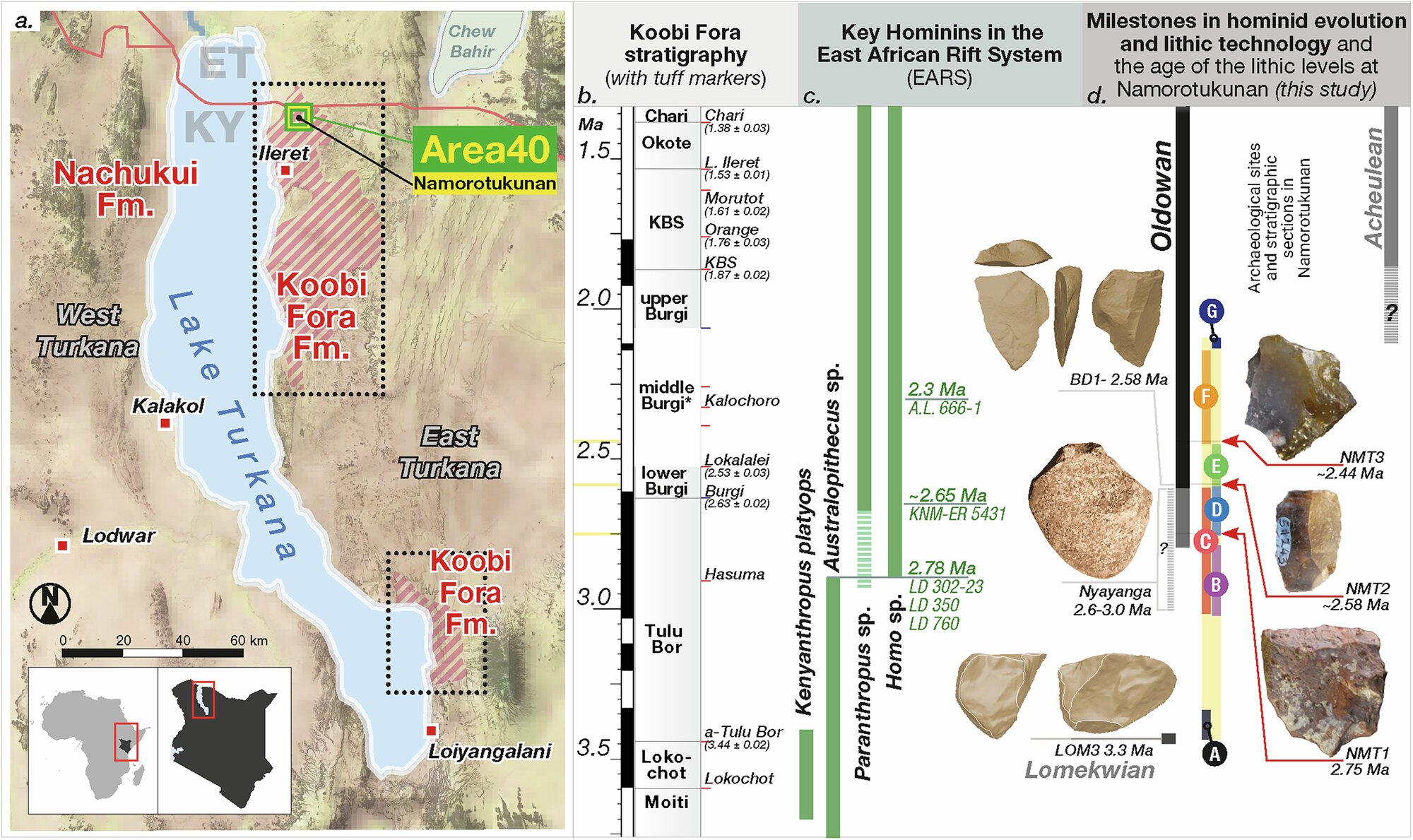
The study presents new evidence from the Turkana Basin, Kenya, showing that early Oldowan stone tool technology thrived during significant Pliocene environmental changes, with assemblages dating between 2.75 and 2.44 million years ago, and highlights the relationship between climate shifts, landscape transformations, and technological adaptations in early human ancestors.
New archaeological findings suggest that the first humans in North America may have arrived earlier and via coastal sea routes along the Pacific, rather than solely crossing the Beringia land bridge, linking North American early settlers to a broader Paleolithic world and challenging traditional migration models.
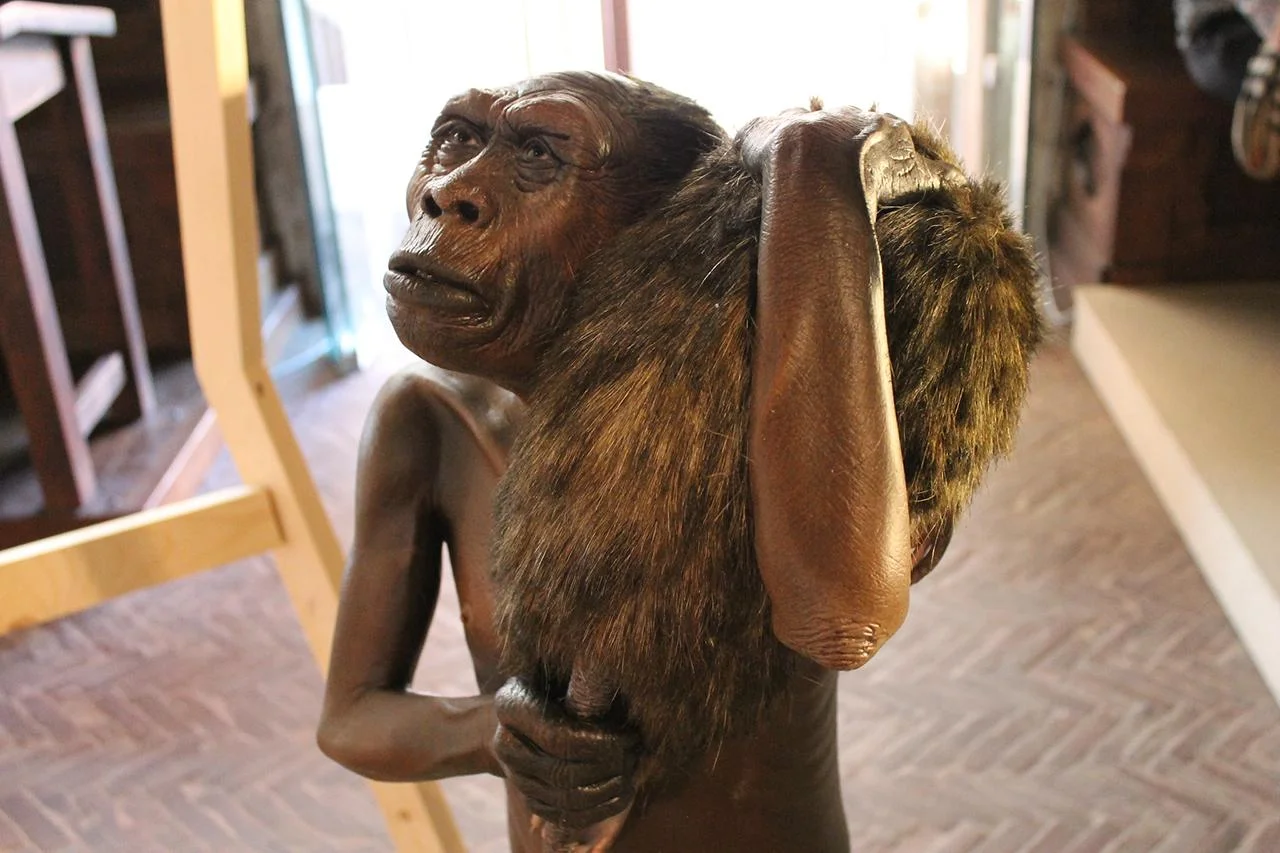
Paranthropus, an extinct genus of robust hominins from Africa, existed for about 1.5 million years and may have made some of the earliest stone tools, challenging the notion that tool-making was exclusive to Homo species. Their distinctive cranial features supported a vegetarian diet, and recent evidence suggests they had a more diverse diet and possibly used tools, highlighting their significance in human evolutionary history.
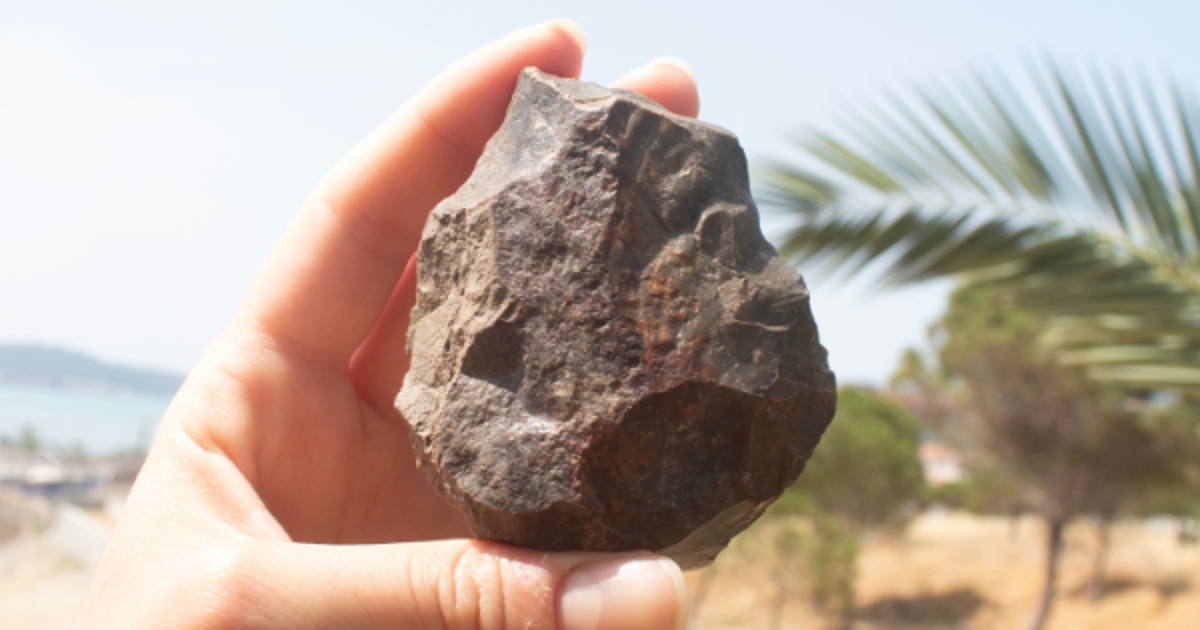
A new study suggests that early humans may have crossed from Turkey to Greece over land now submerged under the Aegean Sea during periods of low sea levels, supported by the discovery of Acheulean stone tools in Ayvalık, Turkey, indicating a potential alternative route for human dispersal into Europe.
Archaeological evidence shows that humans in Southeast Asia 40,000 years ago were skilled in deep-water fishing and boat-building, using advanced tools, fibers, and coordinated efforts, indicating complex maritime knowledge and long-distance interactions much earlier than previously thought.
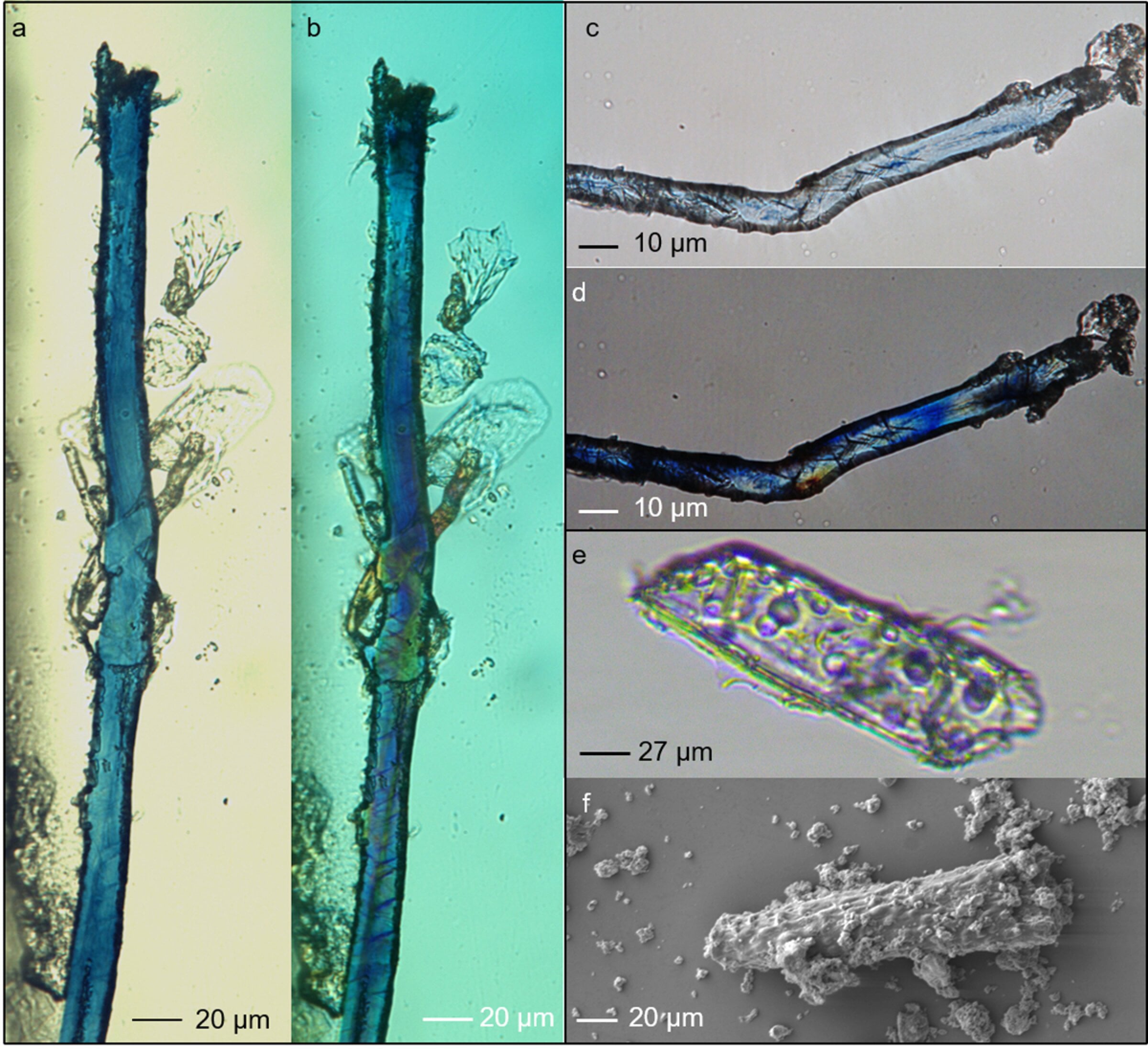
An international team discovered blue indigotin residues on 34,000-year-old stone tools from the Caucasus, indicating early complex use of plants like woad for dyeing or medicinal purposes, revealing sophisticated Paleolithic behaviors.
Ancient stone tools found on Sulawesi, Indonesia, date back over 1 million years, indicating early human presence and oceanic crossing much earlier than previously thought, possibly by Homo erectus or related species, highlighting Sulawesi's significant role in human evolution.
Archaeologists discovered the oldest stone tools on Sulawesi, Indonesia, dating back over 1 million years, suggesting early human ancestors may have inhabited the island and possibly influenced the evolution of Homo floresiensis, the 'hobbit' humans. The findings raise questions about how these early humans crossed oceans and their connection to other island populations, with ongoing research aiming to uncover more fossils and understand their origins.
Researchers discovered 1 to 1.5 million-year-old stone tools on Sulawesi, Indonesia, indicating early human relatives occupied the region long before Homo sapiens, possibly related to Homo erectus or other archaic species, challenging previous assumptions about human migration and evolution in Wallacea.
Archaeologists in Kenya have discovered 3-million-year-old stone tools near Paranthropus fossils, challenging previous beliefs that only Homo species made tools and suggesting that early non-Homo hominins may have used tools for butchering large animals, thereby pushing back the timeline of Oldowan technology.
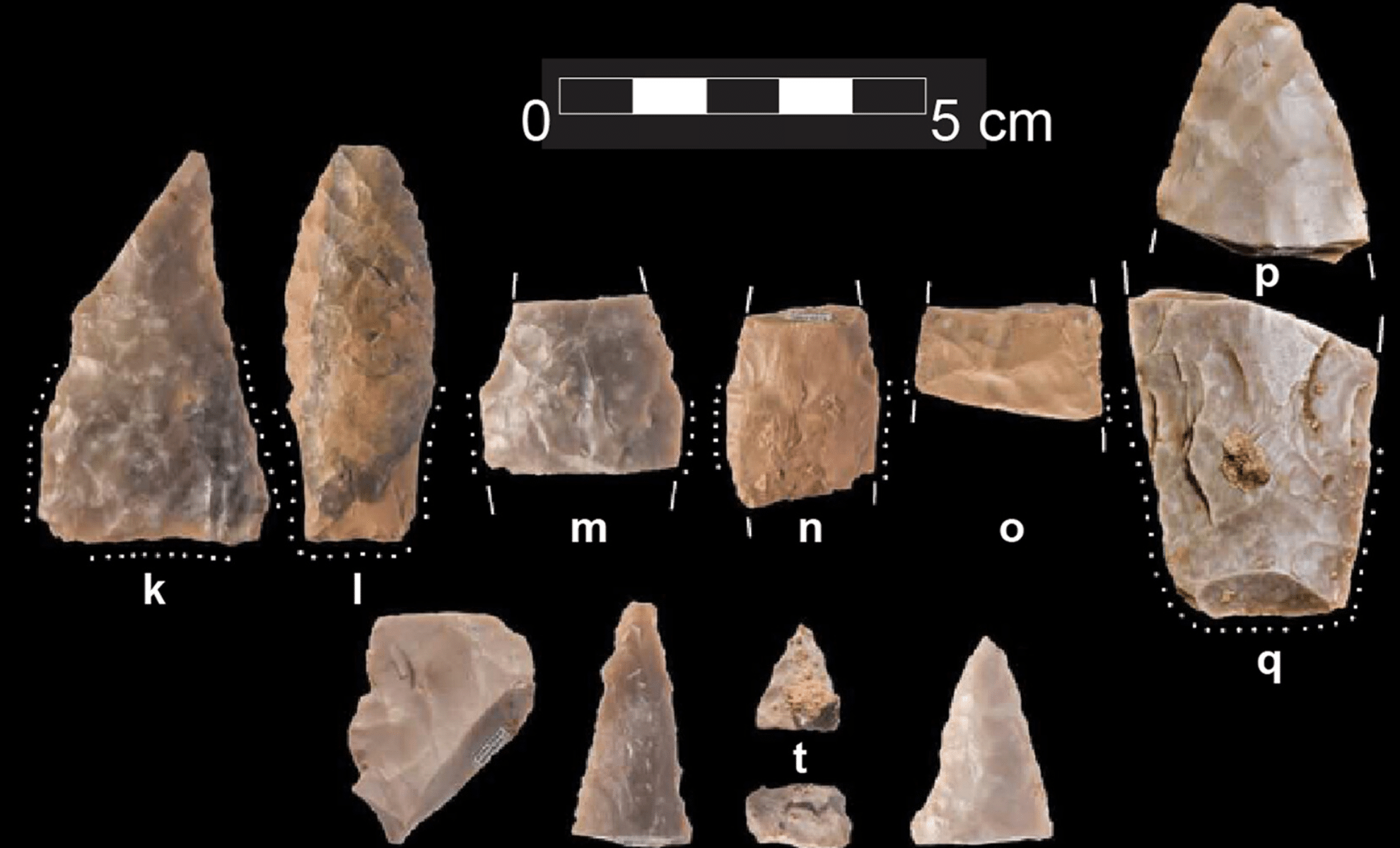
Ancient stone tools from the end of the last Ice Age have been discovered at Knysna Eastern Heads Cave in South Africa, revealing insights into human adaptation from marine to land resources, the use of Robberg technology, and long-distance material exchange, with evidence of temporary site use during the period.
Archaeological findings from a cave on South Africa’s coast reveal insights into human life during the last Ice Age, including tool use, migration, and social connections, highlighting the complexity and adaptability of early humans in a changing environment.
A study of fossil hand bones from early human species like Australopithecus sediba and Homo naledi reveals that these ancestors used their hands for both climbing and handling stones, indicating a complex evolution of hand functions that included climbing, gripping, and tool use, challenging the idea of a linear hand evolution towards modern dexterity.