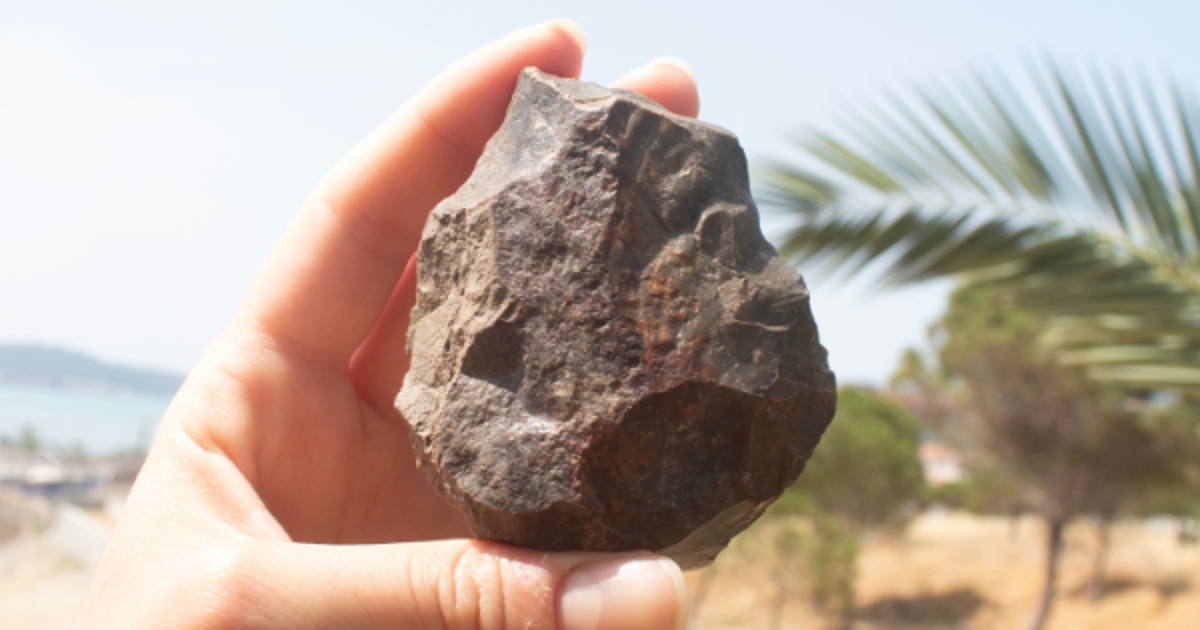
A new study suggests that early humans may have crossed from Turkey to Greece over land now submerged under the Aegean Sea during periods of low sea levels, supported by the discovery of Acheulean stone tools in Ayvalık, Turkey, indicating a potential alternative route for human dispersal into Europe.
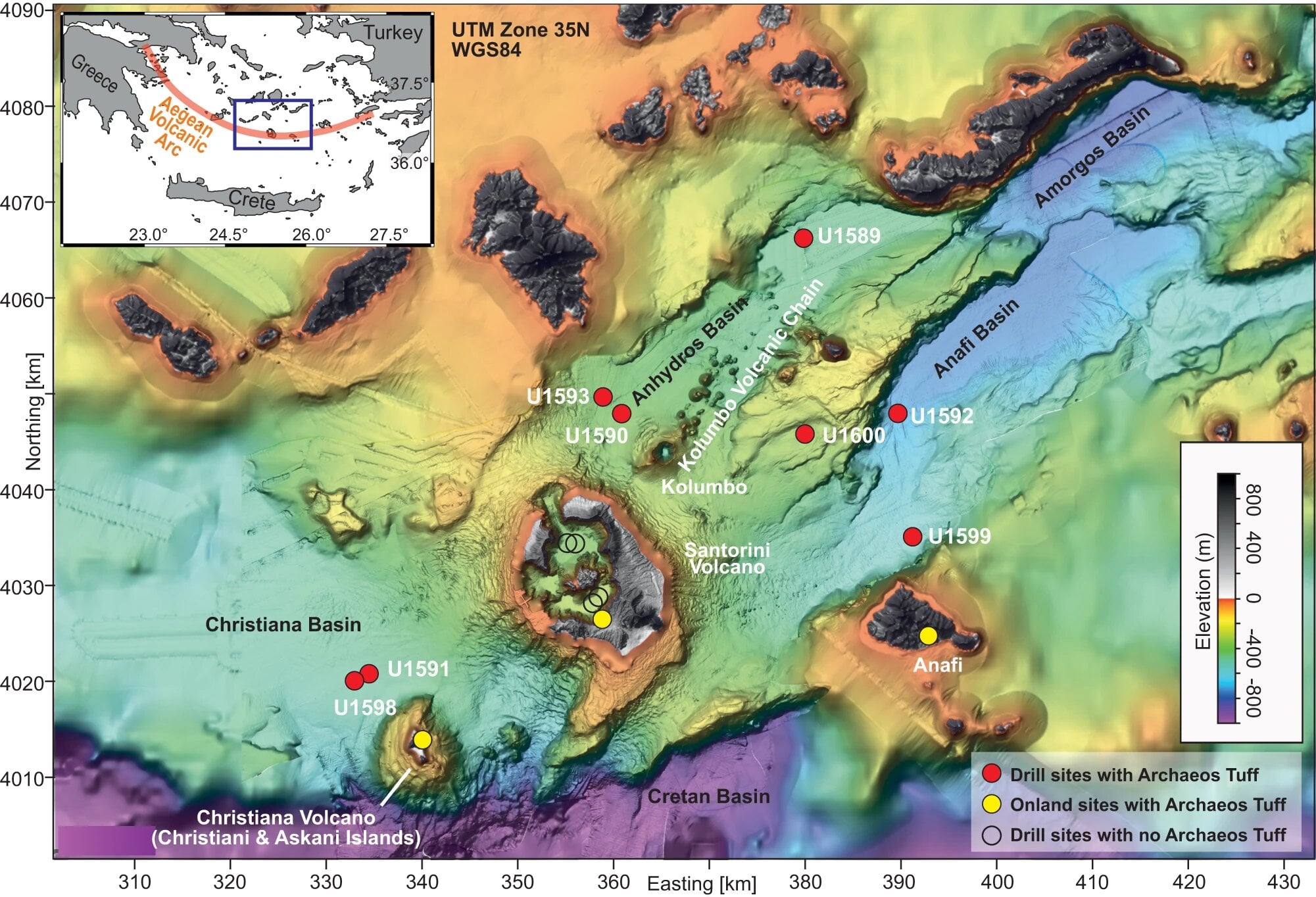
An international IODP expedition has discovered evidence of one of the largest explosive eruptions ever recorded in the southern Aegean Arc, indicating a much larger submarine eruption around 520,000 years ago in the Greek Aegean. The newly discovered giant pumice deposit sampled from the seafloor at seven coastal sites around the island of Santorini suggests that the Christiana-Santorini-Kolumbo volcanic field was much more explosive in the distant past than previously thought, with a volume of more than 90 cubic kilometers and up to 150 meters thick, making it six times larger than the pyroclastic flow deposits of the Minoan eruption. Various methods were used to decipher the eruption, and despite this explosive history, researchers believe it is very unlikely that the volcanic field will experience another eruption of this magnitude in the near future.
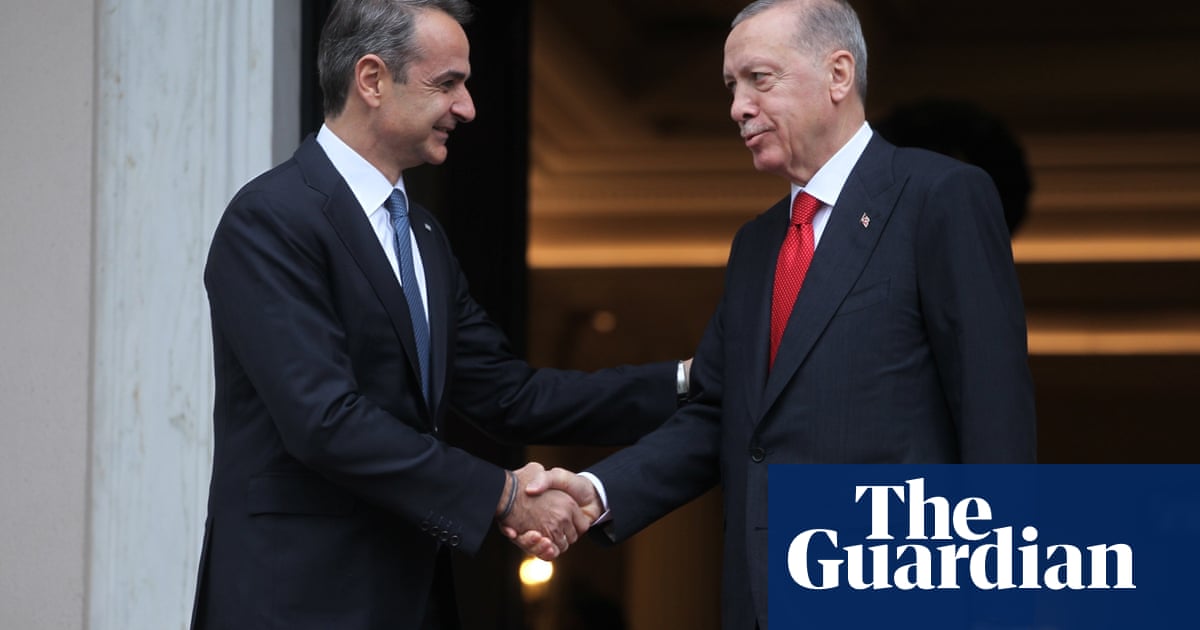
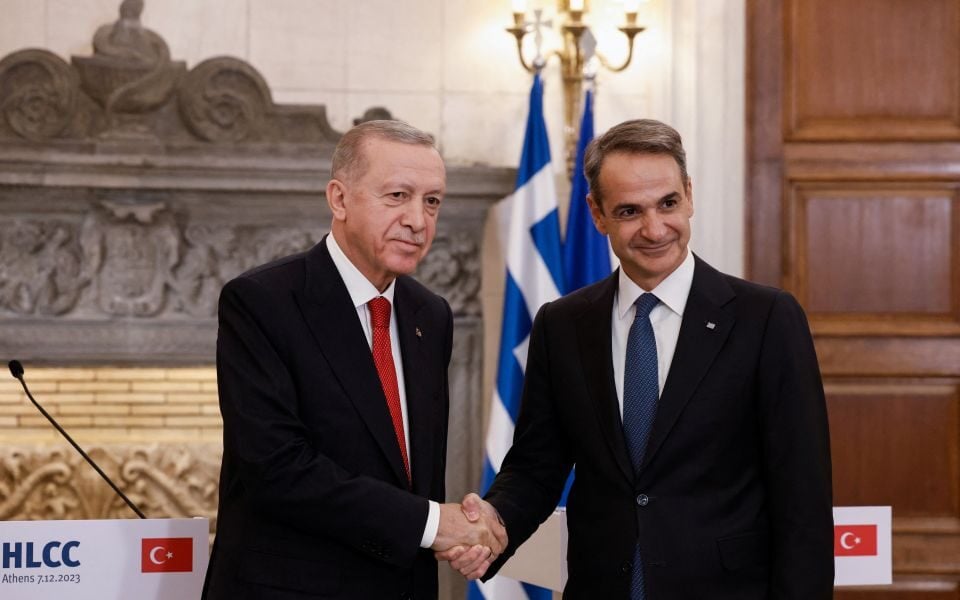
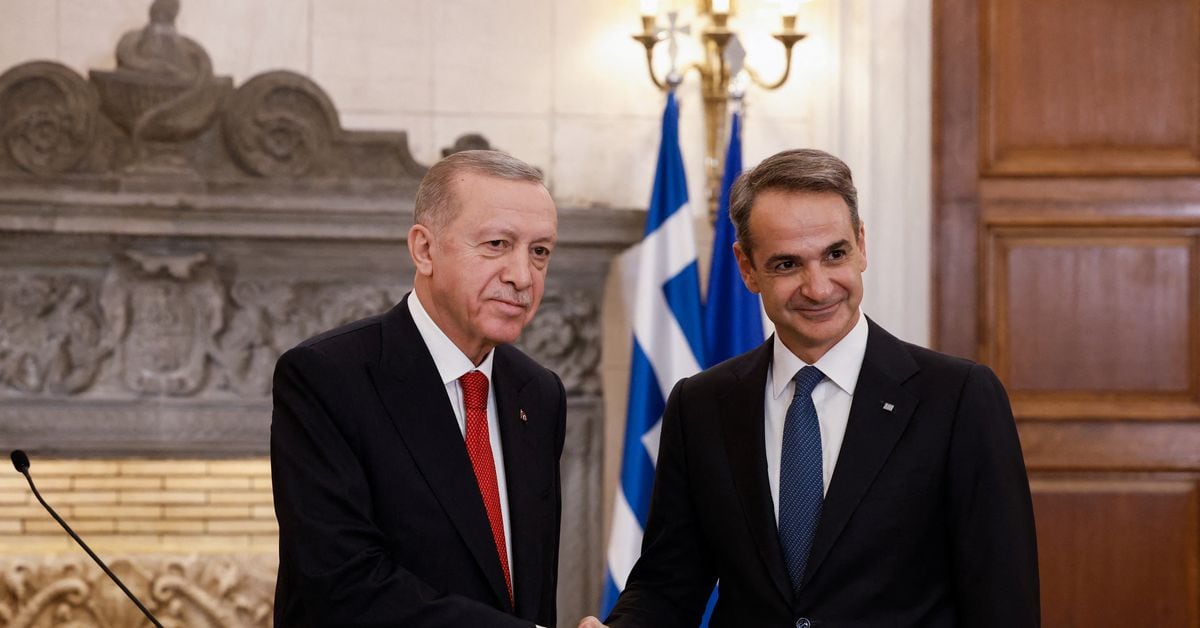
Turkish President Recep Tayyip Erdoğan visited Athens, Greece, and signed a friendship accord aimed at resetting ties and resolving long-standing disputes between the two countries. The declaration on good neighborly relations is seen as a roadmap to cementing closer ties and includes measures to eliminate sources of tension, increase trade, and pursue military confidence-building measures. Despite obstacles such as differences over territorial rights in the Aegean Sea and the Cyprus issue, both leaders expressed a commitment to improving relations and doubling trade volume. The visit marks a significant step towards reconciliation and signals Turkey's desire for wider reconciliation with the West.
Greece and Turkey have agreed to mend their historically tense relations, establishing a roadmap for closer ties. The two NATO allies aim to pursue good neighborly relations, maintain open communication channels, seek military confidence-building measures, boost trade volumes, and address issues in the Aegean Sea. The meeting between Greek Prime Minister Kyriakos Mitsotakis and Turkish President Tayyip Erdogan marked a significant shift in their relationship, with both leaders expressing a desire for peace and cooperation. They aim to increase bilateral trade volume and hold high-level meetings annually. The countries also plan to work towards resolving disputes over territorial boundaries and energy resources.
Greece and Turkey have agreed to mend their relations and establish a roadmap for closer ties, focusing on good neighborly relations, open communication, military confidence-building measures, increased trade volumes, and resolving issues in the Aegean Sea. The landmark visit of Turkish President Erdogan to Greece marks a significant shift in their historically tense relationship. Both countries aim to raise bilateral trade volume and demonstrate their commitment to repairing relations. This comes as Turkey seeks to improve ties with Western partners amid economic woes, while Greece aims to regain stability and become a pillar of eastern Mediterranean stability.
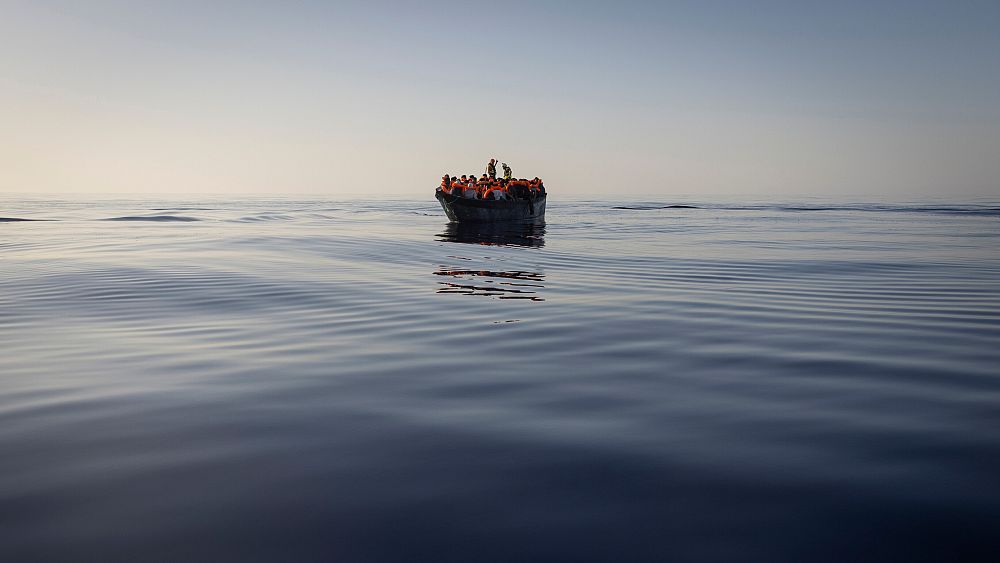
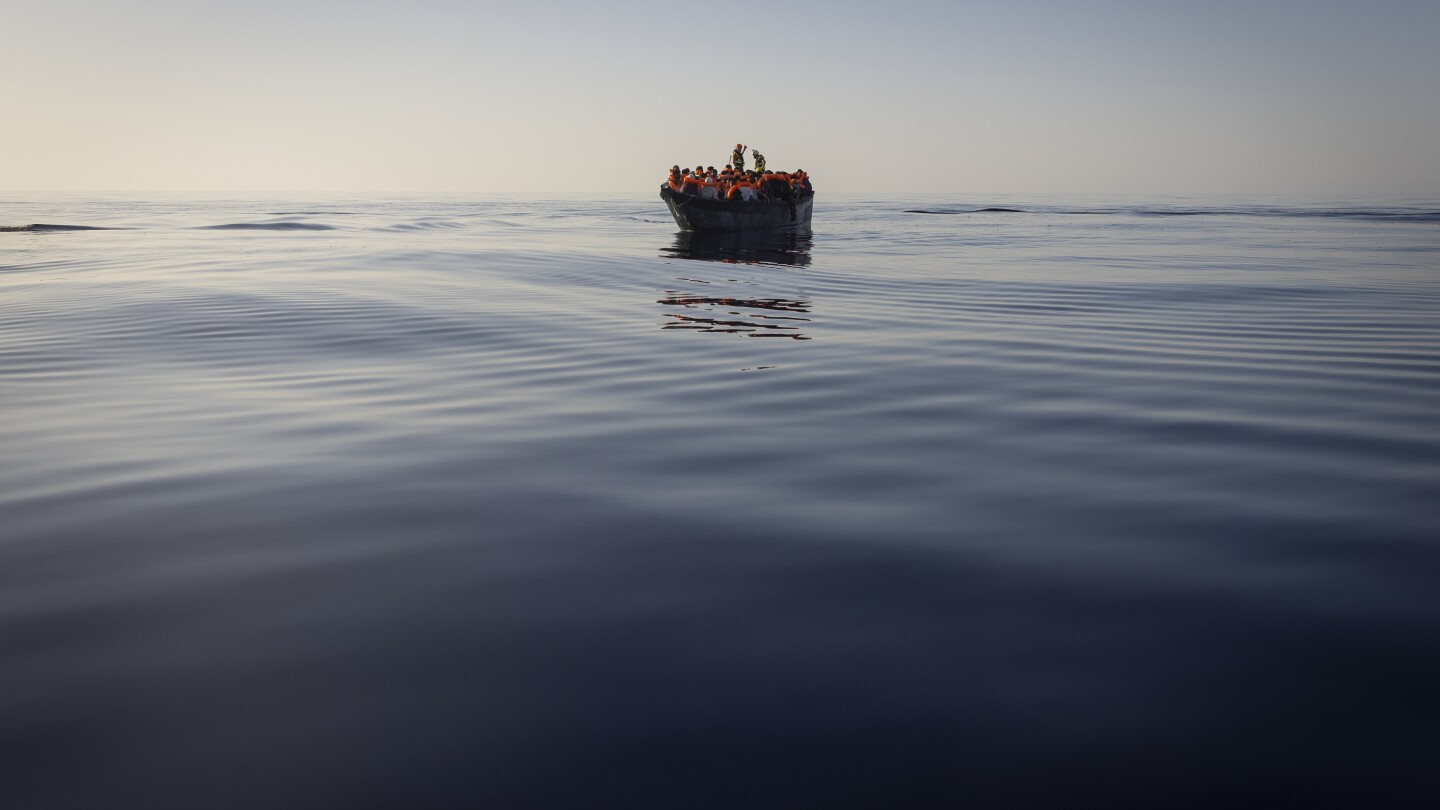
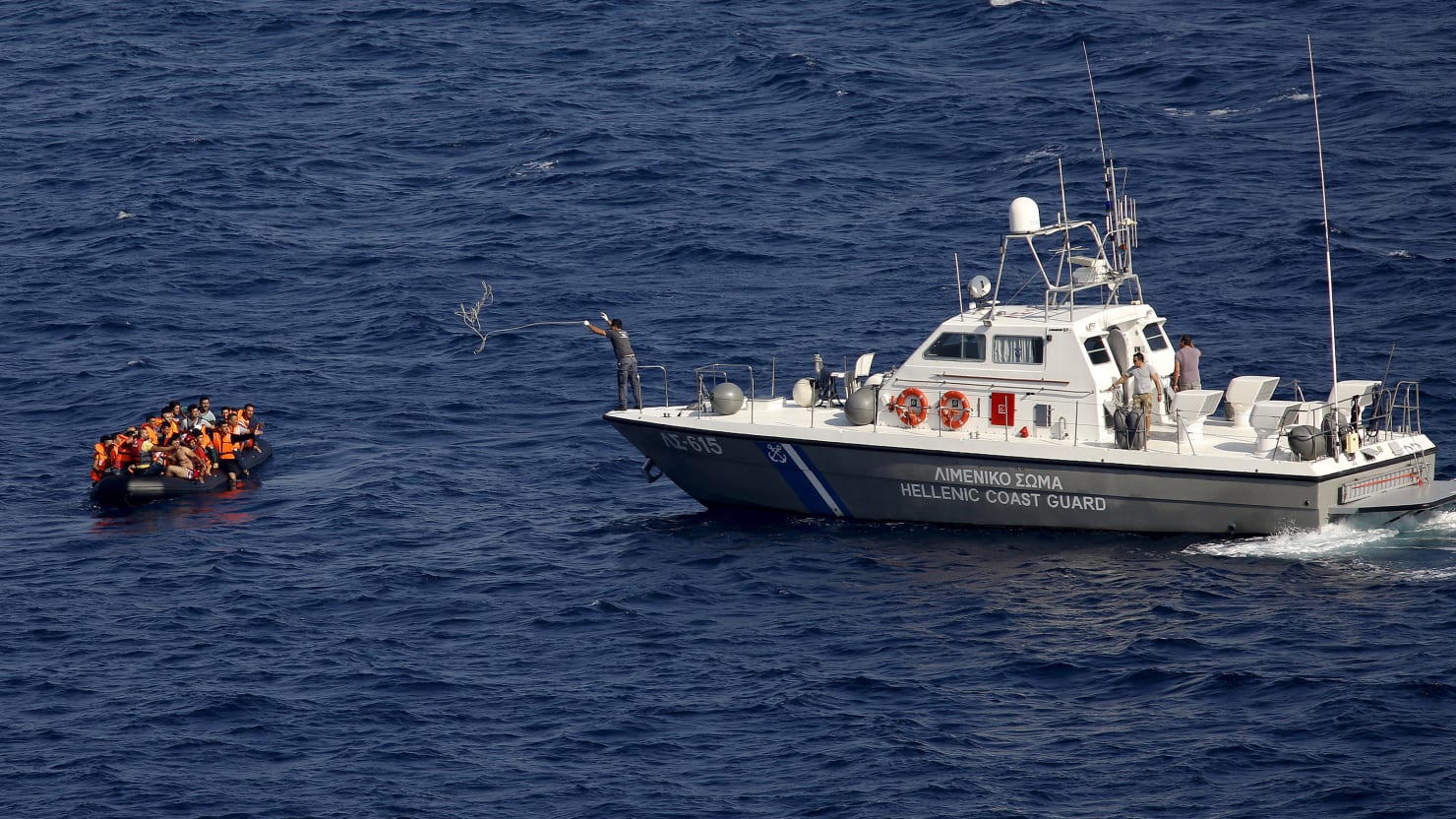
Greek authorities rescued nearly 60 migrants in two separate incidents as they attempted to cross from Turkey to the eastern Aegean Sea islands. The increase in arrivals is attributed to conflicts in Africa, a black market industry in Turkey producing low-quality inflatable boats, and better summer sailing conditions. Greece denies accusations of illegal summary deportations and maintains its policy of intercepting boats at sea.
Greek authorities rescued 40 migrants from a sinking dinghy in the Aegean Sea and charged two of them with causing a shipwreck and endangering lives for allegedly scuttling the vessel as a coast guard boat approached. Similar incidents have been reported in recent weeks, but charges against migrants for damaging the boats are rare. Greece's coast guard has increased patrols in the eastern Aegean to deter migrant crossings, while accusations of secret and illegal deportations by the Greek government are denied.
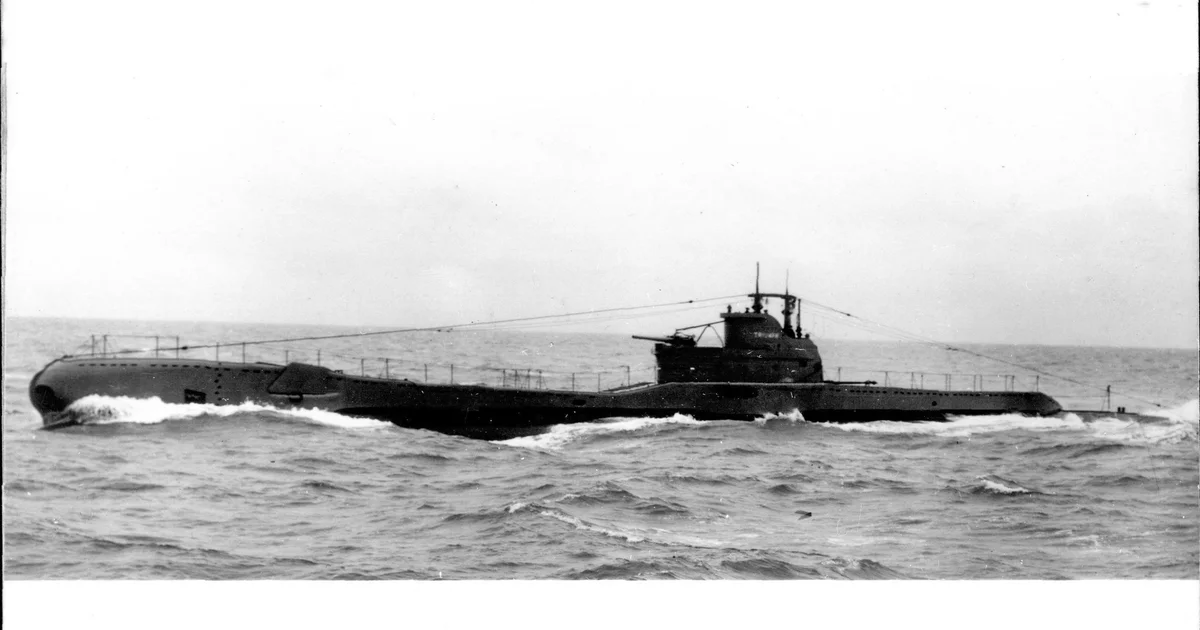
Greek diver Kostas Thoctarides has found the wreck of the British submarine HMS Triumph, which disappeared during a World War II mission in 1942. The submarine was located at a depth of 670 feet in the Aegean Sea after a 25-year search. Thoctarides said the Triumph marked the fifth submarine he has found off the coast of Greece. The cause of the explosion that sank the submarine is still unclear.
The Greek Coast Guard is accused of abandoning a group of 12 migrants, including a 6-month-old baby, in an unpowered dinghy in the Aegean Sea on April 11. The incident, described as an "extrajudicial deportation," was captured on video and has raised concerns about human rights violations and anti-immigrant sentiment in Europe.