Oracle's shares dropped about 5% after Blue Owl Capital withdrew from funding a $10 billion AI data center project, raising concerns about the company's ability to finance large-scale AI infrastructure amid broader tech sector volatility and investor scrutiny.
The article predicts that shares of Rigetti Computing and D-Wave Quantum, which have surged dramatically since 2023, will crash in 2026 due to the bursting of the quantum computing bubble, as large-scale, fault-tolerant quantum computers are still at least a decade away and the market for quantum computing remains relatively small compared to AI.
Uniqure's stock dropped 59% after the FDA provided confusing and unexpected feedback regarding its Huntington's disease gene therapy, AMT-130, casting doubt on the company's plans for approval and indicating a key shift from previous communications.
MoonLake Immunotherapeutics' stock plummeted over 88% after its skin disease treatment, sonelokimab, showed only mixed results in clinical trials for hidradenitis suppurativa, with only one of two studies meeting its goal and a higher-than-expected placebo response, leading to investor disappointment.
Summit Therapeutics' stock plummeted nearly 17% after its experimental drug, ivonescimab, failed to improve overall survival in a lung cancer trial, casting doubt on its prospects for FDA approval and future partnerships.
Viking Therapeutics' stock plummeted over 35% after mixed results from its weight-loss drug, which showed significant weight loss but also a high dropout rate due to side effects, leading to investor concern and a sharp decline in share price.
Super Micro Computer's stock plummeted 20% after missing earnings expectations and providing a weak outlook, citing US tariff uncertainty and past accounting issues, despite a strong year-to-date rally driven by AI-related demand. The company's future prospects are now uncertain, with analyst ratings mixed and a slight downside target.
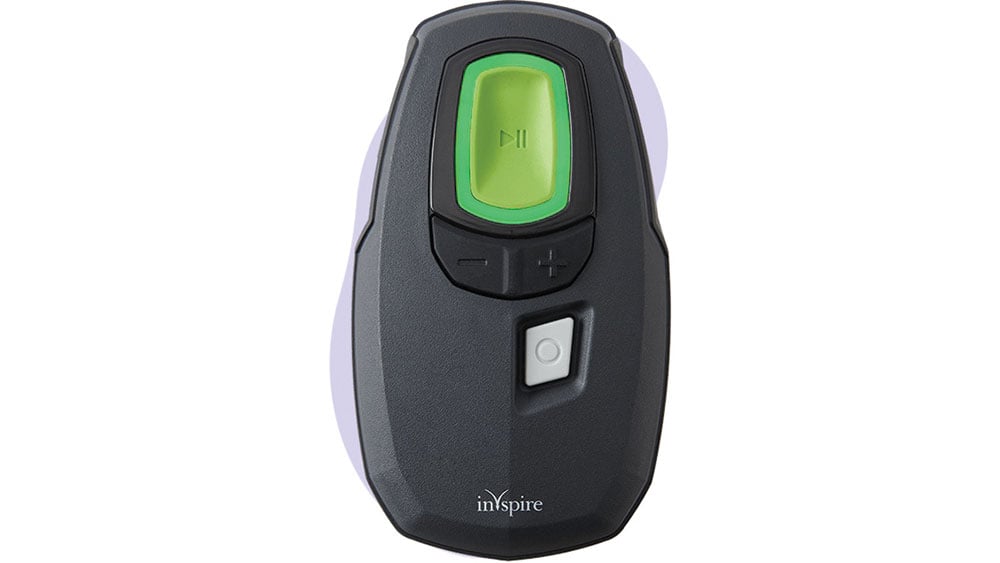
Shares of Inspire Medical Systems fell over 32% after the company cited the adoption of GLP-1 weight loss drugs, including Eli Lilly's Zepbound, as a potential headwind to its growth, leading to lowered guidance and concerns about market competition in sleep apnea treatments.
Hims & Hers stock dropped over 11% after missing Wall Street's Q2 sales forecast despite higher profits, as the company shifts focus to personalized healthcare and faces challenges in its obesity-related business. The company maintains its annual sales guidance but faces scrutiny over its core business and recent market performance, amid a broader industry context involving weight-loss drugs and strategic partnerships.
Replimune's stock plummeted 77.2% after the FDA unexpectedly rejected its experimental melanoma drug, citing insufficient data from midstage studies, which surprised investors and analysts who had anticipated approval based on positive preliminary results.
Sarepta Therapeutics' stock plummeted after a third patient died from acute liver failure following gene therapy treatment, raising safety concerns and impacting investor confidence amid ongoing restructuring and regulatory scrutiny.
GameStop's stock plummeted 18% after the company announced it raised $1.75 billion to purchase Bitcoin, causing investor concern despite the company's strategic move into cryptocurrency investments.
Mortgage lender Better.com experienced a significant stock crash, with shares trading at a more than 90 percent discount just hours after going public. The company, which had built its business on fast home loans during the pandemic, has seen a decline in its business as mortgage rates rose and the housing market slowed. CEO Vishal Garg's controversial behavior towards staff, including laying off employees via Zoom and making derogatory remarks, has also contributed to investor concerns. Better.com is facing an SEC investigation and lawsuits from former business partners. Despite the challenges, Garg remains optimistic about the company's future.