While overall sexually transmitted disease cases in the U.S. declined in 2024, congenital syphilis in newborns continued to rise for the 12th consecutive year, highlighting ongoing public health challenges in preventing mother-to-child transmission.
Mississippi is experiencing a severe STD epidemic, with high rates of gonorrhea, chlamydia, and a concerning rise in congenital syphilis, driven by factors like lack of comprehensive sex education and limited awareness of prevention methods such as condom use and medications like PrEP and Doxy-PEP.
Syphilis cases in Onondaga County have increased nearly 30-fold over the past 20 years, with a significant rise following the COVID-19 pandemic, reflecting a national trend of increasing STD rates and highlighting ongoing public health challenges.
The World Health Organization (WHO) estimates that over 846 million people aged 15 to 49 globally live with genital herpes, a common sexually transmitted infection that increases the risk of HIV. The virus remains in the body for life, often without symptoms, but can cause painful outbreaks. The WHO highlights the stigma surrounding the disease and calls for new treatments and vaccines. Genital herpes incurs significant economic costs, and condom use is recommended to reduce transmission risk.
While the U.S. has seen a decline in sexually transmitted diseases like syphilis and gonorrhea, Georgia continues to struggle with high infection rates, particularly for gonorrhea and chlamydia. The CDC reports that Georgia's syphilis rates remain unchanged, and congenital syphilis cases have increased. Nationally, the use of doxycycline as a preventive measure and increased public health efforts have contributed to the decline in STD rates. However, Georgia's rates remain significantly higher than the national average, highlighting ongoing public health challenges.
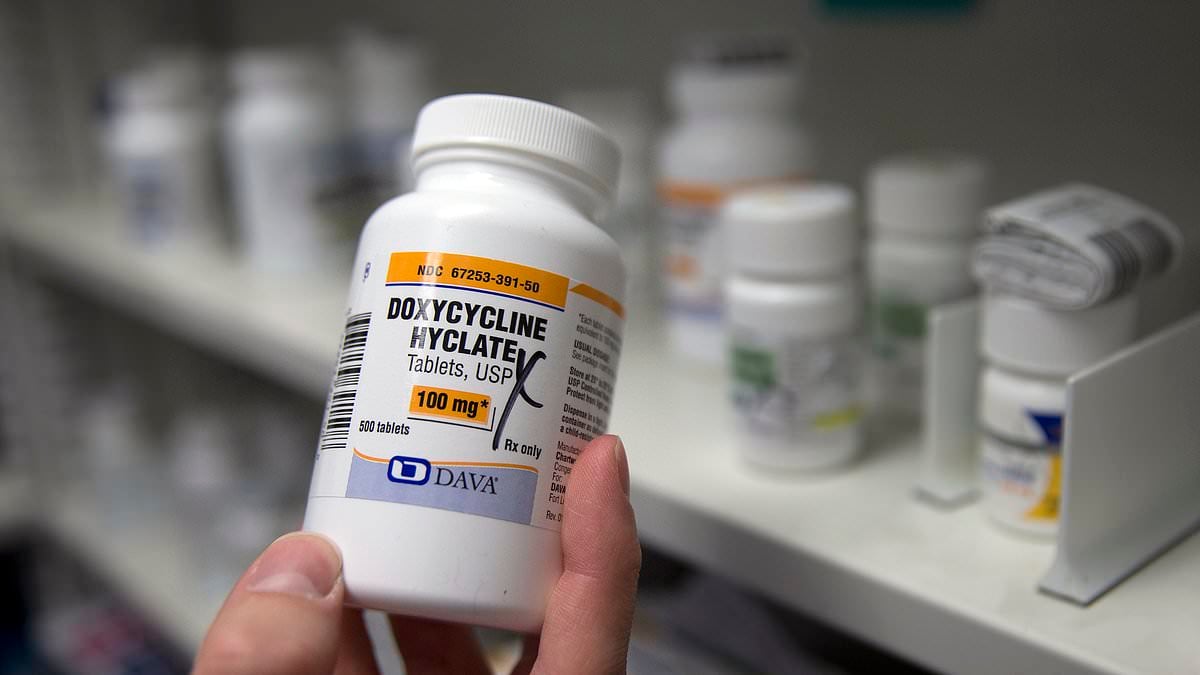
The CDC has issued new guidelines recommending the antibiotic doxycycline as a post-exposure prophylaxis (Doxy-PEP) to prevent STDs, particularly targeting gay and bisexual men and transgender women. The drug, to be taken within 72 hours of unprotected sex, could prevent up to 70% of chlamydia and syphilis infections and 50% of gonorrhea cases. This measure aims to combat the rising STD epidemic in the US, although concerns about antibiotic resistance and side effects remain.
A dementia expert suggests a non-traditional approach to combating Alzheimer's, while researchers explore the potential of using ice to fight breast cancer tumors and reveal the link between biological age and young-onset cancers. STD rates have risen in a surprising age group, and the EU warns of the potential spread of bird flu to humans. Additionally, the White House has declared April 2024 as Cancer Prevention and Early Detection Month, and doctors share tips for reducing fever blisters and reveal the main sleeping dangers for babies.
STD rates among Americans aged 55 and older have surged, with cases of syphilis and Chlamydia significantly increasing over the past decade, according to the CDC. Experts attribute this trend to a lack of formal sex education for this generation. The 2022 data revealed 5,160 reported syphilis cases and 19,766 Chlamydia cases in this age group, marking a substantial rise from previous years.
The CDC reports a significant increase in sexually transmitted diseases (STDs) among Americans aged 55 and older, with chlamydia, Hepatitis C, and syphilis being the most common. Cases of these STDs have risen sharply since 2000, with 2022 seeing a notable surge. Experts attribute this trend to a lack of formal sex education for this age group in the past, and suggest that public health funding cuts and clinic closures may also be contributing factors.
A cluster of cases in southwest Michigan revealed a startling diagnosis: five women had ocular syphilis, a complication of the sexually transmitted disease, after having sex with the same man who had syphilis. The surge in syphilis cases in the U.S. has led to a "syphilis crisis" and an "epidemic," with possible reasons including a rise in substance use and decreased condom use. Ocular syphilis can lead to blindness and is often missed by many ophthalmologists, but can be treated with intravenous antibiotics if caught early. It's important for everyone to be aware of the rising incidence of STDs and to get checked for any vision problems to rule out eye syphilis or other sexually transmitted diseases.
A cluster of cases in southwest Michigan revealed a startling diagnosis: five women had ocular syphilis, a complication of the sexually transmitted disease, after having sex with the same man who had syphilis. The surge in syphilis cases in the U.S. has led to a "syphilis crisis" and an "epidemic," with possible reasons including a rise in substance use and decreased condom use. Ocular syphilis can lead to blindness and is often missed by many ophthalmologists, but can be treated with intravenous antibiotics if caught early. It's important for everyone to be aware of the rising incidence of STDs and to get checked for any vision problems to rule out eye syphilis or other sexually transmitted diseases.
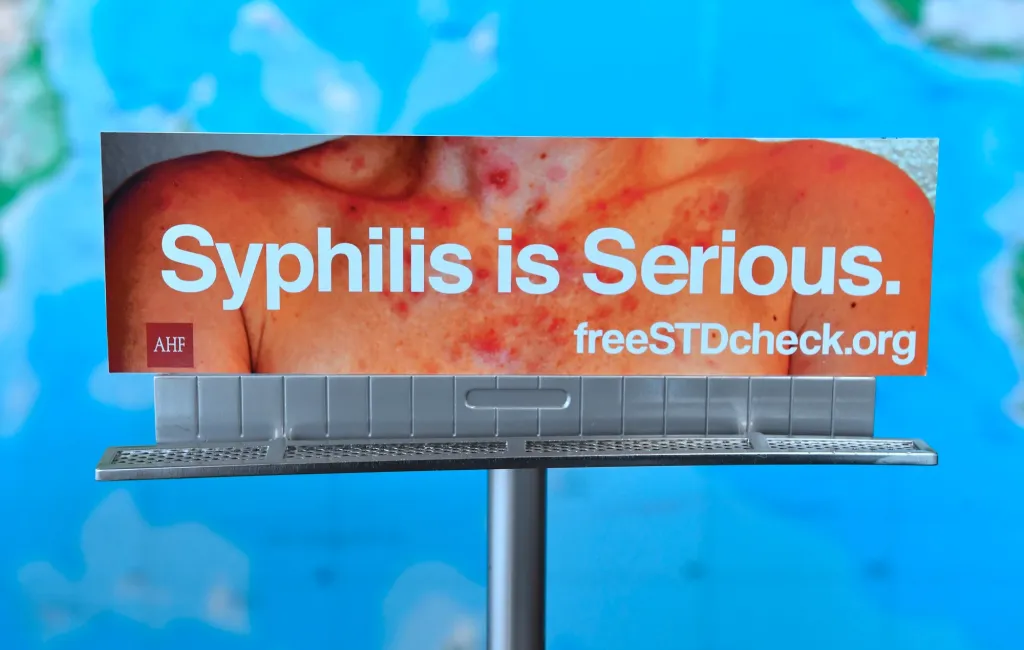
Syphilis, an age-old sexually transmitted disease, is making a resurgence in modern America, with cases on the rise in recent years. The United States has seen a significant increase in syphilis cases, particularly among men who have sex with men, as well as in women of reproductive age. This trend has raised concerns among public health officials, who are working to address the spread of the disease through education, testing, and treatment initiatives.
Without proper treatment, STDs could leave newborns in harm’s way, especially in Mississippi where cases are spiking sharply. The U.S. Supreme Court's decision on abortion has impacted clinical care for women, making STD testing and treatment critical for pregnant mothers and their babies. The rising rates of sexually transmitted infections, particularly syphilis, are causing severe and lifelong birth defects, but these infections can be easily and effectively treated with proper prenatal care and education.
Syphilis cases have surged in Florida, particularly in Orange County, with a nearly 80% increase in the five years leading up to 2022. Experts attribute the rise to factors such as reduced government investment in sexual health programs, decreased condom use, increased drug use, and the prevalence of dating apps. Efforts to combat the crisis include reducing stigma, improving access to testing and treatment, and increasing public education. The epidemic disproportionately affects minority and marginalized populations, and initiatives like the Bros in Convo Initiative and The Center offer free confidential testing and referrals for treatment.
Syphilis cases in the US have surged to the highest numbers in nearly 75 years, with a 10% increase in 2022, reaching 203,500 cases. Experts attribute the surge to factors such as insufficient testing and access to testing, decline in protected sex, reduction in sexual health services, and rise in illicit drug use. Men who have sex with men and certain racial and ethnic groups are at higher risk. Early symptoms of syphilis can be missed, and the primary treatment is intramuscular penicillin injections. To combat the surge, experts call for increased access to testing, targeted public health interventions, prenatal care, and more public health funding to better care for affected communities.