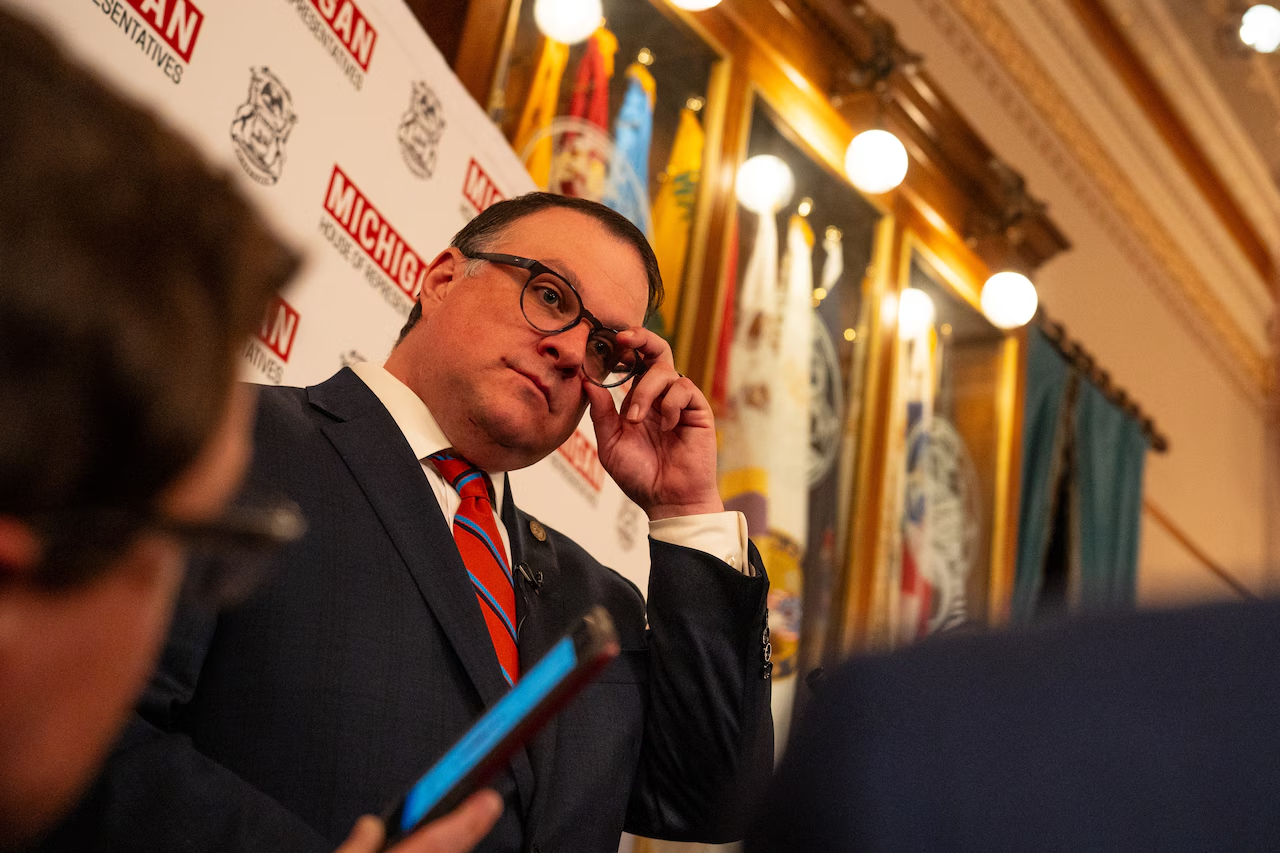
Michigan House Republicans proposed a $54.6 billion budget focusing on cutting waste and reallocating funds to priorities like roads, safety, and education, resulting in significant cuts to various departments and jobs, and facing opposition from Democrats amid a looming government shutdown deadline.
Illinois lawmakers approved a $55 billion budget with tax increases on tobacco, vaping, and online sportsbooks, while also passing a revenue package and spending cuts, but adjourned without resolving transit funding or the Bears stadium issue, amidst political debates over spending and fiscal strategies.
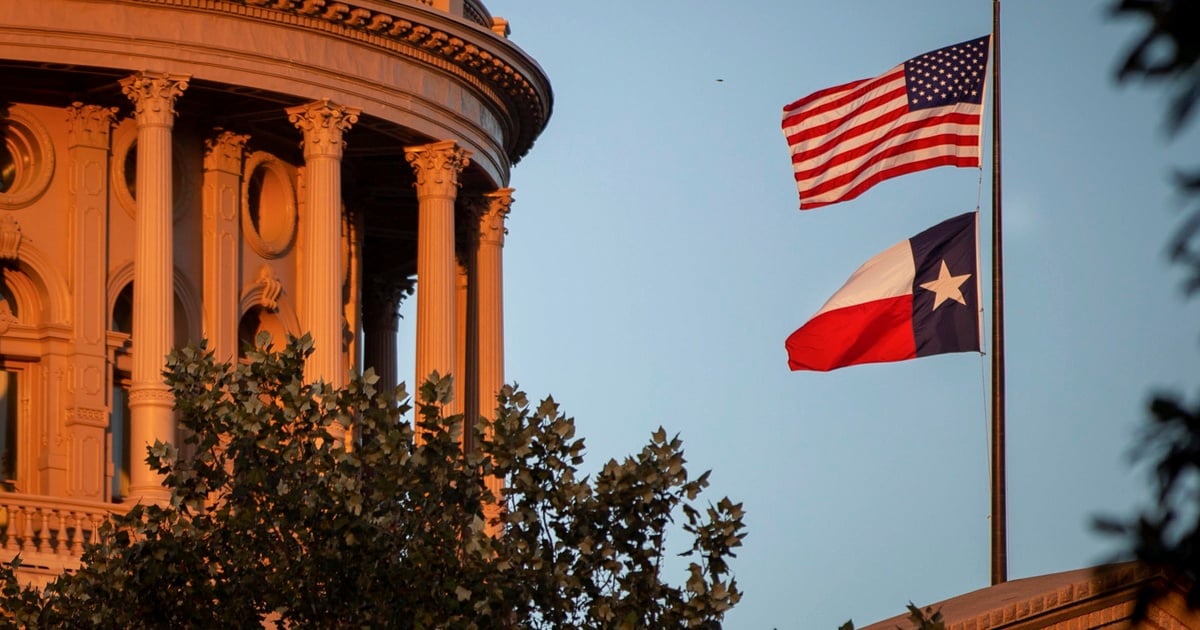
Texas lawmakers approved a $338 billion two-year budget focusing on property tax relief, education funding, and infrastructure, with significant allocations for public schools, water projects, and tax cuts, funded largely by a surplus and federal funds, pending final verification and governor approval.
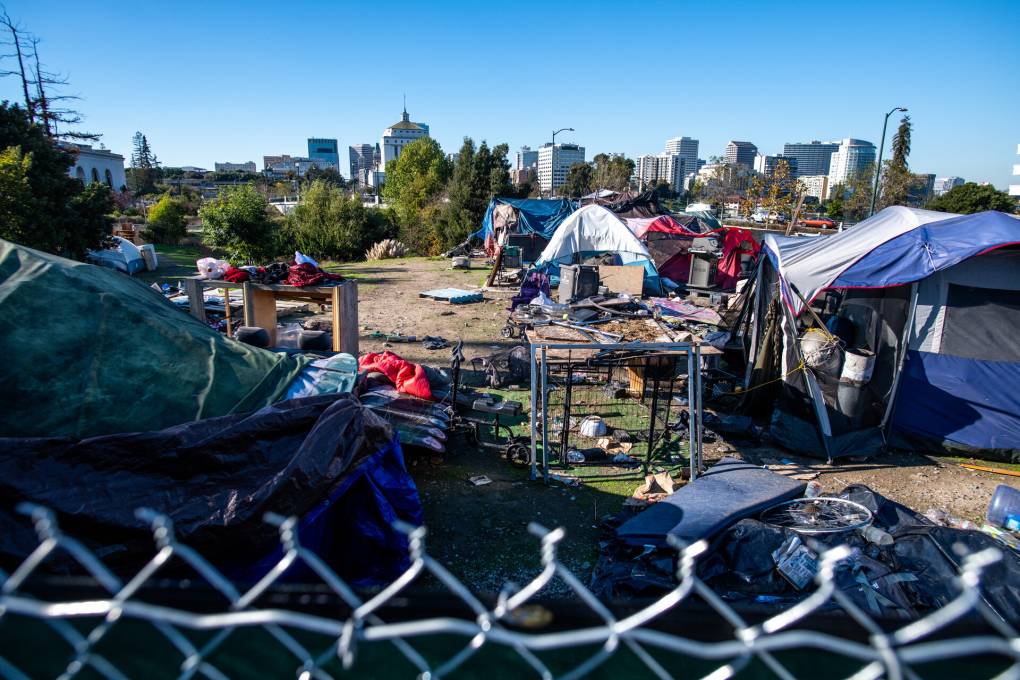
Despite spending nearly $24 billion on homelessness programs, California's efforts to combat homelessness have failed to curb the rising unhoused population, with a state audit revealing a lack of tracking and evaluation of these efforts. The audit found that most people accessing services were placed in interim housing, with only 13% ending up in permanent housing and 44% returning to homelessness. The state lacks consistent data on program costs and outcomes, and both state and local levels are criticized for a lack of transparency and accountability in funding usage. Calls for ongoing funding for permanent housing solutions and greater oversight over spending have emerged, as the state faces a concerning paradox of increasing homelessness despite substantial financial investments.
States have spent over $25 billion in the past 20 years to attract film and TV productions through incentives, with 38 states currently offering some form of incentive. While supporters see these incentives as a way to create jobs and stimulate local economies, economists warn that the return on investment is minimal, with tax revenue generated often being a fraction of the amount invested. Incentives come in the form of cash rebates, grants, or transferable tax credits, which studios can sell to companies with high state-tax liabilities. Despite the high cost and minimal returns, states like Michigan are considering rejoining the race to attract Hollywood productions.
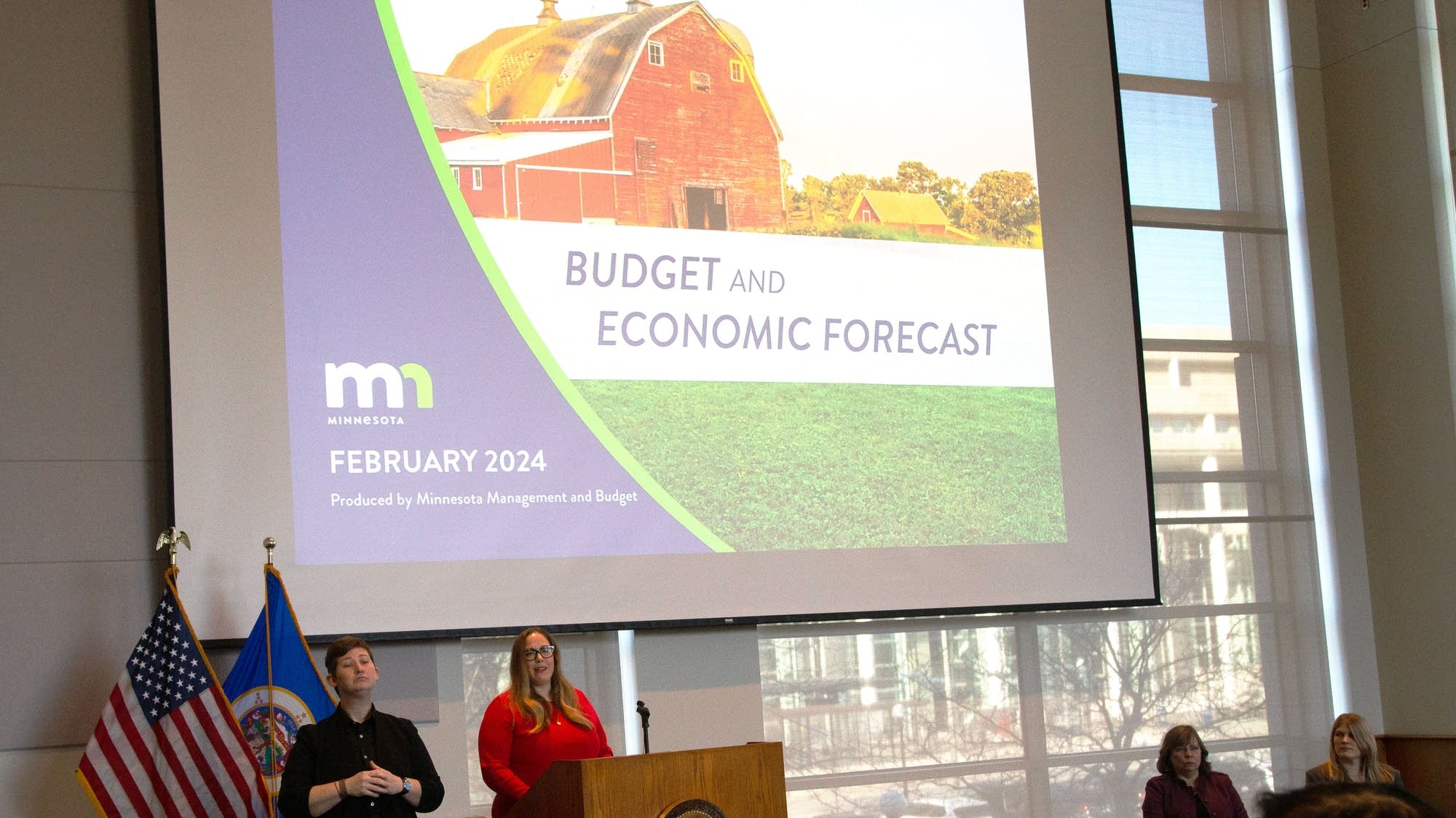
Minnesota announces a $3.7 billion budget surplus for the two-year budget ending in 2025, attributing the increase to higher consumer spending and corporate profit growth. However, officials caution that future financial pressures loom, with potential shortfalls approaching $1.5 billion by 2027. While DFL lawmakers plan a more modest approach to spending, Republicans call for tax rebates and state spending cuts to mitigate the impact, as the state's rainy day reserves approach $3 billion.
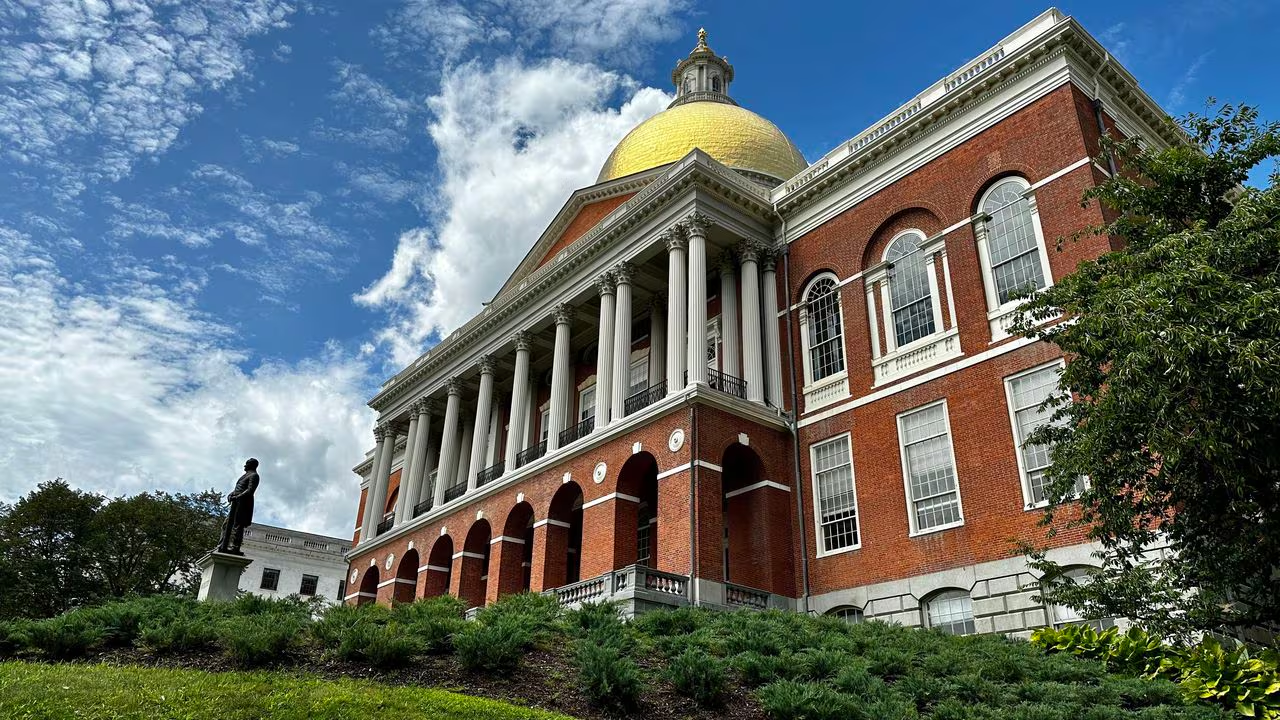
Massachusetts Governor Maura Healey plans to cut $375 million from state spending, with MassHealth facing the largest reduction of $294 million due to lower-than-anticipated caseloads. The cuts will impact various sectors, including behavioral health supports, housing services, grants to fire departments, parks, and economic development projects. Despite the reductions, there will be no layoffs, withdrawal from the Rainy Day Fund, or cuts to local aid and school funding. The move comes in response to flagging tax revenues, with the state's fiscal picture prompting a $1 billion reduction in revenue estimates. Legislative leaders and officials are concerned about the impact on local government services, while the administration also plans to increase non-tax revenues by $625 million and tap into a state escrow account to cover rising emergency shelter costs.
A new report by WalletHub analyzed how efficiently each state spends its tax dollars and found that New Hampshire, South Dakota, and Florida are the top three states with the best return on investment. The report looked at factors such as education, health, safety, economy, and infrastructure to determine which states are the most fiscally responsible and efficient with their government spending.