A U.S. judge temporarily blocked the Trump administration from freezing over $10 billion in federal childcare and family aid to five Democratic-led states, citing concerns about the legality and motives behind the funding freeze amid allegations of fraud and misuse of taxpayer dollars.
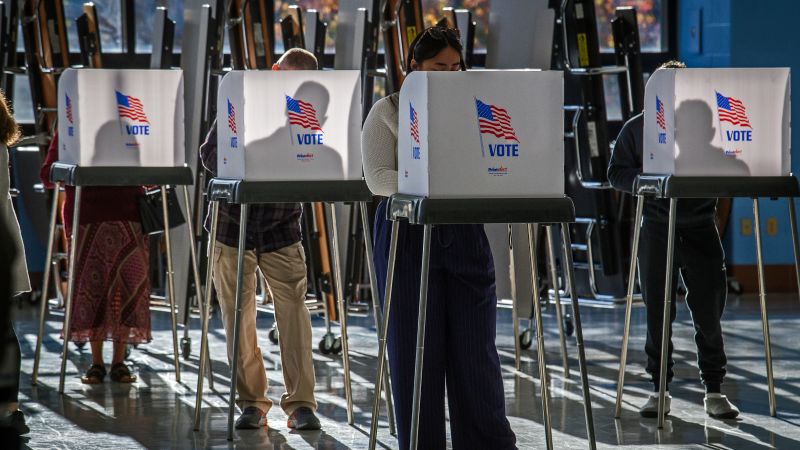
The Trump administration, through the DOJ, is requesting detailed voter registration data, including sensitive personal information, from multiple states, sparking legal and privacy concerns as states resist sharing this data, citing privacy and authority issues amid broader efforts to influence and oversee elections.
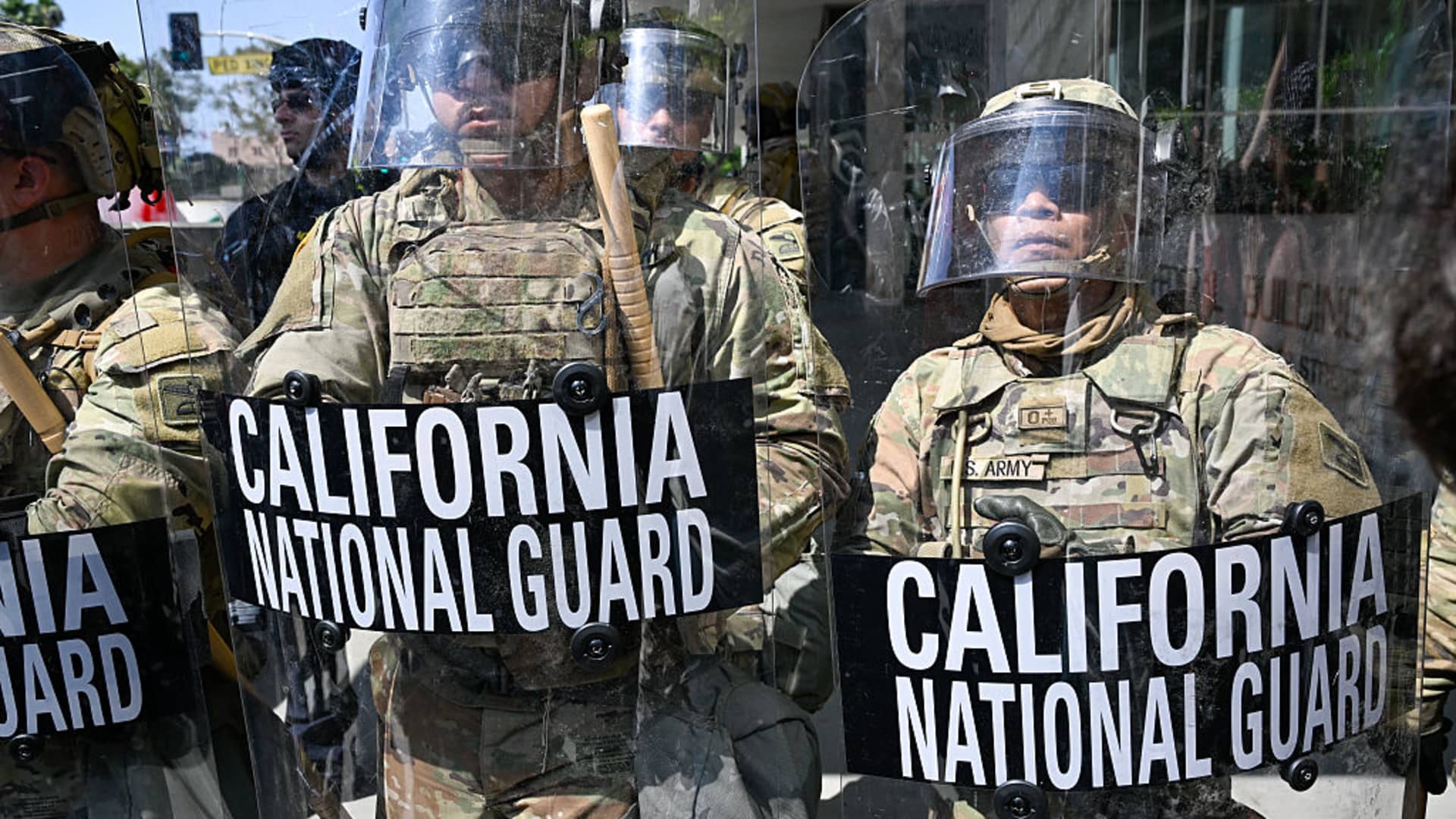
A federal judge ruled that President Trump’s federalization of parts of California’s National Guard was illegal and ordered the return of control to the state governor, citing violations of constitutional and statutory procedures, with the Trump administration appealing the decision.
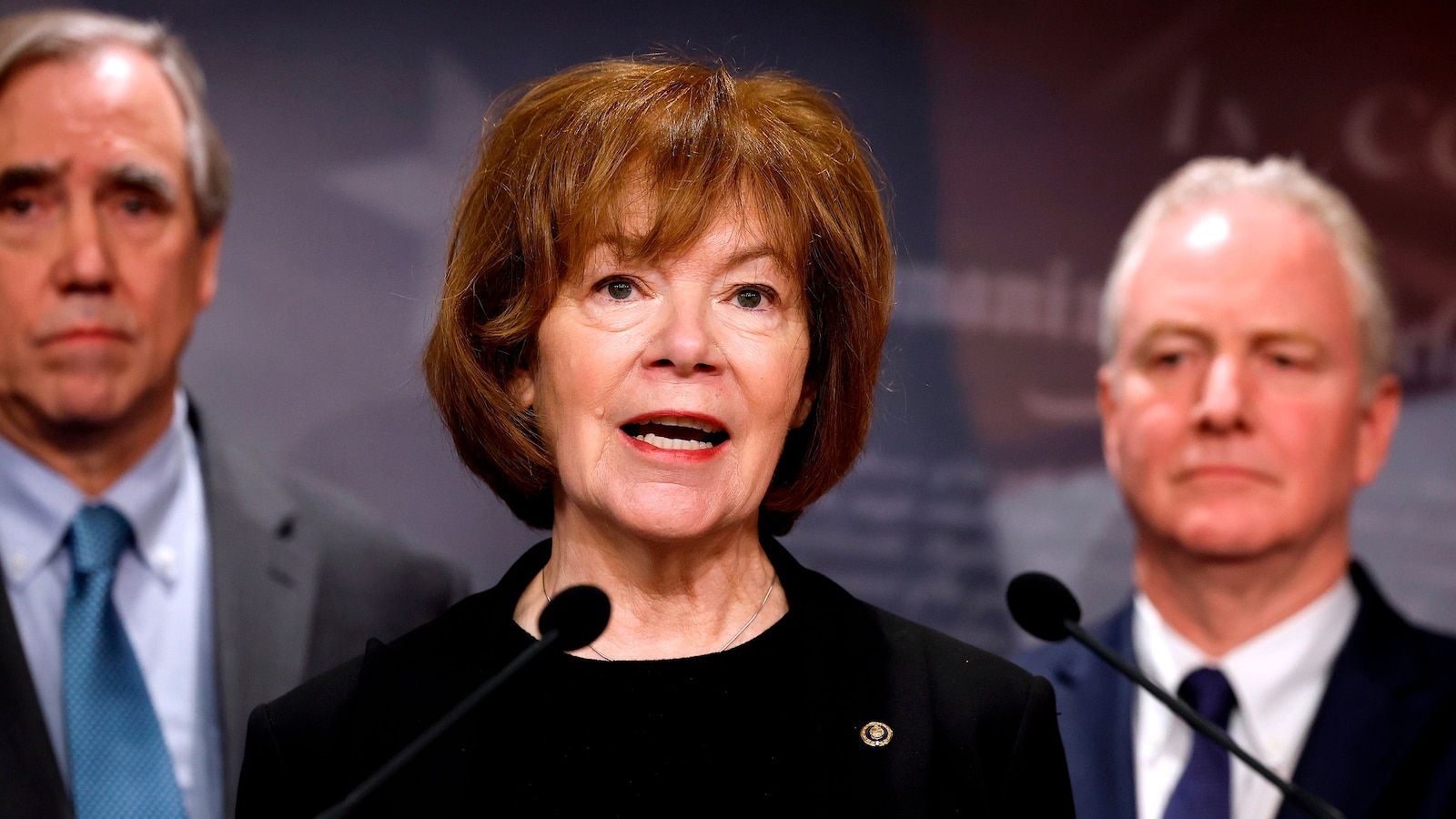
Senator Tina Smith criticized former President Donald Trump's stance on abortion, asserting that women won't be deceived by him. The debate over abortion bans was reignited after the Arizona Supreme Court upheld a near-total abortion ban from the 1800s. Trump defended his view that abortion should be a state issue, claiming it weakens Democrats' political advantage. Smith emphasized the need to protect abortion rights and elect pro-abortion access lawmakers, while highlighting the impact on women living with varying rights across states.
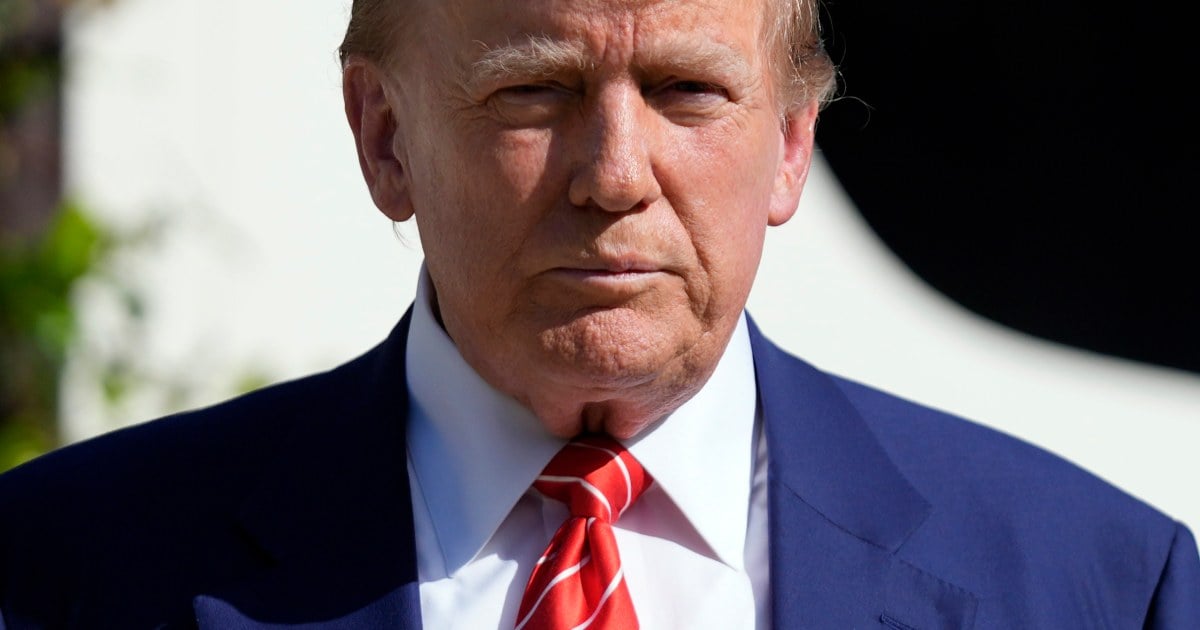
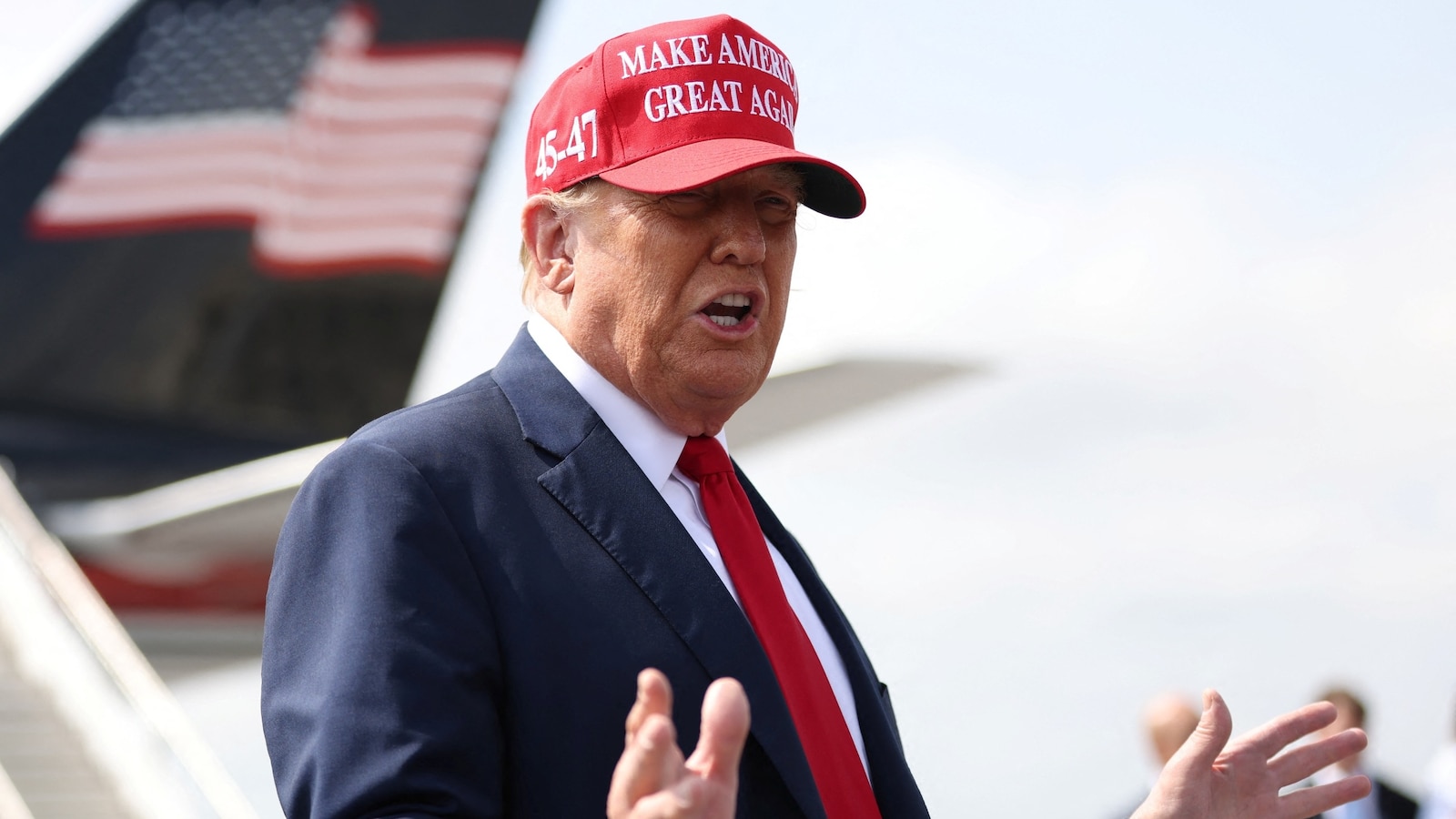
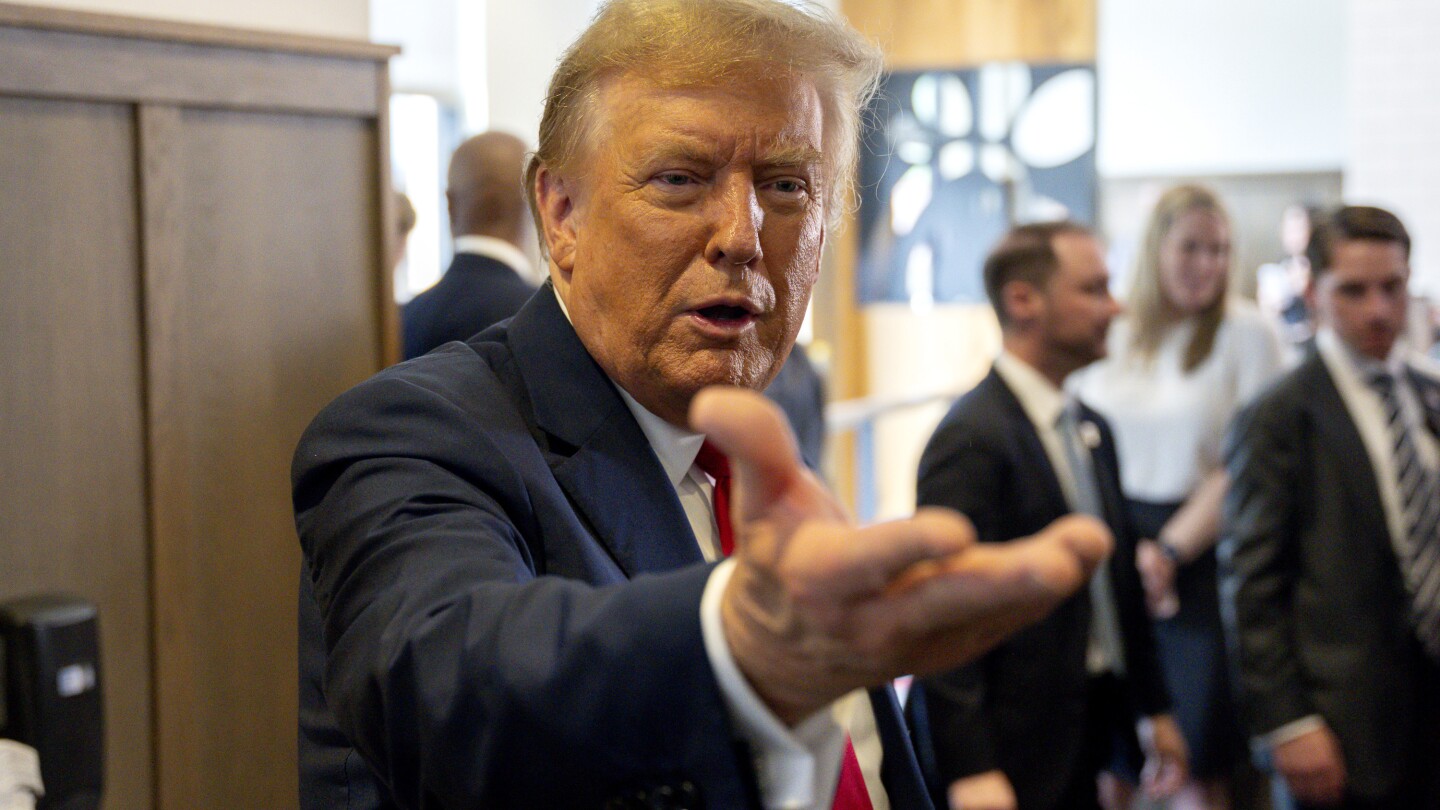
Donald Trump's conflicting stances on abortion, from supporting states' rights to distancing himself from state-based outcomes, have energized Democrats, drawn fire from allies in his own party, and created messaging challenges. His shifting positions have put the Republican Party at risk in key battleground states and failed to neutralize the abortion issue. Democrats are using Trump's statements to attack Republicans on abortion rights, while the GOP struggles to find an effective counter. Despite Trump's attempts to navigate the issue, his wavering stance has sparked backlash and highlighted the party's challenges in addressing abortion in the post-Roe v. Wade era.
Former President Donald Trump criticizes Arizona's near-total abortion ban, stating it "needs to be straightened out" and emphasizing the importance of states' rights in deciding abortion laws. Trump also asserts that he would not sign a federal abortion ban if elected president again. The Arizona Supreme Court's decision drew differing reactions from state Republicans and Democrats, with Vice President Kamala Harris planning to visit Tucson to advocate for reproductive freedoms. President Joe Biden and Harris both condemned the Arizona ban, while GOP Senate candidate Kari Lake expressed support for Trump's stance on abortion while also claiming to be "100% pro-life."
Donald Trump criticizes Arizona's near-total abortion ban as going too far, while defending the overturning of Roe v. Wade and emphasizing states' rights. He urges Arizona lawmakers to revise the law and expresses support for state-level restrictions, but declines to endorse a national abortion ban. Trump's stance on abortion has faced scrutiny as Democrats campaign on the issue, and he faces backlash from religious conservatives for not endorsing a national ban. Meanwhile, President Biden criticizes the Arizona law and emphasizes the need for progress in the 21st century.
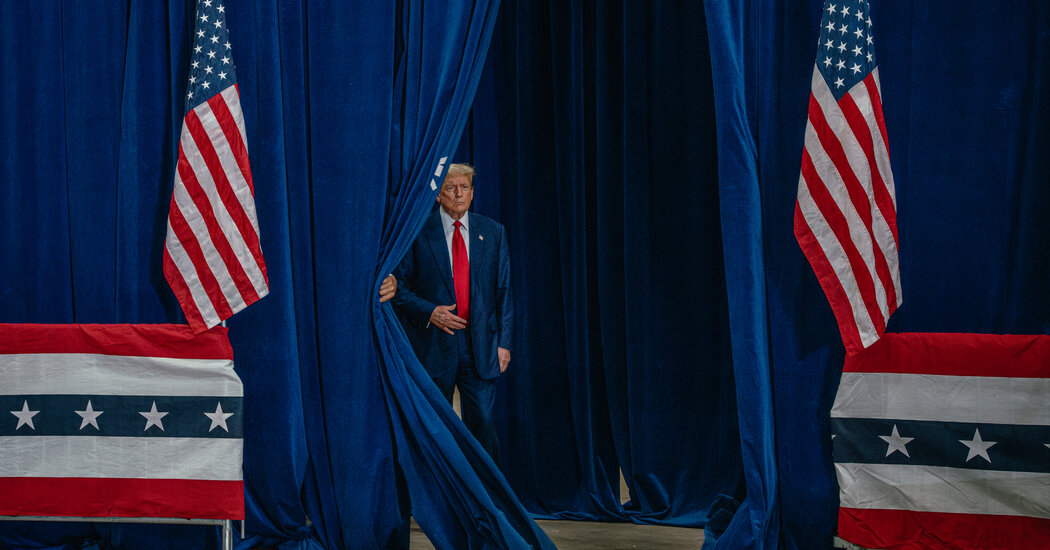
Former President Donald J. Trump, known for his anti-abortion stance, has recently stated that abortion rights should be determined by individual states, signaling a potential shift in his position. This move is seen as an attempt to navigate the political repercussions of his strong anti-abortion stance and its impact on the Republican Party during an election year.
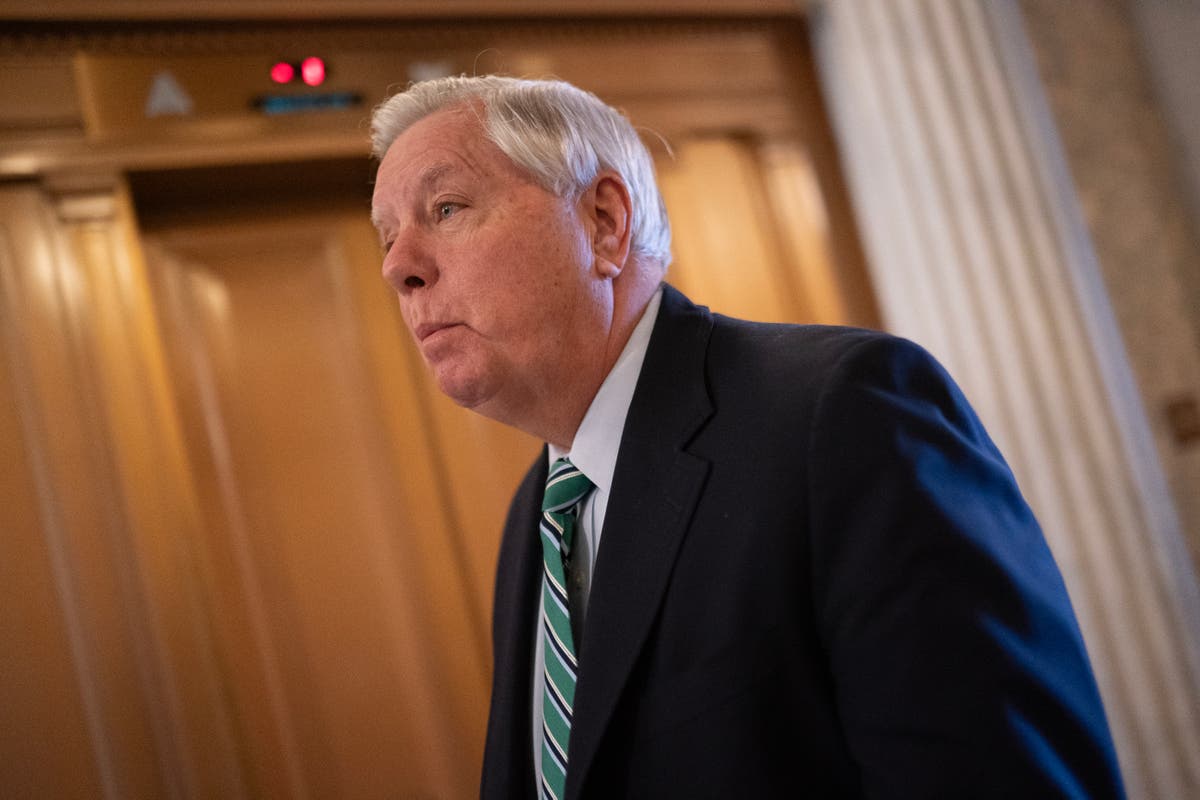
Most Senate Republicans support Donald Trump's stance on leaving abortion policy to the states, except for Senator Lindsey Graham, who criticized Trump's position and proposed a 15-week abortion ban. Trump's stance has sparked debate among Republicans and Democrats, with some supporting the idea of leaving abortion laws to the states, while others argue for federal intervention to protect abortion rights.
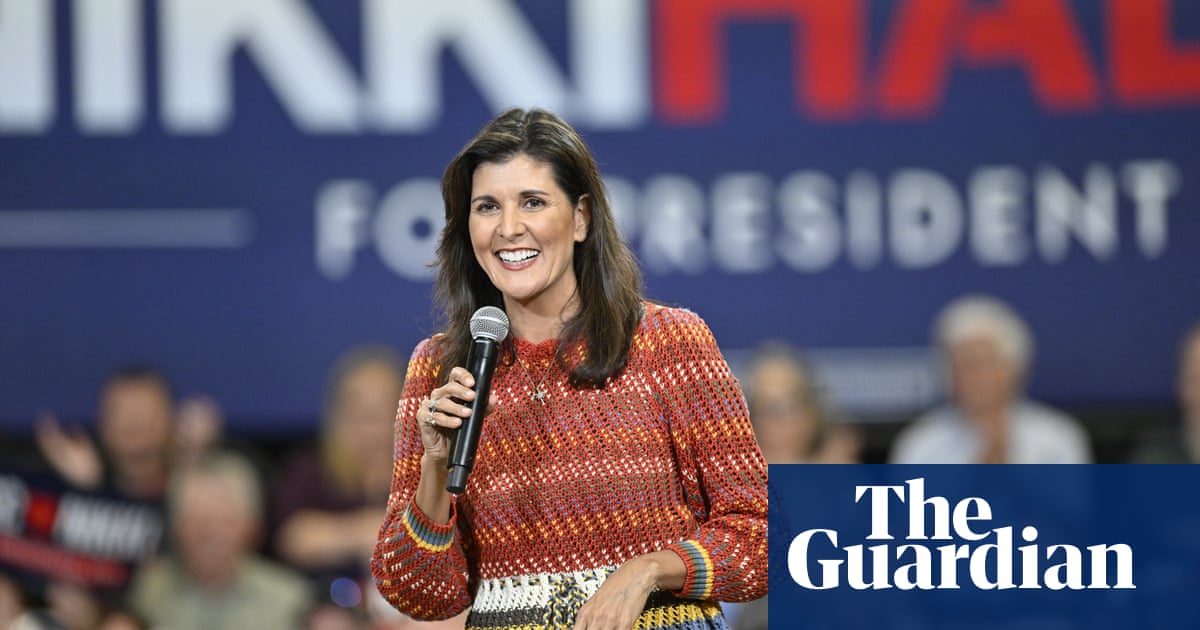
Republican presidential candidate Nikki Haley has distanced herself from calls for a federal abortion ban, saying that to promise such a universal barrier to terminations would be to lie to the American people. Instead, she said she supported the right of each state to set its own abortion limits. Haley, who is firmly in the anti-abortion wing of the Republican party, is attempting to soften that image by detaching herself from talk of a federal ban. She launched her campaign in February, presenting herself as a president for a “new generation”.