
Tag

Starchy Vegetables

All articles tagged with #starchy vegetables

health-and-nutrition2 years ago

"Potato Overload: How to Gauge Your Consumption"

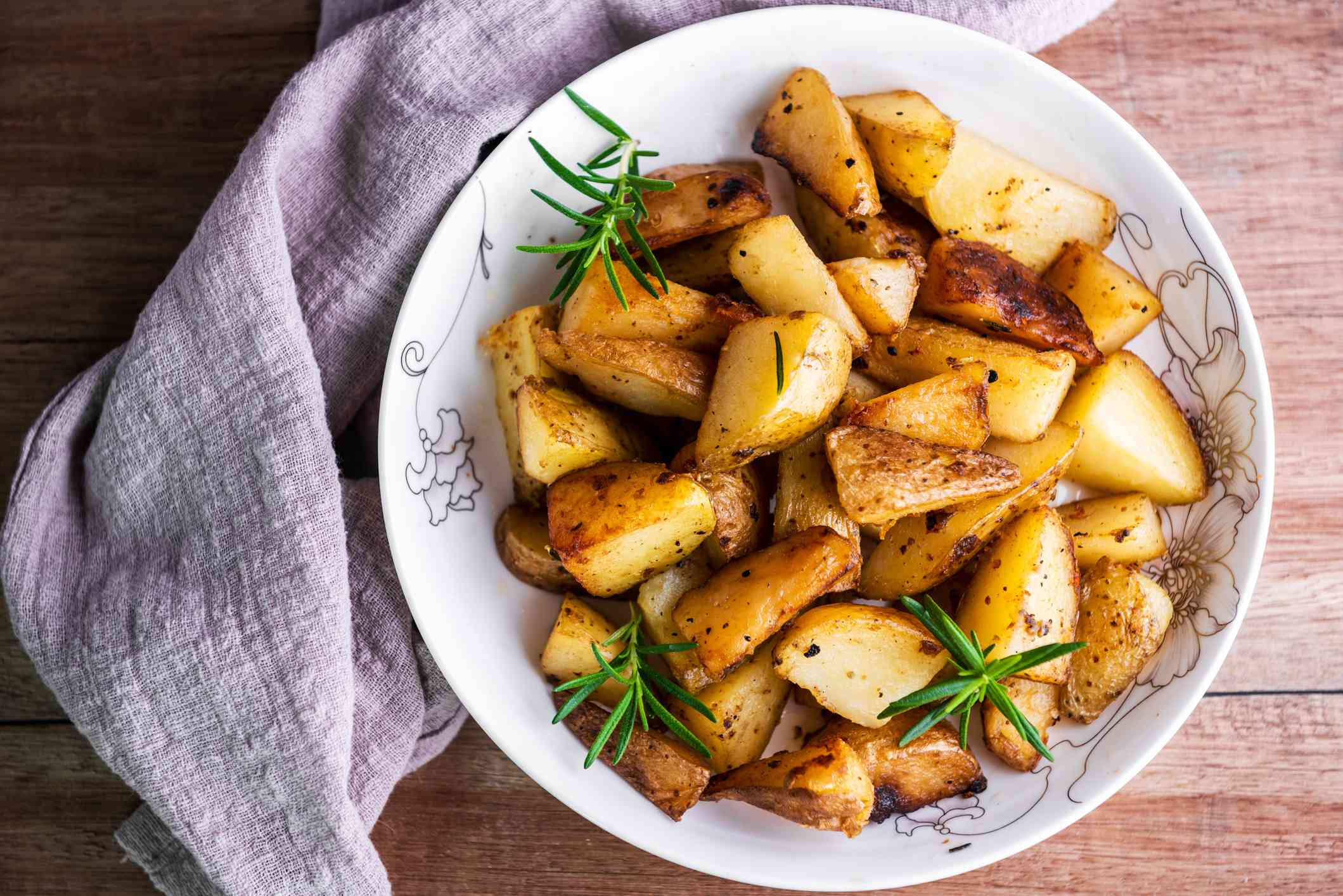
Eating too many potatoes, especially when deep-fried or loaded with unhealthy toppings, can lead to health risks such as raised blood sugar, weight gain, higher blood pressure, and digestive issues. However, potatoes are a good source of vitamins, minerals, and fiber when prepared in healthier ways like baking, roasting, or steaming. It's important to balance potato consumption with other nutritious carbs and vegetables, and consider alternatives like sweet potatoes, whole grains, legumes, and non-starchy vegetables to create a more balanced diet and ensure a variety of nutrients.
health-and-nutrition2 years ago

The Surprising Carbohydrate Choice for Optimal Health

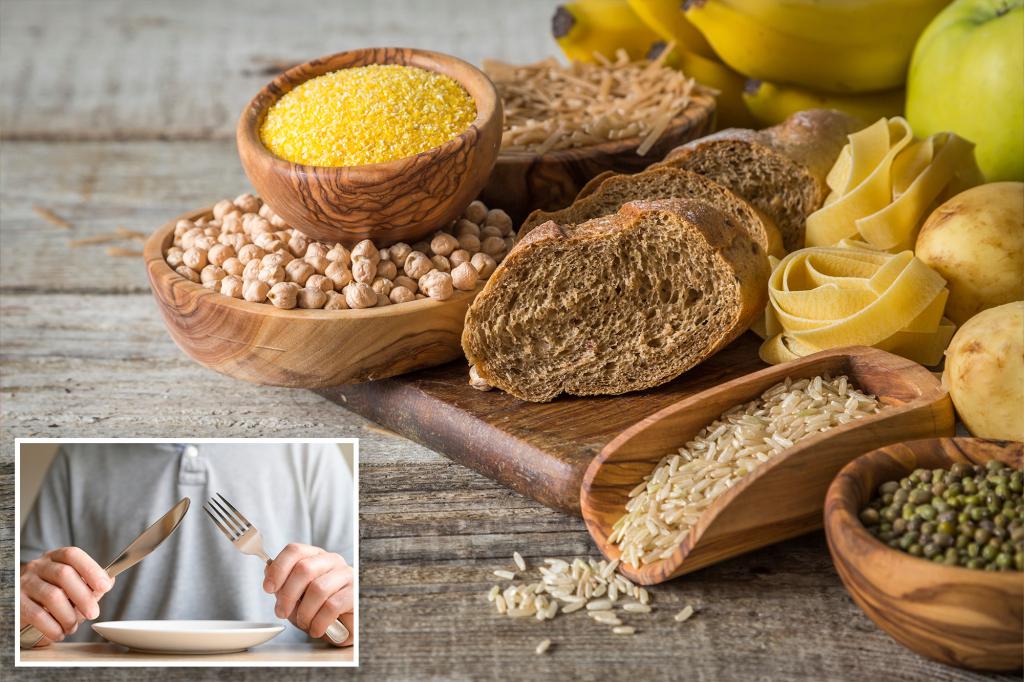
New research suggests that starchy vegetables and grains have different nutrient profiles, and replacing starchy vegetables like potatoes with grain-based foods like rice and whole-grain bread for just one day can lead to a decrease in key nutrients such as potassium, vitamin B6, vitamin C, and fiber. The study emphasizes the importance of balance, variety, and moderation in one's diet, including both starchy and non-starchy vegetables, to meet both macronutrient and micronutrient needs.

health2 years ago

Managing Diabetes: The Truth About Starchy Vegetables and Karela Juice

People with diabetes can still include starchy vegetables in their diet, but it's important to consider portion sizes, preparation methods, and individual blood sugar goals. Starchy vegetables contain fiber, which slows down digestion and helps prevent blood sugar spikes. They also provide essential nutrients like vitamins, minerals, and fiber. Pairing starchy vegetables with protein and unsaturated fats can further stabilize blood sugar levels. The MyPlate method suggests allocating one-quarter of the plate to starchy vegetables or grains, one-quarter to protein, and the remaining half to non-starchy vegetables. Incorporating a variety of starchy vegetables into a diabetes-friendly diet can contribute to overall health and well-being.

health-and-nutrition2 years ago

"Smart Food Swaps to Beat Midlife Weight Gain"

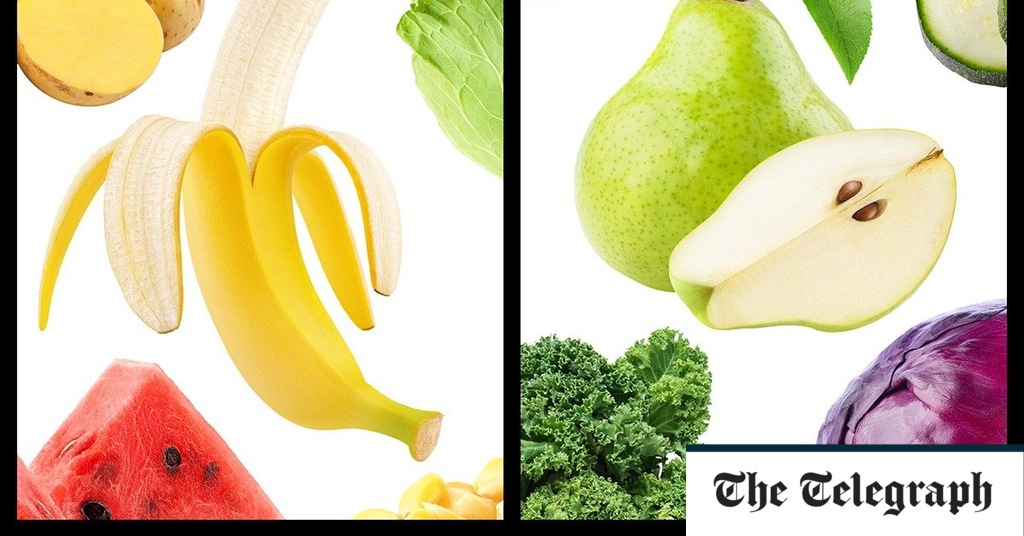
A new study from Harvard TH Chan School of Public Health suggests that consuming starchy vegetables like peas, sweetcorn, and potatoes can lead to weight gain in midlife, while non-starchy vegetables such as broccoli, carrots, and spinach are better for maintaining a healthy weight. The study also found that increasing fiber intake through whole grains and fruits like apples and pears can help reduce the effects of middle-age spread. Simple swaps like replacing sweetcorn with carrots, potatoes with courgettes, bananas with pears, iceberg lettuce with kale, and watermelon with raspberries can contribute to a healthier diet. Red cabbage is also recommended over white cabbage due to its higher antioxidant levels.