Tag

Staphylococcus Aureus

All articles tagged with #staphylococcus aureus

AI Unveils Groundbreaking Class of Antibiotics
science-and-technology2 years ago

AI Unveils Groundbreaking Class of Antibiotics

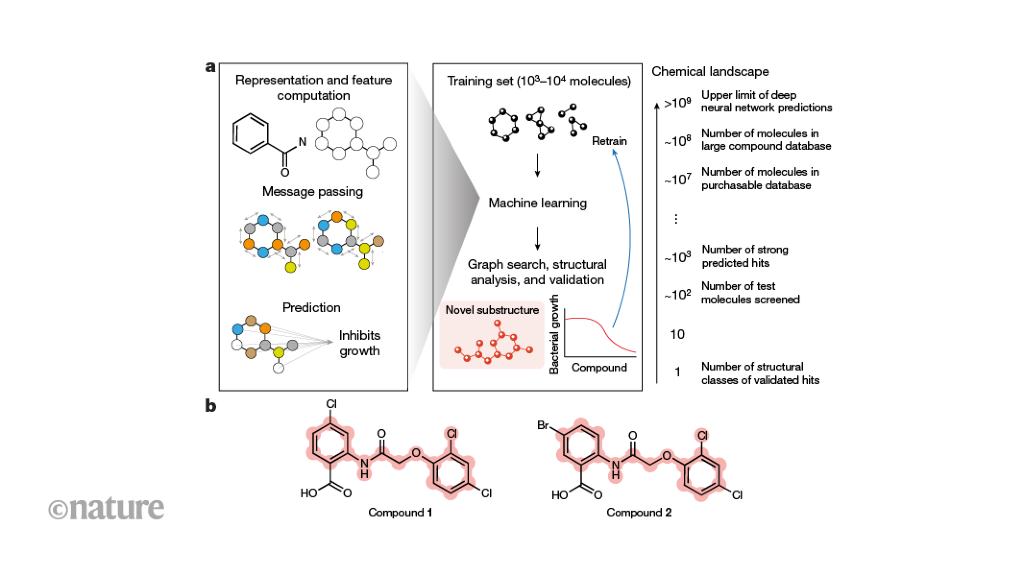
An artificial intelligence graph neural network has been trained to identify chemical substructures that contribute to the selective antibiotic activity in over 12 million compounds. This has led to the discovery of a new class of antibiotics that demonstrate in vitro and in vivo activity against Gram-positive bacteria, including Staphylococcus aureus.

Uncovering the Main Cause of Itchiness in Eczema and a Promising Breakthrough Drug
health2 years ago

Uncovering the Main Cause of Itchiness in Eczema and a Promising Breakthrough Drug

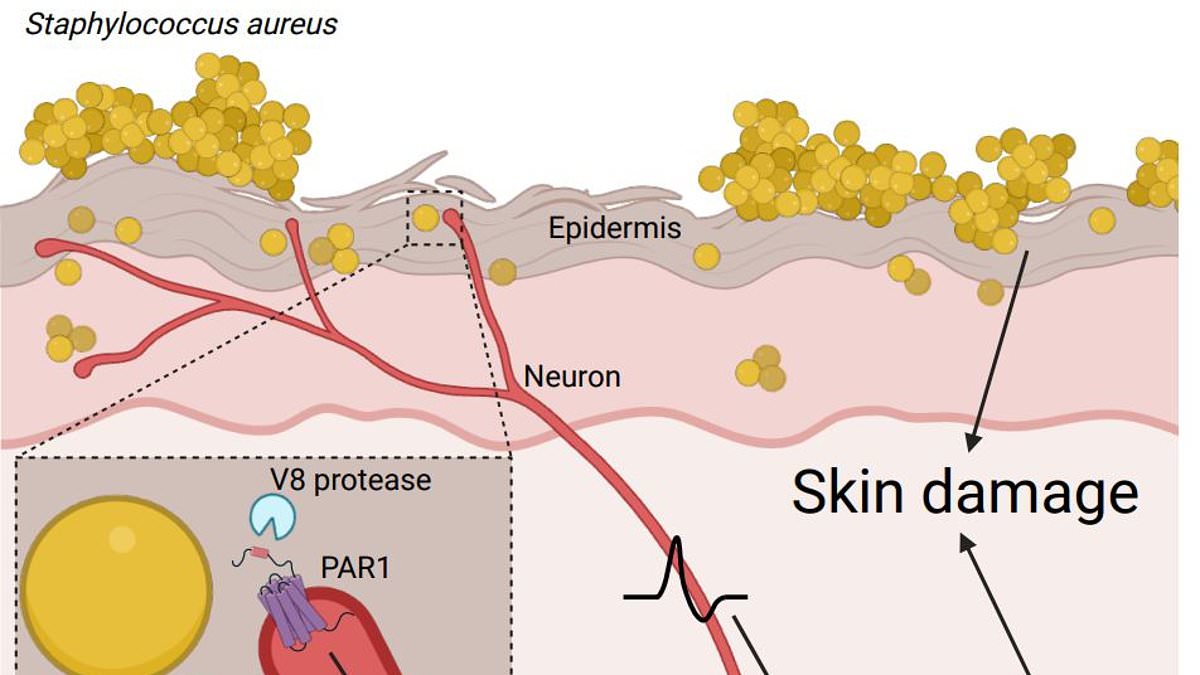
Scientists from Harvard University have discovered that the intense itchiness associated with eczema is caused by the bacteria Staphylococcus aureus, rather than inflammation of the skin itself. They identified the enzyme V8 protease as responsible for triggering the itch, and believe that the drug vorapaxar, currently used to prevent blood clots, could be modified to break the itch-scratch cycle of eczema. The researchers found that blocking the nerve receptor associated with the itch was effective in reducing itchiness in mice. Eczema affects up to 25% of the population and can have a significant impact on quality of life.

"Novel Nasal Antimicrobial Peptide Wipes Out Staphylococcus aureus"
science-and-technology2 years ago

"Novel Nasal Antimicrobial Peptide Wipes Out Staphylococcus aureus"

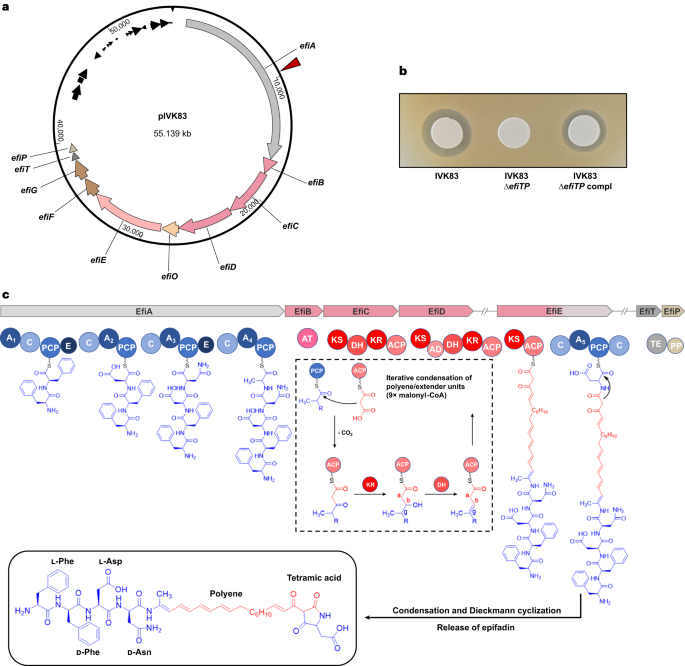
Researchers have discovered a broad-spectrum antimicrobial peptide called polyene, produced by the commensal bacteria Staphylococcus epidermidis, that can eliminate Staphylococcus aureus in the nasal passages. Polyene is effective against a wide range of bacteria, including antibiotic-resistant strains, and has a short-lived nature, reducing the risk of resistance development. This finding highlights the potential of harnessing the antimicrobial properties of commensal bacteria to combat pathogenic infections.

Unraveling the Origins of Itch: Harvard Study Reveals Surprising Findings
health2 years ago

Unraveling the Origins of Itch: Harvard Study Reveals Surprising Findings

New research published in the journal Cell has identified a previously unknown factor that triggers itchiness in skin conditions like eczema. Scientists from Harvard Medical School discovered that the bacterium Staphylococcus aureus can directly activate nerve cells, causing itchiness even in the absence of inflammation. The bacterium releases an enzyme called V8, which activates a protein called PAR1 on nerve cells in the skin, sending a signal to the brain that prompts scratching. The study offers a potential new direction for developing treatments for eczema, which affects around 10% of people in the U.S. and is strongly associated with allergies.

Unveiling the Gross Origins of Itching: Scientists' Breakthrough in Eczema Cure
health2 years ago

Unveiling the Gross Origins of Itching: Scientists' Breakthrough in Eczema Cure

Scientists have discovered that a common type of skin bacteria, Staphylococcus aureus, can trigger itchiness in patients with eczema. The study found that this bacteria, commonly found on the skin of eczema patients, interacts with nerve cells in the skin, causing itch signals to be sent to the brain. The researchers identified an enzyme called V8 protease as the culprit and showed that blocking its receptors reduced itchiness in mice. The findings offer hope for the development of new treatments to alleviate itchiness and improve the lives of patients with chronic itch diseases.

The Role of Bacteria in Eczema Development
health2 years ago

The Role of Bacteria in Eczema Development

A recent study has found that Staphylococcus aureus (S. aureus) bacteria mutate in eczema patches, allowing them to spread more quickly and contribute to the severity of the condition. The researchers discovered that mutations in a gene called capD enable the bacteria to grow faster and become more easily detectable by the immune system. Understanding how bacteria colonize the skin of individuals with eczema and contribute to inflammation could lead to the development of targeted treatments for the condition. However, the study's small sample size and other limitations suggest that further research is needed to validate these findings.

New Non-Antibiotic Treatment for Drug-Resistant Infections Discovered
health2 years ago

New Non-Antibiotic Treatment for Drug-Resistant Infections Discovered

Researchers at the University of Copenhagen have found an antibiotic-free way of treating drug-resistant Staphylococcus aureus infections, which can be a huge problem for people with skin lymphoma. The researchers used an artificial version of an enzyme that's naturally produced by bacteriophages to eradicate the bacteria in biopsy samples from people with skin lymphoma. The enzyme, called endolysin XZ.700, killed off strains of S. aureus that had been isolated from CTCL patients and blocked its tumor-promoting effects on lab-grown malignant T cells. The researchers hope that endolysin XZ.700 could kill off drug-resistant strains such as MRSA and even biofilms, all without S. aureus developing resistance to endolysins.