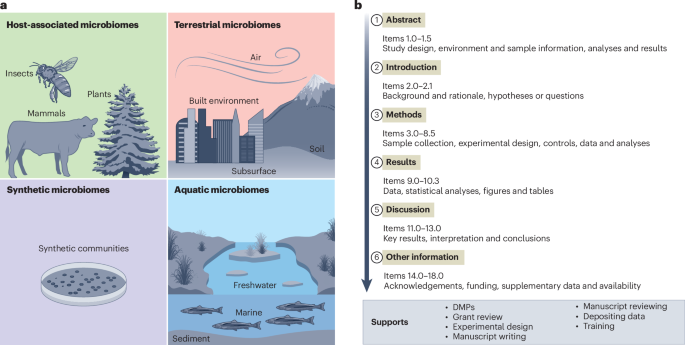
The STREAMS guidelines establish comprehensive standards for reporting and sharing data in environmental and host-associated microbiome studies, aiming to improve reproducibility, data quality, and FAIR principles through community-driven development and extensive feedback.
Major health insurers like UnitedHealthcare and CVS Health's Aetna plan to reduce and standardize prior authorization processes to decrease care delays and complaints, aiming to speed up responses and improve patient access to necessary treatments.
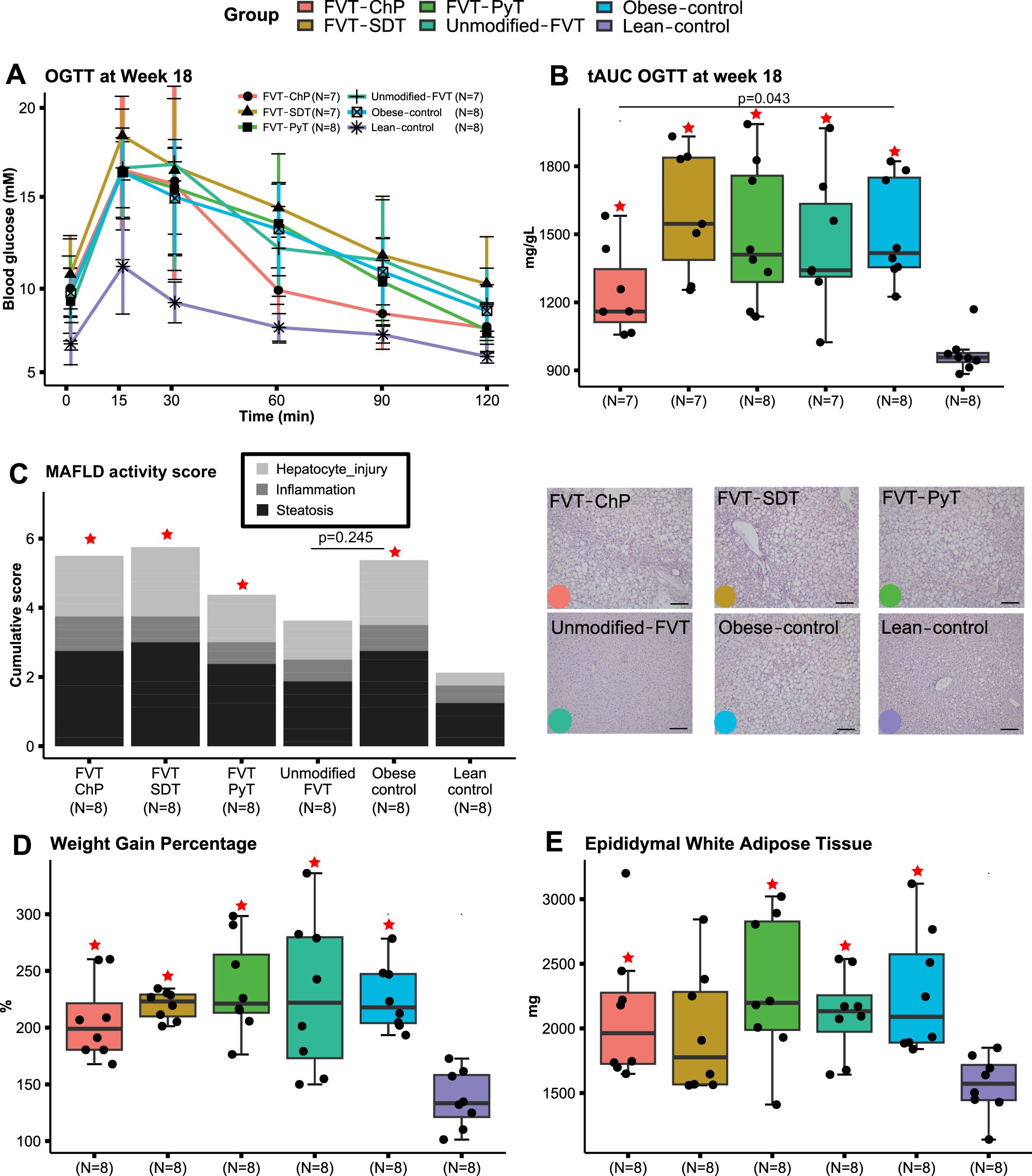
Researchers at the University of Copenhagen have developed a new method to improve fecal transplants by cultivating beneficial bacteriophages from feces through fermentation. This technique aims to create a standardized, bacteria-free treatment that could be used for a wider range of gastrointestinal disorders and potentially other health issues. Initial studies in mice have shown promising results, particularly in treating infections with Clostridioides difficile, suggesting the potential for broader medical applications.
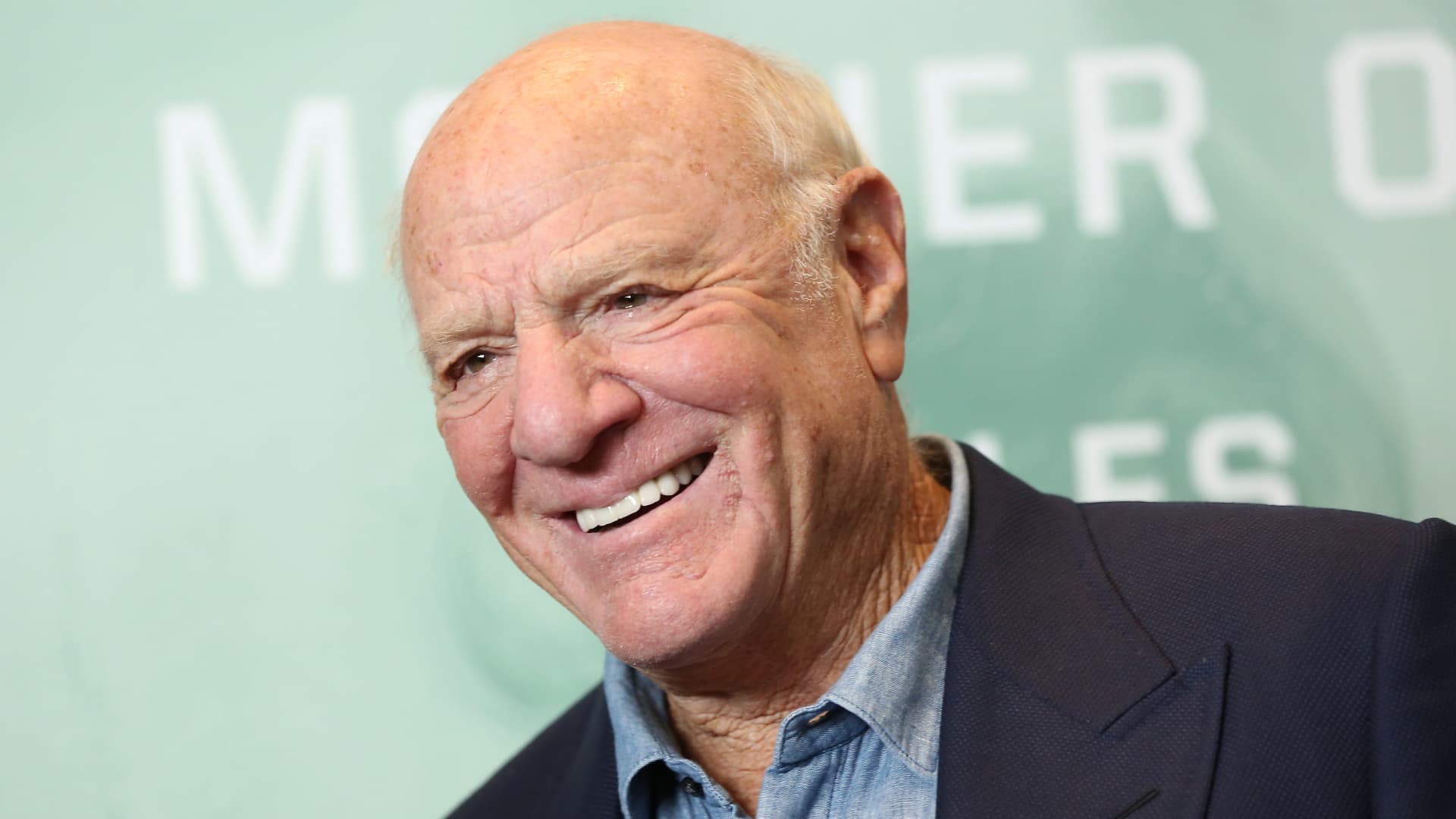
Barry Diller, chairman of IAC and Expedia, predicts that companies will adopt a standard of four days in the office with a flexible Friday option, citing the chaos caused by the multitude of work-from-home and in-person combinations. He emphasizes the need for standardization and believes that a transition to this model is sensible. Other investors, such as Mets owner Steve Cohen, also advocate for a more flexible working norm, with Cohen suggesting that the growth of artificial intelligence could lead to a shortened four-day work week.
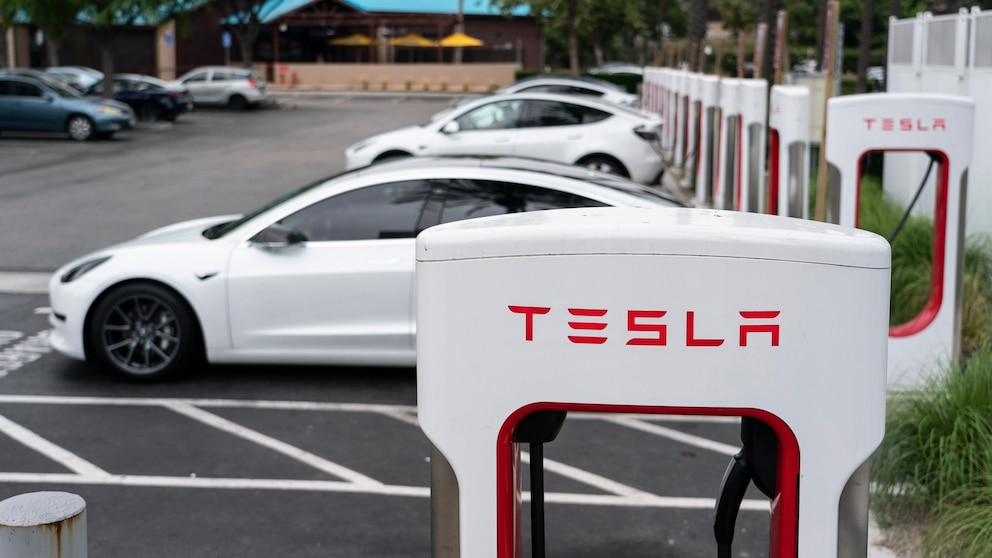
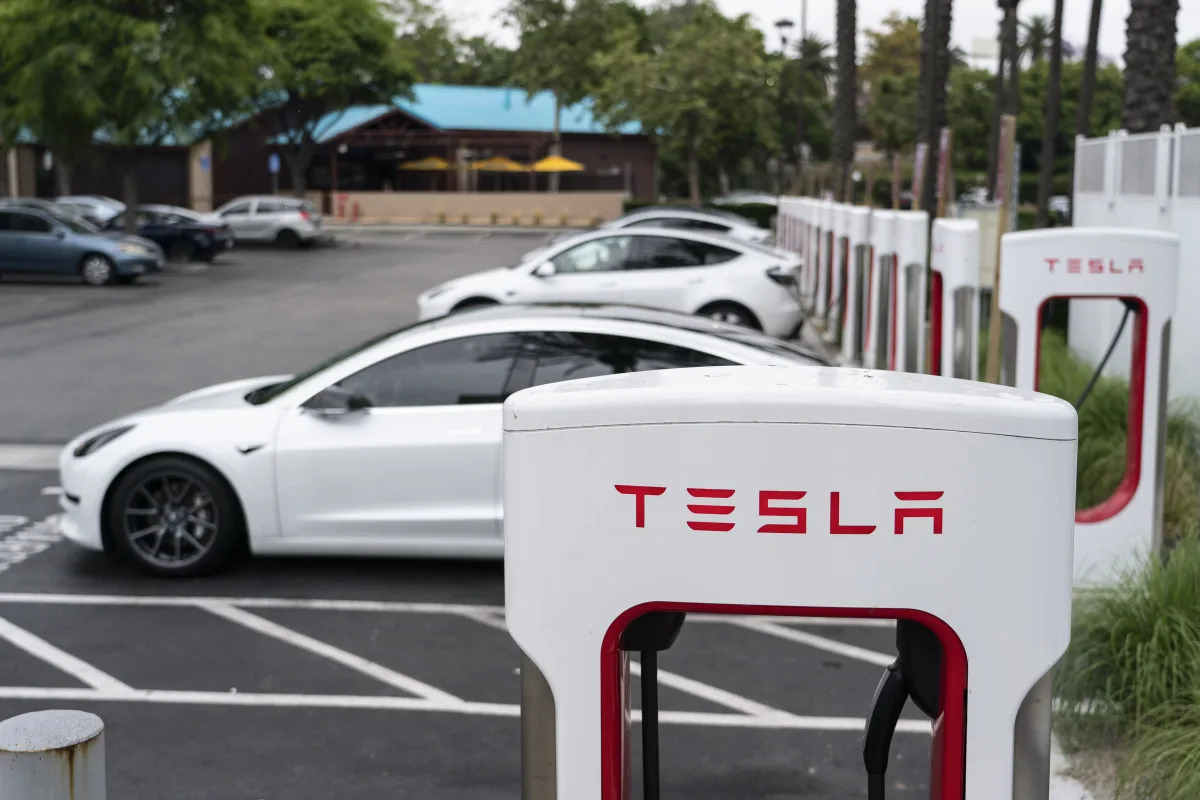
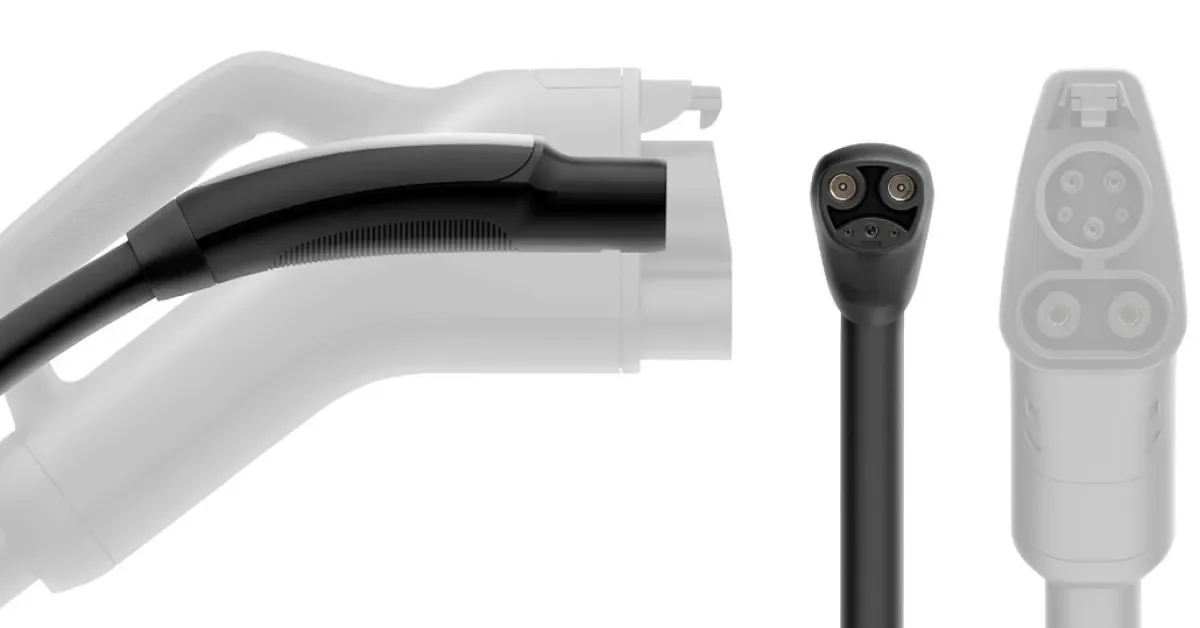
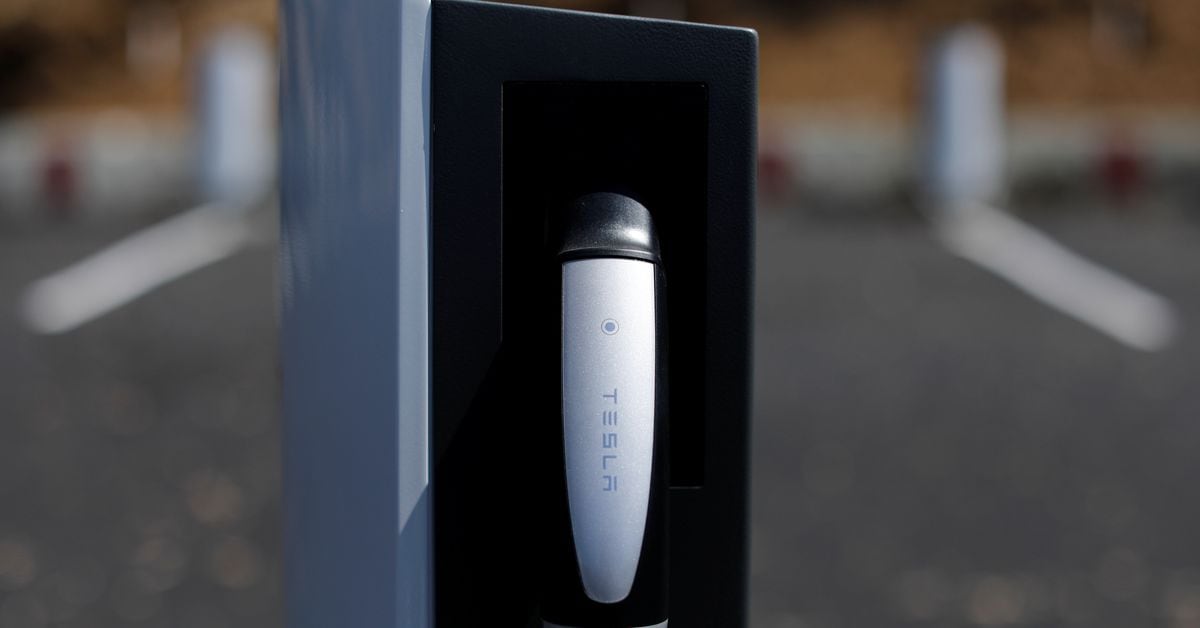
The White House is supporting an industry effort to standardize Tesla's electric vehicle (EV) charging plugs for all EVs in the United States, aiming to boost sales and combat climate change. Tesla's North American Charging Standard connector has been confirmed as a new standard by SAE International, allowing other automakers to use it and expand charging access. The move comes as President Joe Biden aims for 50% of new vehicle sales in the US to be electric by 2030. However, the transition to a standardized plug may cause confusion for existing EV owners, and some automakers are still investing in their own charging initiatives.
The White House is supporting an industry effort to standardize Tesla's electric vehicle (EV) charging plugs for all EVs in the United States. The move aims to stimulate EV sales and combat climate change. Tesla's North American Charging Standard connector has been confirmed as a new standard by SAE International, allowing other automakers to use it and expand charging access. The standardization could boost consumer confidence in EVs and help achieve President Biden's goal of having 50% of new vehicle sales be electric by 2030. However, the transition may cause confusion for existing EV owners, and some automakers are still investing in their own charging initiatives.
The adoption of digital car keys is on the rise, allowing users to lock, unlock, and start their vehicles from their smartphones. However, before this technology becomes widespread, issues such as the choice of technology (NFC, UWB, Bluetooth), security against hackers, and compatibility across different devices need to be addressed. To tackle these challenges, industry consortiums like the Car Connectivity Consortium (CCC) and FiRa Consortium are working together to create standards for digital keys. The goal is to ensure a seamless and secure user experience across all devices and vehicles. While there are concerns about security, the technology has been designed with cryptographic measures and secure elements to protect against hacking. Additionally, the technology is backward-compatible, allowing older phones to still access digital key features.
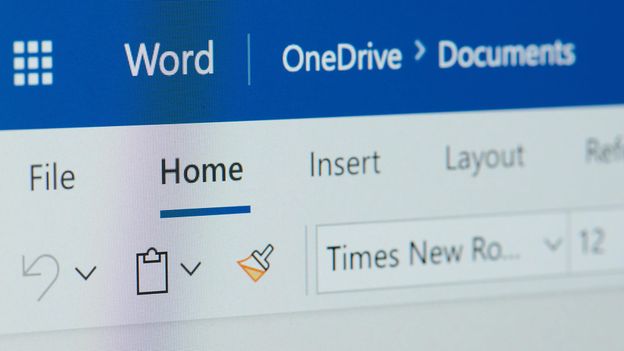
As Microsoft Word celebrates its 40th anniversary, its influence on language and communication evolution is explored. While Word was not the first word processor, its smart design choices made features like grammar tools and track changes accessible to a global audience. Word's templates standardized formatting in communications, contributing to professional conformity and the establishment of English as the global language of business. However, Word's spell-checker, grammar features, autocorrect, and predictive text promote uniformity and can unintentionally stifle unique voices and expressions. The software's standardization of language can also marginalize regional nuance and influence the dominance of American-English. While Word has improved accessibility and diversity in writing, there are concerns that an over-reliance on automation, particularly with the integration of AI, may hinder linguistic and written skills. The impact of Word on language and society will continue to evolve in the coming years.
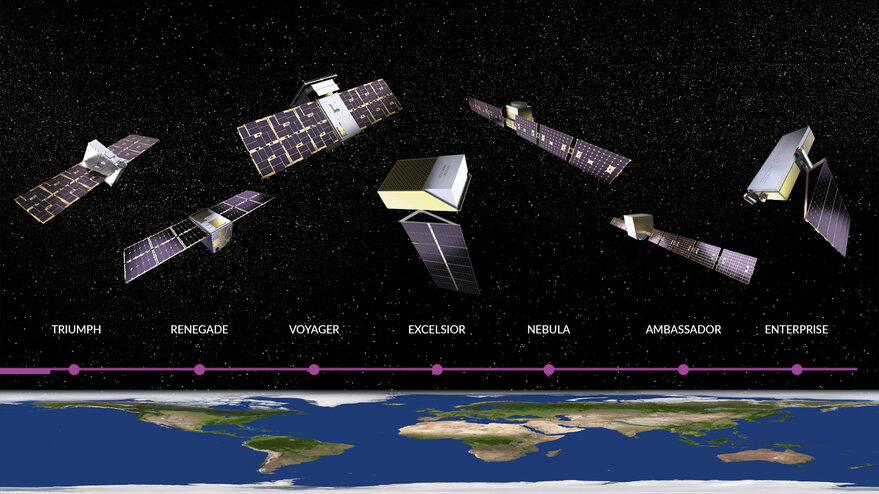
Terran Orbital has unveiled a family of seven standard satellite buses, ranging in weight from 14 to 1,000 kilograms. These buses feature interchangeable components and modules, making them payload agnostic and suitable for various missions such as communications, electro-optical, and synthetic aperture radar. The standardization of satellite buses aims to drive down costs and increase functionality by using standard components, while still offering fully custom platforms. Terran Orbital's new product line includes buses of different sizes, catering to different customer needs, including defense, intelligence, commercial, and research missions.
SAE International has announced that it will standardize the Tesla-developed North American Charging Standard (NACS) charging connector, following the switch from the SAE J1772 Combo charging standard. This decision comes after several automakers and charging equipment manufacturers expressed their intention to adopt the NACS connector design. SAE and CharIn will assist in making NACS a new standard, with the goal of providing certainty, expanded choice, reliability, and convenience to manufacturers and suppliers. The standardization process will ensure interoperability and address concerns such as voltage and vehicle-to-grid applications. The development of the SAE NACS connector standard will be expedited, potentially ready by 2025, and will be a priority alongside cybersecurity and reliability of charging infrastructure.
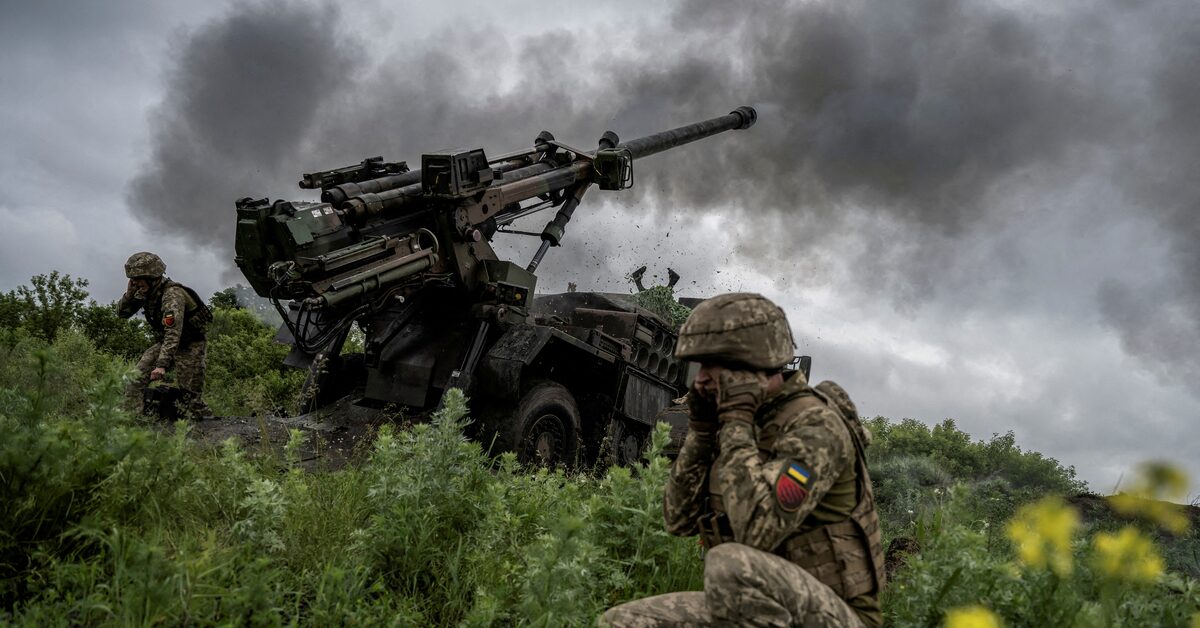
NATO defense ministers and leading arms-making companies are meeting to discuss increasing production and standardizing artillery shells as the war in Ukraine depletes stocks. The lack of common standards among manufacturers has hampered the flow of munitions supplies. Discussions will focus on ways to ramp up supplies of artillery shells, air defenses, and precision-guided deep-strike ammunitions. Standardization would be useful for 120mm tank rounds. The push for more standardization comes at a crucial time when defense companies can already see much bigger orders on the horizon as NATO is about to raise targets for how much munitions allies have to stockpile.
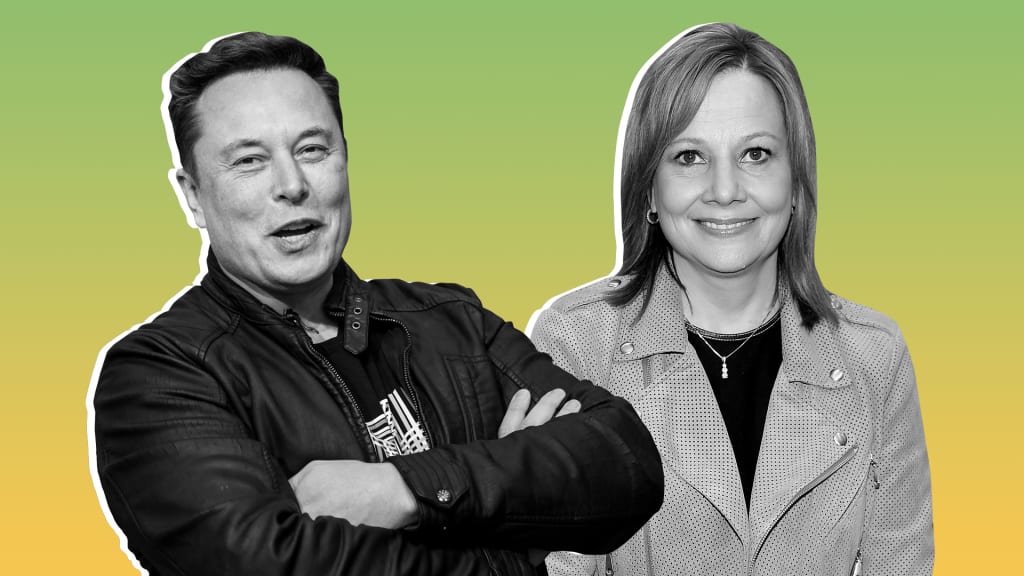
Tesla's Supercharger network will be made available to GM and Ford customers as part of a new agreement, which will also see the adoption of a standard for electric vehicle chargers across American manufacturers. The deal is good news for the entire EV industry, as it will improve charging infrastructure and encourage adoption of electric vehicles. Tesla will receive federal subsidies and revenue streams, but has committed to providing equal support to all vehicles using its charging network.
Tesla's North American Charging Standards (NACS) is becoming the new standard in North America for EV charging connectors, with GM and Ford on board. Quebec-based EV charging station company, Flo, has already announced it will offer NACS on its charging stations and "supports broader use" of the standard. EVgo had also announced it will add NACS connectors to its charging stations. The adoption of NACS is expected to eliminate confusion for EV drivers and increase reliability.
General Motors (GM) has announced that it will adopt Tesla's North American charging plug standard, giving GM electric-vehicle buyers access to the Tesla Supercharger network. This follows a similar decision by Ford, meaning three of the top EV sellers in the North American market have now agreed on a standard for charging hardware. The alliance among Tesla, Ford, and GM challenges the White House's direction for a rival "combined charging system" (CCS) standard, which is a requirement for federal subsidies for new charging stations. Tesla, GM, and Ford together account for about 70% of current U.S. EV sales.
Scientists in Switzerland have identified six distinct compounds that contribute to the unique flavor of fermented coffee, with three definitively identified as 2-methylpropanal, 3-methylbutanal, and ethyl 3-methylbutanoate, all associated with distinctive "raspberry notes with a hint of rose water." Understanding how the aromas are generated will help producers standardize their fermentation processes, which is currently largely done by trial and error, and could scale up the availability of fermented coffees with very unique, fruity, and delicious flavors.