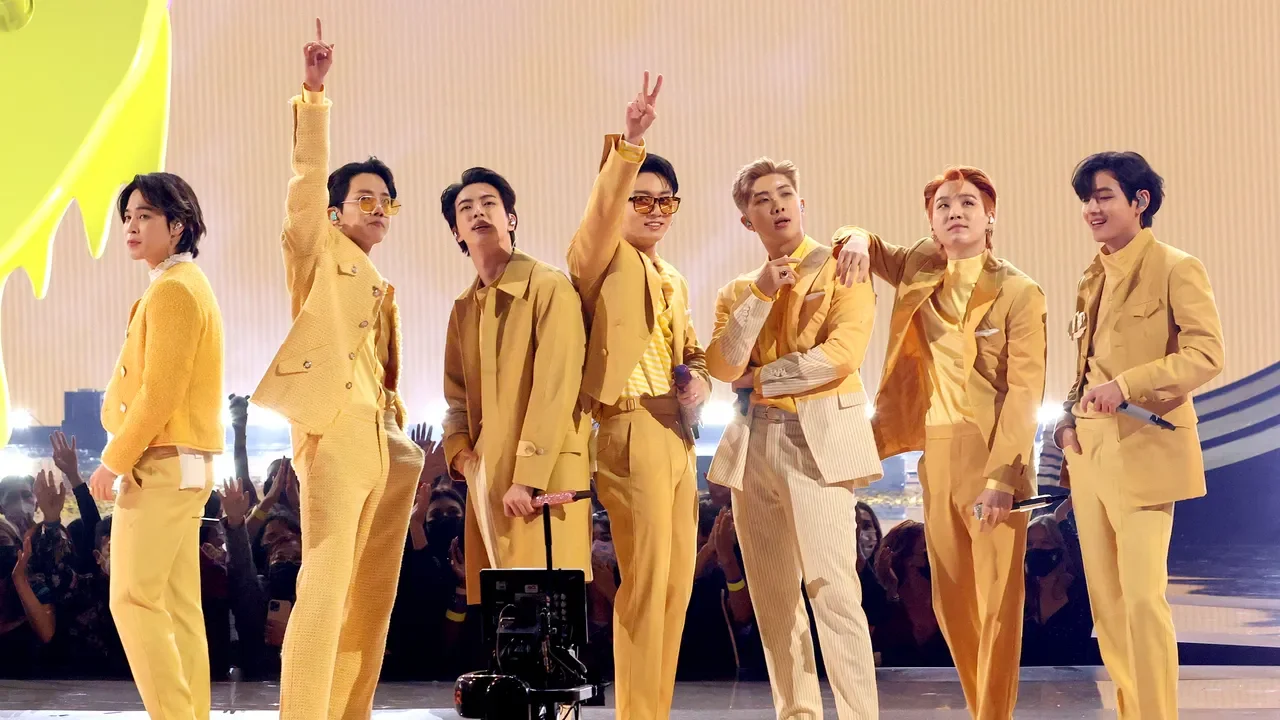
BTS announced a 79-show, five-continent stadium tour for 2026–27 to accompany their first new album in six years, dropping in March; the run kicks off in April in Goyang, South Korea and continues into 2027, with additional dates to be announced as the group resumes touring after its 2021 hiatus for mandatory military service.
The United Football League is shifting to smaller stadiums in new cities like Orlando, Columbus, and Louisville, aiming to create a more authentic and engaging fan experience, with plans to expand to 16 teams by the mid-2030s and position itself as a developmental league for the NFL.
The article outlines an ambitious and detailed plan for a 2025 college football road trip, visiting key stadiums and games across all FBS conferences, with specific rules to maximize experience and feasibility, including international games and iconic matchups throughout the season.
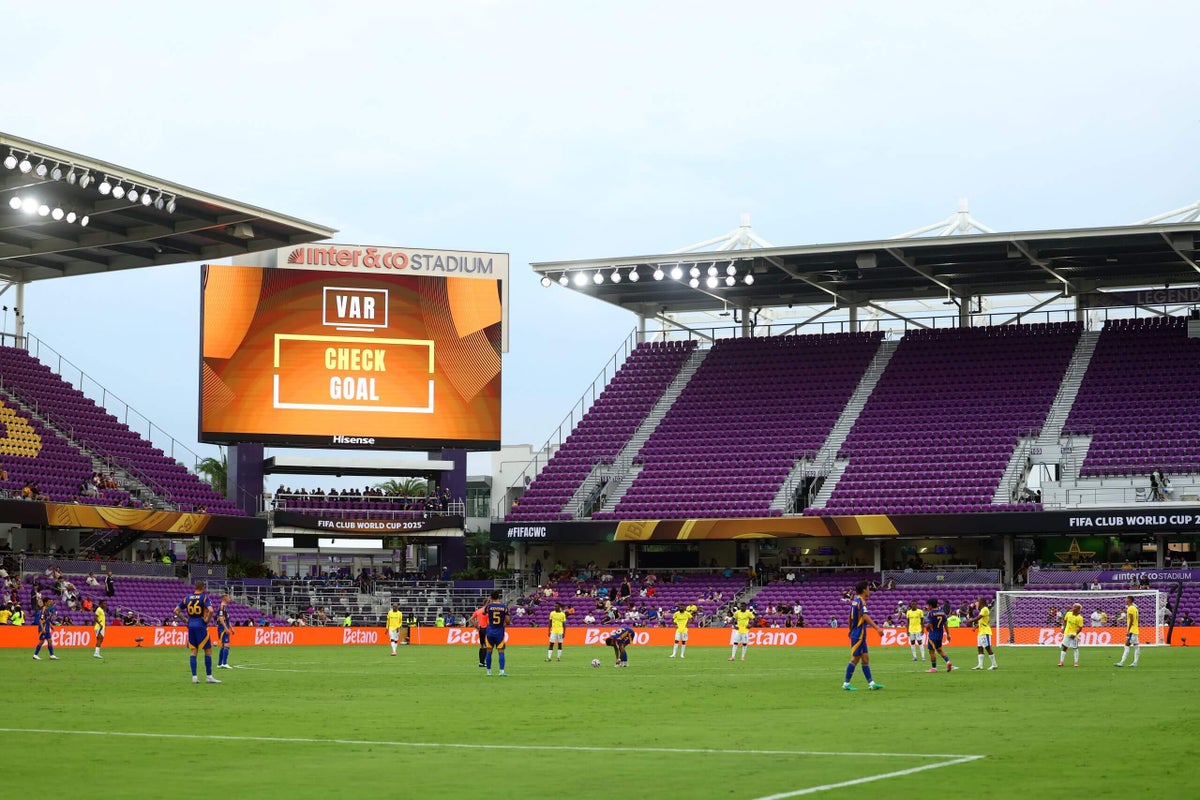
The 2025 FIFA Club World Cup in the U.S. has seen varied attendance figures, with the highest at 80,619 for PSG vs. Atletico Madrid and the lowest at 3,412 for Ulsan HD vs. Mamelodi Sundowns. Overall, the average attendance is 34,759, which is higher than previous editions but still lower compared to the 1994 World Cup in the U.S. The tournament's attendance has been influenced by stadium size, location, and team popularity, with FIFA hoping for increased crowds in the knockout stages.
The article clarifies that Pennsylvania Governor Josh Shapiro did not explicitly say that state money for stadium projects is unavailable, contrary to initial reports. A misinterpretation of his comments led to erroneous headlines, but the full transcript shows he emphasized caution with state funds amid federal budget concerns, without ruling out the possibility of state support for stadiums.
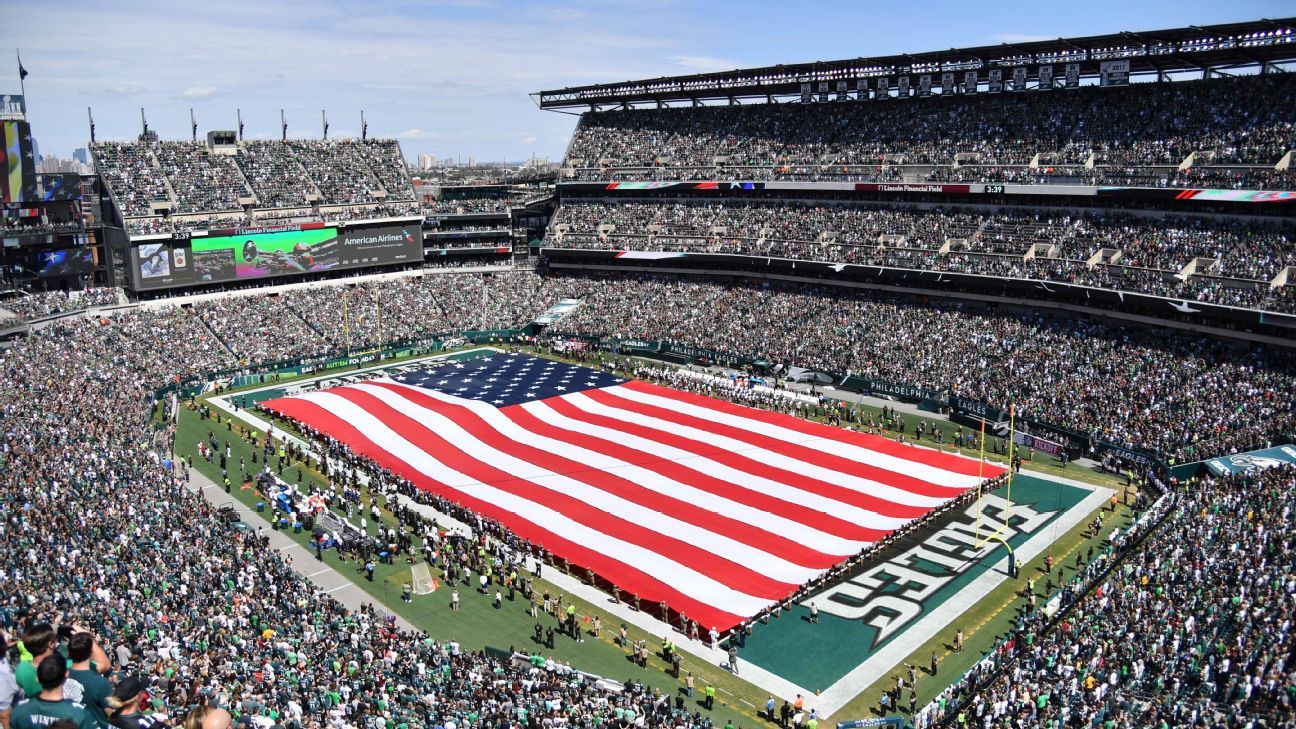
Pennsylvania Governor Josh Shapiro discussed potential collaborations with NFL teams and NASCAR, including stadium needs and possible races in Philadelphia, emphasizing ongoing dialogue and cautious budgeting amid economic concerns.
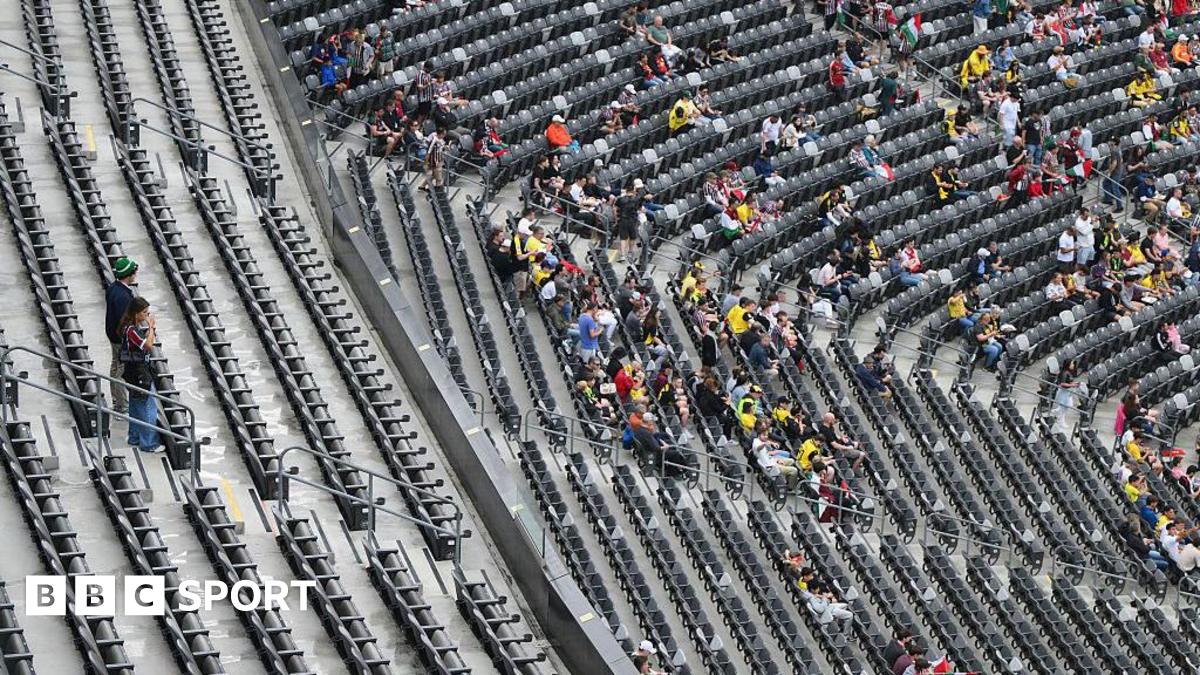
The opening round of the Club World Cup in the US has seen over 400,000 empty seats, with stadiums only 56.8% full on average, due to factors like scheduling during work hours and competition from the Gold Cup. Despite some high attendances in Miami and large ticket sales, overall attendance issues persist, raising concerns for the tournament's success ahead of the upcoming World Cup.
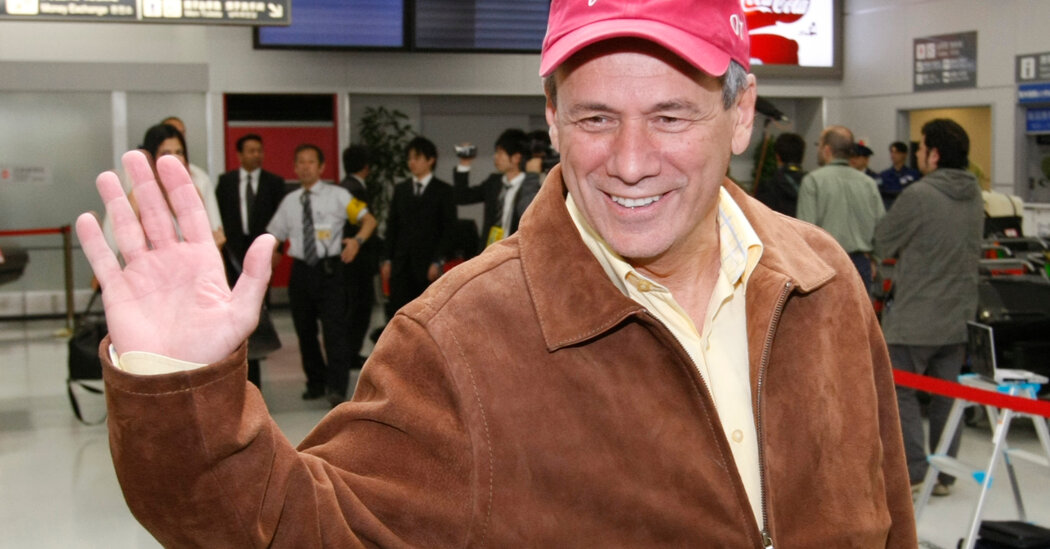
Larry Lucchino, a top executive at three M.L.B. teams, including the Baltimore Orioles, San Diego Padres, and the Boston Red Sox, has passed away at the age of 78. He was known for overseeing the construction of modern stadiums like Oriole Park at Camden Yards and Petco Park, as well as preserving Fenway Park. Lucchino's leadership with the Red Sox resulted in three World Series championships and significant improvements to Fenway Park, solidifying his legacy in baseball.
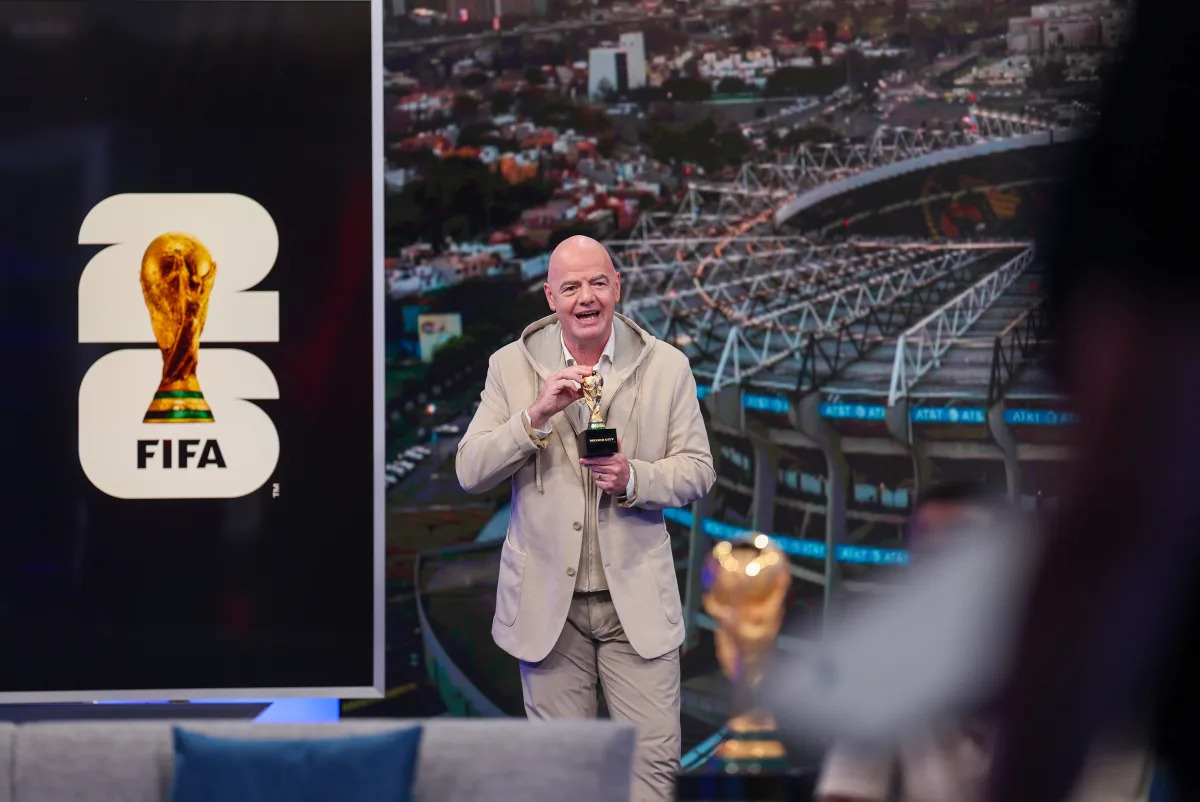
FIFA has revealed key details about the 2026 World Cup schedule, including the opening and closing dates, host cities, and stadiums. The tournament will feature 104 games, with the U.S. hosting 78, and Canada and Mexico hosting 13 each. The schedule is complex, with details such as team placements and kickoff times to be determined after the 2026 World Cup draw in December 2025. The tournament will kick off on June 11, 2026, with games in Mexico, followed by Canada and the U.S. playing their openers on June 12. The schedule will feature a 48-team format and will be the longest and busiest group stage in World Cup history.
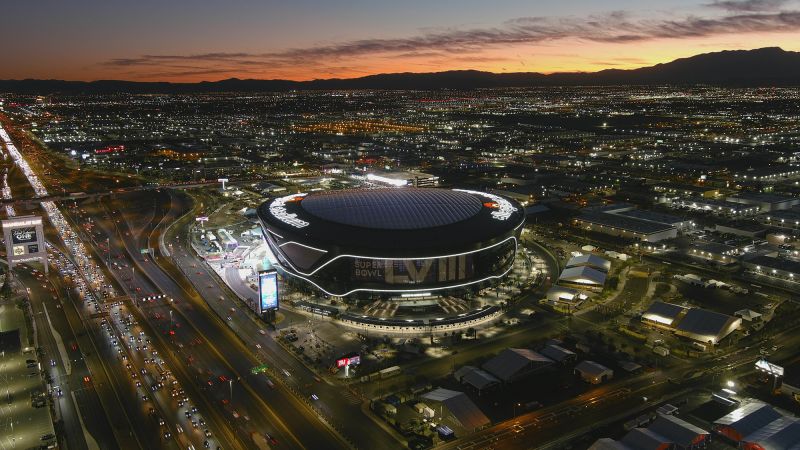
Ticket prices for sporting events have surged, with the cheapest Super Bowl ticket priced at over $9,000, reflecting a 15% year-over-year increase in ticket prices for sports. This surge has been driven by limited seat supply, increased competition among those with disposable income, dynamic pricing on ticket-resale platforms, and the construction of new stadiums with more luxury suites and premium seats. As a result, attending a game in person has become a luxury, with teams prioritizing revenue from a few wealthy patrons over filling stadiums with more affordable seats.
The 2024 Copa America will be held in 14 stadiums across 10 regions in the United States, with the opening match at the Mercedes-Benz Stadium in Atlanta and the final at the Hard Rock Stadium in Miami Gardens. The tournament will feature 32 matches with 16 teams, including 10 from CONMEBOL and six from CONCACAF. The schedule includes group stage matches in various cities, including Arlington, Atlanta, and Inglewood. CONMEBOL and CONCACAF officials expressed excitement about co-hosting the event and the opportunity to showcase world-class stadiums and passionate fans.
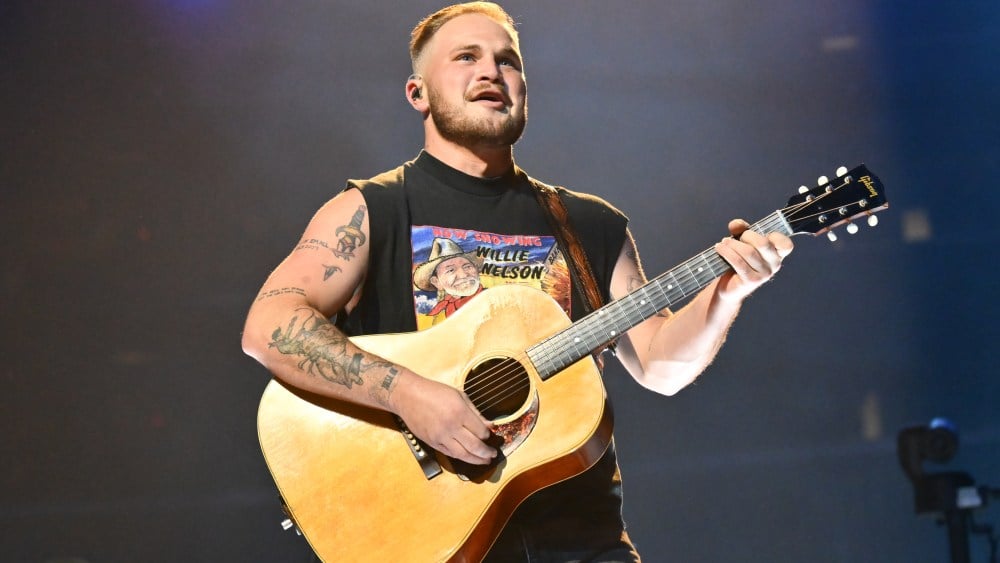
Singer-songwriter Zach Bryan has announced the "Quittin Time Tour" for 2024, which will span 10 months and include performances in arenas and stadiums across the United States. The tour will feature opening acts such as Jason Isbell and the 400 Unit, Sheryl Crow, Turnpike Troubadours, Sierra Ferrell, the Middle East, Matt Maeson, and Levi Turner. Despite the extensive tour length, some major markets are missing from the itinerary, suggesting that additional dates may be added later. The tour is being promoted by AEG Presents, and Bryan continues to avoid using Ticketmaster for ticket sales.
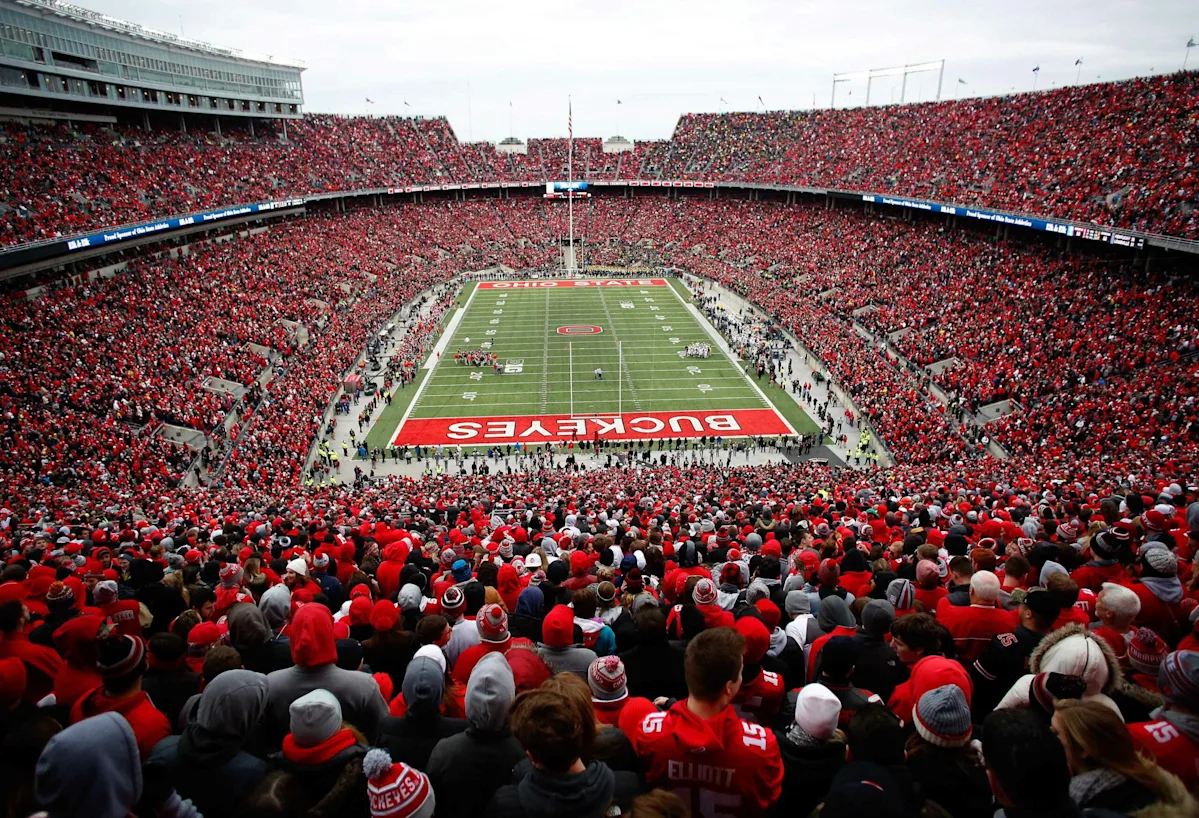
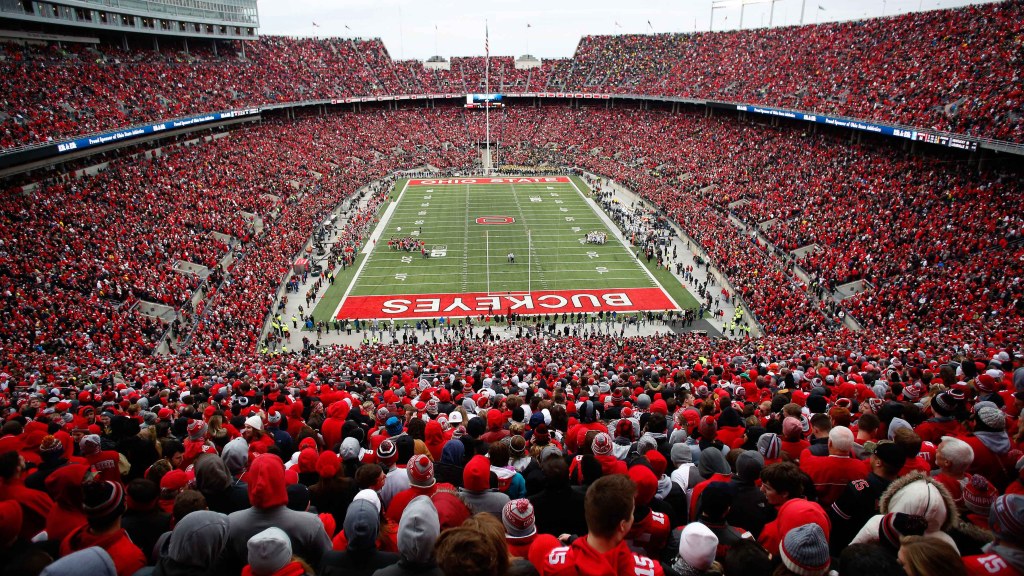
With the Oregon Ducks joining the Big Ten in 2024, they will be visiting some of the largest football stadiums in college football, including Autzen Stadium. The Big Ten is known for its impressive venues, creating a unique atmosphere on game days.
Autzen Stadium, home of the Oregon Ducks, will be one of the smaller stadiums in the Big Ten conference when the Ducks join in 2024. With a capacity of 54,000, it is smaller than many of its Big Ten counterparts. However, the unique atmosphere and traditions at Autzen, such as the "Shout," contribute to an environment that feels much larger than its capacity suggests. Other Big Ten stadiums range in capacity from 47,130 to 107,601, with Beaver Stadium and Michigan Stadium being the largest.
MLB Commissioner Rob Manfred tries to backtrack on his recent comments about the Oakland A's relocation to Las Vegas, claiming they were taken out of context. However, he still believes that support for a team includes paying for its stadium and that Oakland didn't try to keep the A's in town. The article argues that owners and commissioners believe they're entitled to have someone else pay for their stadiums, and that the best outcome would be the creation of a national consensus that there will be no taxpayer money for sports arenas.