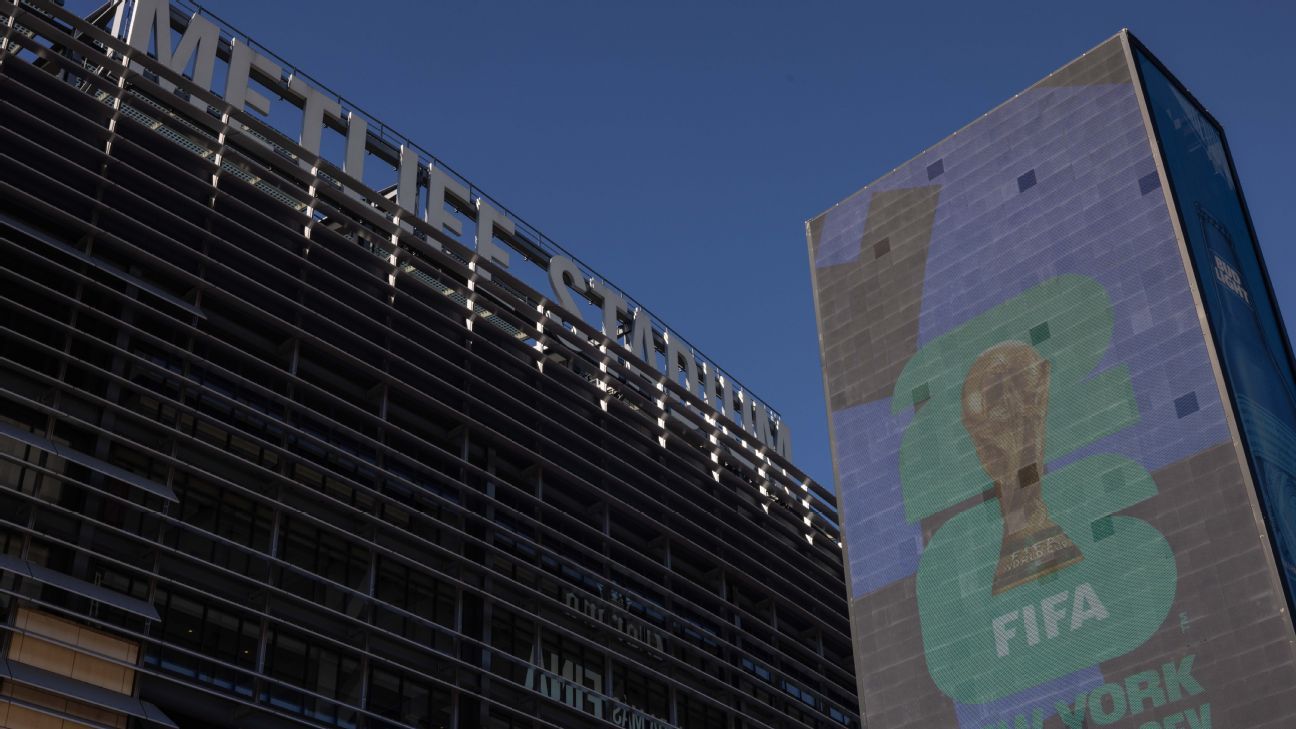
Fifa is returning to video games in 2026 after a four-year hiatus, with Netflix securing the rights to develop and publish the new game, which will be accessible via mobile devices and TVs, marking a significant shift in the franchise's history and aiming to reach a global audience ahead of the 2026 World Cup.
FIFA announced a new $60 ticket tier for the 2026 World Cup to address affordability concerns amid high demand, but many fans remain skeptical about securing these tickets due to limited availability and high prices for other tiers.
FIFA has introduced a new $60 ticket category for the 2026 World Cup to address backlash over high prices, offering around 1,000 tickets per game for supporters of participating teams, but critics argue the measure is insufficient and excludes many fans, especially those with disabilities.
FIFA's plans for the 2026 World Cup include exorbitant ticket prices, variable pricing based on demand, and the introduction of NFT vouchers for ticket purchases, all of which are causing widespread criticism and calls for a boycott due to their greed and exploitative nature.
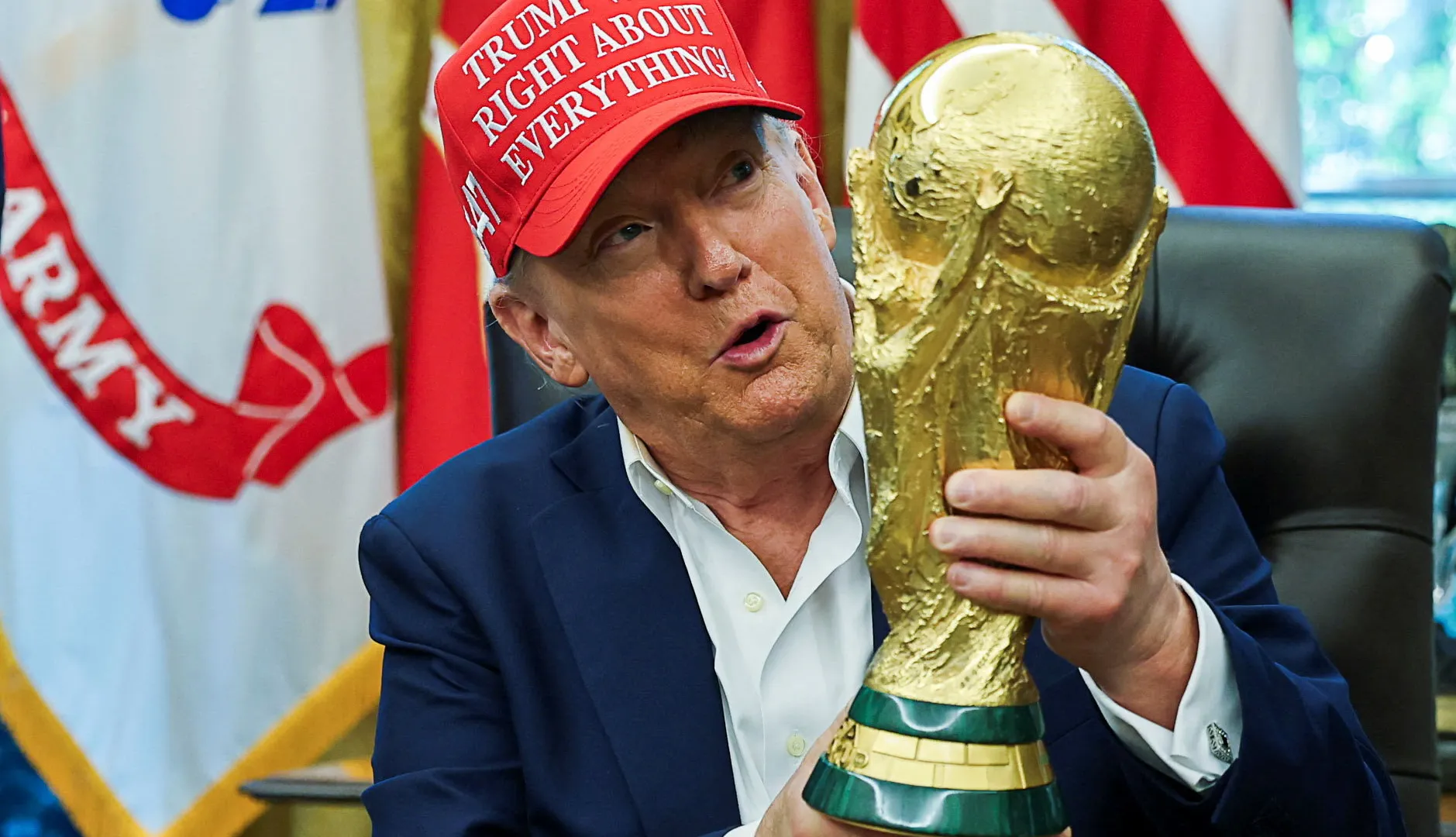
President Trump suggested relocating the 2026 FIFA World Cup matches from certain US cities like Seattle and San Francisco if he deems them unsafe, citing concerns over local governance and safety, and emphasizing that FIFA would oversee any site changes.
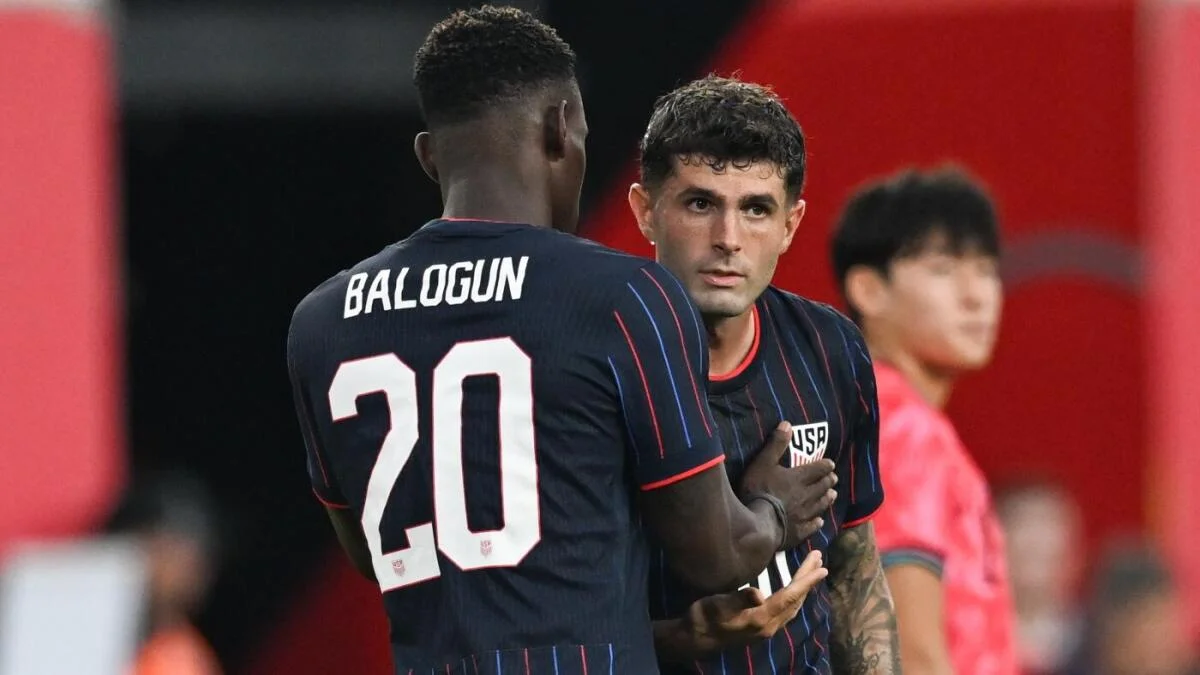
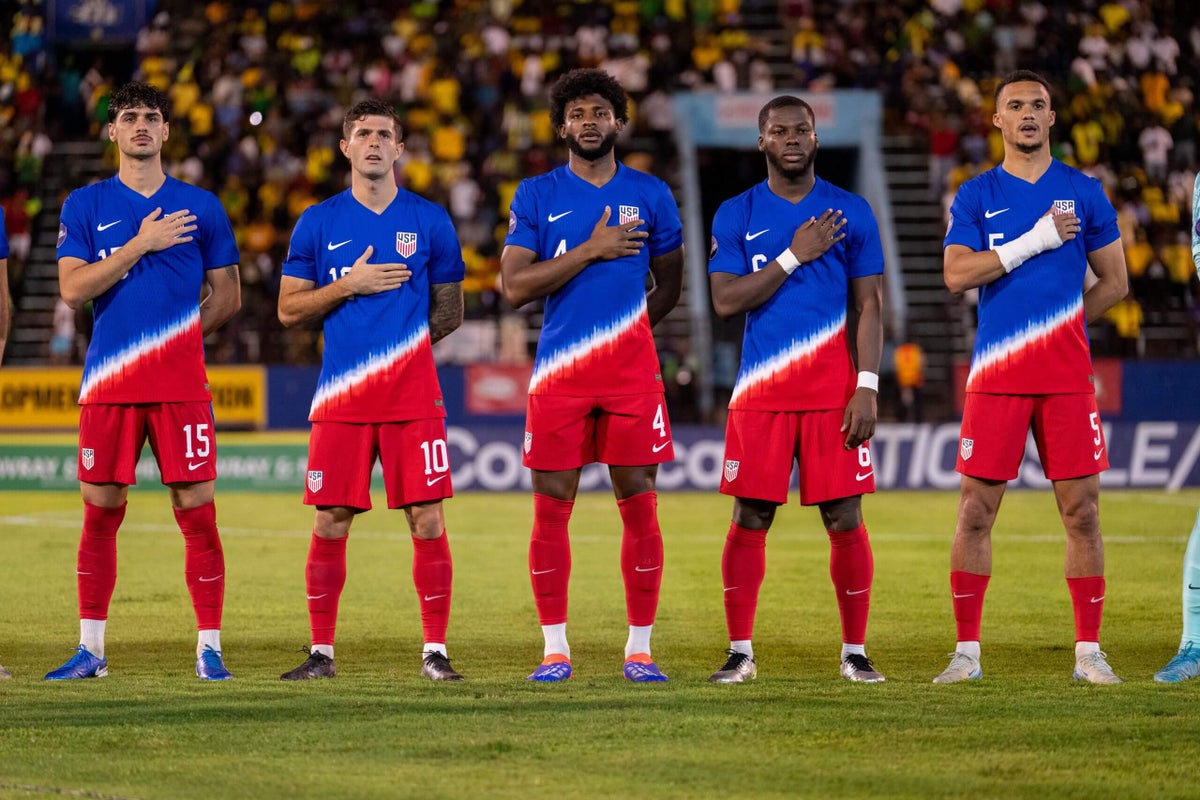
The US men's national soccer team is playing a crucial friendly against 17th-ranked Japan in Columbus, aiming to build momentum ahead of the 2026 World Cup. The match features tactical adjustments, including a back three formation, and highlights players like Balogun and Pulisic. The US team leads 2-0 at halftime, with ongoing substitutions and strategic changes as they prepare for upcoming qualifiers.
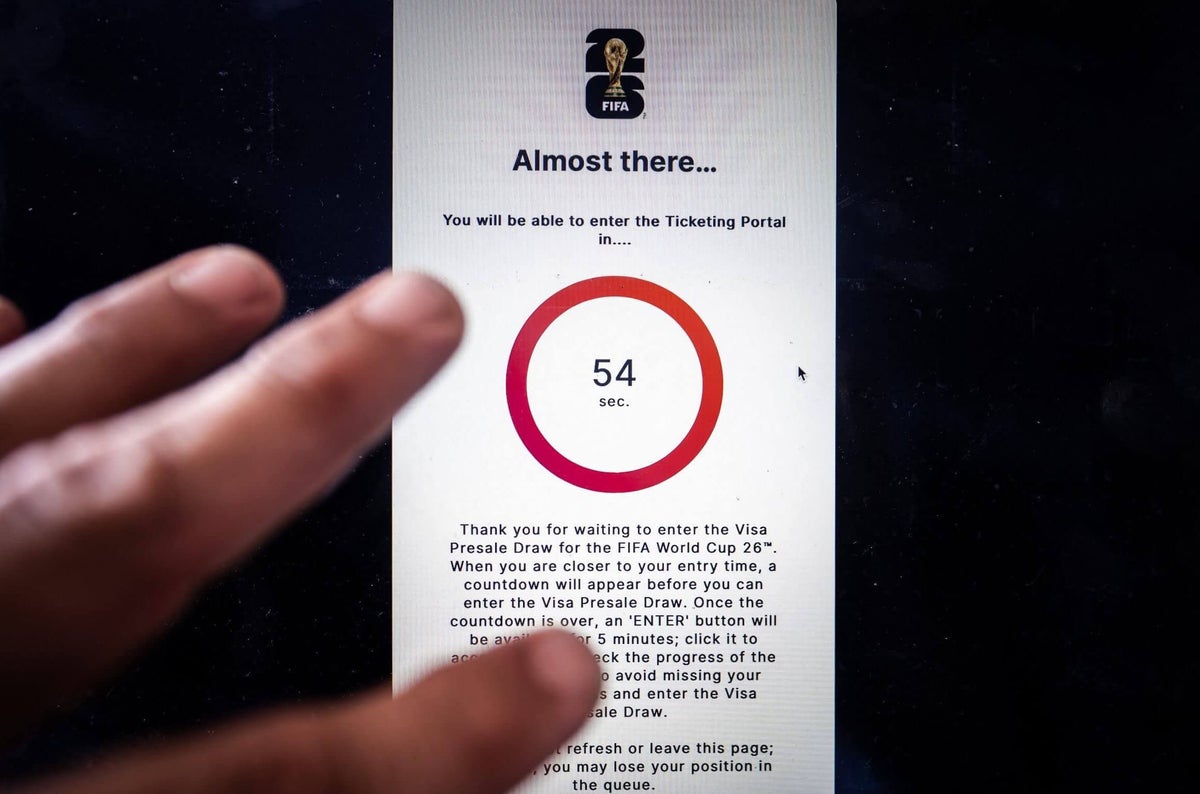
Fifa announced that tickets for the 2026 World Cup will start at $60 with dynamic pricing, meaning prices may increase based on demand, and will no longer be categorized by seat location but by stadium level, aligning with North American norms. Ticket sales begin on September 10 for Visa cardholders, with prices fluctuating throughout the sales process.
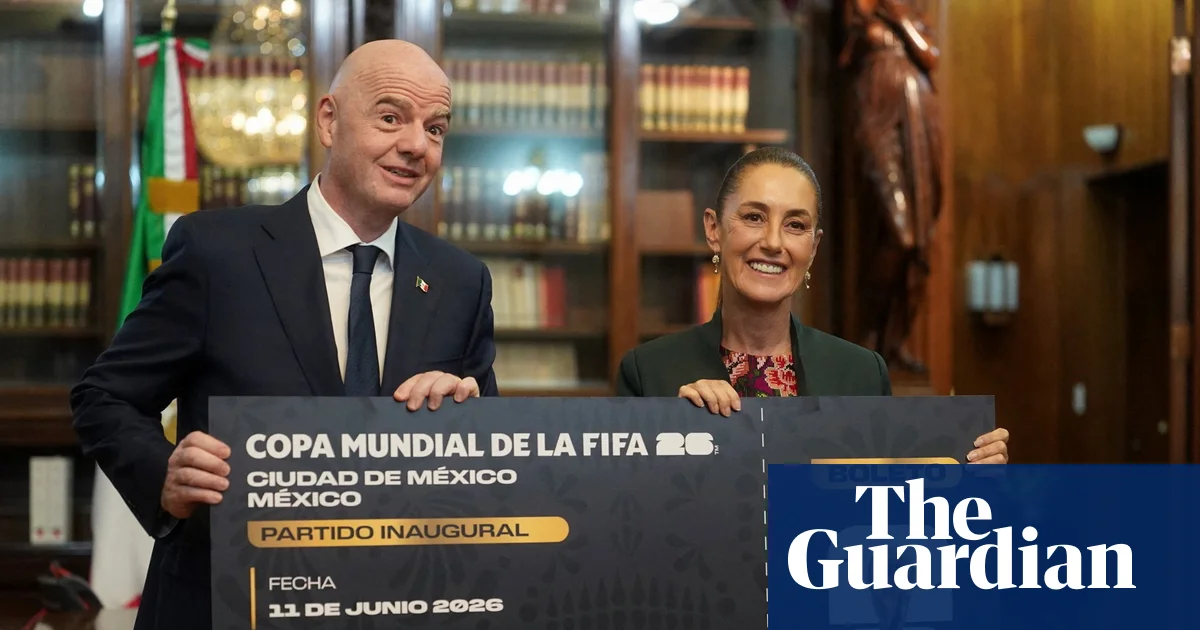
FIFA announced that ticket prices for the 2026 World Cup will use dynamic pricing based on demand, with initial prices ranging from $60 to $6,710. Fans can register for a presale draw from September 10-19 using a Visa card and FIFA ID, with selected fans able to purchase tickets starting October 1. The tournament will be held in the US, Canada, and Mexico from June 11 to July 19, 2026, with tickets available in multiple phases leading up to the event.
MLS commissioner Don Garber indicated that Major League Soccer is considering a major schedule change to align with the FIFA International Match calendar, potentially as soon as the 2026 World Cup, to improve international compatibility and boost domestic viewership.
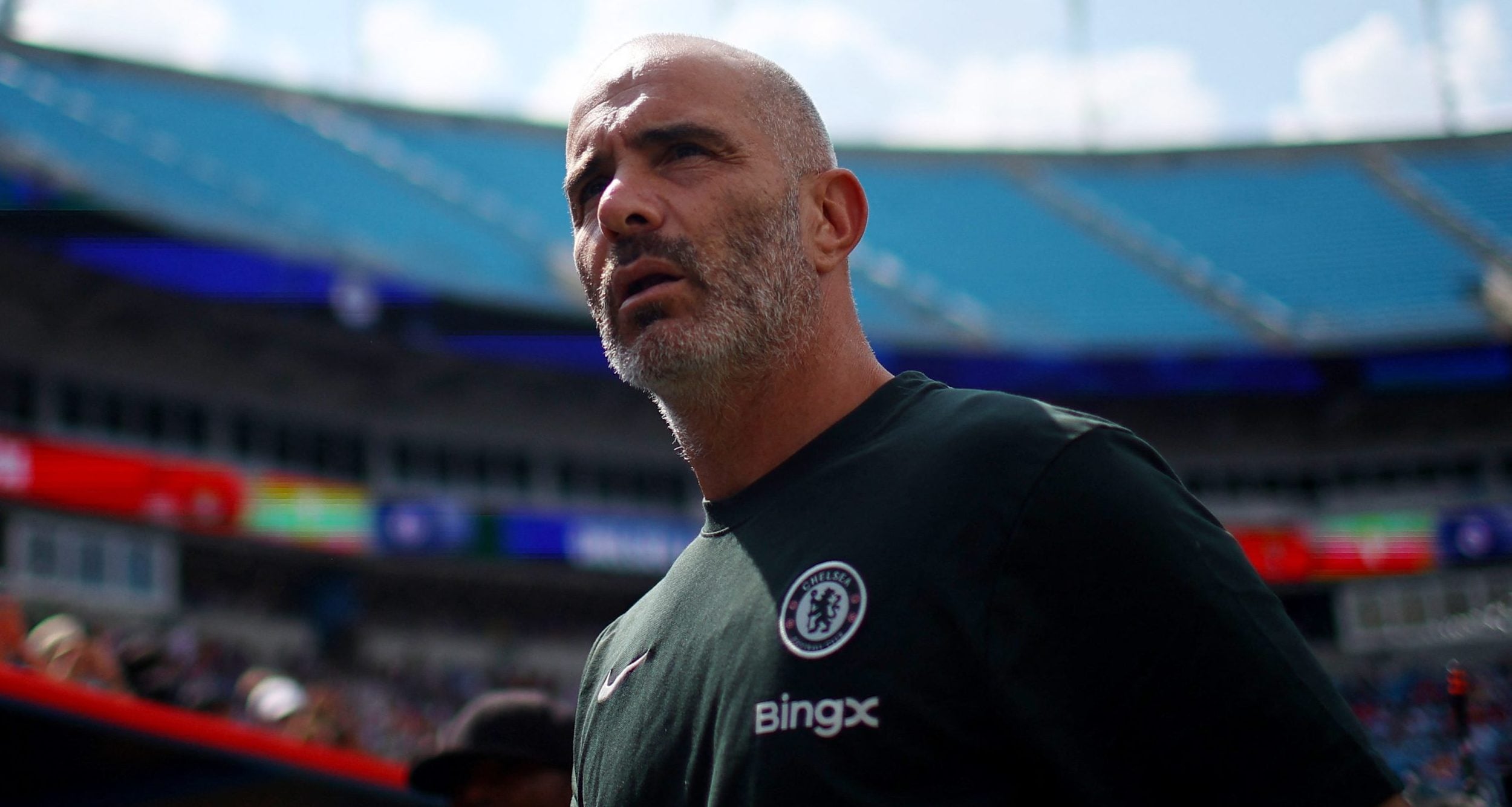
Chelsea's coach raised concerns about severe weather impacting the 2026 World Cup, citing recent match suspensions due to thunderstorms and highlighting that most stadiums lack roofs, which could lead to delays and controversies during the tournament.
One year before the 2026 World Cup, the US men's national team faces a competitive and uncertain path with key positions like goalkeeper, fullback, and striker still open for competition, highlighting the need for squad depth and development under coach Pochettino.
With the 2026 World Cup a year away, early predictions suggest Canada might make a deep run, weather conditions will significantly impact teams, Mbappe is poised to surpass Messi and Ronaldo as the top scorer, and traditional giants like Brazil, Germany, and Italy may struggle, while dark horse teams like Norway, Japan, and South American nations could surprise.
With the 2026 World Cup a year away, the US men's national team is struggling, having lost four consecutive games and showing signs of disarray under coach Mauricio Pochettino, raising concerns about their readiness and direction for the tournament.
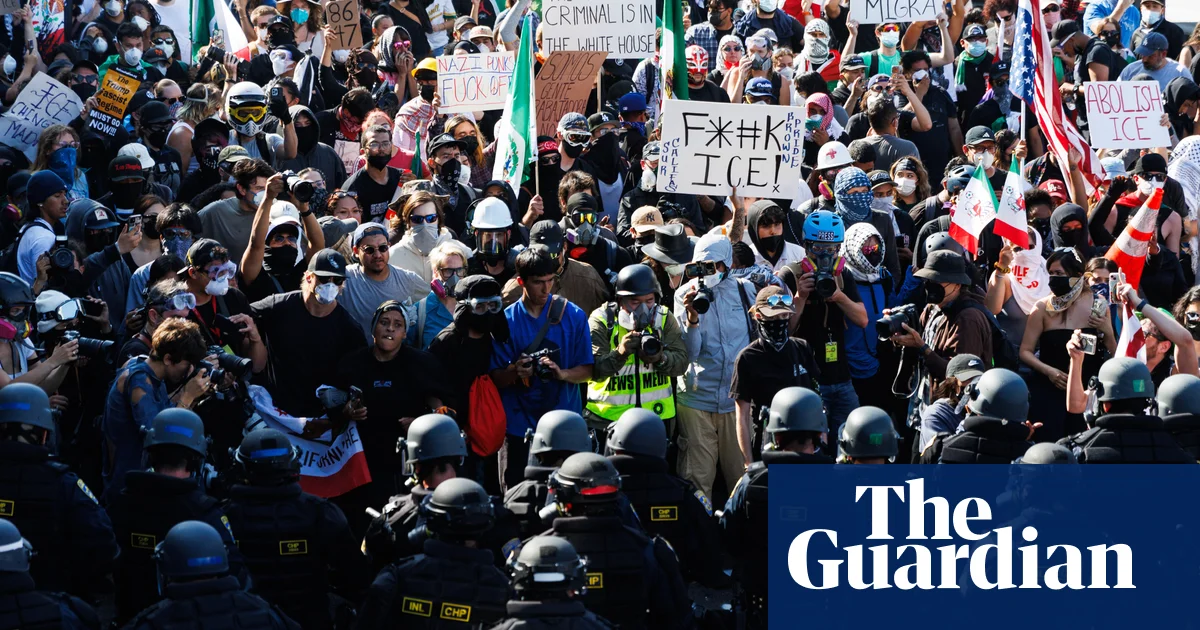
Executives from US host cities for the 2026 World Cup expressed concerns over immigration enforcement actions, such as ICE raids, which create uncertainty around hosting international visitors amid slow visa processing and travel bans, but they remain committed to welcoming fans and ensuring a successful tournament.
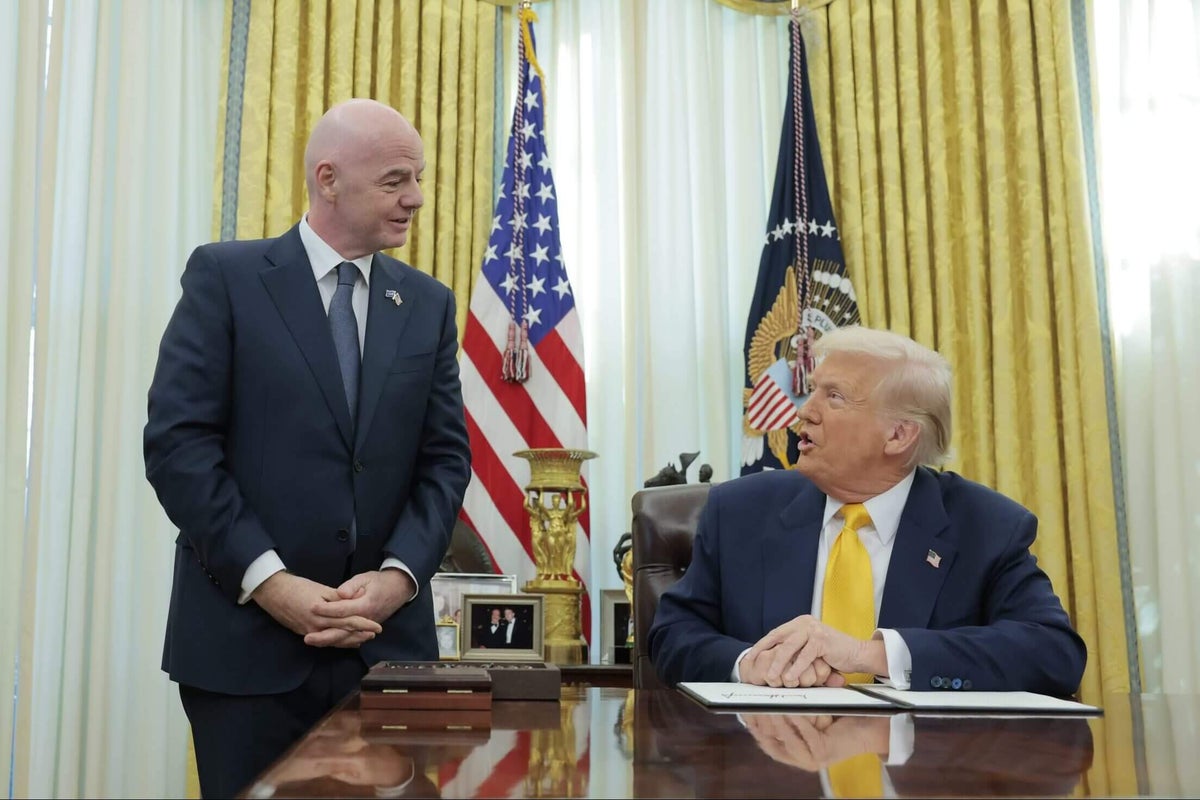
U.S. President Donald Trump signed a travel ban affecting 12 countries, complicating FIFA's plans for the 2026 World Cup in North America, and challenging Gianni Infantino's vision of an inclusive global tournament.