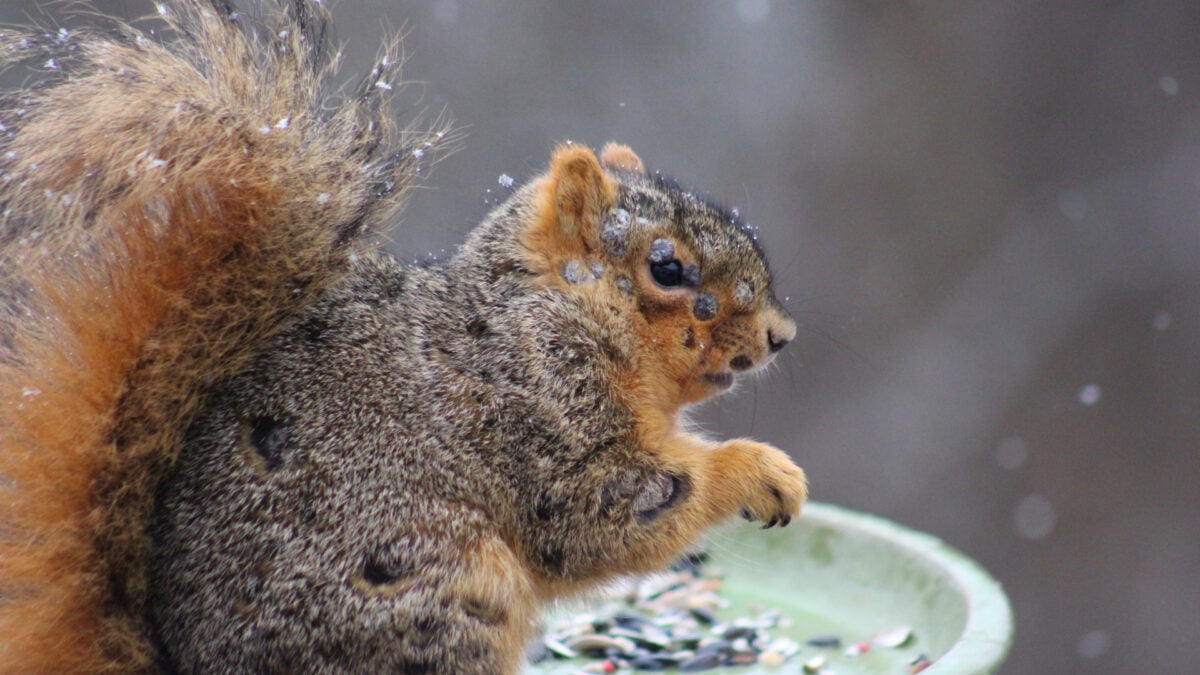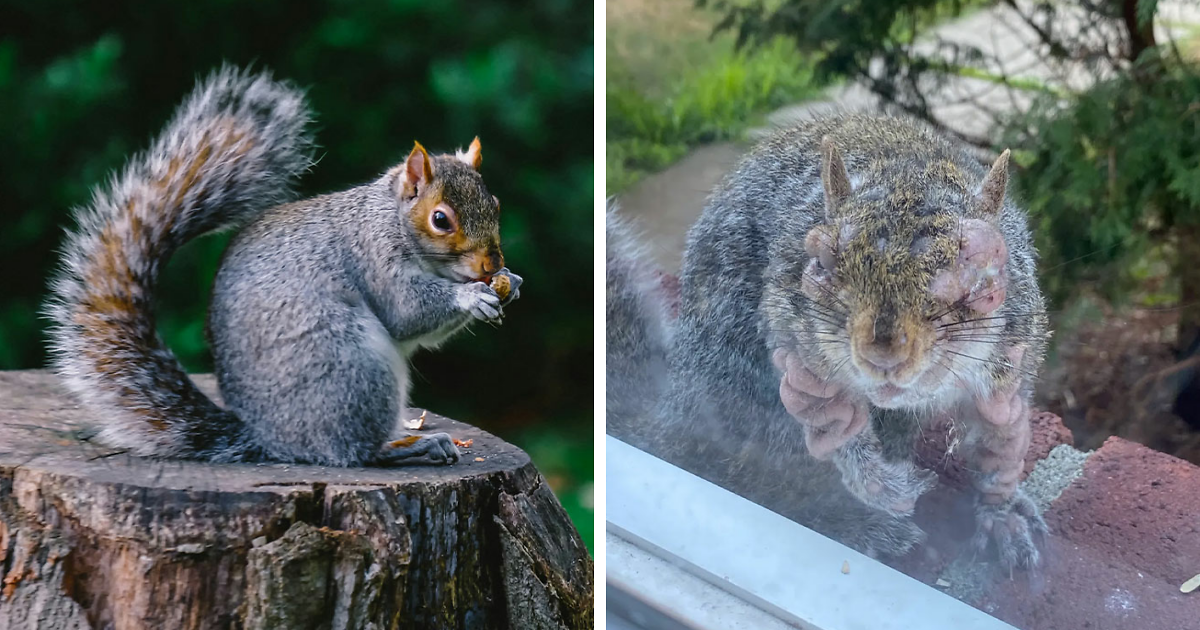
People in Canada and the U.S. are seeing 'zombie' squirrels with tumors caused by the squirrel fibroma virus (SFV), a benign poxvirus that mainly affects squirrels and rabbits. The virus, spread by insects and contact, causes skin fibromas but generally doesn't harm the squirrel population or pose a threat to humans, and infected squirrels are safe to eat. The appearance of these infected squirrels has led to concerns, but the disease is typically self-limiting.
An animal rescue in Virginia warns against attempting to help squirrels infected with botflies, as their larvae cause visible lumps and require expert removal to prevent health risks, emphasizing that only trained professionals should handle such cases.
Reports of disfigured squirrels affected by squirrel pox, a virus causing wart-like growths, have increased in North America. Experts suggest the disease spreads mainly through mosquito bites and human feeding practices, though it is generally not fatal and animals often recover. The condition is species-specific, posing minimal risk to humans and pets, but highlights concerns about wildlife health and human impact on animal populations.
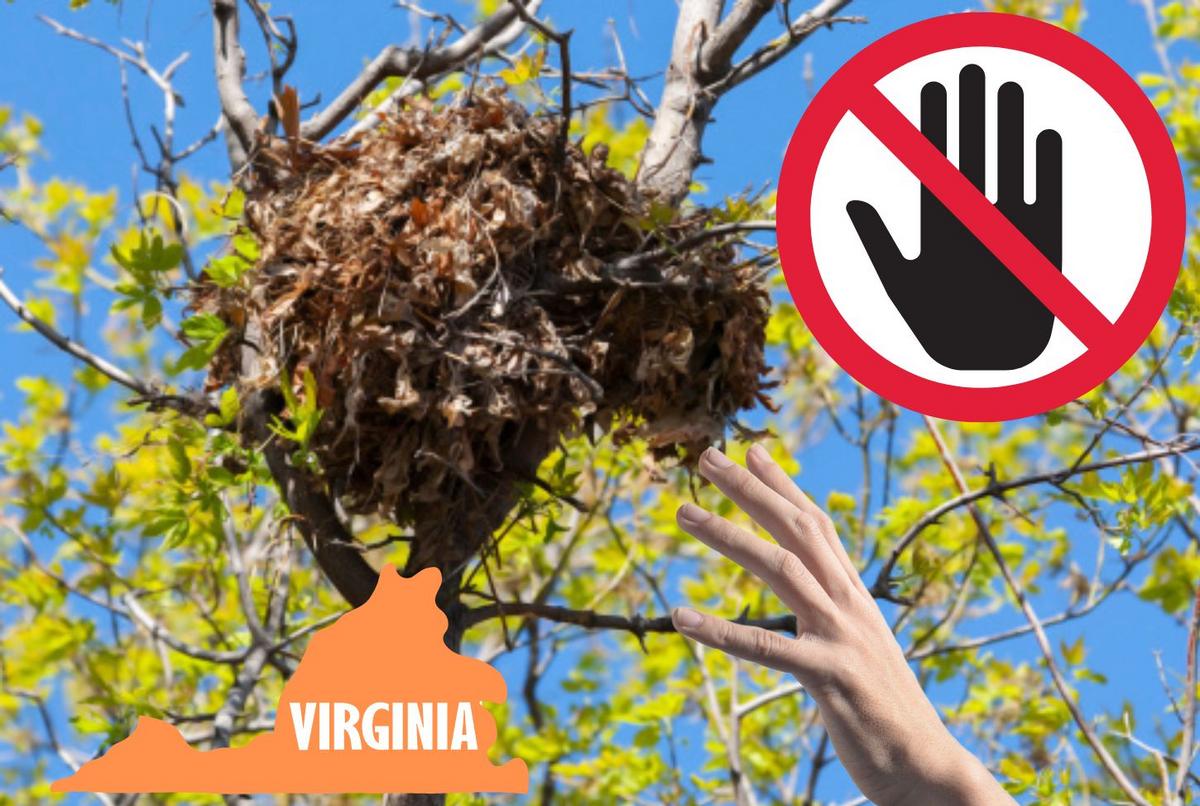
In Virginia, those leafy bundles in trees are not bird nests but rather dreys, which are shelters crafted by squirrels using twigs, leaves, and bark. These structures serve as secure homes for squirrels to sleep, raise their young, and evade predators. It's important to leave dreys undisturbed to avoid harming the squirrels or their offspring, and to coexist peacefully with wildlife, residents can take steps to make their homes less attractive to squirrels and respect the boundaries between human and animal spaces.
Squirrels, often seen as pests, actually play important roles in ecosystems by dispersing seeds and serving as food for predators. To peacefully coexist with them, homeowners can take steps such as sealing entry points, using natural repellents in gardens, and embracing their presence at bird feeders. Experts emphasize the need to understand and appreciate squirrels' adaptability and intelligence, and to recognize the value they bring to the environment.
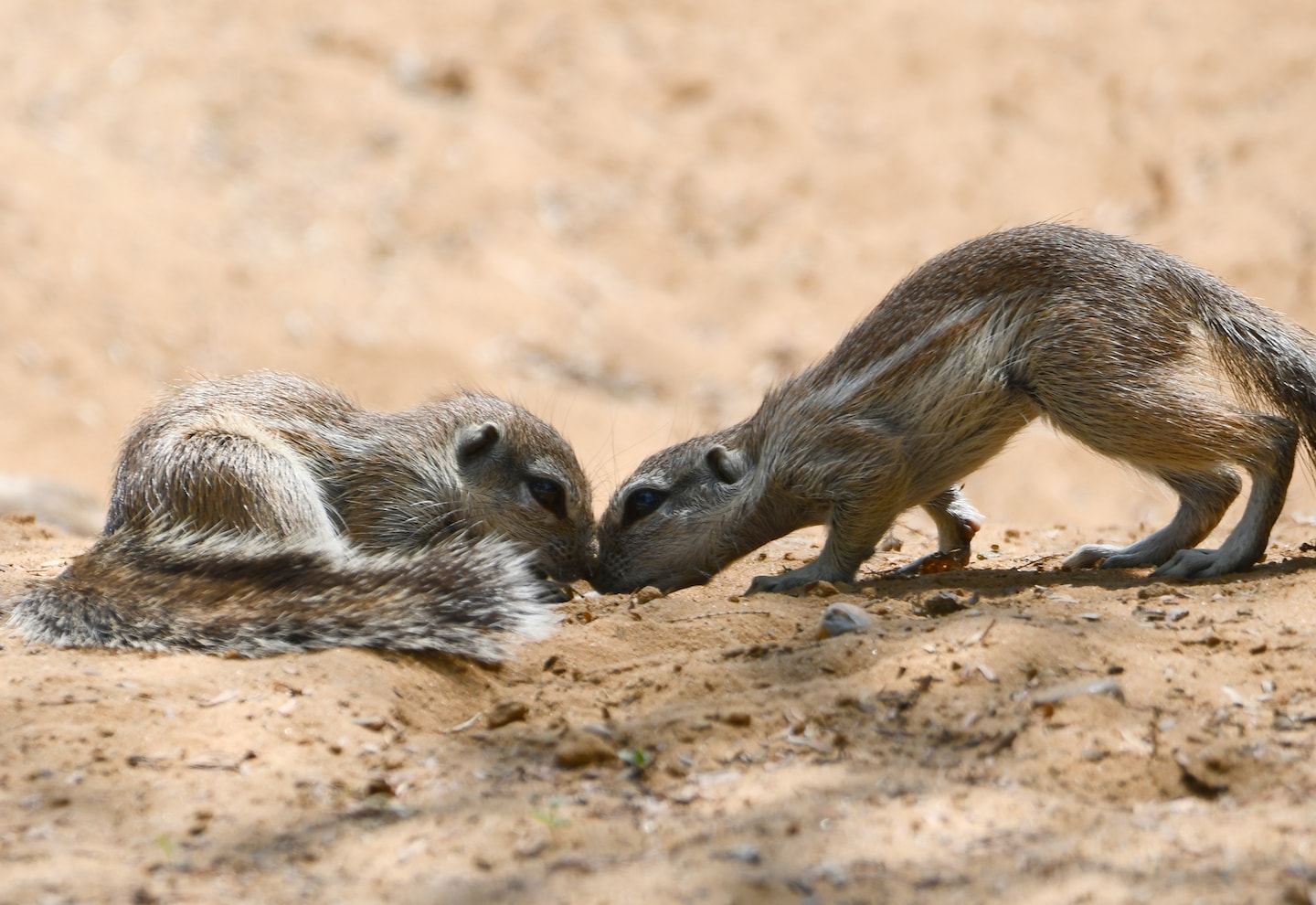
University of Manitoba researchers studying Cape ground squirrels in South Africa and Richardson's ground squirrels in Canada have found that climate change is affecting the animals' biology and behavior. Rising temperatures have caused the South African squirrels to have smaller spines and larger feet, while a temperature spike in Canada caused male squirrels to be unable to breed. The researchers warn that these changes could have wider impacts on the ecosystems in which the squirrels live.