Tag

Spiderweb Protocluster

All articles tagged with #spiderweb protocluster

James Webb Telescope Reveals Ancient Galactic 'City' in Spiderweb Cluster

Originally Published 1 year ago — by SciTechDaily

Featured image for James Webb Telescope Reveals Ancient Galactic 'City' in Spiderweb Cluster
Source: SciTechDaily

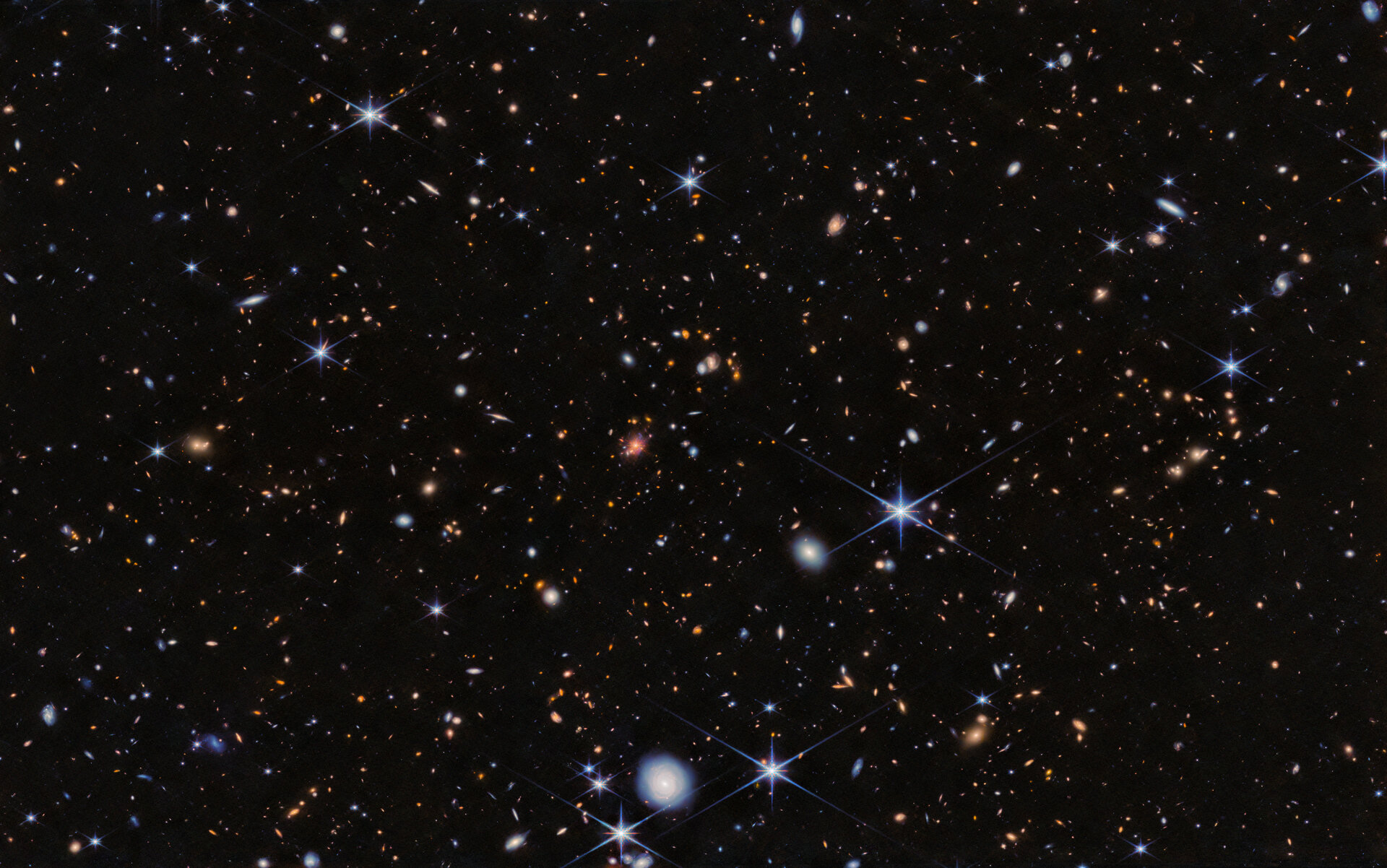
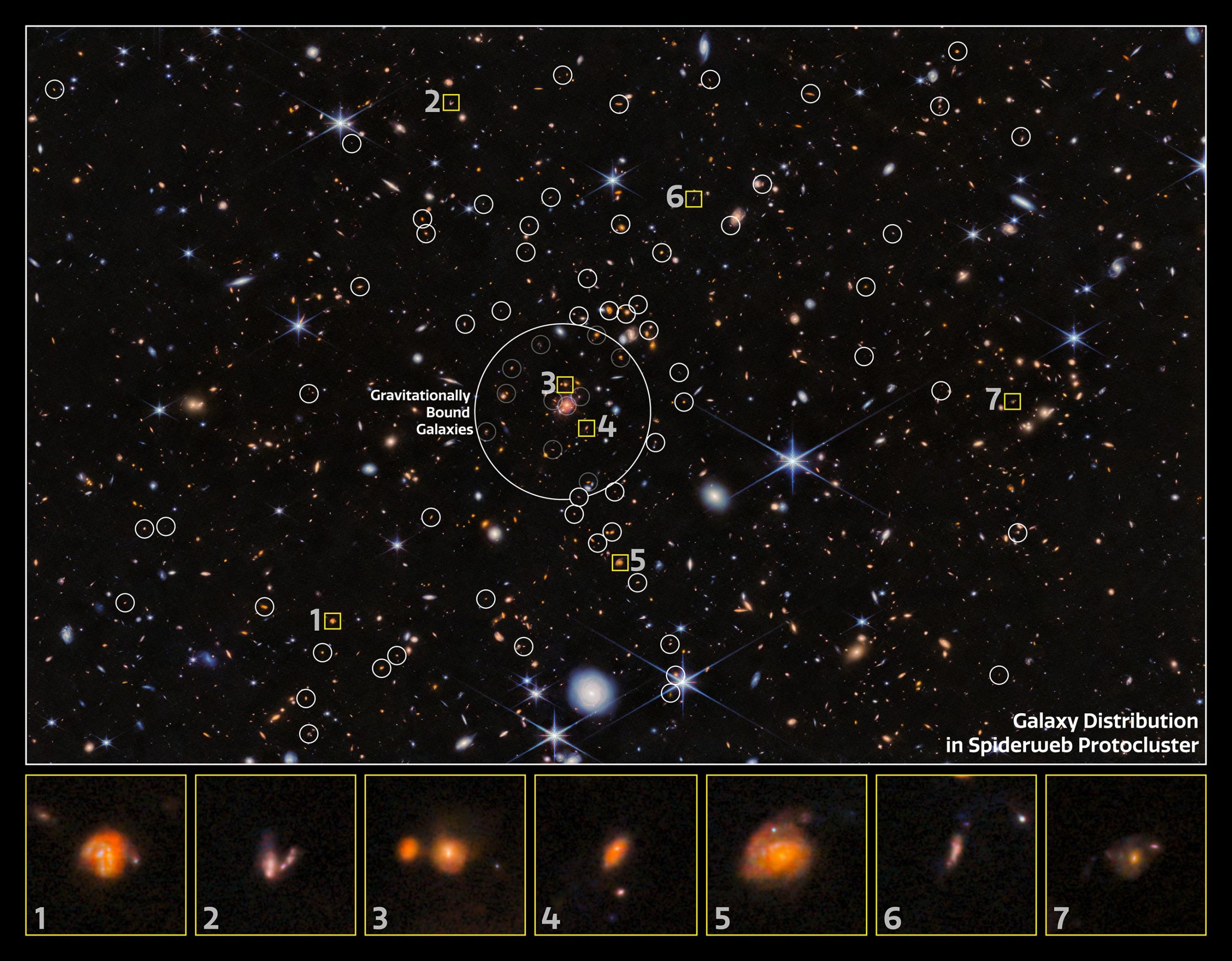
Astronomers using the James Webb Space Telescope have discovered new galaxies within the Spiderweb protocluster, challenging previous theories about gravitational interactions in dense regions. The telescope's infrared capabilities allowed for the observation of previously obscured galaxies, providing new insights into galaxy formation and evolution in the early universe. The findings suggest that star formation in these galaxies is fueled by gas accumulation rather than interactions or mergers. Future research will focus on further studying these galaxies with spectroscopic observations.
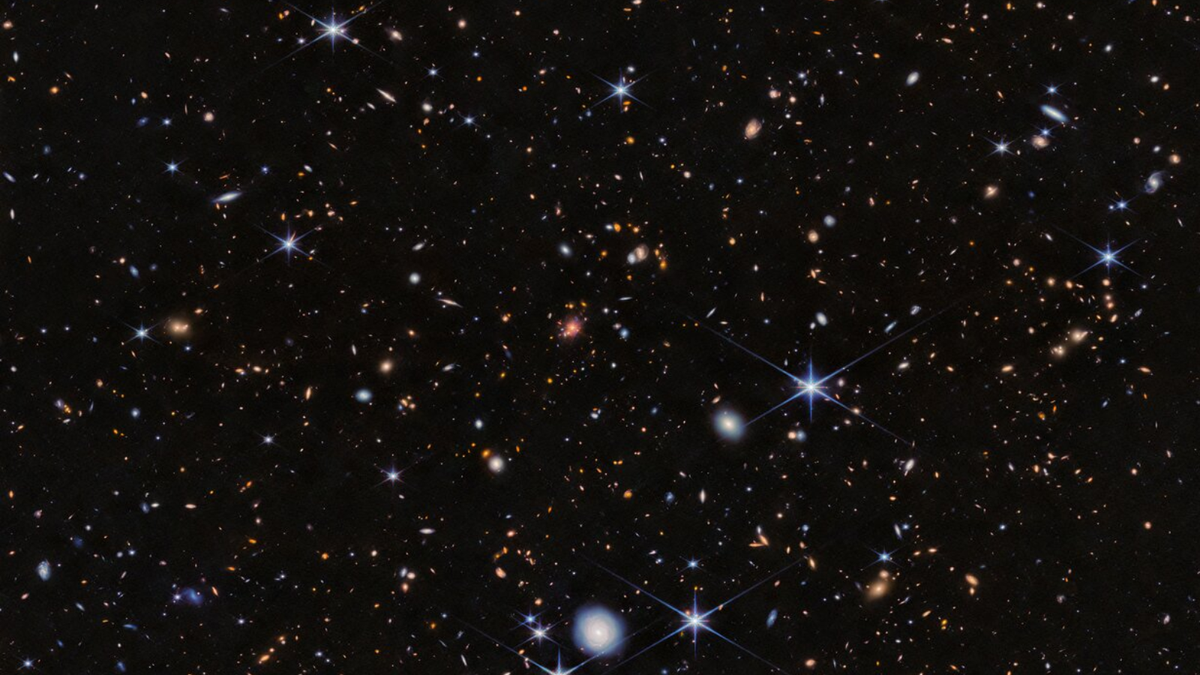
James Webb Telescope Unveils Surprising New Galaxies in Spiderweb Protocluster

Originally Published 1 year ago — by The Daily Galaxy --Great Discoveries Channel

Featured image for James Webb Telescope Unveils Surprising New Galaxies in Spiderweb Protocluster
Source: The Daily Galaxy --Great Discoveries Channel

The James Webb Space Telescope has discovered new galaxies in the Spiderweb Protocluster, a dense galaxy formation site over 10 billion light-years away, challenging previous assumptions about galaxy formation. Webb's infrared capabilities revealed galaxies with less dust obscuration than expected, suggesting that star formation in these regions may be driven by gas accumulation rather than galaxy interactions. This discovery offers new insights into the growth of large cosmic structures and the evolution of galaxies in the early universe.

James Webb Unveils Baby Galaxies in Spiderweb Protocluster

Originally Published 1 year ago — by Space.com

Featured image for James Webb Unveils Baby Galaxies in Spiderweb Protocluster
Source: Space.com

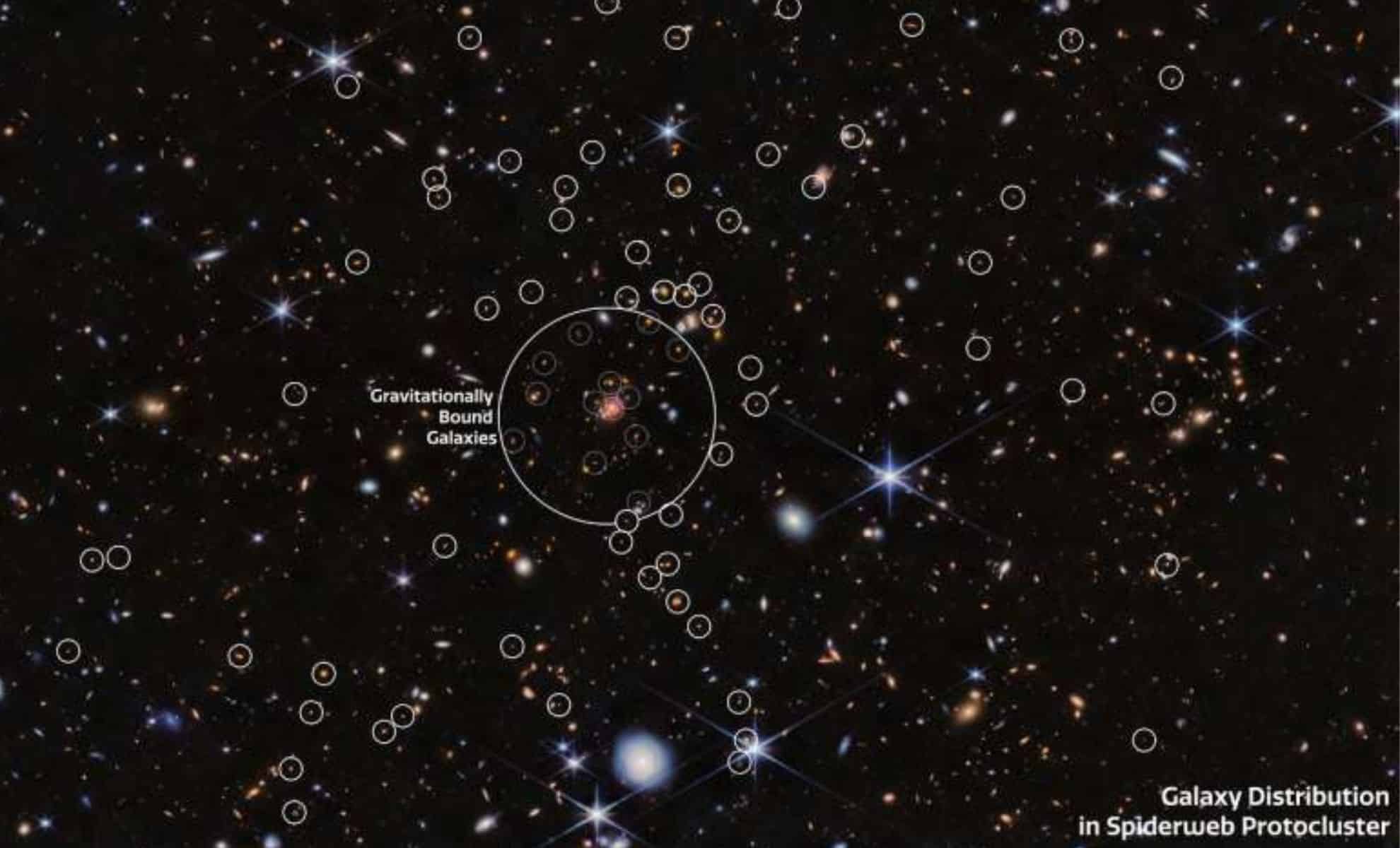
The James Webb Space Telescope (JWST) has provided new insights into the Spiderweb protocluster, a galaxy cluster in its early formation stages located 10 billion light-years away. Using its infrared capabilities, JWST revealed previously hidden galaxies and details obscured by cosmic gas and dust. The findings suggest that star formation in these galaxies is fueled by gas accumulation rather than interactions or mergers, offering a fresh perspective on galaxy growth and evolution in the universe's early stages.

Webb Telescope Uncovers Unexpected Phenomena in Spiderweb Protocluster

Originally Published 1 year ago — by European Space Agency

Featured image for Webb Telescope Uncovers Unexpected Phenomena in Spiderweb Protocluster
Source: European Space Agency

Astronomers using the James Webb Space Telescope have discovered new galaxies in the Spiderweb protocluster, challenging previous assumptions about galaxy formation in dense cosmic regions. The findings suggest that gravitational interactions are less significant than previously thought, with star formation fueled by gas accumulation across large-scale structures. This discovery was made possible by Webb's infrared capabilities, which penetrate cosmic dust, revealing obscured galaxies. The research, published in the Astrophysical Journal, marks a significant step in understanding galaxy cluster formation.

Birth of Distant Galaxy Cluster Challenges Early Universe Theories

Originally Published 2 years ago — by Phys.org

Featured image for Birth of Distant Galaxy Cluster Challenges Early Universe Theories
Source: Phys.org

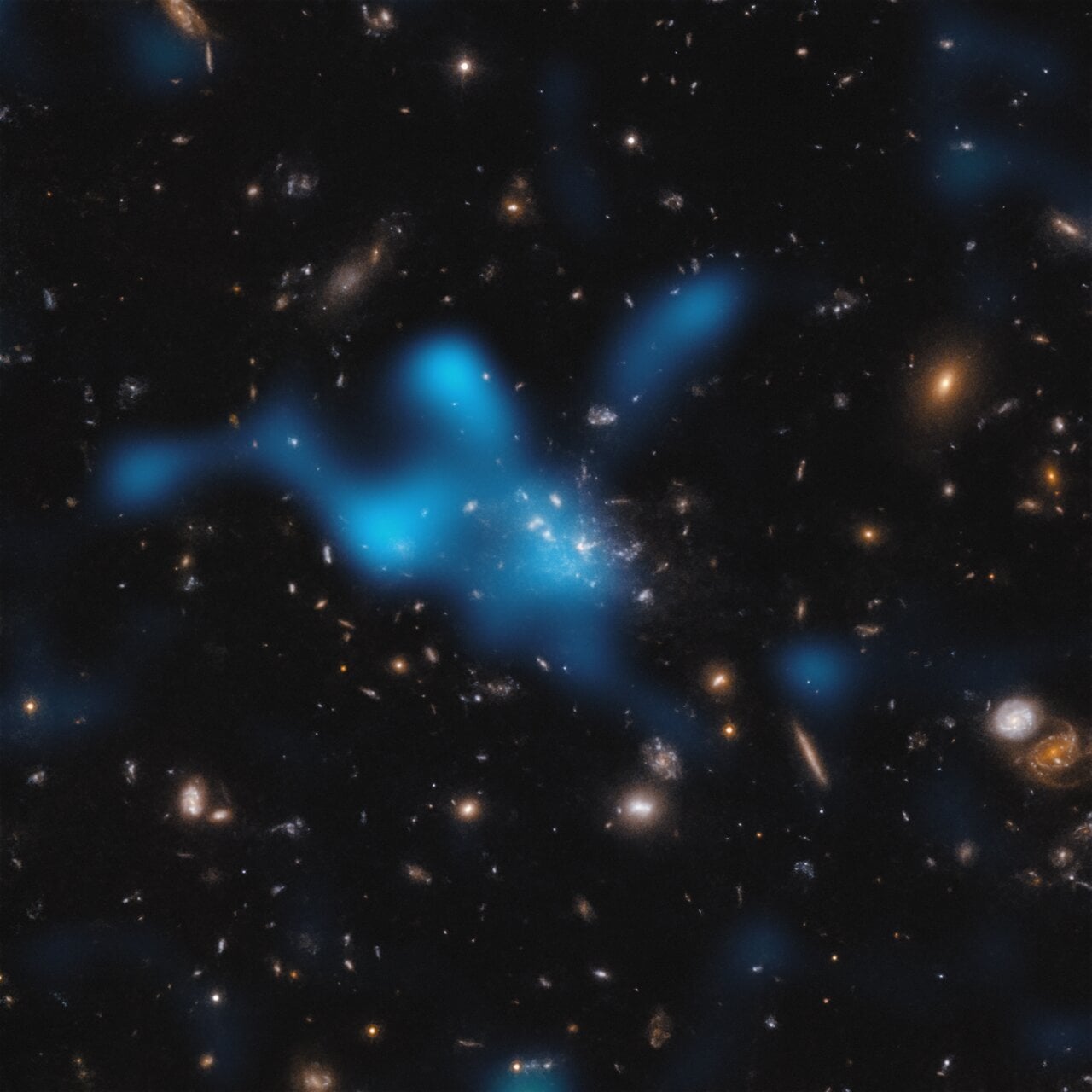
Astronomers using the Atacama Large Millimeter/submillimeter Array (ALMA) have detected a large reservoir of hot gas in the still-forming galaxy cluster around the Spiderweb galaxy, the most distant detection of such hot gas yet. The discovery indicates that the system is on its way to becoming a proper, long-lasting galaxy cluster rather than dispersing. The team detected the intracluster medium (ICM) of the Spiderweb protocluster through the thermal Sunyaev-Zeldovich (SZ) effect, which happens when light from the cosmic microwave background passes through the ICM. The Spiderweb protocluster contains a vast reservoir of hot gas at a temperature of a few tens of millions of degrees Celsius, outweighing the cold gas previously detected by thousands of times.