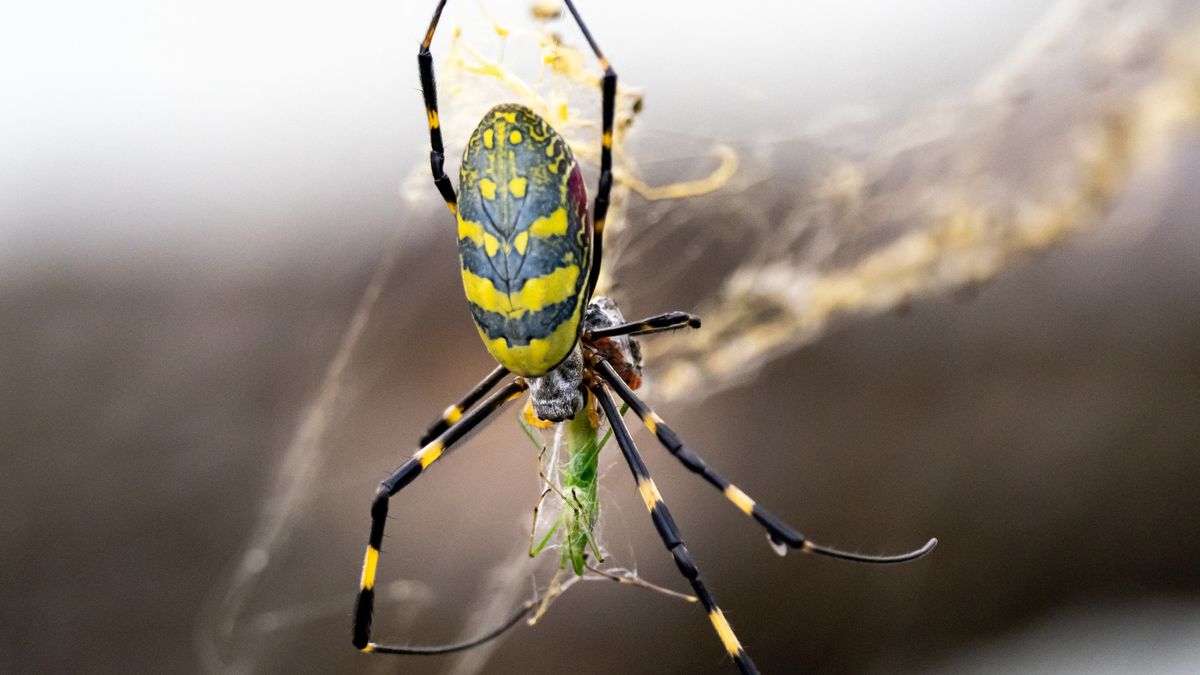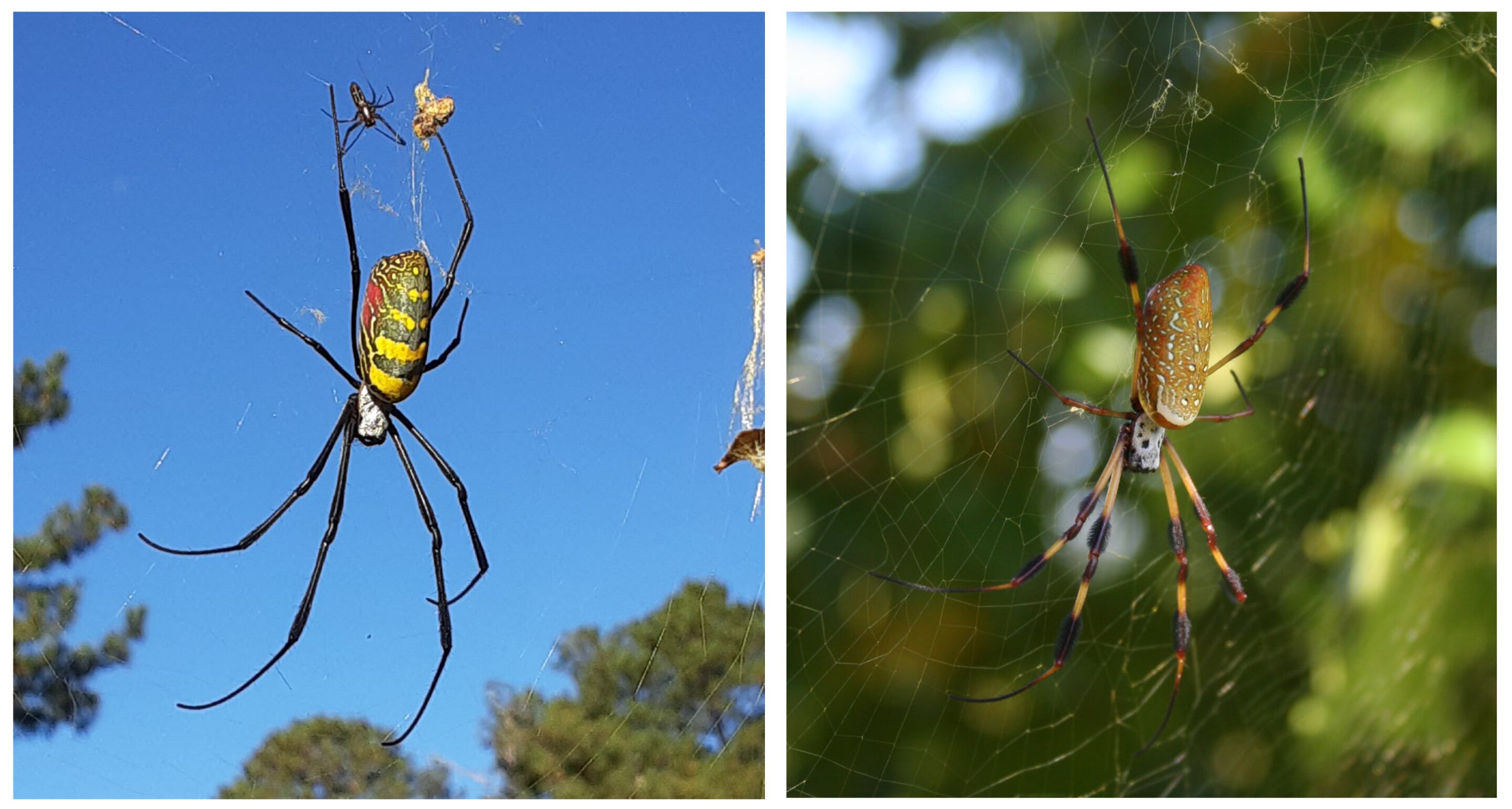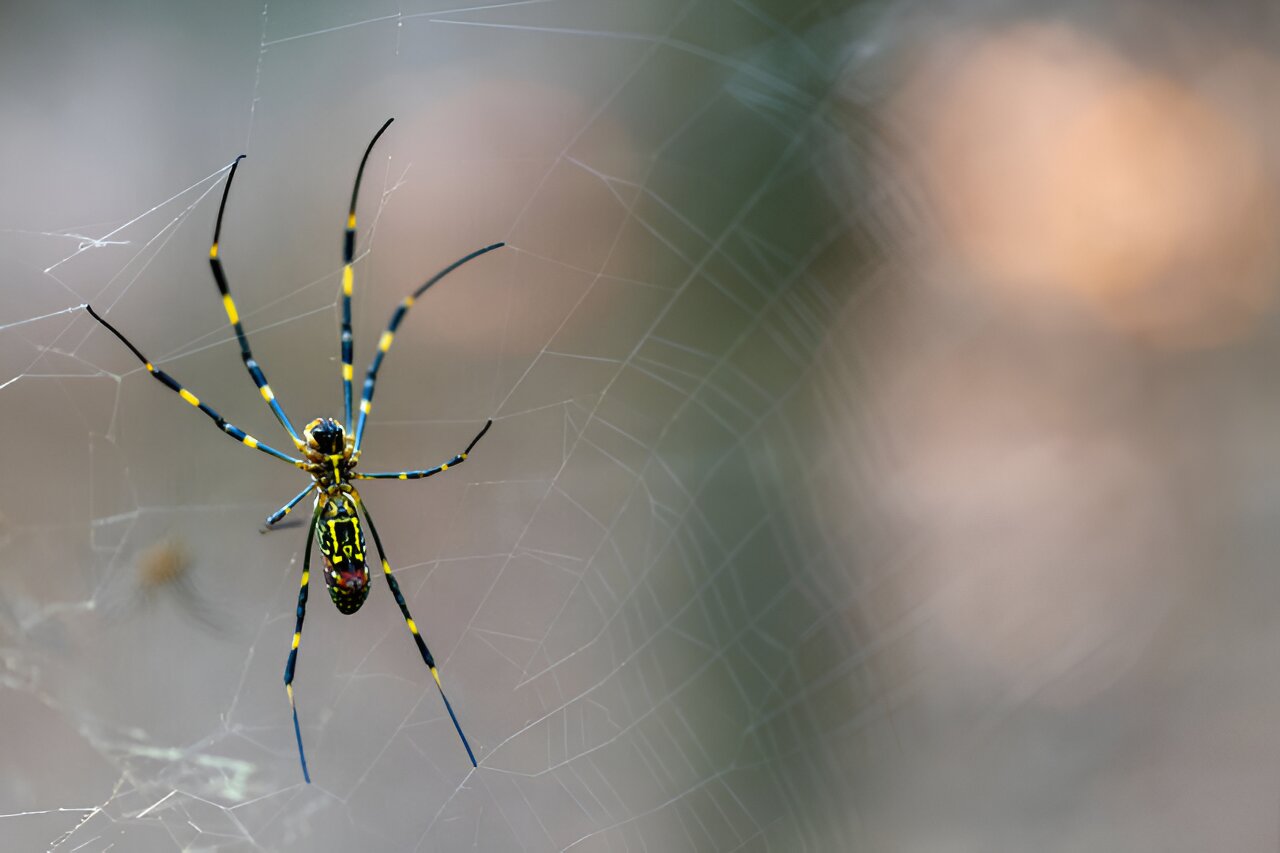
A study from the University of Georgia suggests that the invasive Joro spider is surprisingly tolerant of urban vibrations and noise, making it more successful in urban landscapes than most native spiders. The research found that the spiders near busy roads are somewhat less likely to attack simulated prey, but this doesn't seem to affect their body mass or health. The study indicates that the Joro spider's tolerance of urban vibrations and sounds is likely a factor in its exponential growth, but researchers assure that the spiders are rather timid.
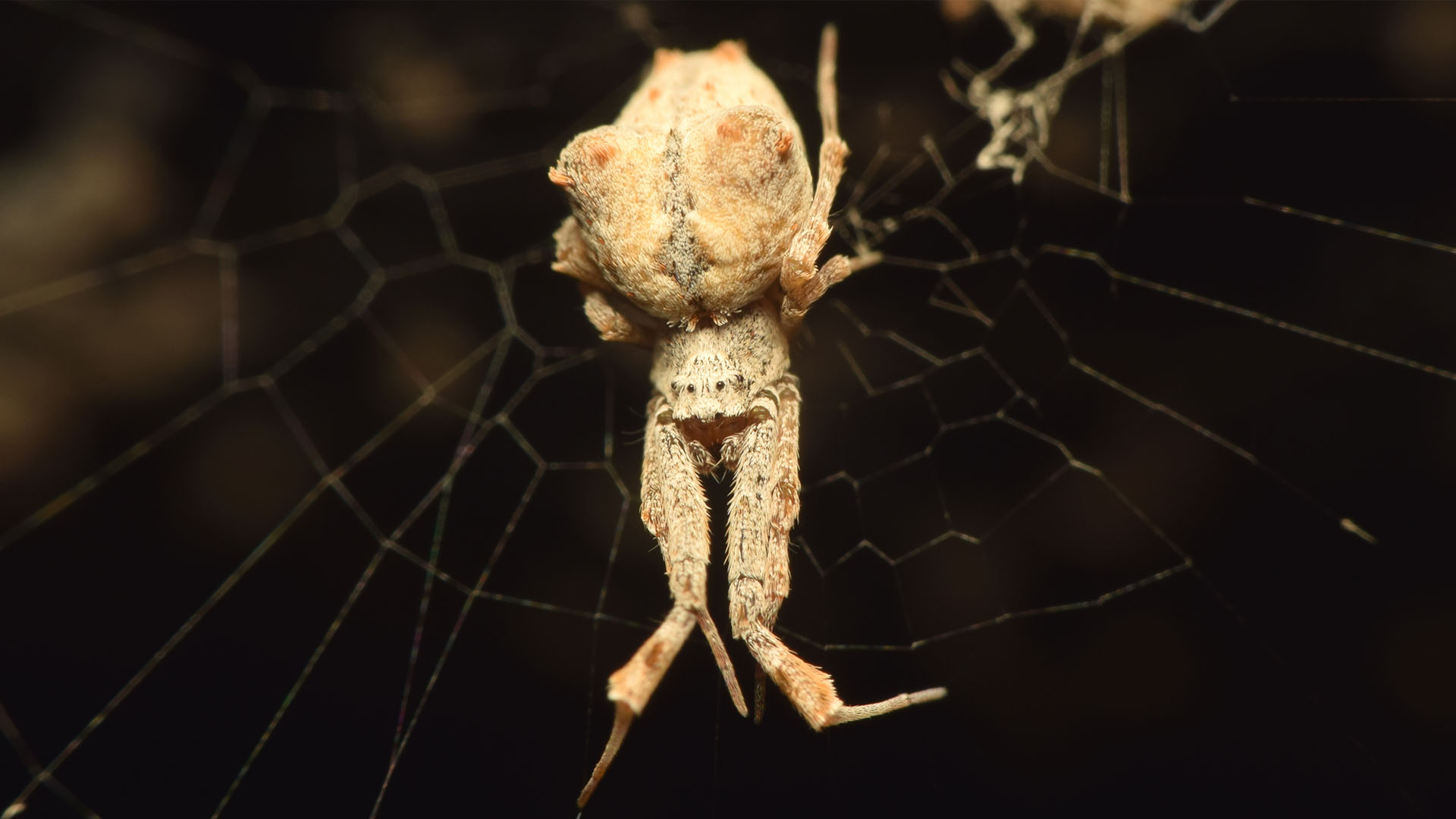
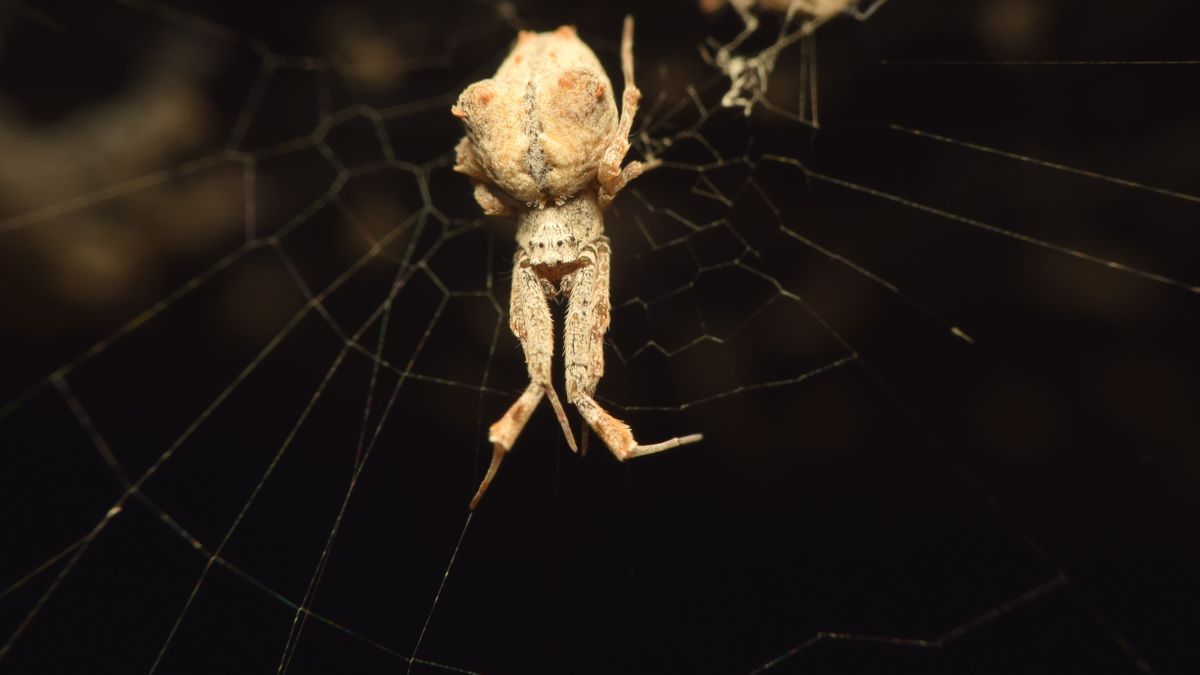
Researchers have discovered the gruesome eating behavior of the feather-legged lace weaver spider, which uses a combination of silk and toxic fluids to kill its prey. The spider wraps its prey in a silken web, sometimes hundreds of feet long, and then covers it with digestive fluids containing toxins. These fluids paralyze the insect and break down its tissues, making it easier for the spider to consume. The study suggests that the spider's digestive fluid may be toxic, as no venom glands were found. This unique hunting strategy may have evolved to help the spider survive in environments with large or dangerous prey.
Feather-legged lace weavers, a type of spider, appear to immobilize their prey by dousing them in toxic digestive fluids. Unlike other spiders that inject venom through their fangs, these spiders produce neurotoxins in their gut. Researchers discovered RNA for potential toxins in the spiders' midgut gland, indicating that the digestive fluid may be toxic. This unique hunting strategy involves wrapping the prey in silk before covering them in fluids and consuming them. While they may not have venom glands, these spiders still use toxins in a distinct way.
Jorō spiders, an invasive species in the southeastern United States, are not aggressive as previously thought, but rather the "shyest ever documented," according to a new study. Researchers found that Jorō spiders remained motionless for over an hour after a mild disturbance, compared to just one or two minutes for other spiders. The spiders' success in spreading throughout the region is likely due to their incredible reproductive potential rather than aggression. Despite their large size, Jorō spiders are relatively harmless and are unlikely to leave the southeast.
A new study from the University of Georgia reveals that the Joro spider, an invasive species in the Southeastern U.S., is actually a timid and gentle spider. The researchers found that Joros freeze for over an hour when disturbed, indicating that they are more afraid of humans than the reverse. Despite their intimidating appearance, Joros are relatively harmless to people and pets. The researchers believe that the spiders' shyness may help them better endure the barrage of noise, vibrations, and visual stimuli they consistently encounter in urban settings.
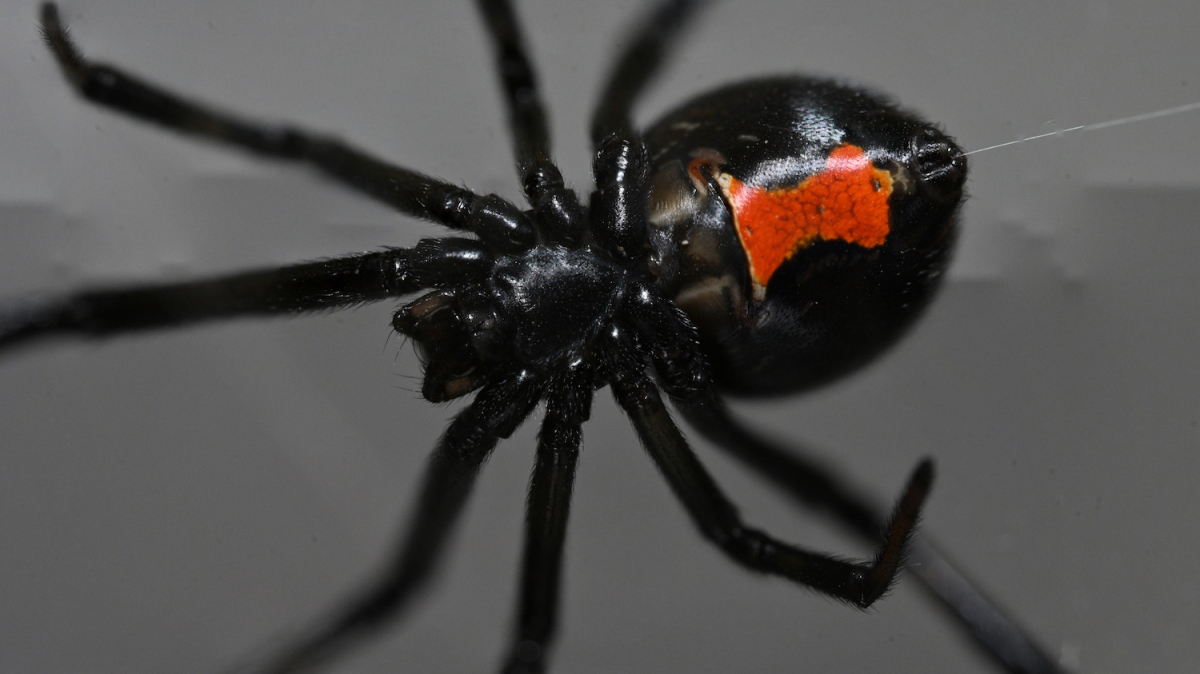
Brown widows are driving Southern black widows out, in part by attacking and killing the well-known arachnids. Biologists observed that brown widows were 6.6 times more likely to aggressively attack the black widows compared with other spider species. Brown widows can produce more offspring, because they can reproduce earlier in their lives and lay more eggs. The displacement and decline of Southern black widows could impact the existing native ecological relationships in the natural world.